Photo credit: wirestock/Freepik.com
Most wildlife wants space, not smoke. But some animals are wired to stand their ground, and if you crowd them, surprise them, or show up at the wrong time (rut, calves, food, pressure), they’ll come at you instead of taking the easy exit.
The mistake people keep making is thinking “it’ll just run.” These are the critters that regularly do the opposite—sometimes as a bluff, sometimes fully committed, and sometimes so fast you don’t get a warning you recognize.
Moose

Moose are one of the most common “I can’t believe that happened” wildlife charges, because they don’t look like they’d be that quick. When they feel cornered—especially cows with calves or bulls during the rut—they’ll stomp, pin their ears, and come straight in like you’re the threat that needs moved out.
A moose doesn’t need teeth to mess you up. The damage comes from weight, speed, and hooves that hit like a hammer. People get hurt because they try to film it, stand in its path, or keep backing up into brush instead of turning and getting behind something solid. If a moose starts walking you down, that’s your cue to leave now.
Bison

Bison look calm right up until they don’t. They don’t always “warn” the way people expect, and when they decide you’re too close, they can charge fast and hit like a truck. A lot of charges happen because someone stands in their travel lane, crowds a herd, or tries to get between a bison and the direction it wants to go.
The other issue is confidence. Folks treat them like livestock and assume they’re predictable. They’re not. If you see head tossing, pawing, or that stiff, direct walk, you’re already late. The best move is simple: don’t put yourself within their “problem-solving distance,” and don’t assume a grazing bison won’t flip the switch.
Elk

Elk will often run, but they’re fully capable of charging when pressure stacks up—tight timber, dogs, close-range surprise, or a cow with a calf. Bulls in rut are the bigger issue, because they’re already keyed up and looking for something to push around. If you crowd them, you can trigger a quick, ugly decision.
Elk charges are sneaky because they don’t feel “scary” until the animal is already moving. A big elk covers ground fast, and hooves can do serious damage. If one starts posturing—head down, ears pinned, stepping in—give it an exit and take yours. Don’t stand there hoping it “calms down.”
Whitetail buck

People laugh at this one until they’ve watched a rut-crazy buck try to run a human off like it’s another deer. In peak rut, a buck can be aggressive, dumb, and locked into a fight mindset. Corner a buck, get too close to a wounded one, or let one feel trapped against a fence line, and it may come in with its head low.
The danger isn’t that it’s “bigger than you.” It’s that antlers and hooves can wreck you when the animal is in full commit mode. Hunters also get surprised walking up on downed deer that aren’t fully done yet. Treat a buck like it can still hurt you—because it can—and don’t walk in like you’re approaching a house cat.
Feral hog / wild boar
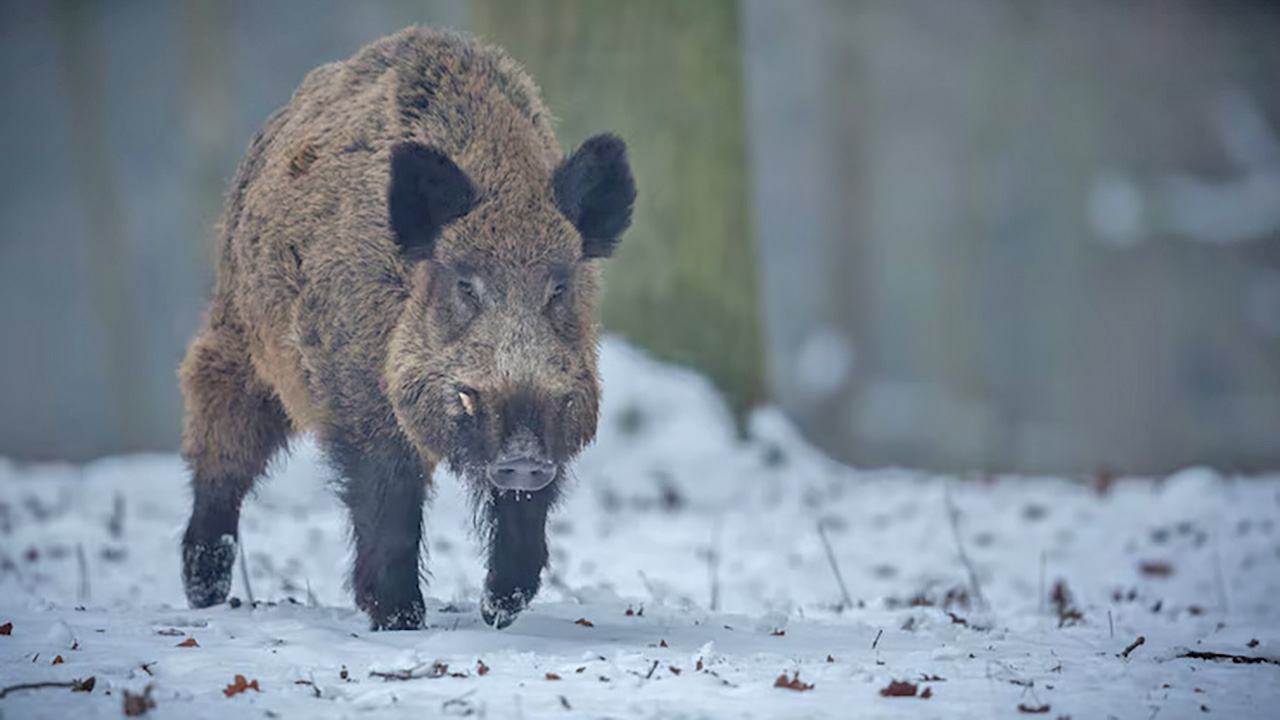
Hogs charge because that’s how they solve problems. If they get cornered in thick brush, pinned against a bank, or pressured hard, they’ll come low and fast with zero drama. A boar isn’t trying to “win a fight.” It’s trying to create space, and it’ll do that by breaking your balance and getting you moving.
They’re also tough, which makes people misread the situation. A hog that’s been hit can still come hard, and the angle matters more than most folks realize. If you’re in hog country, don’t assume they’ll run like deer. Give them room, watch your wind and noise in tight cover, and don’t push into brush where you can’t see what’s about to explode out.
Javelina
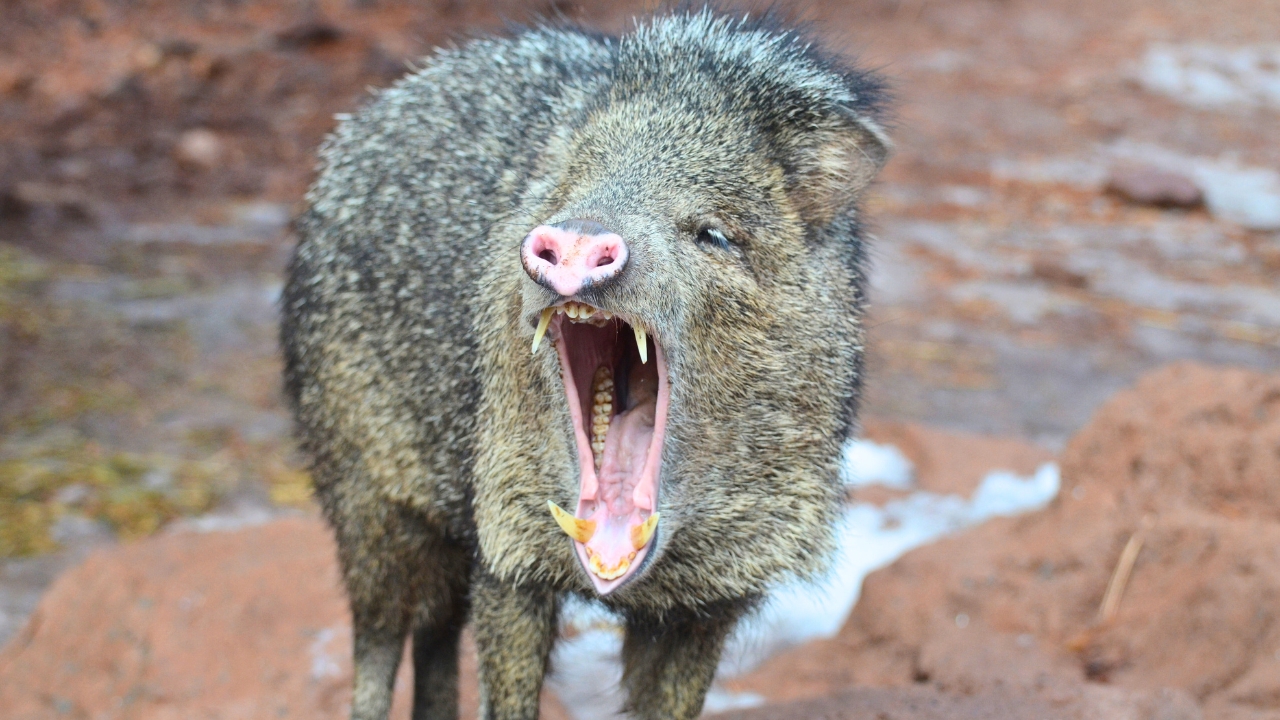
Javelina don’t look like much until you get too close and they decide you’re the problem. They’re short, fast, and they’ll charge when they feel threatened—especially if you get near a group, surprise them in thick cover, or crowd one that can’t find an escape route. They’ve also got cutters that can slice you up more than people expect.
The most common bad scenario is someone thinking they’re “just small pigs” and stepping in for a closer look. In the Southwest, they’ll also come in around feeders and water, where everyone’s packed into tight space. If one starts popping teeth, grunting, and coming stiff-legged, back out. Don’t try to shoo them like pests around a trash can.
Black bear

Black bears usually want out, but bluff charges happen more than people think—especially when a bear is surprised at close range, protecting cubs, or guarding food. A black bear can close distance fast, and a “bluff” still has real risk because you don’t always get to decide if it stays a bluff.
The mistake is turning and running, or screaming and flailing like prey. Stand your ground, get big, talk firm, and back away while giving the bear a clean exit. The whole goal is to make the bear feel like leaving is the easiest option. Corner a bear—physically or psychologically—and you’re pushing it toward the one outcome you don’t want.
Grizzly / brown bear

A grizzly charging is the nightmare scenario because the speed-to-mass combo is unreal. Defensive charges happen fast, especially with surprise encounters in thick cover, around carcasses, or with cubs nearby. If a grizzly feels like you’re inside its bubble and it can’t safely disengage, it may come through you to create space.
This is where prevention matters most: make noise where you can’t see, pay attention to sign, and don’t wander into sketchy cover like you own it. If a grizzly is posturing—huffing, popping jaws, swaying, ears back—that’s not a “cool moment.” That’s a warning. Your job is to de-escalate and get distance, not stand there and find out how committed it is.
Musk ox
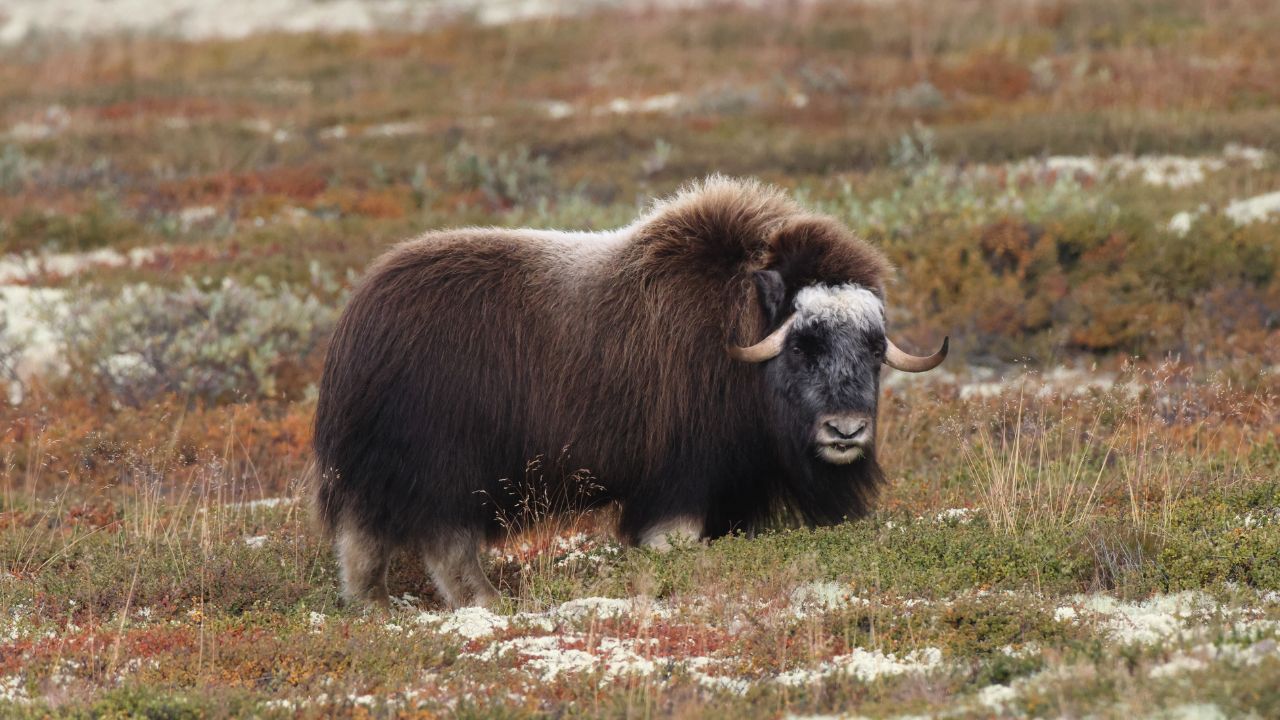
Musk ox don’t run the way deer run. Their whole survival plan is to stand and fight, and they’ll charge when threatened, especially if you get too close to calves or push them in open country with no easy escape. They look slow until they aren’t, and their horns plus body weight make that charge serious business.
People get into trouble because musk ox seem “calm” and clumped up, and tourists do tourist stuff. What you’re actually seeing is a defensive posture. If one breaks from the group and steps forward, that’s not curiosity. Back off immediately. They’re not built to sprint away from wolves—they’re built to make the attacker regret walking in.
Cape buffalo

Cape buffalo are famous for not backing down, and charges are a big part of that reputation. They’re tough, aggressive when pressured, and quick to decide that you’re the threat that needs removed. Corner one, wound one, or push one without an escape lane, and you can get a hard, direct charge that doesn’t stop just because you want it to.
They also don’t “fight clean.” They’ll hook, stomp, and come back in. That’s what makes them so dangerous compared to animals that bolt when things get loud. The lesson is simple: if you’re around buffalo, you don’t treat it like a casual wildlife sighting. You respect angles, distance, and the fact that their default isn’t always “run.”
Hippopotamus

Hippos are one of the worst examples of “it should run but it doesn’t.” They’re territorial around water, they’re fast on short bursts, and they’ll charge boats, people, and anything they think is blocking their path. A lot of hippo attacks happen because someone is between the hippo and water, or too close to a path it uses.
Hippos don’t need to be hungry or “mad” to be dangerous. They just need to feel challenged or crowded. And once they commit, it’s pure brute force plus a bite that ends things. If you’re anywhere near hippo water, distance is the rule. Don’t hang out on banks, don’t assume shallow water is safe, and don’t mistake “quiet” for “gone.”
Rhinoceros

Rhinos charge because they’re built to charge. Poor eyesight, a short fuse when surprised, and a body designed for impact makes them quick to choose violence over retreat. If they pick up your scent, hear something weird, or feel boxed in, a charge can happen without the kind of warning people expect.
The scary part is speed. A rhino can move fast enough that “I’ll just get out of the way” becomes a lie in real time. Most rhino charges are defensive—something spooked it, and you were the closest problem. The takeaway is not complicated: don’t approach, don’t crowd, and don’t assume you’ll have time to react if it decides you’re too close.
Elephant

Elephants often try to avoid conflict, but when they feel cornered or threatened—especially a cow with calves, or a bull in musth—they can charge in a way that’s both fast and intentional. Sometimes it’s a mock charge meant to move you. Sometimes it’s the real thing. Either way, the message is “leave.”
People misread elephant behavior because they expect loud aggression first. An elephant can go from “calm” to “closing distance” in a blink. Ears out, trunk up, head high, direct steps—those are big tells. Your goal is to back out clean and give them space, not stand there filming like you’re immune to 12,000 pounds of momentum.
Alligator

Gators don’t usually “chase,” but they absolutely will charge short distances when cornered—especially on land near water or around nests. If you crowd one, block its path to water, or get too close when it’s on the move, it may rush you to create space and get you to back off.
The danger is that it can happen fast, and people freeze because they didn’t think a gator would move like that. Don’t corner them, don’t approach for photos, and don’t let dogs mess around at the water’s edge where gators hang. If you see one, the rule is wide distance and no surprises. A gator that feels trapped will solve that problem aggressively.
Cassowary
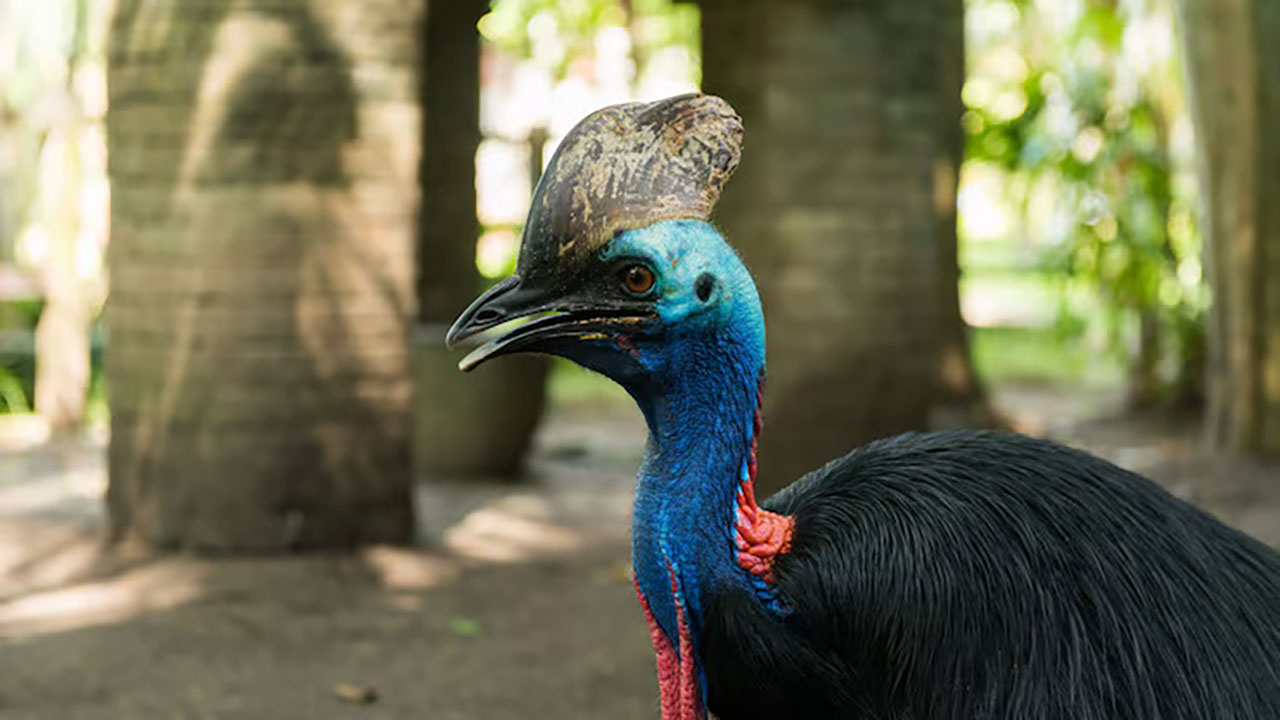
Cassowaries are one of the most dangerous birds on earth for a reason: they don’t always retreat, and when they feel threatened, they can charge and kick with a claw designed to do damage. Corner one—especially near food, chicks, or dense cover—and it can come at you like a dinosaur with an attitude.
People get hurt because they treat them like exotic chickens instead of wild animals with real weapons. A cassowary doesn’t need to peck you to be dangerous. It needs one kick. If you ever see one, keep distance, don’t block its path, and don’t try to “shoo it away.” The whole goal is to not trigger that defensive charge in the first place.
Like The Avid Outdoorsman’s content? Subscribe to our newsletter so you never miss an article.
Here’s more from us: