Photo credit: NRApubs/YouTube
Every hunter knows the feeling—you shoulder your rifle, settle into the bench, and things already feel off. Maybe the trigger’s gritty, the stock flexes, or the scope mounts are barely holding on. Accuracy doesn’t just come from the barrel; it starts with the foundation. Some rifles are built so poorly, or so light, that they work against you before you even fire a shot. Whether it’s heat drift, sloppy bedding, or weight so minimal it magnifies every heartbeat, these rifles test your patience long before they test your aim. If you’ve ever left the range shaking your head, odds are one of these culprits—or something a lot like them—was to blame.
Remington 710
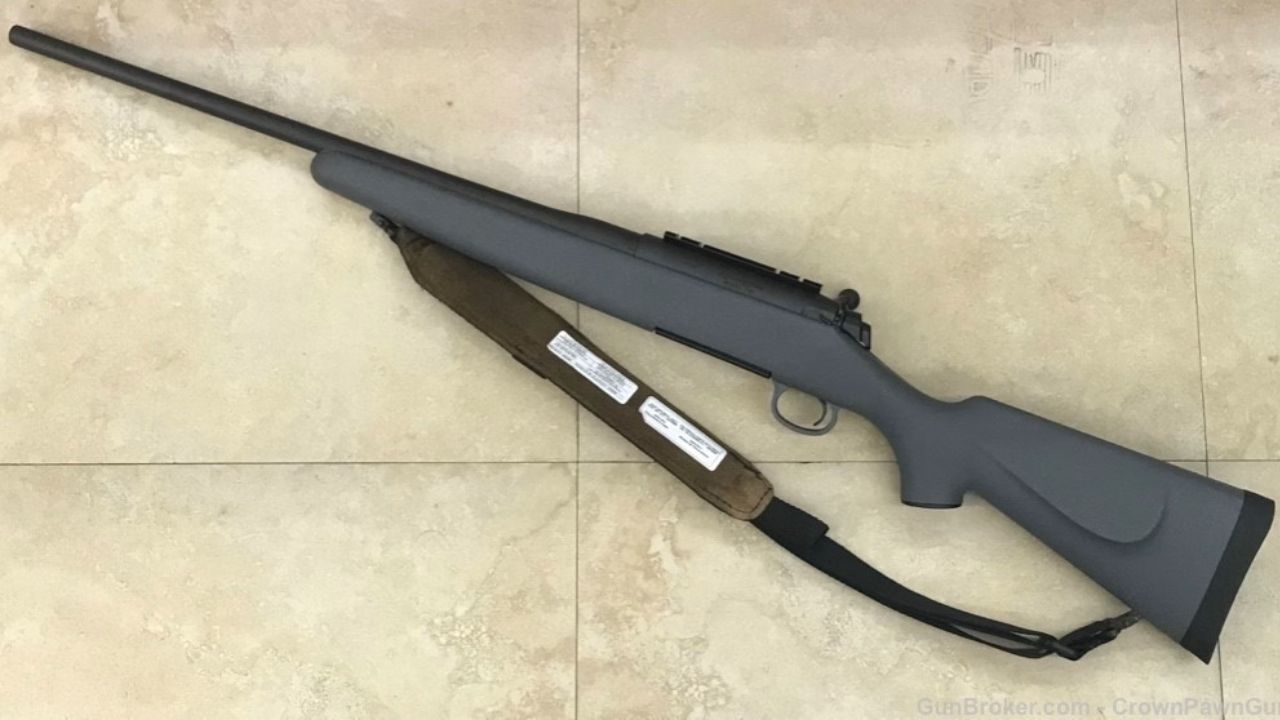
The Remington 710 was supposed to be an affordable hunting rifle, but it turned into a cautionary tale. The plastic bolt shroud, cheap injection-molded stock, and press-fit barrel made it a nightmare for accuracy. Even if you managed to sight it in, consistency was a gamble.
The action feels gritty and awkward, and the trigger breaks unpredictably. Combine that with poor bedding and flexible stock material, and you’ve got a rifle that changes point of impact depending on how you rest it. For many hunters, it was their first “real” rifle—and the one that taught them accuracy costs more than bargain-bin pricing.
Mossberg ATR
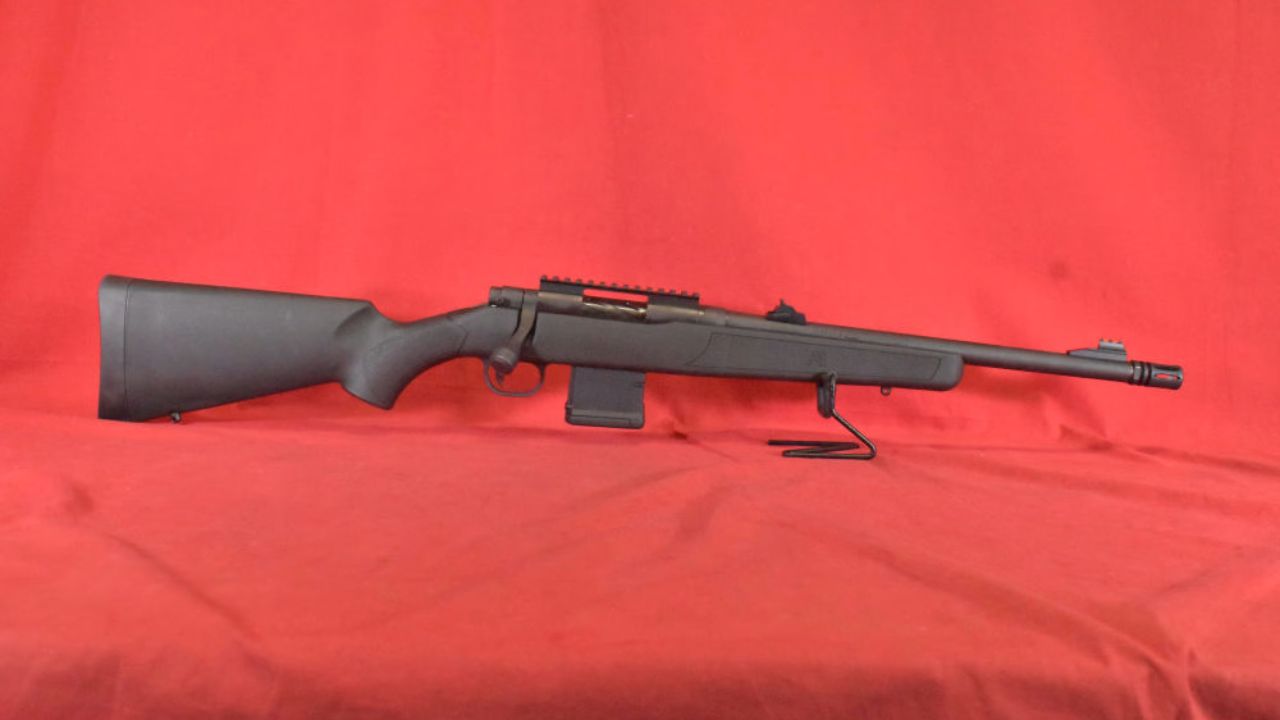
The Mossberg ATR looked decent on paper—affordable, light, and chambered in all the right calibers. But once you got behind it, the flaws appeared fast. The stock flexes enough to change pressure on the barrel, the trigger can be heavy and inconsistent, and the overall build feels loose.
Even when you find a load it likes, it rarely holds zero after a bump or two. It’s the kind of rifle that teaches you what “minute of deer” really means. The ATR works if you keep your shots close, but if you care about groups and cold-bore consistency, this one will have you second-guessing every squeeze of the trigger.
Savage Axis (First Generation)

Before Savage refined the Axis line, the first generation had accuracy issues you could spot from the first group. The factory trigger was heavy enough to pull you off target, and the flimsy synthetic stock made consistent pressure almost impossible.
The rifle would string shots vertically as the barrel heated and the forend flexed. Many shooters replaced the stock and trigger just to make it acceptable. The barrel itself was capable, but everything around it worked against it. It’s proof that even a decent barrel can’t save a rifle built on shortcuts.
Ruger American Ranch (First Generation)

The original Ruger American Ranch rifles earned a reputation for being affordable and lightweight, but they also had their quirks. The molded stock, while practical, flexed enough to throw off accuracy when rested. The bedding system worked—if you didn’t torque it too tight.
Triggers varied wildly, and early magazines didn’t always feed smoothly, which added to frustration on the line. The rifle had potential, and later models fixed much of it, but the early versions could make even experienced shooters doubt their fundamentals. Accuracy shouldn’t depend on how you hold your rifle—but with the first-gen Ranch, it often did.
Winchester Model 770
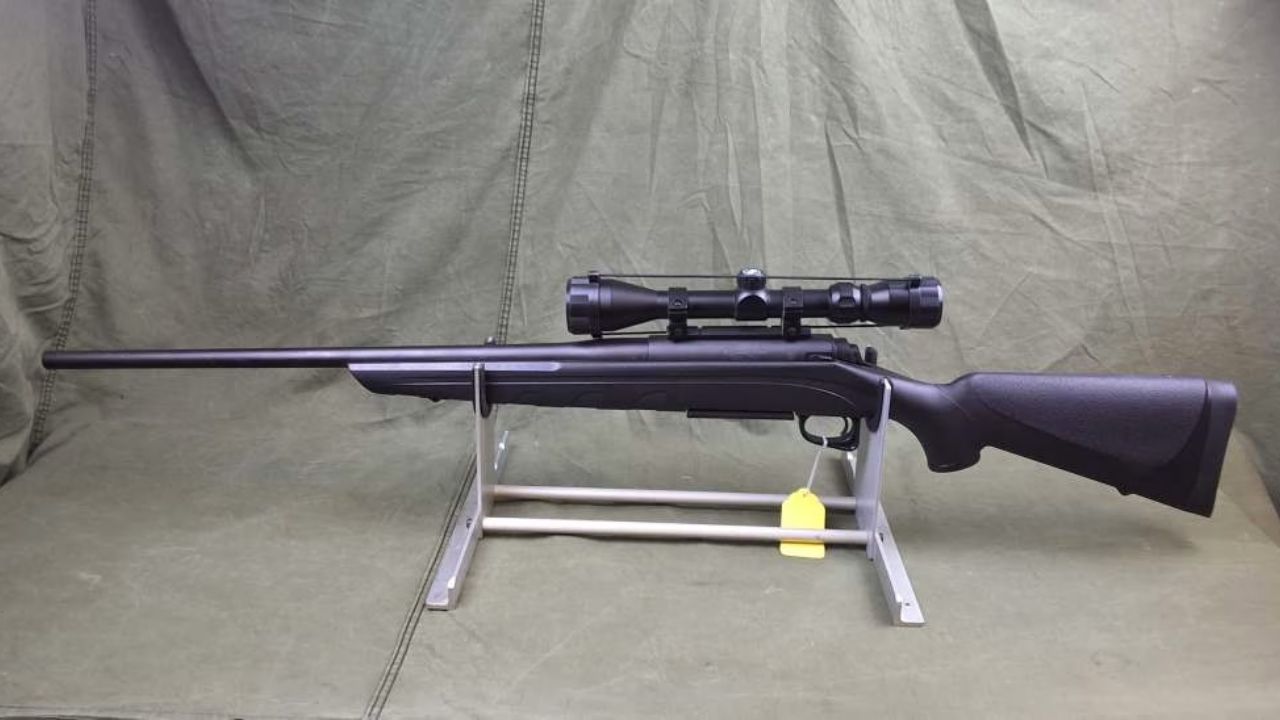
The Model 770 felt like Winchester’s attempt to compete with budget rifles, but it came at the cost of quality. The bolt was sticky, the plastic trigger guard flexed, and the synthetic stock felt hollow. Accuracy was inconsistent from shot to shot, especially as the barrel warmed.
It’s the kind of rifle that feels like it’s fighting you from the bench. Tighten the screws too much, and you’ll shift your point of impact. Loosen them, and you lose stability altogether. Many hunters tried to make it work, but most quickly realized that saving a few bucks meant giving up confidence in their shots.
Remington 770
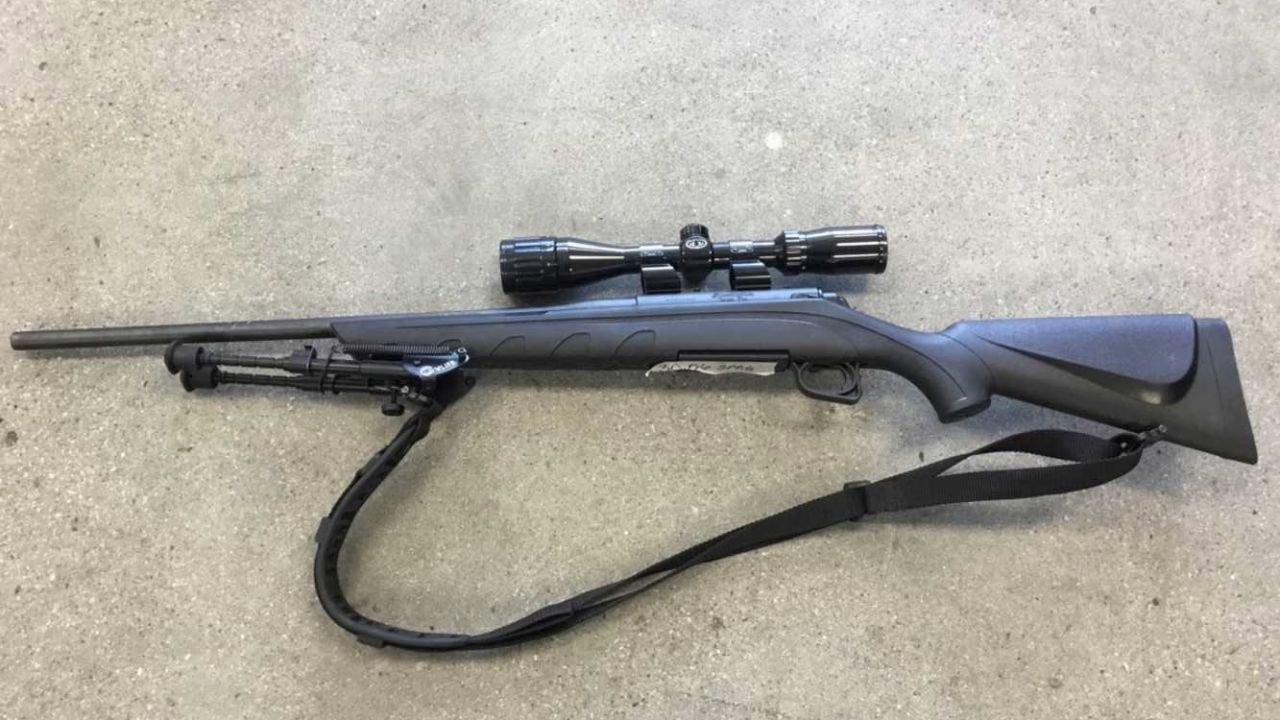
The Remington 770 replaced the 710, but unfortunately, it didn’t fix much. The bolt feels like it’s scraping sand, the stock flexes under the slightest pressure, and the trigger leaves a lot to be desired. It’ll group occasionally, but never predictably.
Even minor changes in how you rest or shoulder it can move your shots inches. Many hunters bought it as a starter rifle and quickly learned that good optics can’t compensate for bad fundamentals—or bad design. The 770 became infamous for all the wrong reasons and remains a perfect example of why “budget-friendly” doesn’t mean field-ready.
Weatherby Vanguard Synthetic (Early Models)

The early Weatherby Vanguard synthetic models were built on solid actions but plagued by inconsistent bedding and rough triggers. When they shot well, they shot really well—but getting there was an uphill battle.
The tupperware-style stock didn’t mate well to the action, which caused torque-related shifts and barrel pressure inconsistencies. You could shoot a cloverleaf one day and a scatter pattern the next without changing a thing. Once glass-bedded or restocked, the rifle transformed—but out of the box, it was a reminder that even strong designs suffer from cheap materials.
Browning A-Bolt II Composite Stalker
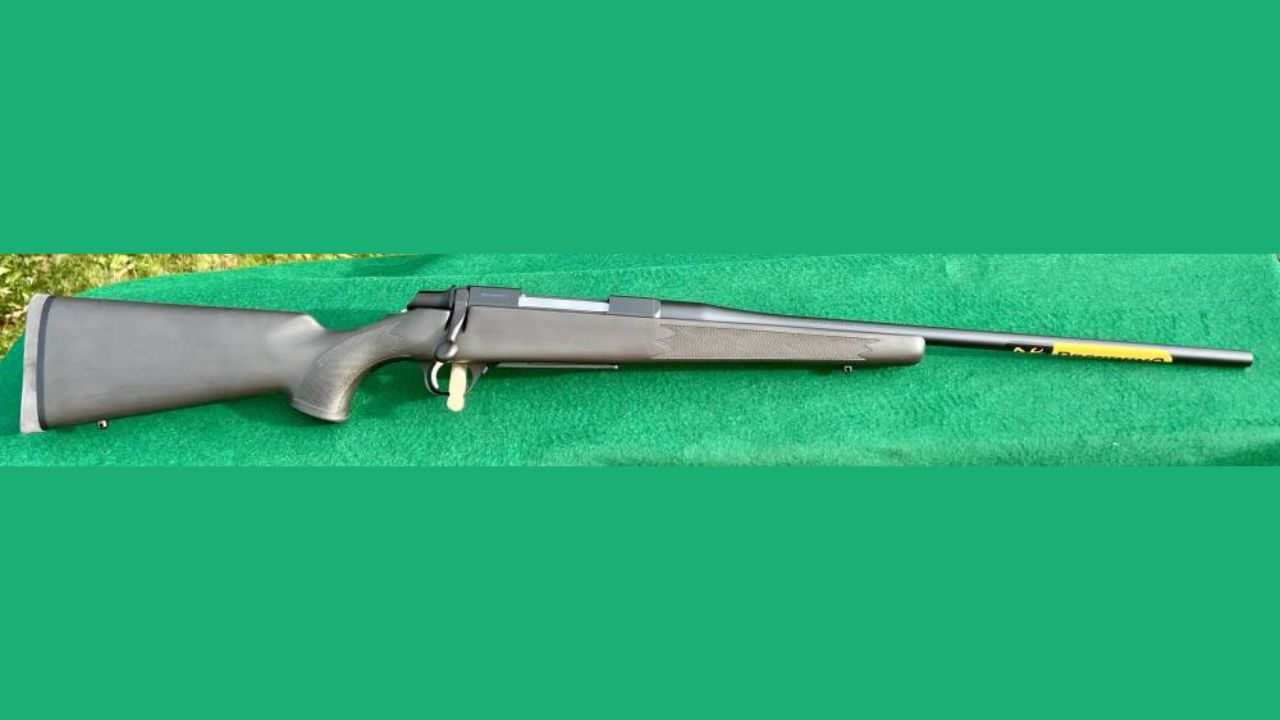
The Browning A-Bolt II Composite Stalker has a great action, but it’s sensitive to how you shoot it. The stock, while lightweight, flexes enough to affect harmonics, especially from a bench rest. Add a thin barrel profile, and accuracy starts walking after just a few shots.
Many shooters noticed vertical stringing or erratic groups after the barrel warmed. In the field, it’s fine for a cold-bore shot on game—but for sighting in or practicing, it can shake your confidence. It’s a rifle that shoots better than it feels, but not everyone has the patience to find its rhythm.
Thompson/Center Compass

The T/C Compass tried to pack features into a budget rifle—threaded barrel, adjustable trigger, and decent ergonomics—but execution fell short. The stock flexes badly, especially when using a bipod or front rest, which causes inconsistent barrel pressure.
While some rifles shoot sub-MOA groups, others can’t hold three inches. The inconsistency from gun to gun makes it hard to recommend. It’s a rifle that proves accuracy isn’t about marketing claims—it’s about the small things done right, and T/C didn’t quite nail them on this one.
Savage Model 11 Trophy Hunter XP

Savage’s Model 11 package rifle came ready to hunt—but not ready to impress at the range. The combo scope setup was often poorly mounted, and the lightweight synthetic stock had enough flex to shift your point of impact depending on how you gripped it.
The AccuTrigger is solid, but it can’t make up for inconsistent bedding or pressure points along the barrel channel. Many shooters blamed themselves until they swapped the stock and watched their groups shrink instantly. The rifle’s accuracy potential is there—you just have to dig for it.
Marlin X7
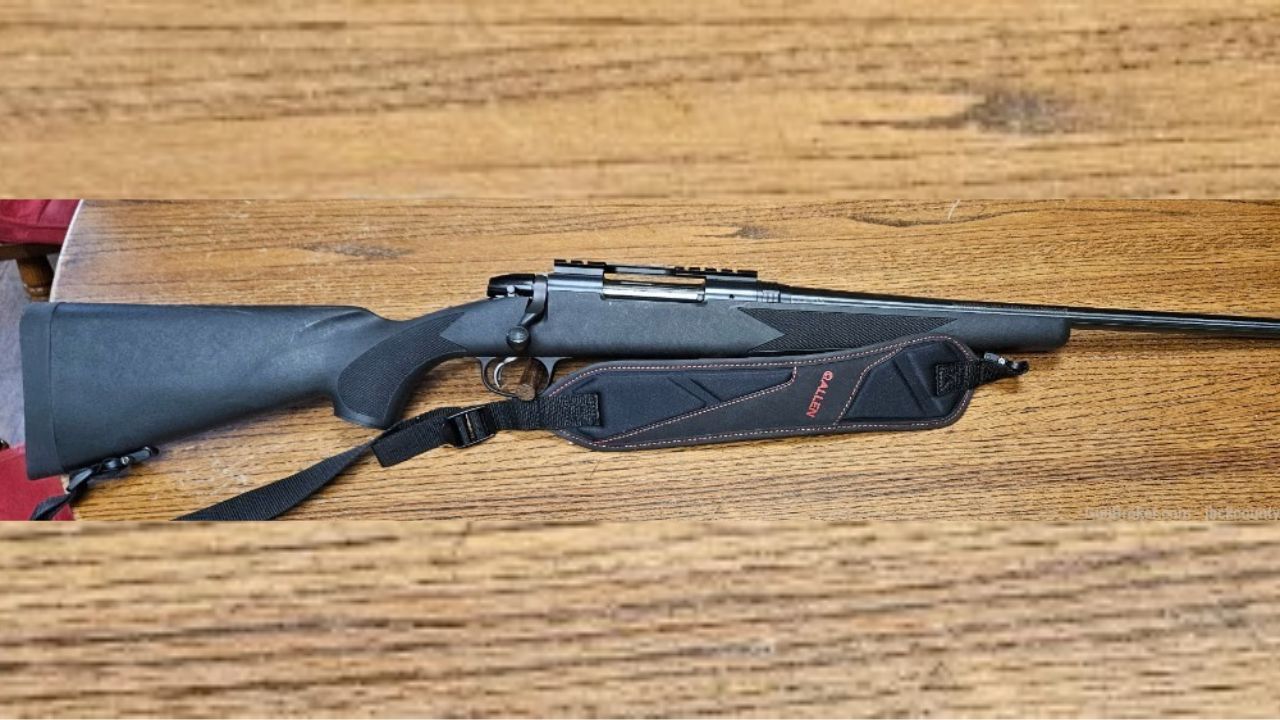
The Marlin X7 had potential to compete with entry-level Savages and Rugers, but accuracy issues kept it from taking off. The synthetic stock was soft, the recoil lug fit wasn’t tight, and the barrel harmonics weren’t consistent.
Cold-bore shots were decent, but once the barrel heated, groups began to wander. It’s one of those rifles that teaches patience and torque discipline. If you take the time to bed it, float it, and tune it, it can shoot well—but out of the box, it’s a reminder that shortcuts in design always show up downrange.
Remington Model 770 Youth
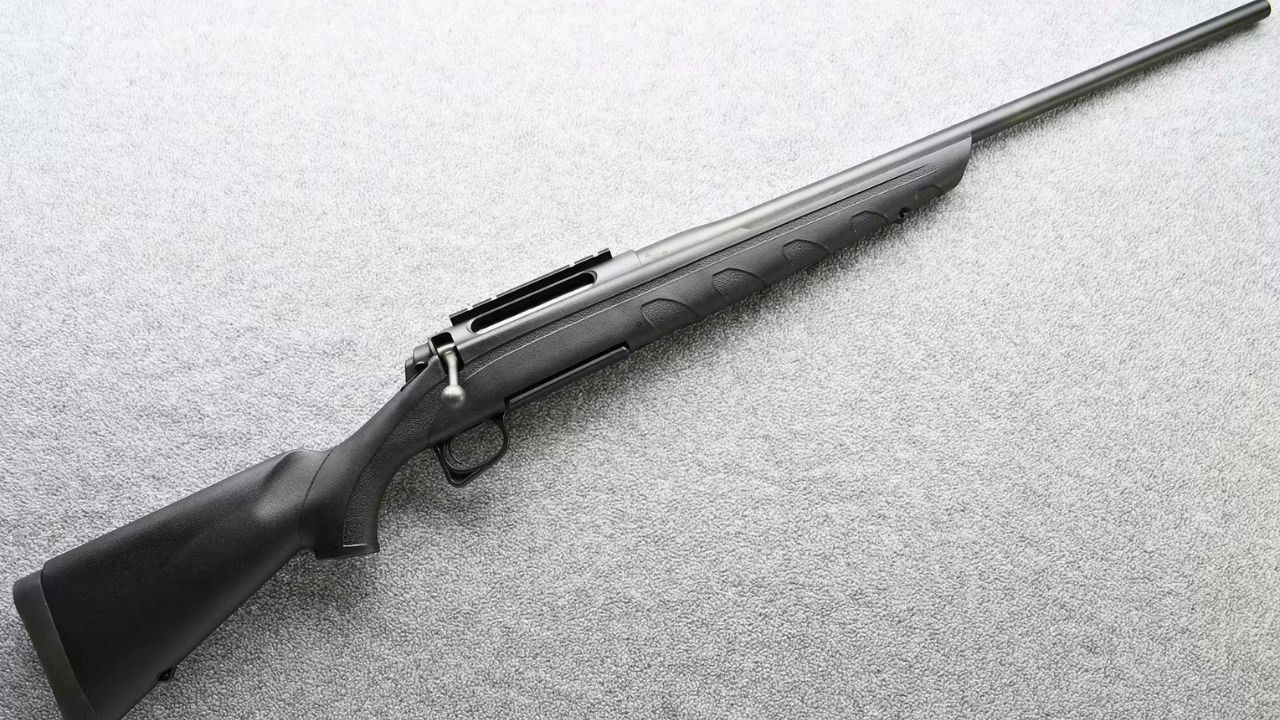
The Youth variant of the 770 shared all the same issues as the standard version—only smaller. The short stock exaggerates trigger pull issues, the bolt is stiff, and accuracy feels more like luck than skill.
These rifles were meant to introduce new hunters to the sport, but too often, they did the opposite. When every shot lands differently, frustration replaces confidence. Young shooters deserve better than a gun that teaches them to doubt their hold instead of trust it.
Ruger M77 Ultralight

The Ruger M77 Ultralight looked great on paper—a lightweight mountain rifle with classic lines. But the pencil-thin barrel and light frame make it one of the hardest rifles to shoot well from the bench. Even the slightest variation in hold or pressure sends shots walking.
The recoil feels sharper than it should, and follow-up shots rarely land near the first. In the field, it’s serviceable for quick hunting shots, but for tight groups, it’s a challenge. It’s not a bad rifle—just one that demands more precision from you than it gives back.
Winchester Model 670

The Model 670 was the “budget” Winchester of its day, and it shows. The rough action, inconsistent bedding, and average trigger make it tough to shoot consistently. The barrel quality varied, and stock fitment often left pressure points that killed accuracy.
Some rifles shoot acceptably, but most wander as the barrel heats or the rest changes. The bones of a good rifle are there, but without proper fit and finish, it never lives up to the Winchester name. It’s a reminder that good design needs good execution—or it ends up ruining your confidence before the hunt starts.
Mossberg Patriot Bantam

The Patriot Bantam aimed to give youth hunters a light, manageable rifle, but the tradeoff came in stability. The stock is so light that it exaggerates recoil, and the barrel heats up fast, shifting impact after just a few shots.
The trigger is decent, but the overall balance makes steady shooting tough. You can hit paper fine—but at the line, consistency vanishes. It’s a rifle that needs tuning, better bedding, and heavier stock weight to live up to its promise. Lightweight is good for the hike, but not for precision.
Like The Avid Outdoorsman’s content? Be sure to follow us.
Here’s more from us:
The worst deer rifles money can buy
Sidearms That Belong in the Safe — Not Your Belt
*This article was developed with AI-powered tools and has been carefully reviewed by our editors.