Photo credit: NRApubs/YouTube
When a rifle “punishes” you after three rounds, it’s rarely because it’s a bad rifle. It’s because it was built for a very specific job: carry light, shoot cold, kill clean, and go back on safe. That’s most hunting rifles, especially the modern mountain crowd. Thin barrels heat fast, light stocks flex more, and pencil contours can walk point of impact as temperature climbs. Add a suppressor or a hot day, and you’ll see it sooner. Even if the groups don’t open up, the mirage off the barrel can make your sight picture look like it’s floating.
If you like to confirm zero, shoot a few positions, or run a quick practice string before season, certain rifles will make you earn it. They’ll heat up, get whippy, start stringing shots, and remind you that “lightweight” always comes with tradeoffs. Here are 15 specific rifles that can feel great for the first couple rounds, then start demanding slower cadence and more discipline.
Christensen Arms Ridgeline FFT
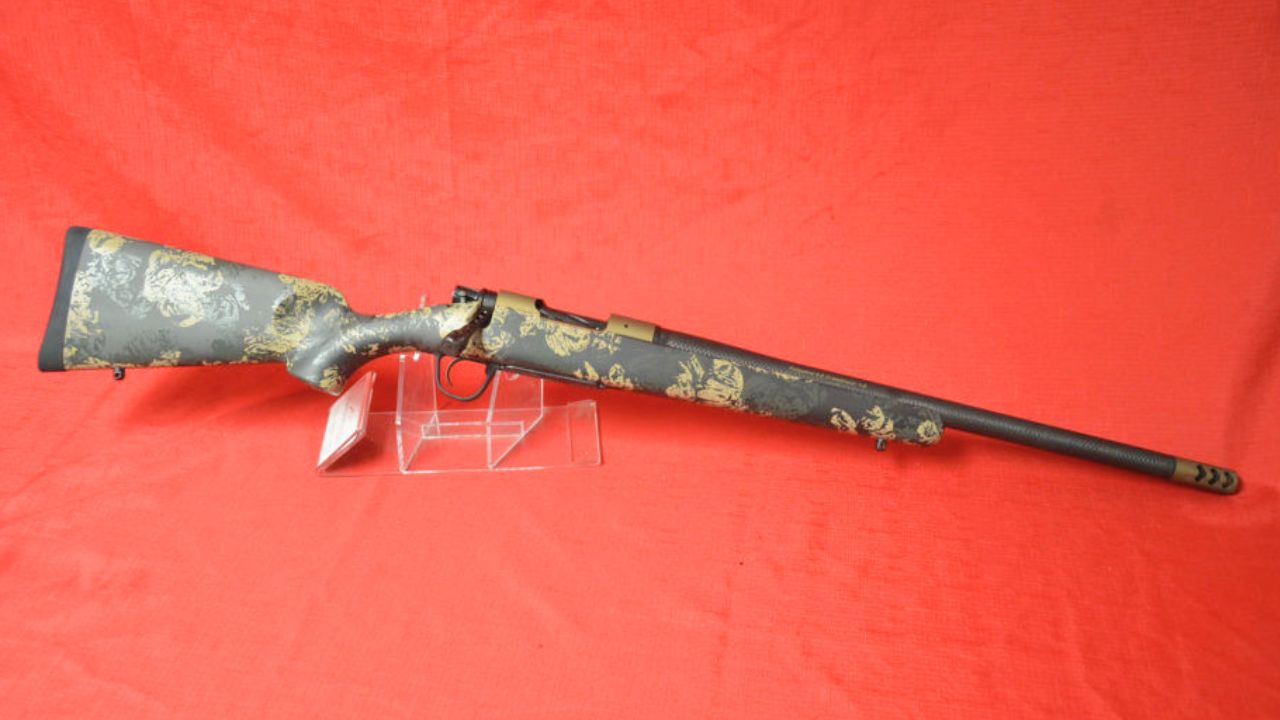
You buy a rifle like this because you’re tired of packing anchors up ridges. The Ridgeline FFT can deliver that “carry all day” feel, but the same weight savings shows up once you start sending rounds on a warm barrel. Thin, light barrels shed heat slower than you think, and they can shift enough to turn a tidy first group into a string.
You’ll notice it most when you’re trying to shoot at a steady rhythm. The recoil impulse is sharper in a light rifle, and that pushes you toward sloppy fundamentals if you’re not locked in. Slow down, let it cool, and it behaves. Treat it like a range rifle, and it’ll remind you it was built for the first cold shot.
Weatherby Mark V Backcountry Ti

The Backcountry Ti is built for the guy who counts ounces and miles. Titanium actions and lightweight barrels are great on your shoulder during a climb, but heat management isn’t part of the magic trick. After a few rounds, you can start seeing point-of-impact drift, especially with faster cartridges and thinner contours.
It’s also a rifle that can feel “lively” under recoil. That’s not a flaw, it’s physics. A hard-kicking chambering in a light package will magnify any inconsistency in your position and grip. If you shoot it like a hunting rifle—one deliberate round at a time—it shines. If you push strings, it pushes back.
Browning X-Bolt Mountain Pro

The X-Bolt Mountain Pro is a classic example of a rifle that’s built to hunt, not to live on a bench. Lightweight builds often pair a trim barrel with a stock designed to stay stiff without being heavy, and that combination can start acting different once the barrel temp climbs. A few rounds in, groups can widen or start walking in one direction.
You’ll also see more mirage off the barrel than you expect. That shimmer can mess with your sight picture, especially at distance, and it’ll make you blame the rifle when the real issue is what you’re seeing through the scope. Shoot slower, use a consistent rest, and you’ll keep it honest. Try to “run it,” and it gets cranky fast.
Kimber Mountain Ascent

Kimber’s Mountain Ascent rifles carry like a dream, and plenty of them shoot very well—cold. The pain shows up when you treat a featherweight mountain rifle like a range toy. Thin barrels heat quickly, and in rifles built this light, small changes in pressure from your rest or your hand can show up on target.
The other factor is how much the rifle moves under recoil. You don’t have the mass helping you stay planted, so your form has to do more work. After three rounds, your shoulder starts anticipating it, your grip changes, and your follow-through gets sloppy. The rifle didn’t suddenly get inaccurate. It’s forcing you to stay disciplined, and it doesn’t forgive rushed strings.
Winchester Model 70 Featherweight

The Model 70 Featherweight has been putting meat in freezers for generations, but it’s still a lightweight sporter at heart. That means a slimmer barrel profile, and slimmer barrels don’t love rapid strings. After a few rounds, you can see groups open up and the point of impact start to drift, especially if the forend pressure changes shot to shot.
It’s also a rifle that encourages you to carry it more than you shoot it. That’s the whole appeal. If you’re checking zero and confirming a hunting load, it’s excellent. If you’re trying to shoot like you’re working up a precision rifle, the Featherweight will make you slow down and let it cool. It rewards patience and good technique, not volume.
Tikka T3x Lite

The T3x Lite is popular for a reason: smooth action, practical accuracy, easy carry. The “punishment” comes from the same lightweight recipe that makes it so handy. That thin sporter barrel can heat up fast, and once it does, you may see vertical stringing or groups that slowly drift as the barrel temp climbs.
Because the rifle is light, it also makes recoil feel sharper than it would in a heavier setup. That can change how you load the bipod, how you grip the stock, and how cleanly you press the trigger. The Tikka isn’t fragile, and it’s not a bad shooter. It’s a hunting rifle that’s happiest with slow, deliberate shots and cooling time between groups.
Sako 85 Finnlight

The Finnlight is a refined carry rifle, and it feels like it. The balance is great, the action is smooth, and it’s easy to live with in rough country. The tradeoff is what happens when you start stacking rounds in quick order. A lightweight barrel and a trim hunting stock can start reacting to heat and pressure changes, and that shows up as groups that stop behaving like your first three shots.
This is also a rifle that tends to wear a nice optic, which means you’ll notice mirage and wobble more as the barrel warms. You can shoot it well all day if you pace yourself. If you try to hammer five-round strings and chase tiny clusters, you’ll spend more time confused than confident. It’s built to hunt, not to sprint.
Springfield Armory 2020 Waypoint

The Waypoint has the looks and features that make people expect “range rifle” behavior, but many setups are still pretty light for what they are. When you combine a light hunting build with a cartridge that runs hot, you can watch the rifle change personality as the barrel warms. The first group can be money, then the next group starts stringing.
The other piece is how you support it. A light rifle can be sensitive to bag placement and sling tension. If you’re inconsistent with your rest, the rifle will show it quicker than a heavier platform would. The Waypoint can be a strong hunting tool, but it’s not always the rifle you want for long strings without cool-down time and consistent support.
Howa 1500 Superlite

The Howa Superlite is a budget-friendly way into the lightweight world, and it carries like you want it to. That light barrel heats quickly, and the rifle will let you know when you’re pushing it. Three rounds can look great, then you start getting drift or stringing that feels random until you realize you’re watching heat and pressure changes in real time.
Because it’s a light rifle, recoil management becomes part of the accuracy equation. If you’re shooting a harder-kicking chambering, you’ll start altering your hold without noticing. That’s where the “punishment” feeling comes from. Slow your cadence, stay consistent on the bags, and it’ll behave far better. Rush it, and it turns into a lesson.
Ruger Hawkeye Ultralight

The Hawkeye Ultralight is built for carrying in steep country and thick cover, not for dumping rounds at paper. The light contour barrel can warm up fast, and once it does, it’s common to see groups open or drift. It’s not that the rifle can’t shoot—many do—but it demands a slower pace to keep results consistent.
Rugged hunting rifles also tend to get shot in field positions, and this one will show you every flaw in your position once recoil starts stacking up. If you’re shooting off a pack or a lightweight rest, small changes in pressure can move your group. Treat it like a cold-shot tool, and it makes sense. Try to run strings, and you’ll fight it.
Remington Model Seven

The Model Seven is a compact classic that a lot of hunters still trust, especially in thick woods and tight blinds. The short, light profile is handy, but it can also be quick to heat. After a few rounds, you may see the rifle start to string shots, especially if you’re resting the forend in slightly different spots each time.
This is also a rifle that often gets scoped light and carried hard. That’s a good thing in the field, but it can lead to more wobble and more flinch when you try to shoot longer strings at the bench. The rifle isn’t built to soak recoil and stay dead-still. It’s built to come up fast, fire a clean shot, and get back on safe.
CZ 600 Alpha

The CZ 600 Alpha is practical, modern, and priced in a way that makes it easy to justify as a do-everything hunting rifle. A lot of them shoot very well for the first couple rounds. The reality is that a hunting-weight barrel can shift as it warms, and when you start sending strings, you may see the group pattern change in a way that feels like the rifle is “walking.”
The other factor is consistency in how you shoot it. The Alpha is not a heavy precision rig, so it won’t mask bag placement errors or inconsistent shoulder pressure. If you’re steady and you pace your shots, it can be a very solid performer. If you’re trying to shoot five-round groups quickly, it may start making you chase an explanation that comes down to heat and support.
Seekins Havak Element

The Havak Element is built for hunters who want premium feel without hauling extra weight. That lightweight design is a gift in the mountains, and it can still shoot, but it’s not immune to the laws of heat. When you push it with quick strings, the barrel warms, mirage kicks in, and your point of impact can start to drift enough to make you second-guess your setup.
Because it’s so light, it also magnifies shooter input. Your follow-through, your cheek pressure, and how you load the rifle matter more than they would on a heavier platform. The Element tends to reward the guy who shoots like he hunts: one clean shot, reset, and repeat after a pause. Shoot it like a match rifle, and it starts acting like you’re asking it to be something else.
Bergara B-14 Wilderness Ridge
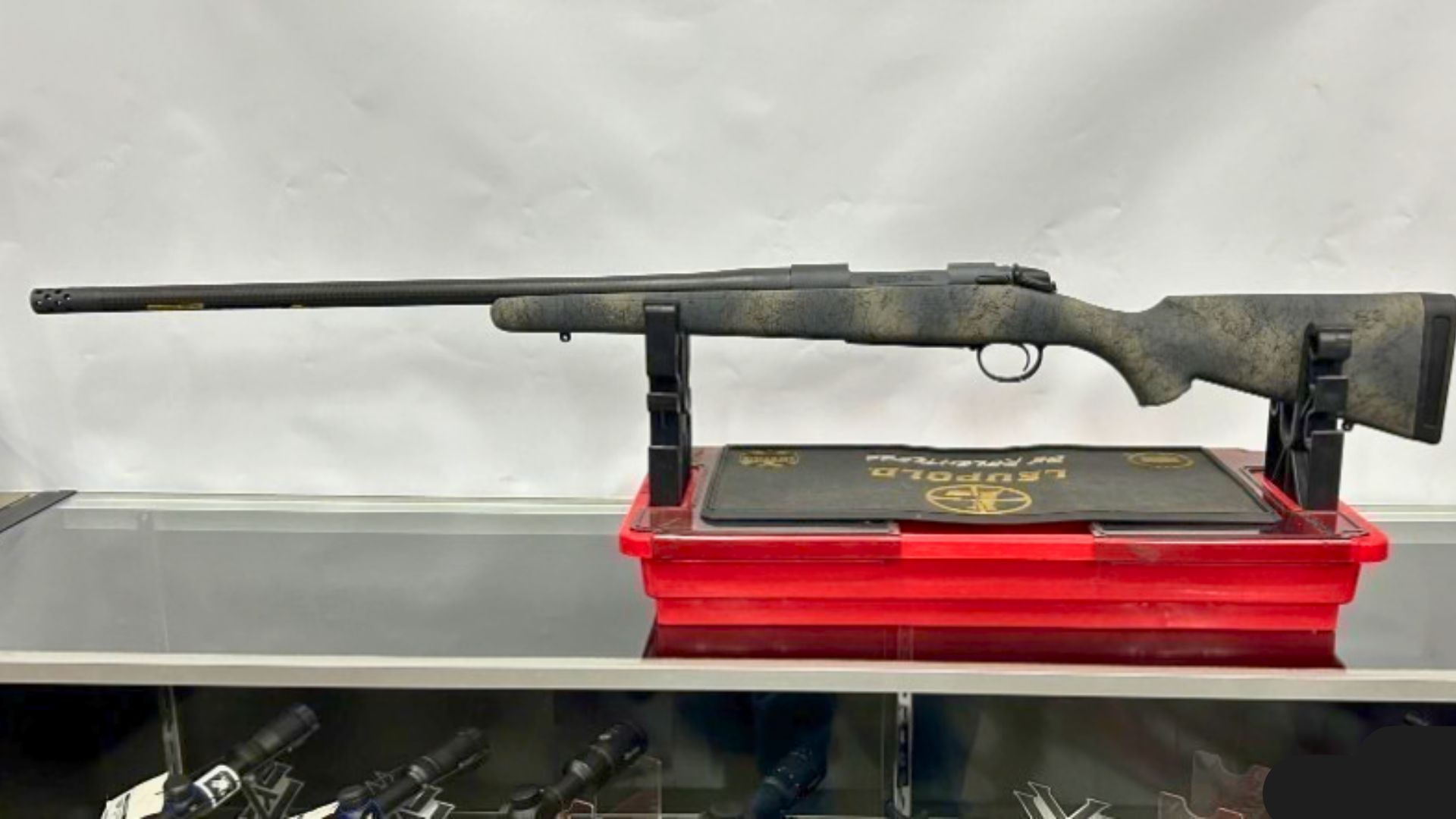
The Wilderness Ridge gives you a rugged, field-ready rifle that many hunters can afford, and it often shoots very well. The “punishment” here is more about expectations and pace than a specific flaw. It’s still a hunting-weight barrel and a hunting-oriented stock. If you start pounding rounds through it, you can get heat-related shift and groups that stop looking like your first three shots.
The rifle will also show you how consistent your support really is. A slightly different bag position, a different amount of shoulder pressure, or a different grip can move the group. That’s normal for hunting rifles. Slow down, let the barrel cool between strings, and it’ll stay predictable. Treat it like a high-volume range rig, and it’ll make you work harder for the same results.
Fierce Carbon Rogue

A carbon-barreled, lightweight rifle sounds like the answer to everything until you start shooting strings. Carbon can help with stiffness and weight, but it doesn’t erase heat. After a few rounds, the system still warms, mirage still shows up, and your point of impact can still shift enough to make groups look like they’re “walking.”
The other issue is recoil management. Light rifles in serious hunting chamberings can beat you up fast, and you’ll start changing your form without realizing it. That’s when the rifle starts “punishing” you, because it refuses to hide your mistakes. If you pace your shots and keep your fundamentals tight, it can shoot very well. If you rush, the combination of heat and shooter input stacks up in a hurry.
Savage 110 High Country

The 110 High Country is built to hunt hard and live in rough weather, and plenty of them shoot well with the right load. The reason it can punish longer strings is that it’s still a hunting rifle with a hunting barrel profile. Heat builds, the sight picture starts to shimmer, and groups can open up if you keep shooting without breaks.
The 110 platform also tends to get used by hunters who like to tinker, which can lead to mismatched expectations. If you’re chasing tiny groups and shooting fast to “test” the rifle, you can talk yourself into thinking something is wrong when you’re watching heat and consistency issues. Shoot three, cool, repeat, and you’ll get a more honest read. Push it hard, and it turns into a patience drill.
Like The Avid Outdoorsman’s content? Subscribe to our newsletter so you never miss an article.
Here’s more from us: