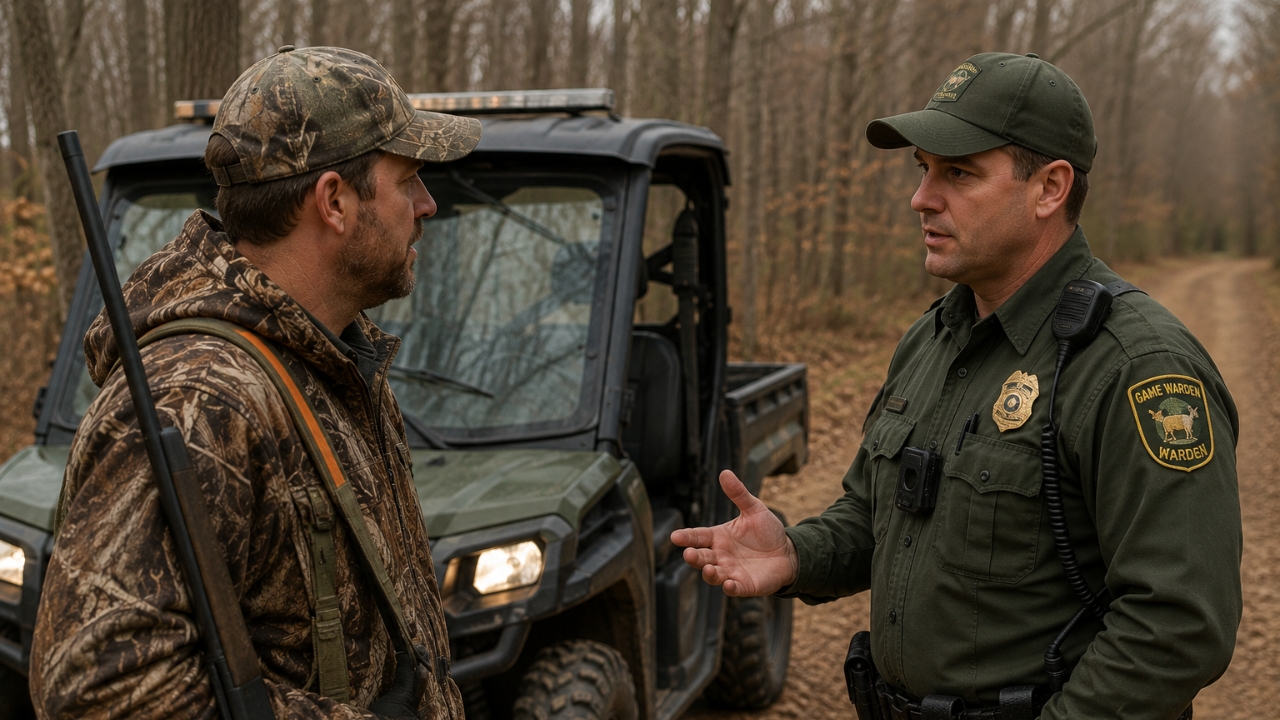
Photo credit: The Avid Outdoorsman
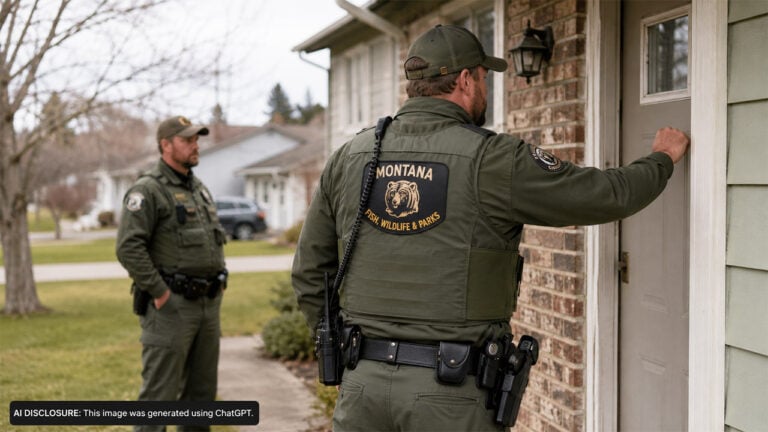
The hunter said the question was about game wardens and the Fourth Amendment, which is the kind of topic that always brings strong opinions. According to the Reddit post, he wanted to know how much authority game wardens have when they are checking hunters in the field.
The original Reddit post can be found here: https://www.reddit.com/r/legaladvice/comments/v1bq3q/game_wardens_and_the_4th_amendment/
That is a question a lot of hunters wonder about, even if they never ask it out loud. Most people understand that police generally need a warrant, consent, probable cause, or some other legal basis to search private property, vehicles, coolers, bags, or containers. But hunting is not the same as sitting at home minding your business.
When someone chooses to hunt or fish, they are stepping into a regulated activity. Licenses, tags, limits, seasons, methods of take, harvest reporting, weapon restrictions, bait rules, and possession limits all come with the privilege. Game wardens are the ones tasked with enforcing those rules in the places where violations actually happen.
That means a field check can feel more intrusive than an ordinary conversation. A warden may ask to see a license, tags, harvested game, a cooler, a firearm, ammunition, fish in a livewell, or birds in a vest. To a hunter, that can feel like a search. To a wildlife officer, it may be a routine compliance check tied directly to the activity being regulated.
The hunter wanted to know where the line was. Could a warden inspect a backpack? Could they look in a vehicle? Could they check a freezer at home? Could they walk onto private land? Could they demand to see harvested animals without a warrant?
Those questions do not always have one clean answer because state laws vary. Some states give wildlife officers broad inspection authority for game, fish, licenses, weapons used for hunting, and places where harvested animals are being stored. Other searches may still require consent, probable cause, a warrant, or a recognized exception.
The practical lesson is that arguing constitutional law in the woods is usually not the best move. If a warden is conducting a license or harvest check, refusing, escalating, or physically blocking the inspection can turn a routine contact into a separate problem. If the hunter believes the warden went too far, the smarter fight is usually later, with an attorney, not beside a truck or deer stand.
That does not mean hunters have no rights. It means hunting laws create a different enforcement setting than many people expect. The better approach is to know the state rules before the season, keep licenses and tags ready, keep harvested game properly marked, and understand what a warden can ask to inspect.
Commenters told the hunter that game wardens often have broader authority than regular officers in the hunting and fishing context. Several said that because hunting and fishing are heavily regulated activities, wardens can usually conduct compliance checks that would surprise people outside that setting.
Others pointed out that authority still has limits. A warden checking a license, tag, firearm, cooler, or harvested animal is not automatically the same as searching every private area of a home or vehicle for unrelated evidence.
Some commenters said the exact answer depends heavily on state law. A hunter in one state may be subject to different inspection rules than a hunter in another, so reading the local regulations matters more than relying on internet arguments.
A few people warned against turning a field check into a confrontation. If a hunter believes a warden violated his rights, he can document the encounter, get the officer’s name, and speak with an attorney afterward. Refusing in the moment can create citations or charges that may be harder to unwind.
The post ended with a reminder that hunting is not an unregulated walk in the woods. Once licenses, tags, firearms, fish, and game animals are involved, wardens have a job to do. Hunters still have rights, but they also need to understand that field checks work differently than many people assume.
Like The Avid Outdoorsman’s content? Subscribe to our newsletter so you never miss an article.
Here’s more from us: