Photo credit: The Avid Outdoorsman
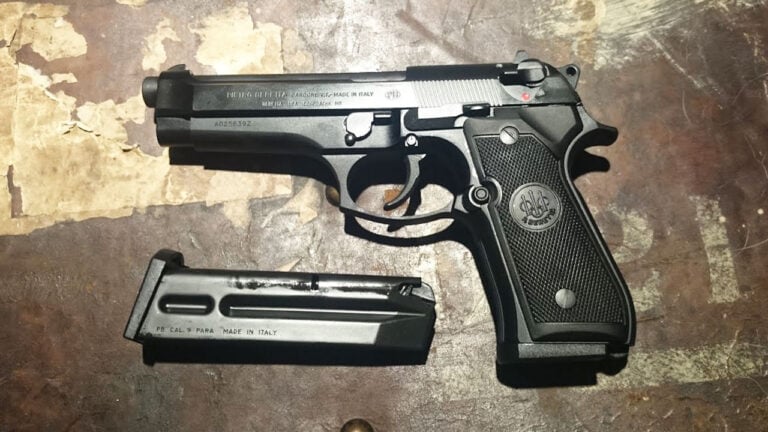
The man said the handgun came to him as a gift, but the phrase that worried him was “unregistered.” According to the Reddit post, he had been given a firearm in Missouri and wanted to know whether keeping it could create a legal problem.
The original Reddit post can be found here: https://www.reddit.com/r/legaladvice/comments/1m5lr9r/i_was_gifted_an_unregistered_firearm_in_missouri/
That is a common point of confusion with guns. People hear “unregistered firearm” and assume something is automatically illegal. In some states, registration matters a lot. In other states, there may not be a general handgun registration system at all. The word can sound scarier than the actual law, but that does not mean the receiver should ignore the transfer rules.
The man’s concern was still smart. A firearm gift is not the same as being handed a fishing rod or a pocketknife. Even when no money changes hands, the person receiving the gun needs to make sure they can legally possess it, that the giver was allowed to transfer it, and that no state or federal rule was skipped.
Missouri may not treat private handgun ownership the same way a stricter state would, but the big questions still matter. Is the receiver legally allowed to own a firearm? Is the giver legally allowed to possess and transfer it? Did the gun cross state lines? Is the handgun stolen? Is it connected to any old police report or ownership dispute?
That last part matters because a gun can be “unregistered” and still perfectly legal, but a stolen gun is different. A gifted firearm with no paperwork may leave the new owner with no easy proof of where it came from if the serial number ever gets checked. That can become a problem during a later sale, traffic stop, theft report, or investigation.
The safest approach would be to create a paper trail, even if the state does not require formal registration. A bill of sale or gift letter listing the make, model, caliber, serial number, date, and names of both parties can help show how the gun changed hands. If the receiver is uncertain about the gun’s history, a licensed dealer or local attorney can help explain what steps make sense.
The post was not about someone trying to dodge the law. It was about someone realizing that accepting a handgun comes with responsibility. A gift may be free, but the legal side still belongs to the person who keeps it.
Commenters explained that “unregistered” does not always mean illegal, especially in states that do not have a general firearm registration system. Several said the receiver needed to look at Missouri’s actual rules rather than assume the gun had to be registered somewhere.
Others focused on whether the transfer was legal. If both people were Missouri residents and both could legally possess firearms, the answer may be different than if the gun crossed state lines or involved someone prohibited from ownership.
Some commenters suggested documenting the gift. A written record with the firearm’s serial number and the date of transfer could help protect the receiver later if anyone questioned how he got the handgun.
A few people warned him not to keep the gun if he had reason to believe it was stolen or improperly transferred. The lack of registration may not be the issue, but the gun’s history still matters.
The post ended with the man asking the right question before treating the pistol like any other gift. A handgun can be legal without being registered, but the person accepting it still needs to know where it came from, whether the transfer was lawful, and whether he can prove that later if needed.
Like The Avid Outdoorsman’s content? Subscribe to our newsletter so you never miss an article.
Here’s more from us: