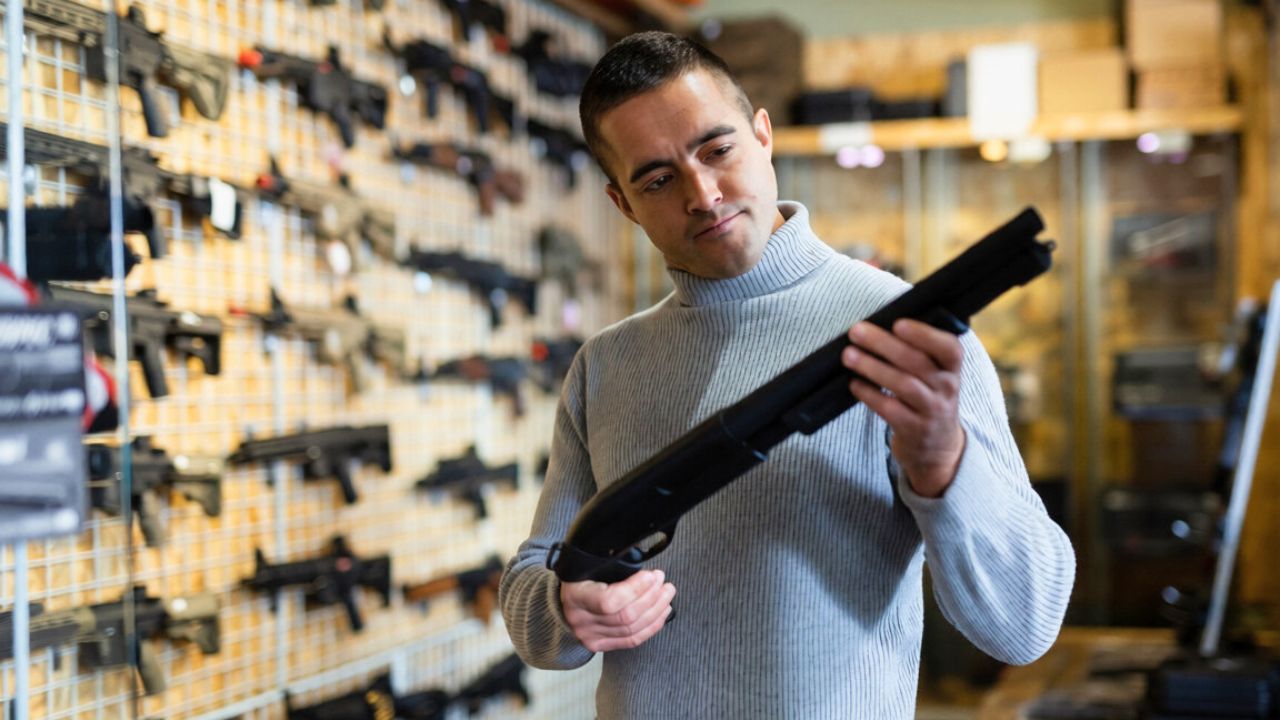
Photo credit: BearFotos/Shutterstock.com
A recognizable name can do a lot of work on a gun counter. Some brands carry so much reputation that you start assuming the decision is already half-made before the shotgun even touches your shoulder. That’s more or less what happened to me. I bought a shotgun because the name meant something, because I had heard it for years, because other people trusted it, and because it felt easier to believe that good branding and a solid reputation would naturally equal a good fit. What I didn’t pay enough attention to was how the gun actually mounted for me, how the stock met my face, and how naturally I could look down the rib without having to make little corrections. I bought the name first and assumed the fit would work itself out later.
That is not how shotguns work, and I learned that a lot slower than I should have. Unlike rifles, where optics and supports can help smooth over some fit issues, shotguns are brutally honest about how they come up on your shoulder and how your eye lines up when the gun mounts. If the fit is off, you tend to feel it immediately, even if you don’t yet have the experience to explain exactly what’s wrong. That was my situation. The shotgun wasn’t junk. It had a respected name on the receiver, a decent finish, and all the credibility I thought I was buying. But the more I used it, the more obvious it became that a well-known brand doesn’t mean much if the gun doesn’t come up right for your body.
Shotgun fit shows up in misses people love to blame on themselves
The frustrating thing about poor shotgun fit is that it often masquerades as a skill problem. You miss a bird, get behind a target, shoot over something you thought you read correctly, and your first instinct is to blame your timing, your lead, or your nerves. Sometimes that blame is fair. But if the gun doesn’t fit, your eye position and mount consistency are working against you before the shot even breaks. That’s what I started running into. The shotgun never felt quite natural when I mounted it, and I had to work harder than I should have to settle into the sight picture. At first I just assumed I needed more rounds through it. The truth was that I was trying to train around a fit issue I should have noticed before I bought the thing.
A shotgun should come up in a way that feels almost automatic. Your eye should land where it needs to without conscious effort, and the stock should meet your face in a repeatable way every time. Mine didn’t. The comb height wasn’t working for me the way I wanted, and the overall stock dimensions never really let the gun feel like an extension of my movement. That doesn’t always show up on a gun counter when you shoulder it once or twice with no pressure. It shows up later, when targets are moving, the pace is faster, and the awkward little mismatch between you and the gun starts turning into missed opportunities.
Reputation can’t make an awkward gun feel right
What made the whole thing more annoying was that I kept giving the shotgun extra chances because of the name on it. If it had been some random off-brand gun, I probably would have admitted the problem sooner. But brand reputation has a way of buying patience from the buyer. You assume the fault must be yours because too many other people speak highly of the gun for it to be the issue. That’s a dangerous way to think, especially with shotguns, because fit is so individual. A shotgun can be excellent by every general standard and still be wrong for you. That doesn’t make the gun bad. It just means your body doesn’t care what the marketing says.
Once I finally spent time with shotguns that fit me better, the difference felt almost rude. The mount was cleaner, the eye alignment was quicker, and the whole gun felt more cooperative instead of something I was managing. That was when I really understood how much I had let brand reputation override practical evaluation. I bought the shotgun for the name and assumed that was smart buying. In reality, I had let reputation distract me from one of the few things that mattered most. A shotgun that doesn’t fit will keep reminding you of that every time you use it, no matter how respected the name on the receiver might be.
The right shotgun feels right before the first box is gone
What I take from that purchase now is pretty simple. With shotguns, fit needs to come before loyalty to a brand, before popularity, and before whatever story you’ve built in your head about owning a certain name. The gun has to work with your build, your mount, and the way your eye naturally wants to line up. If it doesn’t, you can spend a long time trying to force chemistry that was never there. That doesn’t mean you can’t adjust or adapt to some degree, but there’s a big difference between a gun that needs a little tuning and one that never really feels at home in your hands. I should have figured out which one I had a lot sooner.
I still respect good shotgun makers, and I still think reputation matters up to a point. But now I treat reputation as a starting point instead of a verdict. A big name can tell me a company has a history. It cannot tell me whether a shotgun fits my shoulder, my face, or my style of shooting. Only actual use can tell me that. I bought that shotgun for the name and not the way it fit me, and it taught me one of the more expensive lessons in gun buying: a respected brand can get a gun into your hands, but only proper fit will make you want to keep it there.
Like The Avid Outdoorsman’s content? Subscribe to our newsletter so you never miss an article.
Here’s more from us: