Photo credit: Natalia Bohren/Shutterstock.com
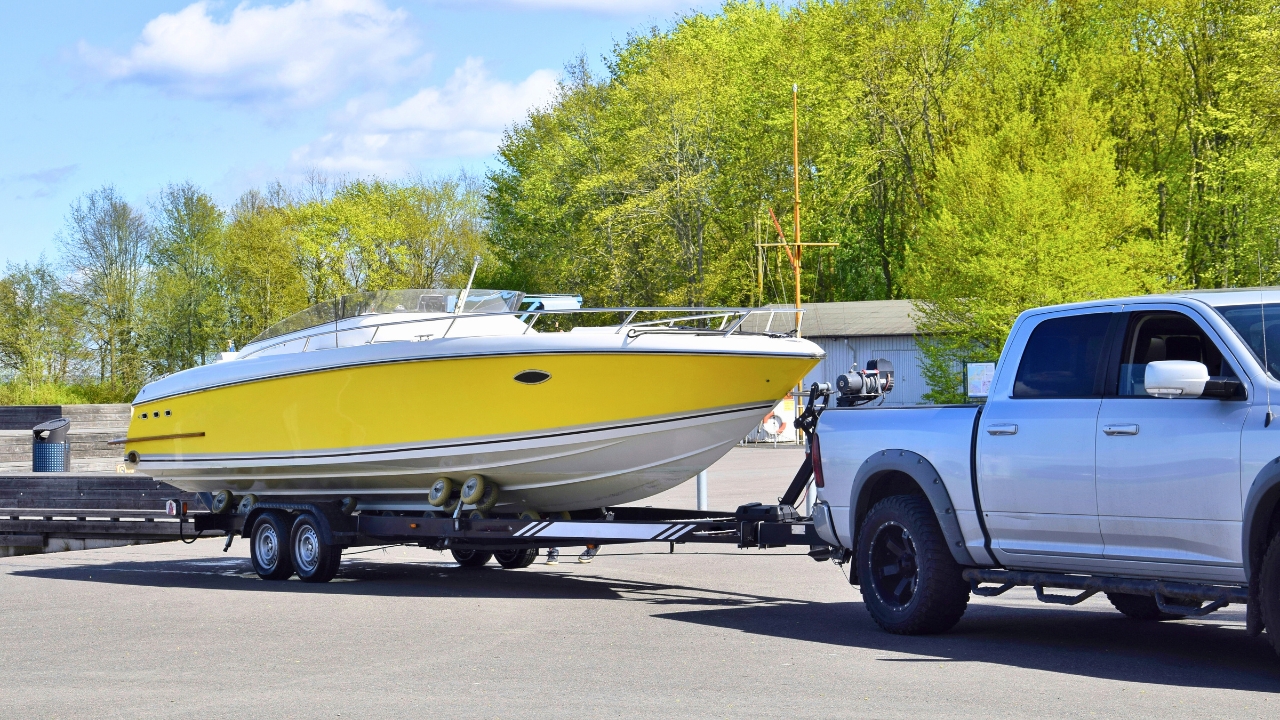
I’ve done enough truck-and-trailer work in my life to know that confidence and actual skill are not always the same thing, but that didn’t stop me from acting like I had the whole thing handled the day I pulled into a crowded boat ramp and told everybody I knew how to back the trailer up. In my head, it was simple. I’d ease it back, drop the boat in, and get on with the day like I’d done it a hundred times. What actually happened was the kind of slow-motion mess that makes a man wish he could put his truck in drive and leave the county. The trailer jackknifed, I overcorrected, blocked the lane, and had half a dozen people watching me fumble around while trying to pretend I was still in control. It was one of those moments where you can feel every eye on you, and the worst part was knowing I’d brought it on myself by opening my mouth too soon.
The ramp has a way of exposing you fast
A boat ramp is not the place to fake experience. It is one of those spots where people around you can tell within seconds if you’ve done this before or if you’re just hoping confidence will cover the gap. You do not have much room, there is usually water on one side, impatient people on the other, and just enough pressure to make your brain quit doing simple things. I learned real quick that backing a trailer in an empty lot is one thing, but backing one down a wet, sloped ramp with trucks lined up behind you is a different deal entirely. The angle feels different, the mirrors lie to you when you get flustered, and every correction seems to make things worse once you start reacting instead of thinking. I got stuck in that cycle right away, turning too much, waiting too long to straighten out, then cranking the wheel again like more steering would somehow save me.
My biggest mistake happened before I ever hit reverse
What embarrassed me at the ramp started long before my tires got near the water. The real mistake was showing up underprepared and overconfident. I had not spent enough time practicing in a big empty parking lot. I had not really thought through where I needed the trailer to go, how the truck would respond, or how quickly little mistakes get bigger when you’re backing up. On top of that, I’d let my pride get ahead of me. Instead of taking a second, looking at the ramp, and giving myself a plan, I acted like I needed to prove something. That usually ends badly in the outdoors, around equipment, and especially around anything with a trailer hooked to it. The guys who make this look easy are usually the guys who have spent enough time getting it wrong in private that they do not have to get it wrong in public anymore. I had skipped too much of that part and paid for it in front of an audience.
The fix was smaller than the embarrassment
What finally got me straightened out was not some magic trick. It was slowing down enough to remember the basics. I pulled forward, reset, took a breath, and stopped trying to rush through it. I started using small steering inputs instead of yanking the wheel around. I watched the trailer, not just the truck. I reminded myself that if the trailer starts going one way, the correction does not need to be huge to bring it back. Once I quit fighting it, the whole thing settled down. It still was not pretty, but it was at least functional. Since then, I’ve become a big believer in practicing where nobody is waiting on you. An empty school or church parking lot on an off day will teach you more than all the confident talk in the world. If a man wants to get better with a trailer, that is where he needs to swallow his pride and start.
Good gear helps, but humility matters more
I do think some gear makes life easier. Big tow mirrors, a decent backup camera, and a trailer that is set up right can take some stress out of the process. Even something as simple as wheel chocks and a solid pair of waterproof boots can keep a small mess from turning into a bigger one at the ramp. Bass Pro’s White River rubber boots are the kind of thing I appreciate more the older I get, because standing in cold ramp water with the wrong footwear gets old fast. But none of that stuff replaces knowing what you are doing. A man can own a nice truck, a clean rig, and every towing accessory on the shelf, then still look helpless if he has not put in the reps. Backing a trailer is one of those outdoor skills that does not care how confident you sound. It only responds to practice, patience, and the willingness to stop pretending you’re better than you are.
I don’t talk nearly as big at the ramp anymore
That day at the ramp did me some good, even though I hated every second of it while it was happening. It reminded me that a lot of embarrassment in the outdoors comes from trying to protect your ego instead of paying attention to the job in front of you. Now, if I haven’t backed a trailer in a while, I’m not too proud to say I need a second. I’m not above taking the wider angle, pulling up to reset, or asking somebody to spot me if the setup is bad. Most experienced people would rather see that than watch a man tear up a fender, block the ramp, or send a trailer sideways into a bad situation. The truth is, I didn’t embarrass myself because backing a trailer is impossible. I embarrassed myself because I acted like I had nothing left to learn. That’ll get a man humbled in a hurry, and a crowded ramp is more than happy to do the job.
Like The Avid Outdoorsman’s content? Subscribe to our newsletter so you never miss an article.
Here’s more from us: