Photo credit: WHO_TEE_WHO/YouTube
A rifle caliber can look steady on paper right up until a crosswind shows up and starts moving your bullet more than you expected. That is where a lot of good hunting rounds get humbled. Plenty of cartridges have killed a mountain of game and earned loyal followings for a reason, but trust in calm conditions is not the same thing as confidence when the wind is cutting across a draw, sweeping a bean field, or rolling over a ridge. If you have hunted long enough, you have seen that difference.
Wind does not care how popular a cartridge is. It cares about bullet shape, velocity, sectional density, and how well you read conditions before you break the shot. Some rifle calibers still work fine inside their real-world range, but they become less forgiving once the air starts pushing back. These are the hunting rounds shooters often trust until the wind reminds you that field performance gets a lot harder when conditions stop cooperating.
.30-30 Winchester

The .30-30 Winchester has earned its reputation the honest way. It has filled deer camps for generations, especially in woods country where shots stay close and quick handling matters more than long-range bragging rights. In those conditions, it is easy to trust. The cartridge hits hard enough for its intended role, rifles chambered for it carry well, and a lot of hunters have a lifetime of confidence tied to it.
That confidence can stretch too far once the wind starts working on you in open country. Traditional .30-30 loads tend to use blunt or flat-point bullets, and those shapes are not known for slicing through wind cleanly. At modest ranges, none of that matters much. Push the distance, though, and the bullet starts showing its limits. It is still a strong woods cartridge, but it asks for discipline once the shot gets longer and the air gets restless.
.35 Remington

The .35 Remington is one of those old-school hunting rounds that feels steady and dependable because it usually is, inside the job it was built for. In timber, brush, and broken cover, it carries real authority. It throws a heavier bullet, hits with a solid feel on game, and has long been respected by hunters who care more about clean kills at practical ranges than flat trajectories on paper.
Where it becomes less comfortable is the same place many classic woods rounds do: open ground with wind moving across the shot. The .35 Remington was never designed to be a sleek long-range performer. Its heavier, wider bullets do good work up close, but they are not built to ignore a crosswind. If you try stretching it beyond the distances where it shines, wind drift becomes harder to manage than many hunters want to admit. It still works well, but only when you keep it in its lane.
.45-70 Government
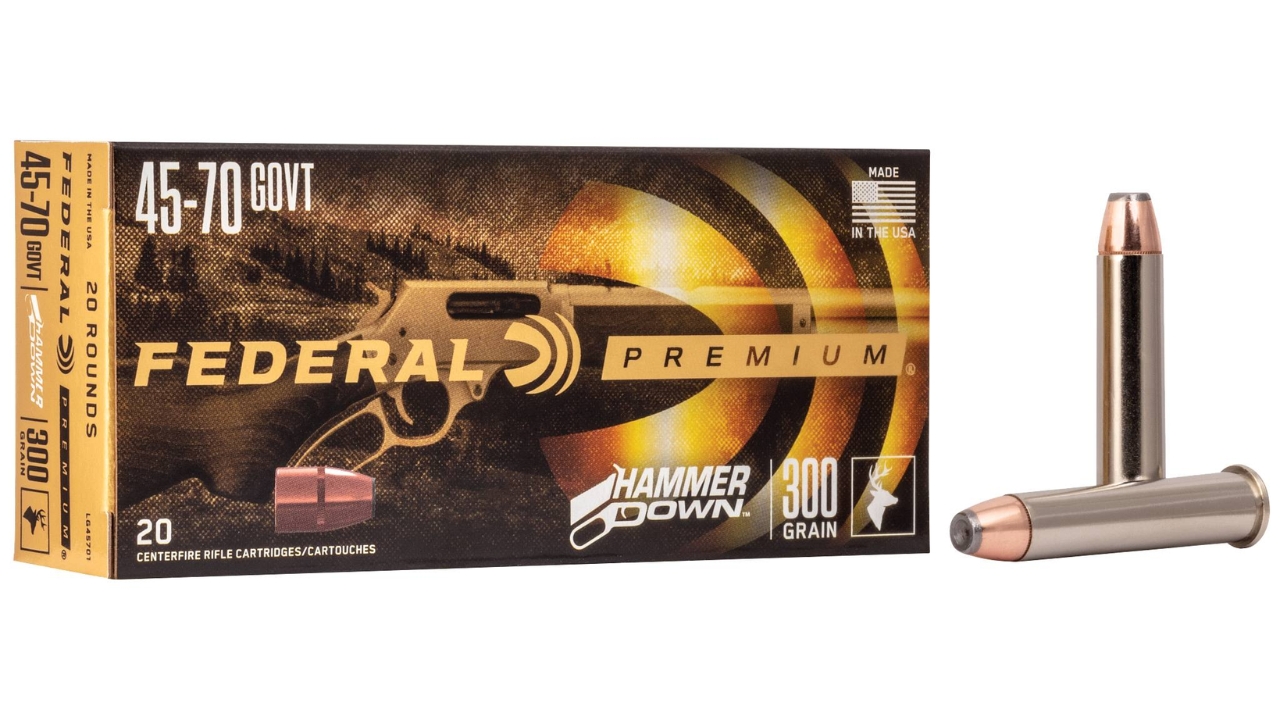
The .45-70 Government is easy to trust because it hits with unmistakable authority. On large game at sane hunting distances, it has a long history of doing serious work. It carries heavy bullets, punches deep, and gives you the kind of impact that builds confidence fast. In thick cover, in dark timber, or where shots stay close, it can feel like one of the most reassuring cartridges you could carry.
That same heavy-bullet reputation can fool hunters into expecting too much once the wind opens up. Yes, the projectile is heavy, but many common .45-70 loads are not especially fast, and a lot of them use bullet shapes that do not fight wind well. The result is a cartridge that can move more than people expect when range increases. It is not that the .45-70 stops being effective. It is that wind quickly exposes that it was built for authority at moderate distance, not forgiveness across open country.
.44 Magnum

The .44 Magnum in a rifle can feel more capable than people expect. Out of a carbine-length barrel, you gain velocity over handgun performance, and that can make it a very effective deer or hog cartridge at close range. It carries hard-hitting energy, works well in handy rifles, and feels like a strong choice when you are hunting thick cover, short lanes, or places where shots happen fast and inside modest distance.
That confidence starts thinning out when the wind and distance both increase. The .44 Magnum was never built to be a flat, forgiving rifle round. Even from a carbine, it is still launching a relatively blunt handgun bullet compared with purpose-built rifle cartridges. Once the range stretches, the arc increases and wind begins moving that bullet more than many hunters expect. It can still do the job where it belongs, but it becomes a much less comfortable choice once the conditions stop favoring short-range work.
.357 Magnum

The .357 Magnum in a lever gun has fooled more than a few hunters into thinking they found a small, light, easy-handling rifle that can do everything. And to be fair, it does more than many people first assume. Out of a rifle barrel, the cartridge gains useful speed, and within close range it can be effective on deer-sized game with proper loads and disciplined shot placement. It is handy, pleasant to carry, and easy to like.
Where it starts to feel less certain is when hunters forget they are still dealing with a handgun-based cartridge. The bullet shapes and velocities involved do not leave much room for error once wind enters the picture. Crosswinds can push it around more than many expect, especially as distance increases beyond what the cartridge handles best. The .357 rifle is a fine short-range tool, but it loses its easy confidence fast when the shot is farther and the air refuses to sit still.
.243 Winchester

The .243 Winchester is trusted for good reason. It shoots flat, recoils lightly, and has helped generations of hunters kill deer and varmints cleanly. It is easy to shoot well, and that matters more in real hunting than raw cartridge talk. A lot of hunters build real confidence around the .243 because it gives them practical accuracy without punishment, and in calm conditions, it can feel like a very forgiving round.
The catch comes when hunters assume flat trajectory means strong wind resistance. Those are not the same thing. Many .243 hunting loads use lighter bullets, and lighter bullets can start giving up ground when the wind picks up. The cartridge can still do fine if you choose bullets wisely and read conditions well, but it is not as forgiving as some larger-caliber options once the wind starts leaning on the shot. It remains useful, but it demands better judgment than calm-weather confidence can make you believe.
.25-06 Remington

The .25-06 Remington has long had a reputation for speed, and that speed earns trust fast. It shoots flat, handles deer-sized game well, and doubles as a strong crossover round for hunters who want one rifle for varmints and medium game. In open country, that flat trajectory can make it feel like a very comfortable tool. When the weather is calm, it gives you the kind of easy hold that builds confidence in a hurry.
But a flat-shooting cartridge is not automatically a strong wind cartridge. That is where the .25-06 can surprise hunters who rely too much on speed alone. Many loads use lighter-for-caliber bullets, and those bullets can drift more than some shooters expect once the wind begins to push across the shot. It is still a very capable hunting round, but it is less forgiving than its flat-shooting image suggests. In wind, bullet choice and range discipline matter more than the cartridge’s reputation sometimes lets on.
.257 Roberts

The .257 Roberts has always had a loyal following among hunters who appreciate mild recoil and efficient field performance. It is a well-balanced cartridge that can handle deer cleanly with good bullets and sane distances. Shooters who know it tend to trust it because it does not waste motion. It is easy to carry, easy to shoot, and in calm conditions it offers the kind of practical, controlled performance that builds long-term respect.
Its weakness is not power so much as how it handles once the wind becomes part of the problem. Like other quarter-bore cartridges, it often works with relatively light bullets compared with larger hunting rounds. That can make wind drift more noticeable than a lot of hunters want when shots stretch across open ground. The Roberts still does its job well, but it asks you to stay honest about range and conditions. It is a smart cartridge, though not the one you want to overestimate in bad wind.
6.5 Creedmoor

The 6.5 Creedmoor gets talked about like it solves everything, and that can create its own kind of trouble. It is a very capable hunting and target cartridge. It shoots flat enough, handles recoil well, and benefits from efficient bullet shapes that do help in the wind compared with many older, lighter-bullet rounds. That is exactly why so many hunters trust it in open country and feel good stretching it farther than they might with traditional deer cartridges.
The problem comes when trust turns into laziness. The 6.5 Creedmoor is better in wind than many mild-recoiling rounds, but it is not immune to bad calls. A gusting crosswind, uncertain range, and a rushed hold can still move the bullet enough to create a miss or a poor hit. Its reputation sometimes makes hunters act like wind matters less than it does. The cartridge helps, no doubt, but it does not replace judgment. Wind still punishes sloppy decisions, even with a modern favorite.
.308 Winchester

The .308 Winchester has built one of the strongest reputations in the hunting world because it keeps working across a wide range of rifles, loads, and game. It is accurate, practical, and easy to find almost anywhere. With the right bullets, it handles deer, hogs, elk, and a lot more. That kind of broad usefulness makes it a cartridge hunters trust easily, especially because it rarely feels finicky or overly specialized.
Even so, the .308 can start showing more drift than some hunters expect when compared with faster rounds launching similarly shaped bullets. It is not weak in the wind, but it is not magic either. A lot depends on bullet selection. Common hunting loads can do very well, yet if you push the distance in stiff crosswinds, you start seeing the cost of its moderate velocity. The .308 remains one of the most dependable all-around choices out there, but it still reminds you that “dependable” and “wind-proof” are not the same thing.
.300 Blackout

The .300 Blackout earns trust in certain hunting circles because it works well inside its real boundaries. In compact rifles, suppressed setups, and short-range deer or hog hunting, it can be very practical. It handles well in the woods, carries heavier bullets than many small-frame rifle rounds, and gives hunters a compact platform that is easy to move with in tight cover. For close-range work, it can make a lot of sense.
What it does not do well is ignore wind once you start asking it to be more than it is. The cartridge gives up velocity quickly compared with traditional hunting rifle rounds, and that becomes obvious as soon as range grows. Wind can move those bullets more than many shooters expect, especially if they are used to faster, flatter cartridges. The .300 Blackout is useful when you respect its role, but it becomes far less forgiving when the shot gets long and the air gets active.
.350 Legend

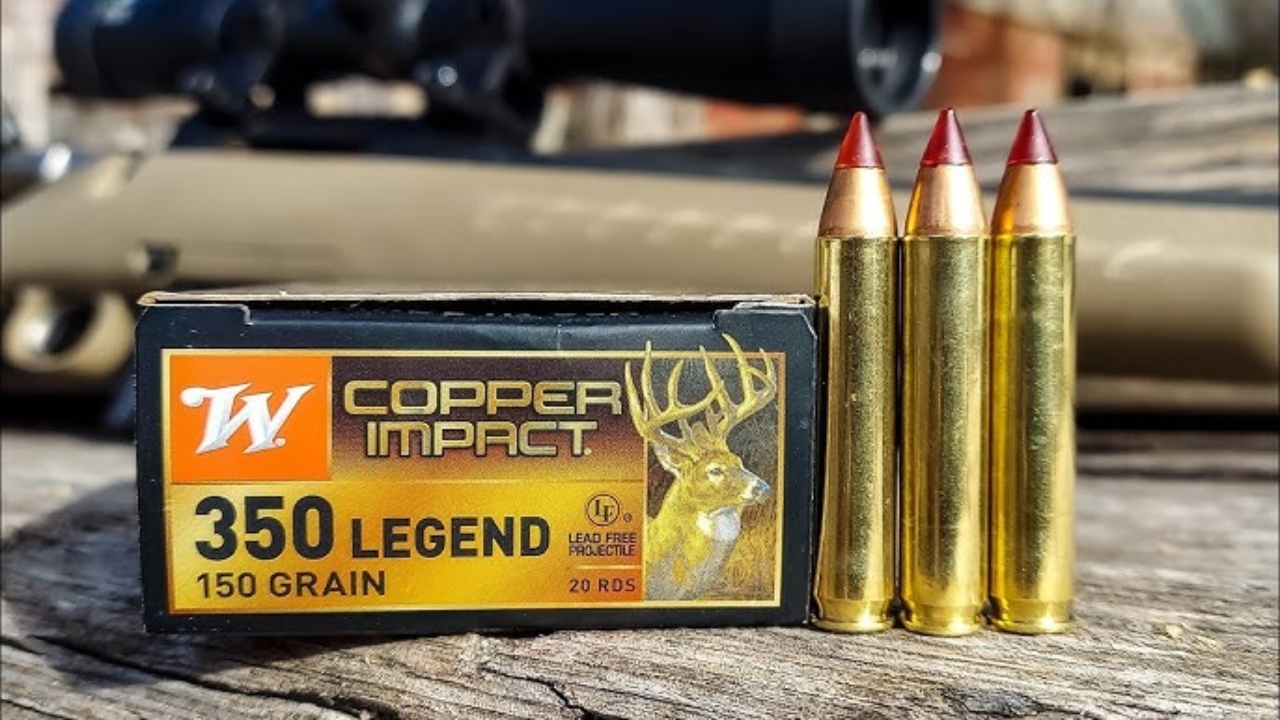
The .350 Legend built trust quickly among hunters who needed a straight-wall option and wanted something easier to shoot than heavier-recoiling alternatives. It is practical, mild enough for many shooters, and effective on deer inside the distances where straight-wall cartridges usually do their work. That has made it a popular tool in the places where regulations shaped the market. In that context, it has earned plenty of confidence.
Wind, though, reminds you very quickly that the .350 Legend is still living in a short-to-moderate-range lane. It was not designed to be a sleek, long-range performer. Bullet shape and velocity both work against it once range opens up and crosswinds build. Inside its intended window, it can do very well. Stretch it too far across open fields in rough conditions, and the drift becomes much harder to ignore. It is a solid hunting round, but one that demands you stay realistic when weather adds pressure.
.22-250 Remington

The .22-250 Remington is one of those cartridges that can make you feel more confident than you should be. It is fast, flat, and famously effective on varmints and predators. In calm air, it can seem almost effortless to place shots at ranges that would make slower rounds feel clumsy. That kind of speed builds trust quickly, and plenty of hunters have leaned on it for years because it makes distance look easier than it really is.
Then the wind shows up and reminds you that very fast does not always mean very stable. Many .22-250 loads use lighter bullets, and lighter bullets can drift plenty when a crosswind gets serious. Yes, modern heavier-for-caliber options can help, but the cartridge still does not enjoy the same natural wind forgiveness as larger, more streamlined hunting bullets. It remains excellent within its role, but it can start humbling hunters who think speed alone will protect them from a bad wind call.
.270 Winchester
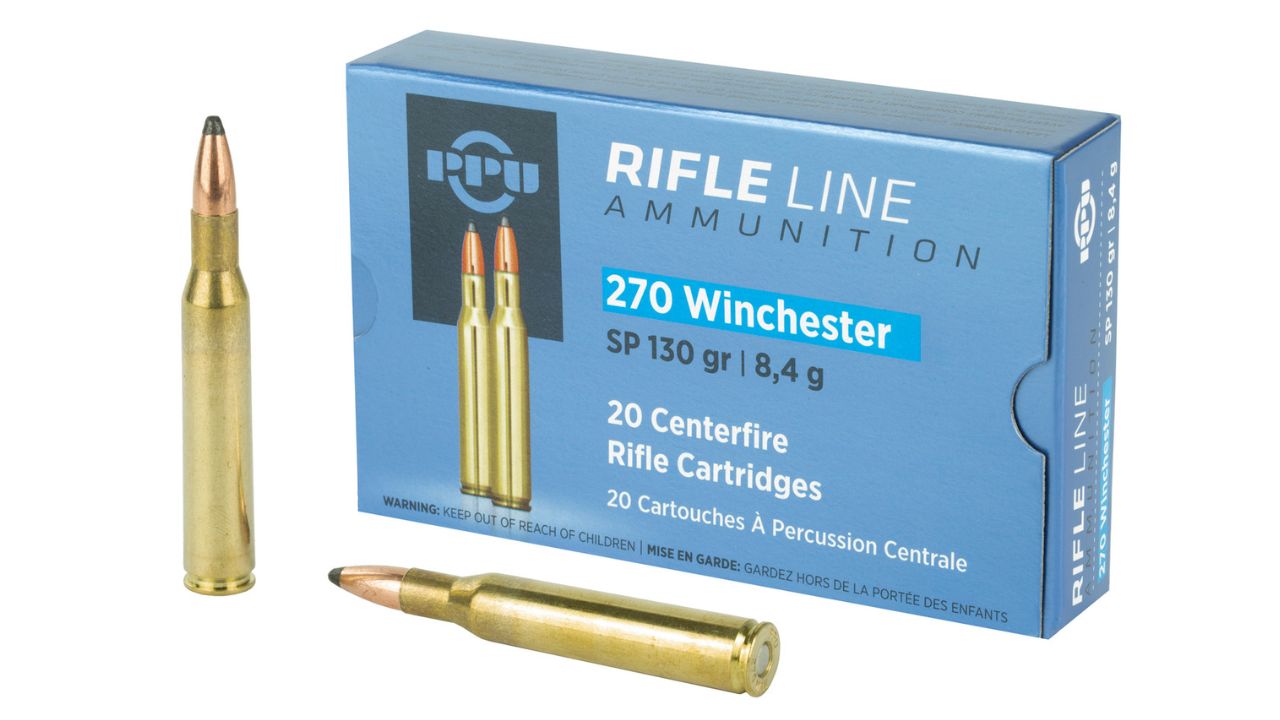
The .270 Winchester has earned trust across generations because it shoots flat, carries enough power for a wide range of game, and has long been a dependable open-country hunting round. If you grew up around deer camps or western hunters, you probably heard the .270 spoken about with real confidence. That confidence is not misplaced. It is a strong, capable cartridge that has handled everything from whitetails to elk under the right conditions.
Still, the .270’s reputation can make some hunters forget that wind remains part of the equation. Standard hunting loads often perform well, but not all of them are equally forgiving when the wind stiffens. Lighter bullets, especially, can give up more drift control than some shooters expect if they rely too much on old confidence and not enough on current conditions. The .270 remains an excellent hunting round, but it still rewards careful bullet choice and honest range limits when the wind starts pushing hard.
.30-06 Springfield
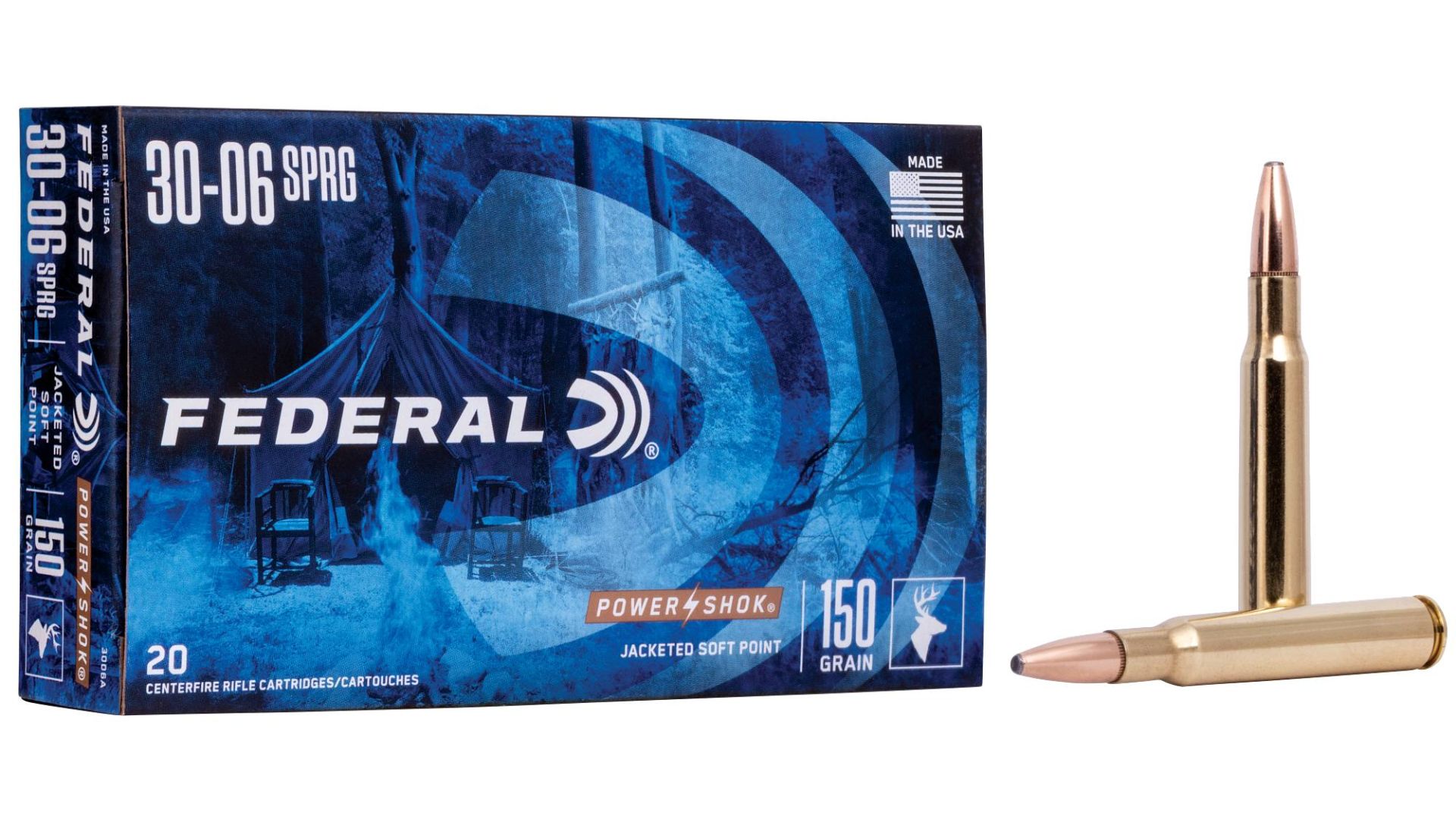
The .30-06 Springfield is one of the easiest rifle calibers in the world to trust because it has done nearly everything a hunting cartridge can be asked to do. It carries a wide range of bullet weights, works on game large and small, and remains one of the most proven all-around rounds ever fielded. When you carry a .30-06, you are carrying a cartridge with real history behind it, and that kind of track record builds a deep kind of confidence.
But that confidence can smooth over the fact that the .30-06 is not automatically better in the wind unless the load supports it. With the right bullet, it does very well. With more basic hunting loads, it can drift more than many hunters assume when compared with newer, more streamlined projectile designs. The cartridge is still highly capable, but wind reminds you that even proven classics depend on bullet choice, velocity, and your ability to read the conditions before you press the trigger.
Like The Avid Outdoorsman’s content? Subscribe to our newsletter so you never miss an article.
Here’s more from us: