
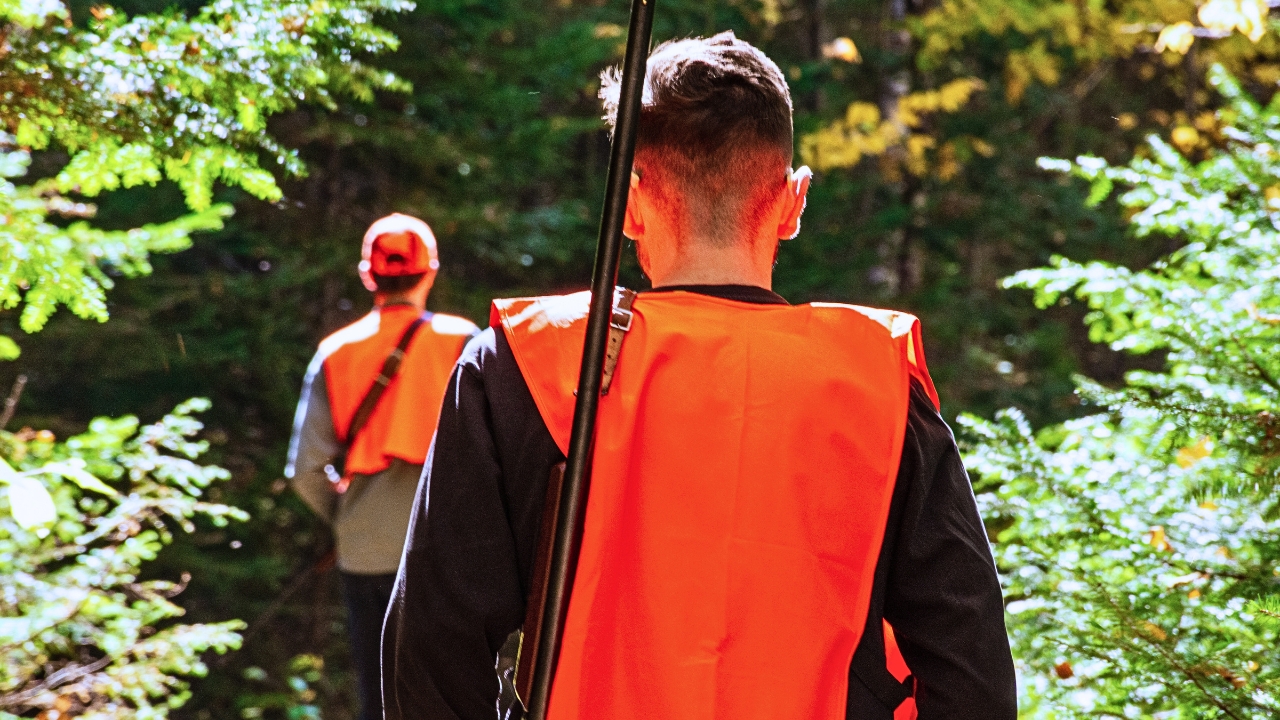
Photo credit: Martin Poirier/Shutterstock.com
The thing about public land is that it sounds simple when you talk about it from the couch. You find a tract, study a map, get there early, and hunt hard. That is the clean version of it, anyway. What nobody tells you when you first start is how obvious your mistakes are to everybody else who has spent any real time out there. I learned that the hard way on a hunt where I walked in feeling pretty good about myself and walked out knowing I had looked like a rookie from the second my boots hit the dirt. I parked too close, made too much noise getting geared up, shined lights where I should not have, and moved through the woods like I was the only guy with a plan. By the time the morning was over, I had not only ruined my own setup, I had probably tipped off every hunter within earshot that I was new to the game in a way that no camo pattern in the world could hide.
Public land has its own rules, and they matter
Private land can let a man get away with sloppy habits for a while. Public land usually will not. The pressure is higher, the animals are more educated, and the other hunters notice things fast because your mistakes can affect them too. I did not fully respect that at first. I treated public ground like it was just a bigger version of a casual hunt, when really it is closer to a test of discipline. You need to think about parking, entry routes, sound, wind, timing, and how your decisions affect everyone else sharing that same piece of dirt. I learned that you cannot stomp down a trail in the dark, slam your tailgate, whisper-shout with a buddy, and expect to blend in just because the woods are big. Public-land hunters pay attention to all of that because they’ve seen how one careless guy can turn a decent morning into a dead one. I was that guy, and I knew it before the sun was fully up.
Looking prepared is not the same as being prepared
I had decent gear, decent boots, a rifle I trusted, and enough confidence to think I was ready. That part fooled me. What I lacked was the kind of preparation that actually matters on public ground. I had looked at maps, but not enough to understand how other hunters would likely use the area. I had not thought enough about secondary access routes or what to do if I pulled up and found another truck near my intended entrance. I also had not done a good job of scouting sign versus scouting convenience, which is a mistake a lot of newer hunters make without realizing it. It is easy to get excited about a spot that looks good on a map or feels easy to reach. It is harder to ask whether deer are really using it under pressure, whether the wind will hold, and whether half the county had the same bright idea the week before. Public land punishes lazy assumptions harder than almost anywhere else.
The little things gave me away
When I think back on that hunt, it was not one giant mistake that made me look like a rookie. It was a pile of smaller ones stacked together. I moved too fast when I should have slowed down. I cut sign that I should have backed off from and saved for a better setup. I let impatience decide where I sat. I also carried myself like a man more worried about getting to a pin on an app than reading what the woods were telling me in real time. Experienced public-land hunters can spot that kind of behavior fast because they’ve done it themselves at some point and learned better. They know the difference between a hunter slipping in with intention and one wandering in with hope. Since then, I’ve gotten a lot more serious about the basics. Quiet boots matter. Pack organization matters. Even how and when you use a headlamp matters. A compact light with a red mode, like the kind Black Diamond and other brands make, can save a lot of unnecessary attention before daylight if a man uses it with some sense.
Public-land hunting got better when I stopped trying to force it
The biggest improvement in my public-land hunting came when I quit trying to prove I belonged there and started acting like I still had things to learn. That changed the way I scouted, the way I moved, and the way I handled pressure when a plan fell apart. Instead of forcing my way into the same obvious spots, I started paying more attention to terrain that discouraged lazy access and to subtle sign that other people might walk past. I got better at leaving when the setup was wrong instead of sitting there just because I had already committed the morning to it. I also stopped assuming effort automatically equals smart hunting. Walking farther does not always mean hunting better, and getting in earlier does not help if your route blows the whole area out before first light. Public land started making a lot more sense once I treated it less like a test of toughness and more like a test of judgment.
Everybody knows who the rookie is, and that can be useful
At the time, it bothered me knowing other hunters could probably read me so easily. Now I think that discomfort was useful. It pushed me to pay attention in a different way. When you realize that experienced hunters can tell what kind of morning you’re about to have by how you park, how you walk, and how you manage the dark, it makes you more honest about your own habits. Public land has a way of stripping away the stories a man tells himself and leaving only the truth of how he hunts. That is not a bad thing. It can be frustrating, but it is honest. Looking like a rookie for a while is part of learning if you let it teach you something. The problem is not being new. The problem is refusing to notice why your hunts keep going sideways and blaming everything except the choices you made before daylight ever broke.
I hunt it differently now, and it shows
I still hunt public land, and I still get things wrong sometimes, but I do not move through it the same way anymore. I think harder before I park. I listen more. I pay closer attention to how the wind, terrain, pressure, and timing work together instead of obsessing over one thing and ignoring the rest. I’m also a lot less impressed by what looks good online and a lot more interested in what consistently works in real woods with real pressure. A reliable pack like the Bass Pro Ascend line or another quiet, practical setup can help keep gear from shifting and rattling when you move, but the biggest change has not been what I carry. It has been how I think. Public land still humbles people, and it should. But these days, if I make a mistake out there, I at least want it to be an honest one and not the kind that tells everybody around me I showed up thinking I already knew it all.
Like The Avid Outdoorsman’s content? Subscribe to our newsletter so you never miss an article.
Here’s more from us:


