Photo credit: All Outdoors/YouTube
Some rifles seem fine at the bench in July. The groups are acceptable, the scope is close enough, and the rifle feels like it will do the job once deer season rolls around. Then opening weekend shows up, and the little flaws start feeling a lot bigger.
A hunting rifle has to do more than print one decent group from sandbags. It has to carry well, feed cleanly, hold zero, handle weather, shoot from awkward positions, and give you confidence when the shot is not perfect. These are the rifles that can start disappointing once the season gets real.
Mossberg Patriot Predator
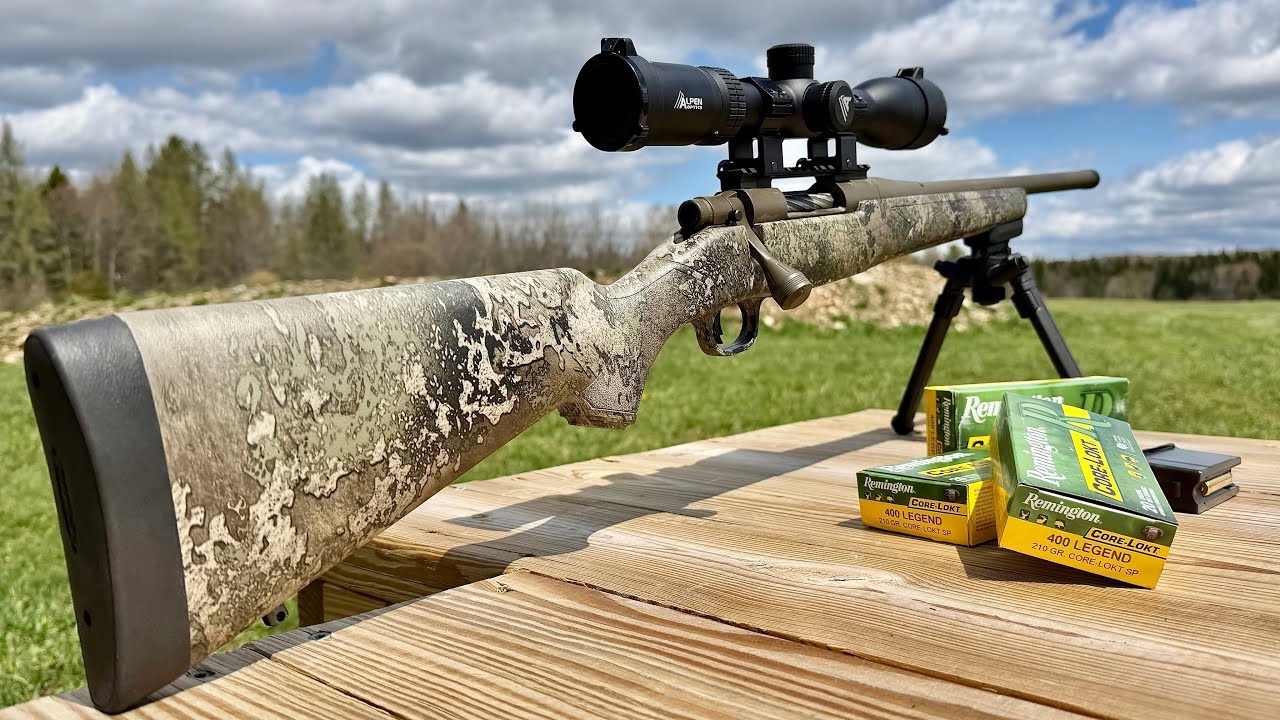
The Mossberg Patriot Predator looks like a smart hunting rifle at first. It is affordable, threaded, available in useful chamberings, and usually accurate enough to get attention from budget-minded hunters. On paper, it checks a lot of boxes.
The frustration starts when the rifle has to feel steady outside the bench. The stock can feel light and hollow, the action is not especially refined, and some owners find themselves chasing consistency with ammo, torque, and barrel heat. It may shoot well enough, but it does not always give that settled, confident feeling you want when you are cold, rushed, and leaning against a tree.
Savage Axis II XP

The Savage Axis II XP sells because it is affordable, accurate enough, and often comes as a ready-to-hunt package. For a first rifle or backup gun, that sounds pretty hard to argue with. The AccuTrigger helps, and plenty of them shoot better than expected.
But once season starts, the package feel can wear thin. The stock is flexible, the bolt can feel rough, and the included scope on many packages is not something every hunter trusts long term. It can kill deer just fine, but it often feels like a rifle you tolerate for a season before wanting something smoother, sturdier, and easier to trust.
Winchester XPR

The Winchester XPR is a practical rifle, but it can disappoint hunters who expect more because of the Winchester name. It has useful features, a decent trigger, and enough accuracy for normal hunting, yet it does not carry the old-school confidence people associate with classic Winchesters.
In the field, that plain feel becomes more noticeable. The stock, bolt, and overall handling are serviceable rather than memorable. If it shoots your chosen load well, you may never complain. But if it is picky or average, it starts feeling like just another budget bolt gun wearing a name that makes you wish it had more character.
Remington 783

The Remington 783 can shoot, and that is what keeps it in the conversation. Some rifles in this line are surprisingly accurate for the money. The problem is that hunting season tests more than one group from the bench.
The action, stock, magazine, and overall feel do not always inspire confidence when you are actually carrying it around. It can feel clunky, plain, and less refined than the Remington name suggests. If everything lines up, it works. If the weather is rough, the shot angle is awkward, or the rifle has been bumped around, a lot of hunters start wishing they had brought something more solid.
CVA Cascade SB
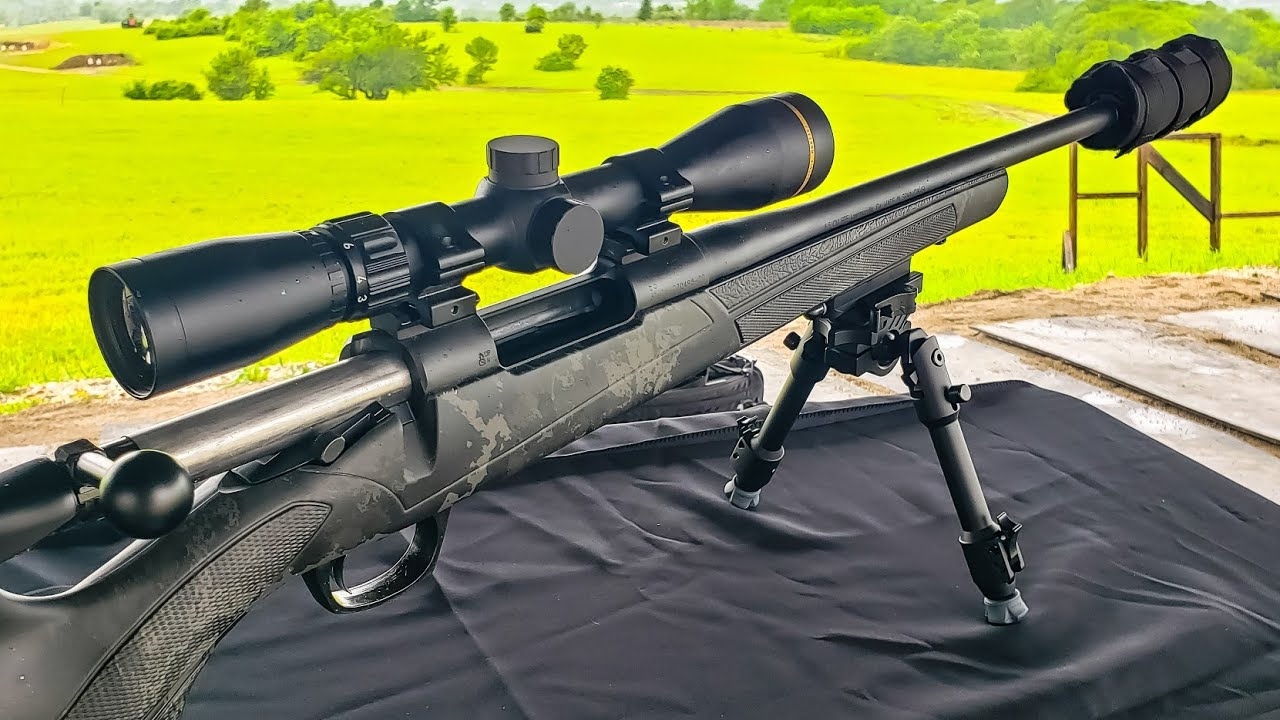
The CVA Cascade SB looks strong on a spec sheet. Short barrel, threaded muzzle, reasonable price, useful chamberings, and a modern hunting setup all make it tempting. It feels like the kind of rifle that should be handy in a blind or side-by-side.
Where it can disappoint is in the way compact rifles actually behave. Short barrels are handy, but they can be louder, livelier, and less forgiving depending on the cartridge. The rifle may shoot well, but if the balance feels abrupt or the blast gets old, the excitement fades. Not every compact hunting rifle feels better once you are using it in real conditions.
Ruger American Ranch
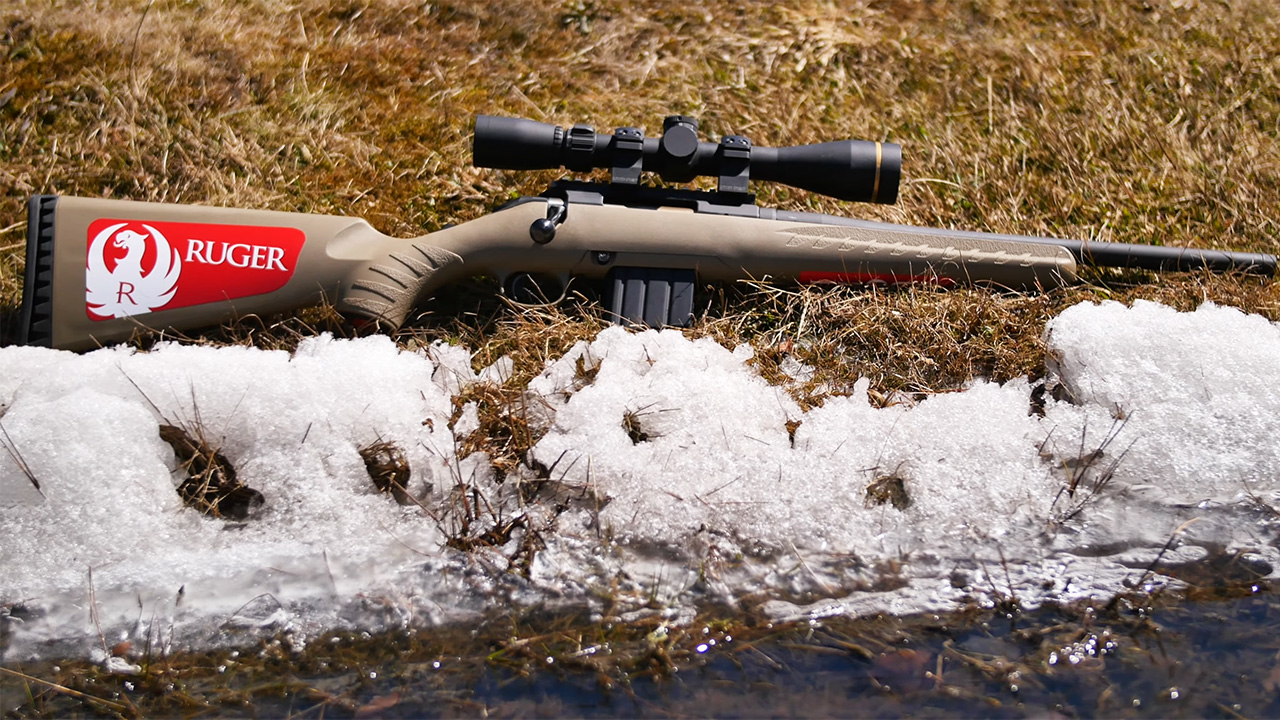
The Ruger American Ranch has a loyal following because it is handy, affordable, and available in practical chamberings. For truck use, hogs, predators, and short-range deer hunting, it sounds like a smart little rifle. Many of them shoot well, too.
But once season starts, the rough edges can stand out. The lightweight stock, short barrel, magazine quirks depending on version, and basic bolt feel remind you it is still a budget rifle. It is useful, but it can also feel less steady than expected from field positions. If you bought it thinking it would replace a full-size hunting rifle, you may start missing the extra weight and balance.
Browning AB3

The Browning AB3 can disappoint because the name sets expectations high. Browning rifles have a certain reputation for polish, and buyers often expect that same feel even when they are buying the more affordable model. That is a tough standard for the AB3 to meet.
It is not a bad hunting rifle. The issue is that it does not feel like the Browning many people have in their head. The bolt, stock, and general finish are more practical than refined. Once season starts and the rifle is no longer being judged by the logo, some hunters realize they wanted X-Bolt confidence but bought the budget version.
Weatherby Vanguard Compact
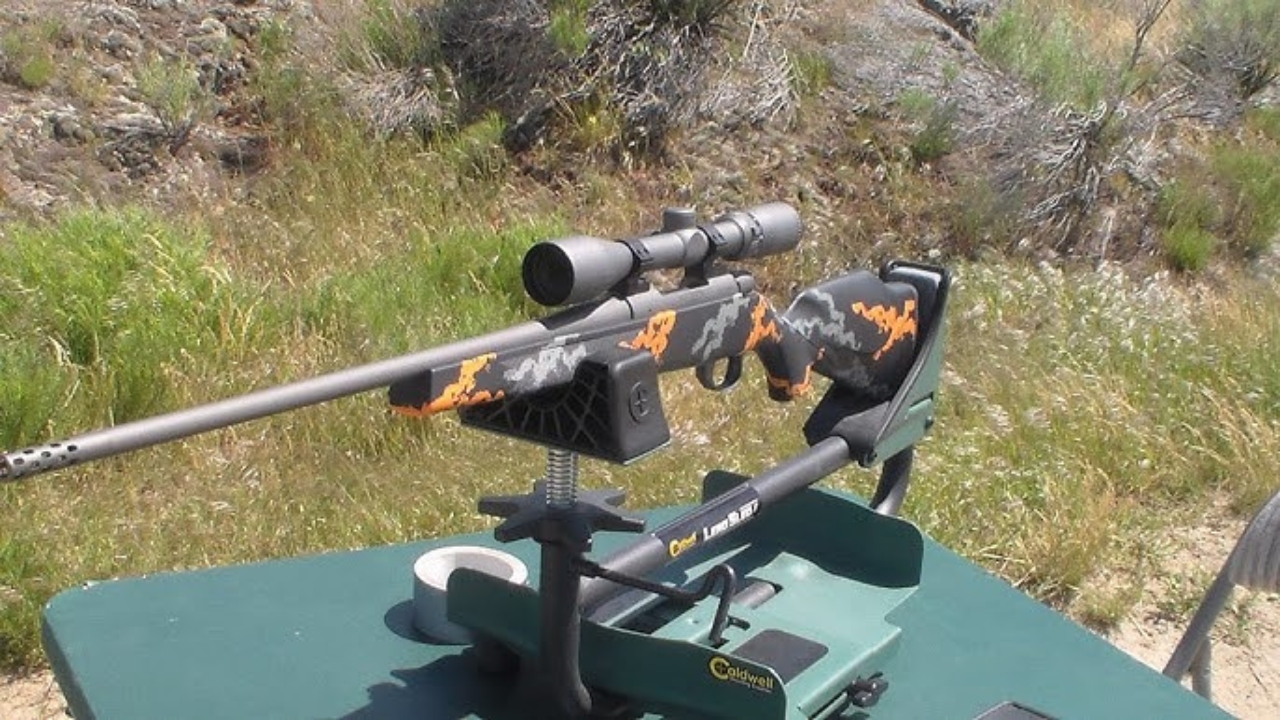
The Weatherby Vanguard Compact sounds like a great answer for smaller-framed hunters, young hunters, or anyone who wants a shorter rifle. The Vanguard name also carries a strong accuracy reputation, which makes the compact version easy to trust before the season starts.
The downside is that compact rifles can be less pleasant in real use. Shorter stocks, lighter handling, and certain chamberings can make recoil and muzzle blast feel sharper than expected. If the fit is right, it works. If the rifle was bought mostly because it seemed handy, the owner may realize during season that comfort and confidence matter more than saving a few inches.
Kimber Hunter

The Kimber Hunter promises a lot: lightweight carry, a respected name, and mountain-rifle appeal without the price of Kimber’s nicer wood-stocked rifles. That combination looks great before you start shooting from real hunting positions.
Light rifles punish sloppy form. They can be harder to hold steady, more sensitive off bags, and less forgiving with recoil. The Kimber Hunter may shoot well for someone who knows how to run a light rifle, but it can disappoint hunters who expected it to behave like a heavier deer rifle. Once season starts, carrying comfort does not help much if you cannot settle the rifle quickly.
Thompson/Center Compass

The Thompson/Center Compass built a following because it offered a lot for the price. Threaded barrels on some models, adjustable triggers, and good accuracy claims made it look like a smart budget buy. At the counter, it seemed like a bargain.
In the field, the bargain parts can start showing. The stock, magazine, bolt feel, and overall finish do not always make the rifle feel dependable or pleasant. Some owners get great performance out of them. Others start replacing optics, checking screws, trying loads, and wondering why the rifle feels like a project. Hunting season is a bad time to find out your bargain needs sorting.
Savage 110 Ultralite

The Savage 110 Ultralite sounds perfect if you have ever carried a heavy rifle too far. A light rifle with a Proof Research carbon-wrapped barrel and Savage’s familiar action checks the modern mountain-rifle boxes. It looks like an upgrade before you even shoulder it.
But light rifles are not magic. They can be harder to shoot well under pressure, especially with heavier-recoiling cartridges. The rifle may be accurate, but if the owner cannot hold it steady, manage recoil, or repeat good form from field positions, disappointment shows up fast. Sometimes hunters upgrade to less weight and accidentally buy less forgiveness.
Howa Mini Action
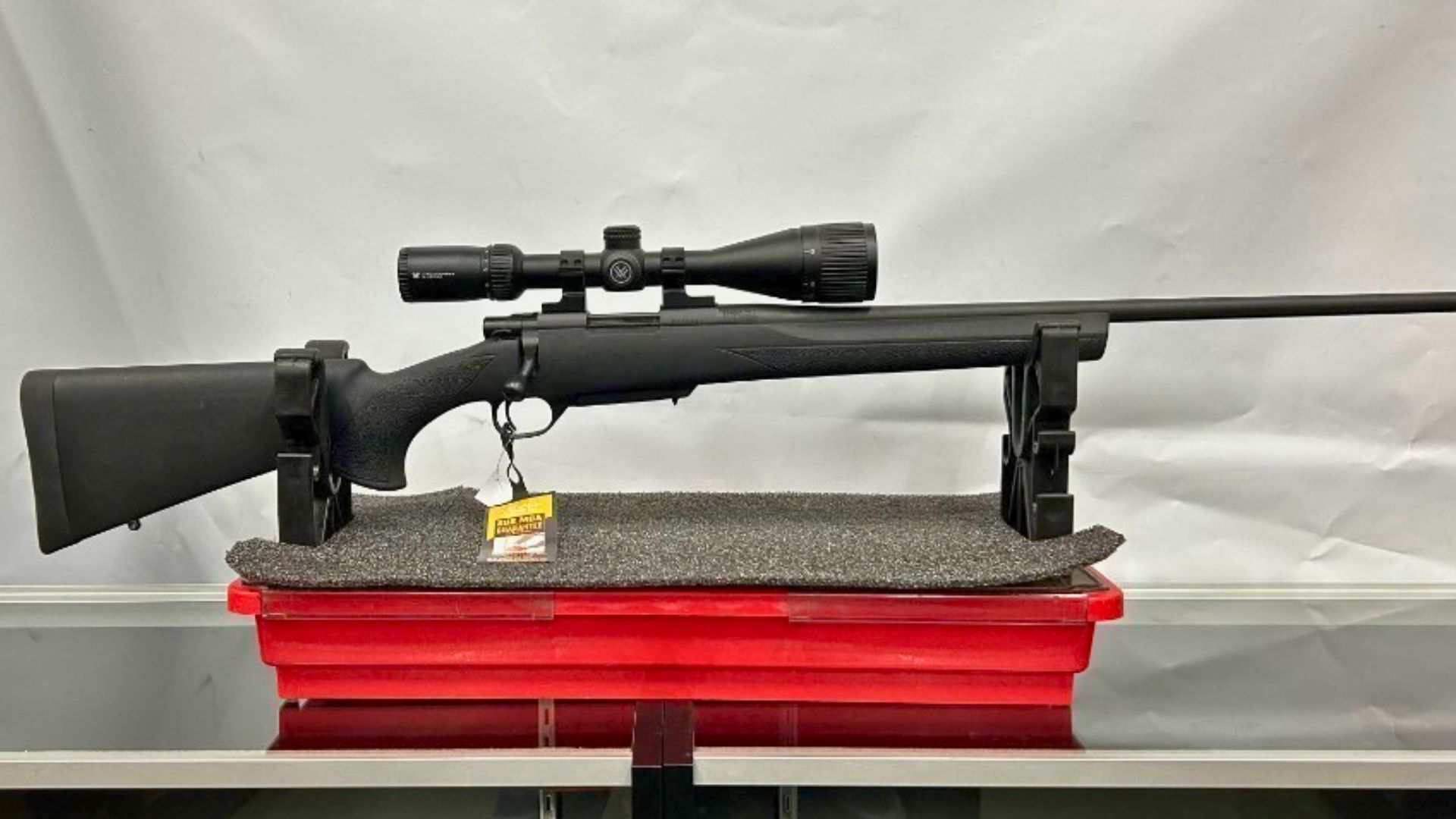
The Howa Mini Action has a lot going for it. It is compact, handy, and chambered for useful small cartridges like 6.5 Grendel, .223, and 7.62×39. For predators, smaller deer, and lightweight hunting, it seems like a clever little rifle.
The disappointment usually comes from expectations. It is not a full-size all-around hunting rifle, and some setups feel less polished than the idea suggests. Magazine fit, stock feel, and cartridge limitations can matter once you get into the field. If you use it inside its lane, it makes sense. If you expect it to do big-rifle work, the charm wears thin.
Franchi Momentum

The Franchi Momentum looks different enough to stand out in a crowded bolt-gun market. The styling is modern, the brand has credibility, and the rifle usually comes in at a price that makes hunters think they found something a little more interesting than the usual budget options.
Once season starts, not everyone stays impressed. The stock shape, bolt feel, and overall handling can be hit-or-miss depending on the shooter. It may shoot fine, but it does not always feel natural from awkward hunting positions. A rifle can be different without being better, and the Momentum sometimes reminds owners of that after the first hard hunt.
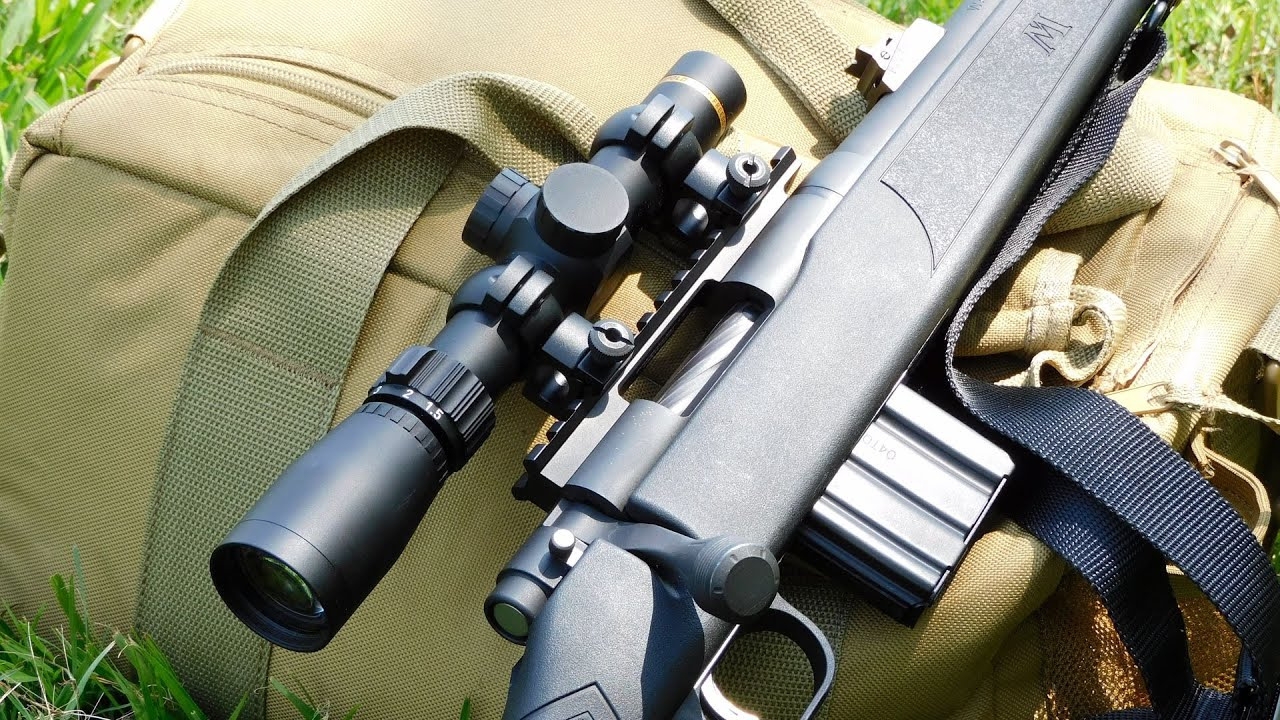
Mossberg MVP Patrol
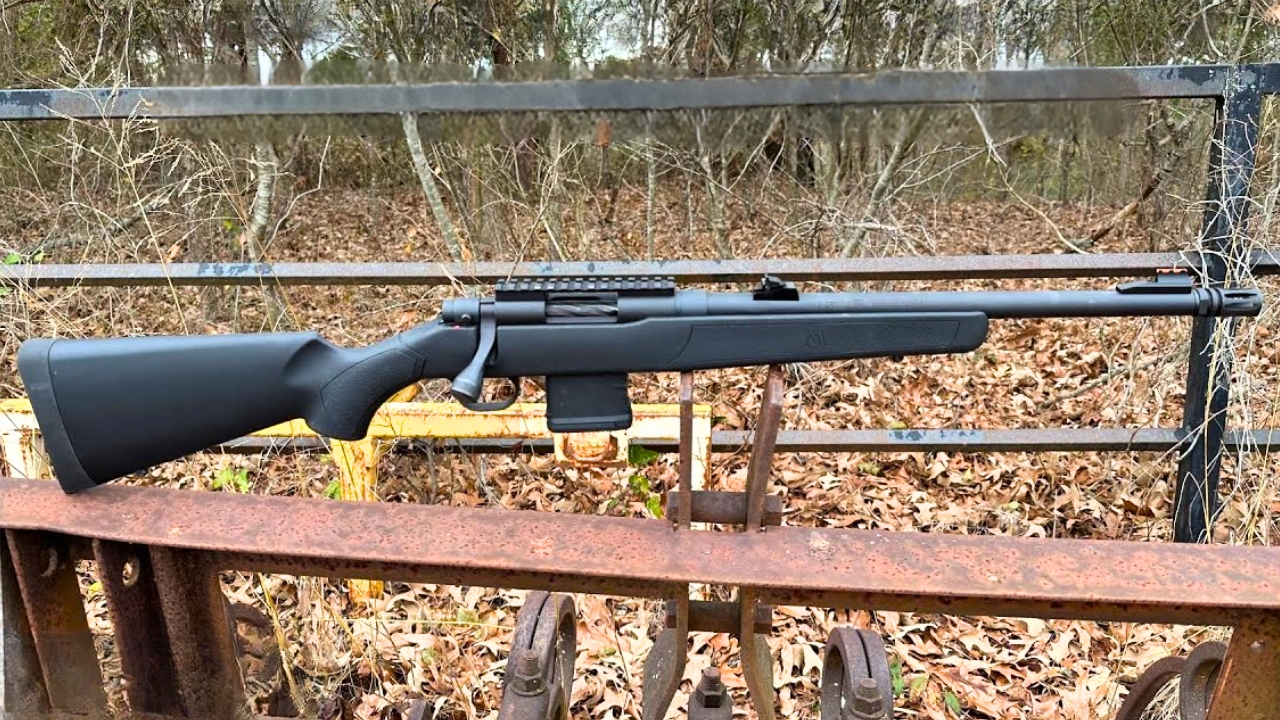
The Mossberg MVP Patrol sounds useful because it takes common magazines and comes in handy chamberings. A bolt gun that feeds from AR-style magazines has obvious appeal for people who want crossover convenience. It looks practical before the first hunt.
The trouble is that the rifle can feel awkward as a field gun. The magazine setup adds bulk, the balance is not always graceful, and the action feel does not always inspire confidence. For range use or utility work, it has a place. As a hunting rifle, some owners realize they traded smooth handling for a magazine feature they did not really need.
Christensen Arms Ridgeline
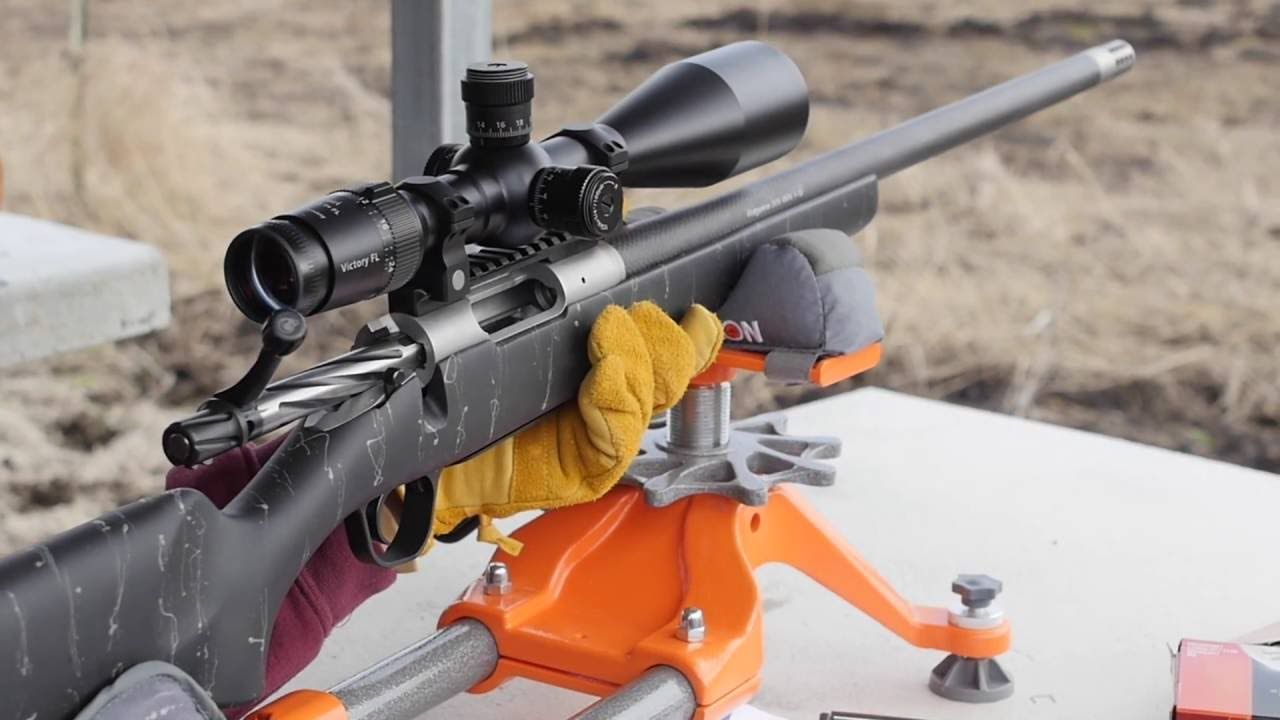
The Christensen Arms Ridgeline carries the kind of price and reputation that makes hunters expect a serious step up. Carbon fiber, lightweight build, modern styling, and premium appeal all make it feel like a rifle that should remove doubt before the season starts.
That is why disappointment hits hard when one does not shoot the way the owner expects. Some shoot very well. Others send hunters into the usual spiral of ammo testing, scope swapping, torque checking, and second-guessing technique. At this price, ordinary inconsistency feels worse. A rifle marketed as a serious upgrade has to deliver confidence quickly, or the season gets frustrating fast.
Like The Avid Outdoorsman’s content? Subscribe to our newsletter so you never miss an article.
Here’s more from us: