Photo credit: Gun Talk Media/YouTube
A lot of pistols will “shoot flat” when you’re taking your time. Your sights lift a little, settle back, and you can stack decent groups without feeling like you’re wrestling the gun. Then you run a fast string—pairs, bill drills, a quick failure drill—and the same pistol starts feeling sharp. Not big, rolling recoil… more like a quick snap that makes you re-grip, re-find the dot, and work harder than you expected.
That snappy feel usually comes from a light gun doing full-power work. Short slides cycle fast. Small grips give your hands less leverage. Springs are often stout to keep micro-compacts reliable. Add hot defensive ammo and the recoil impulse gets quick and abrupt, even if the muzzle doesn’t climb much. The pistols below tend to live in that space: controllable and accurate, but they’ll still remind you they’re compact when you start pushing the tempo.
SIG Sauer P365

The P365 can feel surprisingly “level” in slow fire for how small it is. The sights track up and back down in a predictable way, and the gun points naturally once you’ve got your grip sorted out. It’s easy to see why people shoot it well on deliberate strings.
Start running it fast and the light weight shows up. The slide cycles quick, and the recoil has a sharp edge that can knock your support hand loose if your grip isn’t locked in. With defensive loads, it can feel like the gun is snapping straight back into your palm instead of rolling. It’s still controllable, but you’ll work for clean splits, especially when your hands get sweaty or you’re shooting one-handed.
SIG Sauer P365 XL

The P365 XL buys you more grip and a little more sight radius, which helps the pistol stay flatter in recoil and return to target clean. It’s one of those guns that makes you think, “This is easy,” when you’re shooting measured pairs or slow groups.
Then you push speed and you still feel that compact slide timing. It’s not harsh like a lightweight .40, but it’s a quick pulse that can make the gun feel lively in your hands. The longer grip helps, yet the gun is still light enough that hot ammo feels snappy in fast strings. If you shoot it well, it’s because your grip pressure stays consistent and you let the gun cycle without trying to steer it back down.
Springfield Armory Hellcat
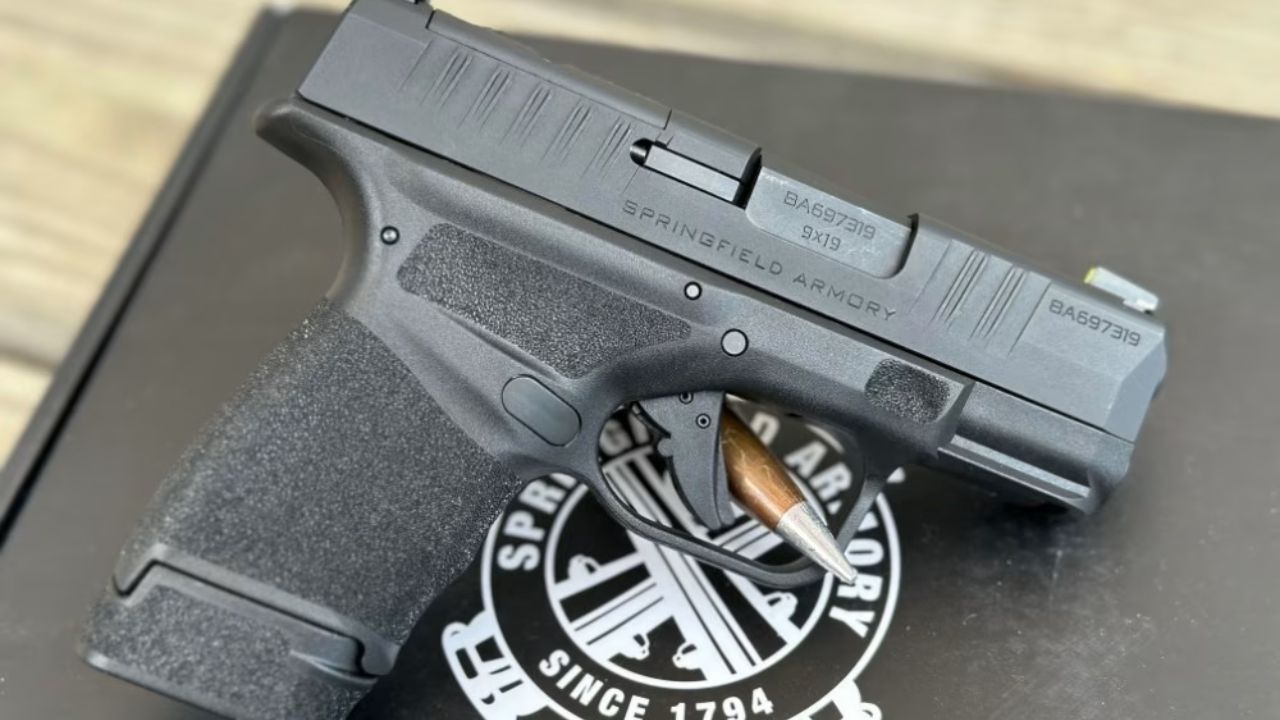
The Hellcat is accurate and tracks well for a true micro, and it tends to stay “on line” when you’re shooting carefully. The sights don’t wander much, and it carries so easily that you understand why it lives in so many pockets and waistbands.
When you hammer it, the recoil feels fast and sharp. The short grip doesn’t give your support hand much room, and the pistol can squirm if your hands aren’t high and tight. It often feels like the gun is snapping straight up and back, then dropping fast—great for carry, not always relaxing for speed work. You can absolutely run it, but it rewards a firm, repeatable grip more than a bigger compact would.
Springfield Armory Hellcat Pro

The Hellcat Pro settles down compared to the standard Hellcat because you get more grip and a bit more mass. It shoots flat enough that you can keep your sights moving in a tight window, and it’s easy to make good hits at typical defensive distances.
Run it hard and it still has that quick recoil signature. The slide feels energetic, and with hotter loads the gun can give you a snappy push that shows up in your split times. It’s not out of control—it’s just honest about being a light, thin pistol. If you’re used to a duty-size gun, the Pro can feel “busy” during fast strings until you dial in your support-hand pressure and stop letting the gun shift in your palms.
Smith & Wesson M&P Shield Plus
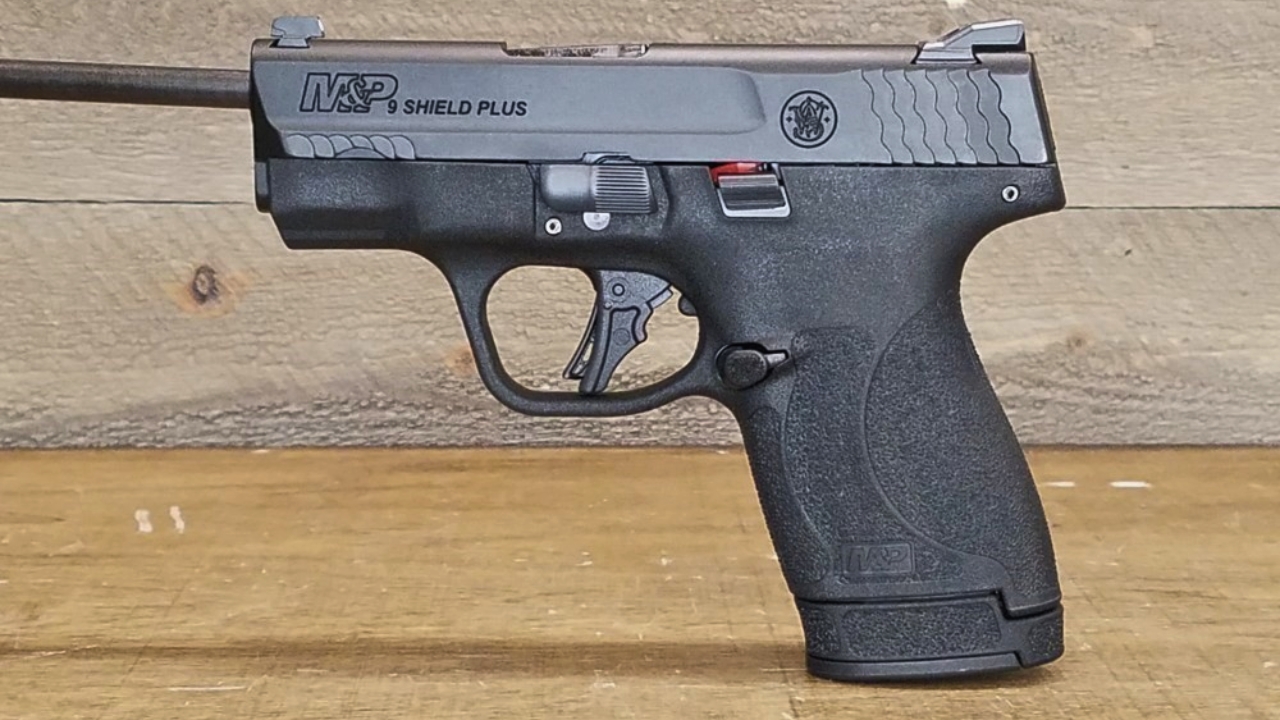
The Shield Plus has a clean, consistent feel when you’re shooting deliberately. It points well, the recoil is manageable, and you can keep it tracking in a fairly straight line if you build a solid grip. For a thin carry gun, it’s easy to shoot accurately.
Start driving the gun faster and the snap shows up. The narrow grip concentrates recoil into a smaller contact patch, and the pistol can feel sharp with full-power ammo. In quick strings, you’ll notice how much the Shield depends on your support hand to keep it from hopping and shifting. It’s a great carry pistol, but it’s not a “free speed” pistol. You can run it fast, but it asks you to stay disciplined about grip and follow-through.
Ruger Max-9
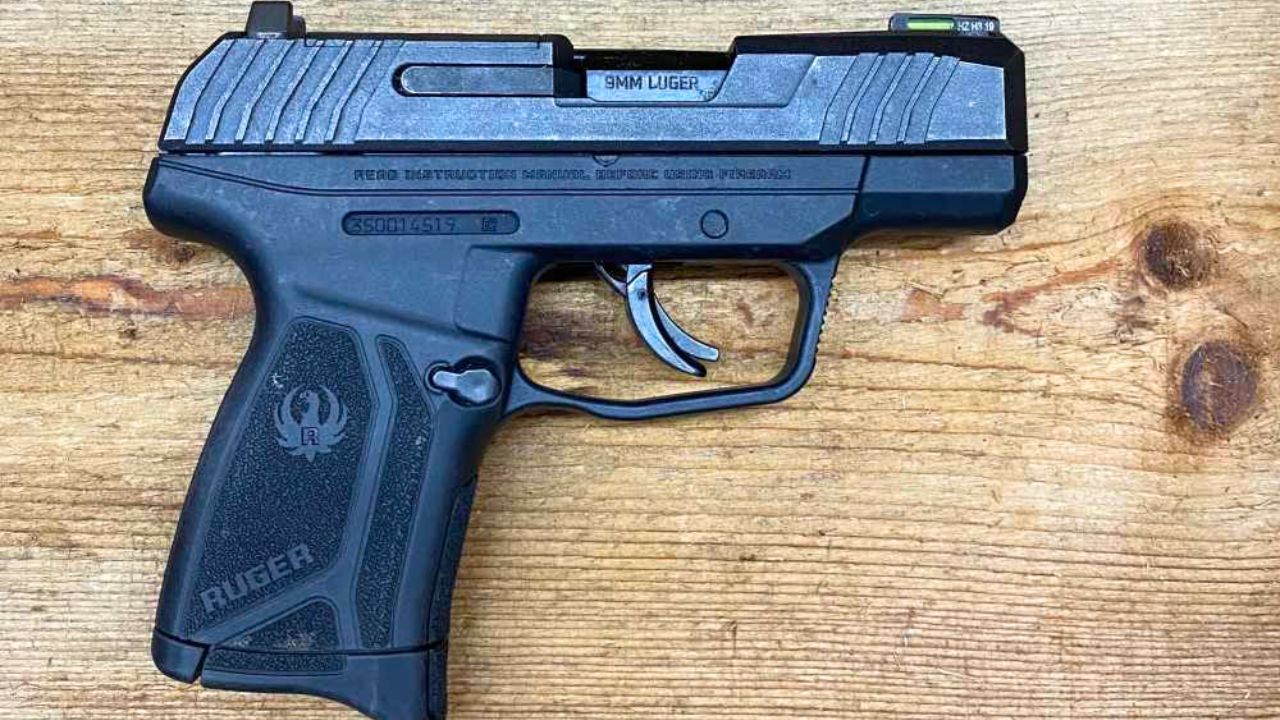
The Max-9 surprises people because it can be easy to shoot well on bags or slow fire. The sights settle predictably, and the pistol doesn’t feel wild when you’re focused on a clean press. It’s one of those carry guns that can make you look better than you feel.
Pick up the pace and you’ll feel the light frame working. The recoil impulse comes quick, and the gun can feel snappy in the web of your hand, especially with defensive loads. The smaller grip makes it easier for your hands to get inconsistent from string to string, which shows up as vertical spread when you’re trying to shoot fast. The Max-9 will do the job, but it’s happiest when you let it cool between runs and keep your grip pressure the same every time.
Taurus GX4

The GX4 can shoot flat enough that your sights stay in a tight lane when you’re shooting with intention. It’s compact, it carries well, and it can be accurate in a way that surprises people who assume “small gun” means “spray and pray.”
Fast strings are where the snap comes out. The gun is light, the grip is short, and it doesn’t take much for it to start shifting in your hands. The recoil isn’t huge, but it’s quick and abrupt, which can make your trigger timing sloppy if you’re trying to outrun your sights. You can still run respectable splits with it, but you’ll feel the pistol’s lightness more than you would with a thicker compact.
Kimber R7 Mako

The R7 Mako is a shootable micro-compact, and it tends to track well in controlled fire. The ergonomics help it point naturally, and you can keep the gun “level” enough that the sights return without a lot of drama.
Once you start pushing tempo, the recoil has a sharp, quick feel that can catch you off guard. It’s not that the muzzle climbs like crazy—it’s that the impulse is fast and the gun cycles briskly. That can make the dot or front sight feel like it’s bouncing instead of rolling. If your grip relaxes even slightly, you’ll see it in your hits. With the Mako, speed comes from consistency, not force.
Canik Mete MC9
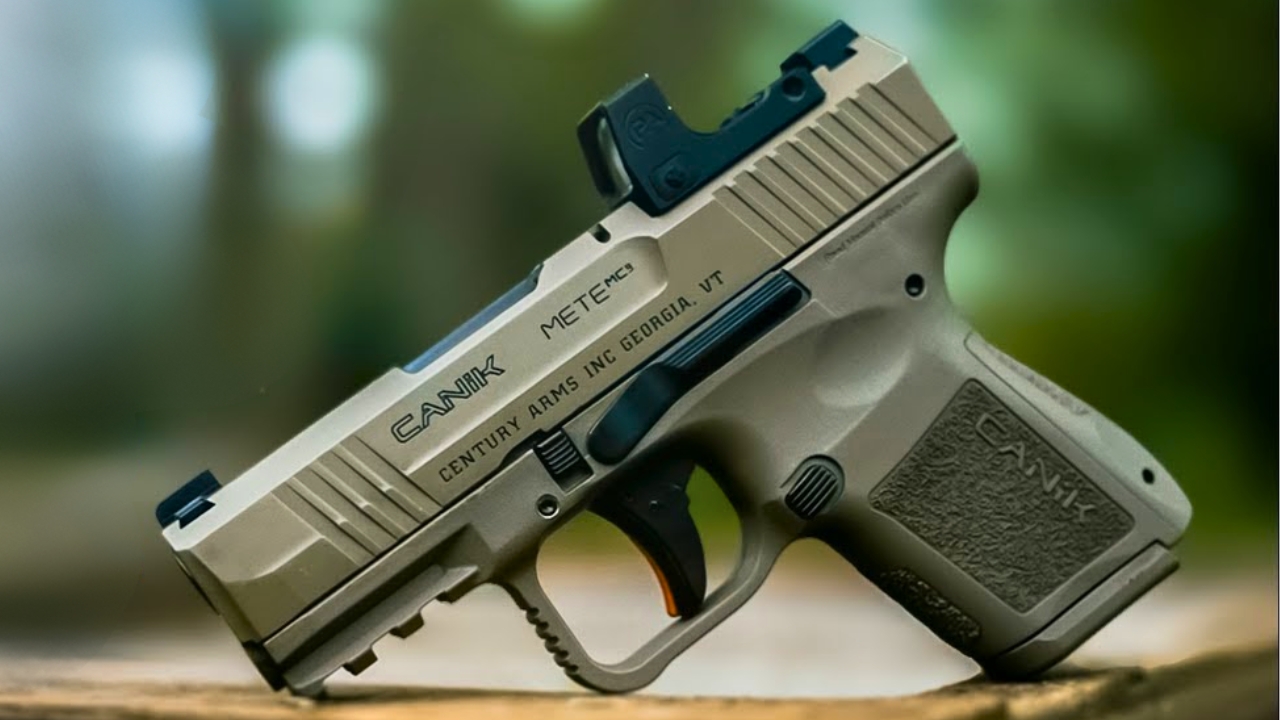
The Mete MC9 tends to shoot flatter than you’d expect for its size when you’re taking careful shots. It points well, it’s easy to carry, and it can deliver tight groups that make you trust it more than the typical tiny pistol.
Run it fast and you’ll feel that light, compact timing. The slide movement feels quick, and the recoil can be snappy enough to make the gun feel “chattery” in your hands during longer strings. The short grip gives you less leverage, so your support hand has to do real work. When you get the grip right, it runs well. When you don’t, it starts feeling like it’s bouncing off your palms instead of settling back into them.
CZ P-10 S

The P-10 S can shoot very flat for a subcompact because the CZ design helps keep recoil movement predictable. It’s accurate, it points naturally, and it gives you a “steady” sight track when you’re shooting clean, controlled drills.
But in fast strings, the shorter grip and compact mass show up. The recoil impulse can feel sharp, especially with hotter ammo, and the gun can move more than you expect if your support hand isn’t locked in. It’s not a soft, rolling push—it’s a quick snap that makes you re-confirm your grip between bursts. The P-10 S rewards good technique, but it doesn’t hide sloppy hands. If you’re consistent, it feels fast. If you’re not, it feels jumpy.
Heckler & Koch VP9SK

The VP9SK is an easy pistol to shoot accurately, and it tends to return to target in a clean, predictable way. The ergonomics help you get your hands high, and the gun feels stable when you’re shooting at a deliberate pace. It’s one of those subcompacts that can feel “bigger” than it is.
When you start running quick strings, it can still feel snappy because it’s a compact gun doing compact-gun things. The shorter grip means less leverage, and the recoil pulse can feel abrupt compared to a full-size VP9. Add +P-style defensive ammo and you’ll notice the gun wants a firm grip to keep it tracking the same way every time. It’s controllable, but you won’t get lazy with it if you want clean hits at speed.
Walther PDP Compact 4″

The PDP Compact can feel flat and fast because the gun returns to target well and the trigger encourages good shooting. In slow fire and controlled pairs, it’s easy to be accurate with, and the pistol has the kind of “point and press” feel that makes you confident.
In faster strings, some shooters feel a snappy pulse because the slide is energetic and the gun cycles with authority. The muzzle may not climb much, but the impulse can feel sharp in the hands, especially if your grip is a little low or your support hand relaxes. With the wrong technique, it can feel like the gun is slapping back and making you chase the sights. With the right technique, it runs hard. Either way, it will tell you what your grip is doing.
FN 509 Compact

The 509 Compact can be very accurate and steady on measured shots. It’s built like a service pistol that got trimmed down, and it tends to track predictably when you’re doing controlled drills. It gives you a solid feel without being oversized for carry.
Push it into fast strings and you can still get a snappy feel, mostly because you’re holding less gun than a full-size duty model. The recoil pulse can feel quick, and the gun will punish a grip that isn’t locked in high and tight. If you’re running a smaller backstrap or your hands are between sizes, the pistol can shift a bit and make your follow-up shots slower. It’s a dependable compact, but it still demands real grip discipline when the pace climbs.
Smith & Wesson M&P 2.0 Compact 3.6″

The 3.6-inch M&P Compact shoots flatter than many short guns because the platform is controllable and the grip texture helps you keep the pistol planted. In slow fire, it’s easy to produce clean groups without feeling like you’re fighting recoil.
In fast strings, it can still feel snappy because you’re dealing with a shorter slide and less mass out front than the larger models. The recoil comes back quicker, and if you’re not clamping hard with your support hand, the pistol can feel like it’s “popping” instead of rolling. You’ll see it most in rapid pairs where the gun returns a hair high and you have to drive it back down. It’s very shootable, but speed still takes effort in the shorter configuration.
SIG Sauer P320 XCompact

The P320 XCompact can feel flat and stable when you’re shooting carefully. The grip shape and overall balance let you track sights well, and the pistol tends to reward a clean trigger press with predictable results. It’s a compact that can shoot like a larger gun when you’re doing your part.
Run it in fast strings and the recoil can feel sharper than you expect, especially with hotter loads. The gun cycles briskly, and the impulse can feel quick in the hands even if the muzzle doesn’t climb much. If your grip pressure changes, the gun will start returning inconsistently, and your hits will string vertically. It’s not punishing, but it’s honest. To keep it fast, you need a consistent clamp with your support hand and a trigger press that doesn’t get sloppy when the gun starts moving.
Beretta APX A1 Carry
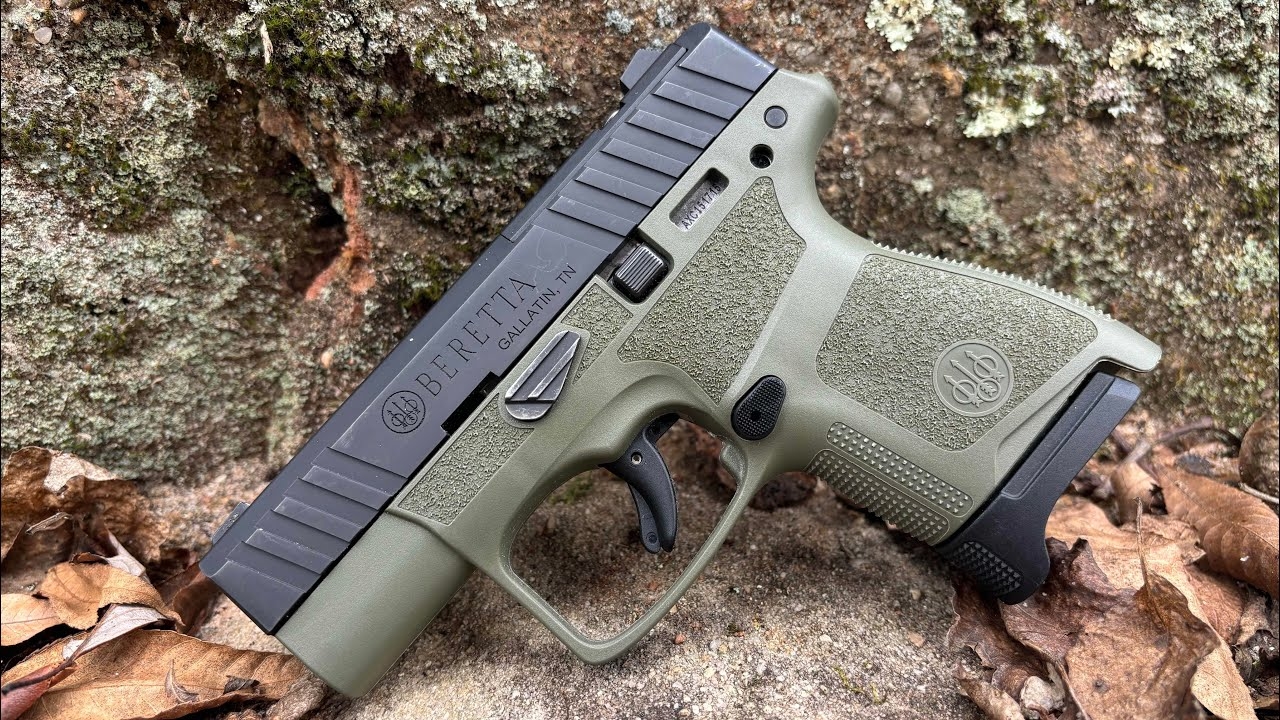
The APX A1 Carry can shoot surprisingly straight when you’re taking your time, and it’s the kind of pistol that will produce respectable groups if you focus on fundamentals. It carries easily, points well enough, and it can feel “flat” on slow strings where you’re letting the gun settle.
When you push it, the snappy feel comes from the small size and limited grip real estate. The recoil pulse is quick, and the gun can shift in your hands if your grip isn’t locked in. In fast strings, you’ll notice how much the pistol depends on consistent hand placement and support-hand pressure. It’s not that the gun can’t shoot—it can. It’s that small carry pistols demand more from you when you try to run them like a larger compact.
Like The Avid Outdoorsman’s content? Subscribe to our newsletter so you never miss an article.
Here’s more from us: