Photo credit: Stsvirkun/ShutterStock.com
Thick cover changes everything. Branches, brush, and vines don’t care how good your shot group looks on paper—they’ll throw your bullet off course without a second thought. That’s where certain calibers start to fall apart. Light, fast rounds that do fine in open country struggle to keep their momentum when they hit debris.
The more brush between you and the animal, the more those fragile projectiles lose accuracy, velocity, and penetration. In the woods, it’s not about velocity—it’s about staying on course. These calibers might look good on charts, but when you’re pushing through heavy cover, they tend to fizzle when it matters most.
.223 Remington
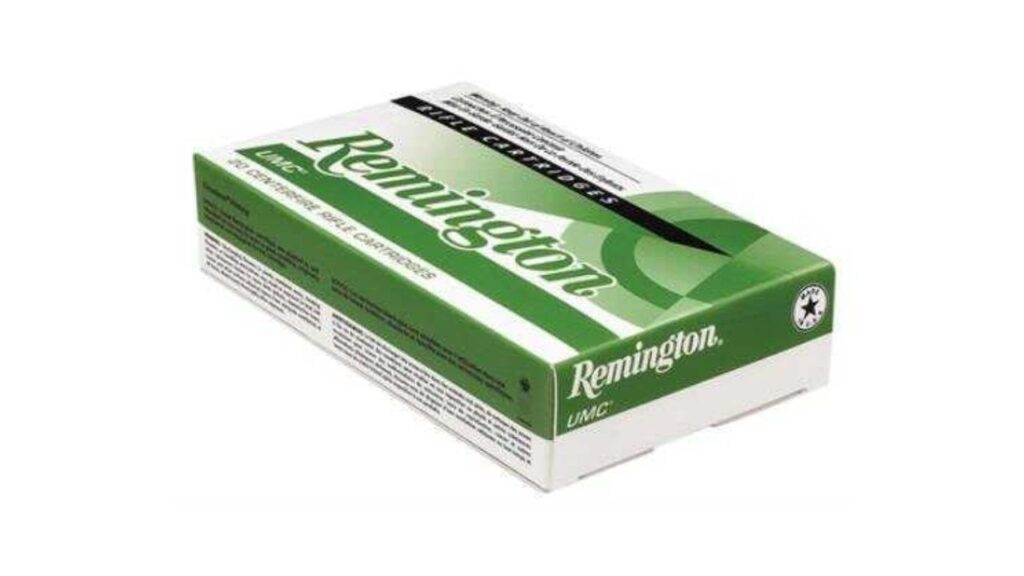
The .223 Remington is accurate and fast, but it’s not built for busting through brush. Its lightweight bullets fragment easily, and even small twigs can deflect them off target. In open fields, it shines, but once you step into heavy timber, it starts showing its limits.
When those high-velocity rounds meet resistance, they lose stability fast. That’s why many hunters who switch from the .223 to heavier calibers notice a big improvement in terminal performance in dense woods. It’s a great varmint or predator round, but if you’re shooting through cover, you’re gambling with deflection every time you pull the trigger.
.22-250 Remington
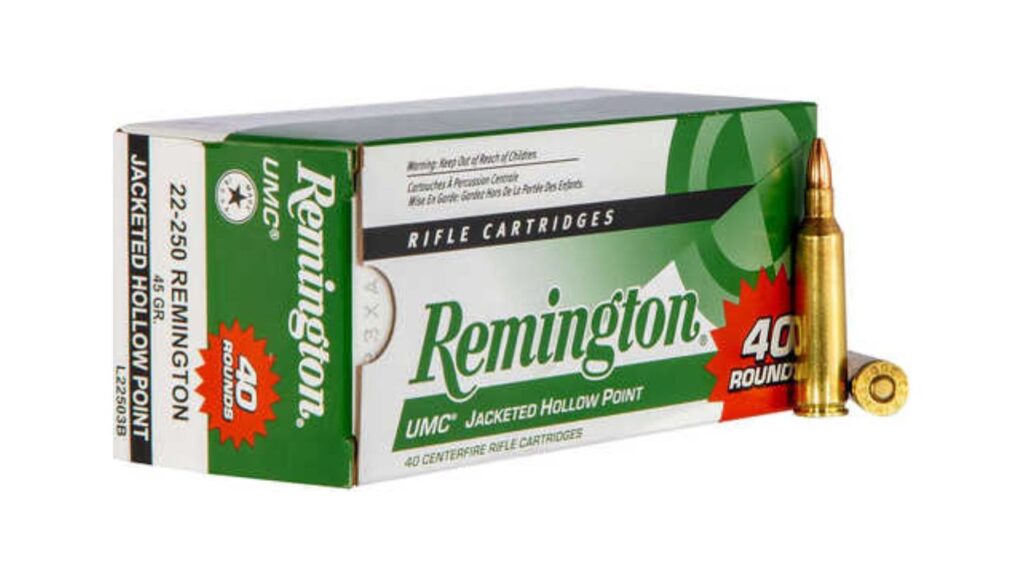
The .22-250 is known for blistering speed and flat trajectories, but that same speed makes it unpredictable when it clips anything in flight. The light bullets it launches are easily disrupted, and even a small leaf can throw your shot wide. It’s an incredible cartridge for open-country shooting but unreliable in brushy terrain.
The combination of fragile projectiles and high velocity leads to explosive bullet breakup before impact. That’s a problem when you’re dealing with thick brush where you might only have small shooting windows. For long-range precision, the .22-250 is excellent—but for close, dense woods work, it’s one of the worst choices you can make.
6mm Creedmoor
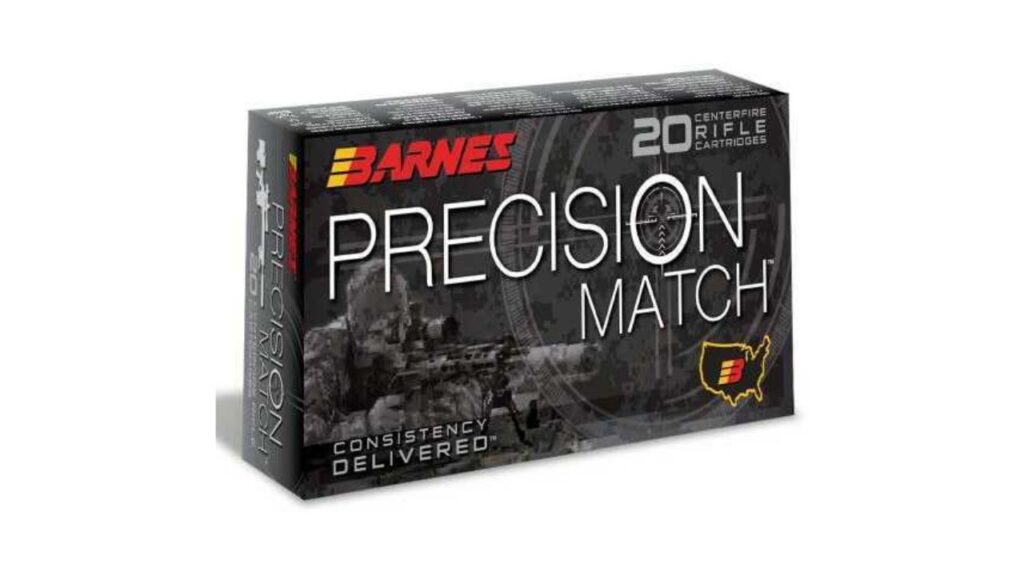
The 6mm Creedmoor is praised for accuracy and speed, but in heavy cover, those light-for-caliber bullets lose their edge. Most factory loads use high-BC projectiles designed for open-range stability, not brush deflection. When they hit debris, they tumble or fragment instead of pushing through.
That sleek shape that helps them cut the wind in open country becomes a weakness in close, cluttered terrain. The 6mm Creedmoor can drop deer cleanly in open spaces, but in thick woods, you’re relying on perfect shot placement through obstacles that don’t forgive mistakes. It’s a precision round, not a brush round.
.243 Winchester
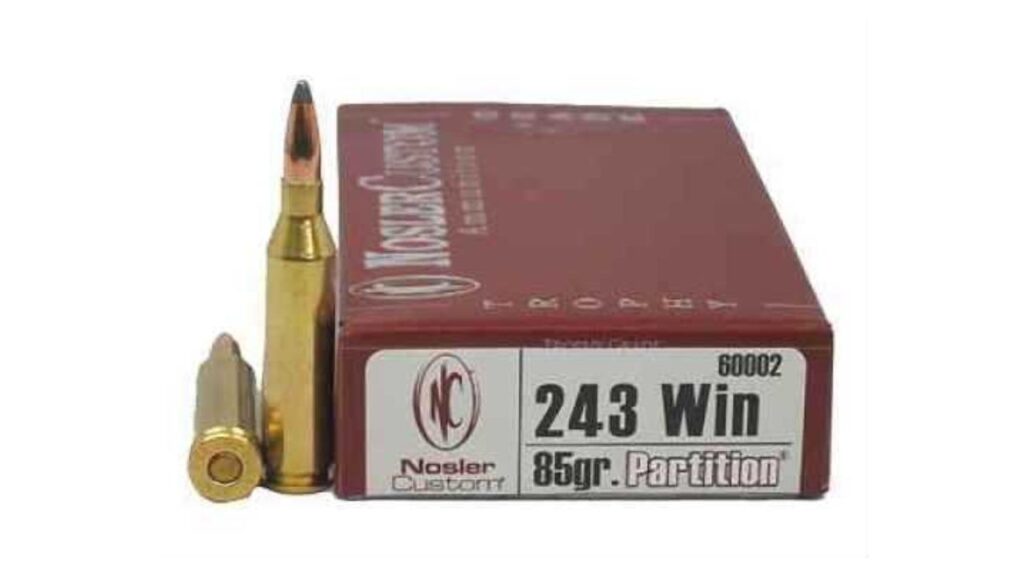
The .243 Winchester has put down plenty of deer, but it’s not ideal in dense brush. Its smaller bullets are built for velocity, not barrier penetration. A single branch can ruin your trajectory, and light bullets tend to lose energy quickly once they hit resistance.
Even with bonded bullets, the .243 lacks the weight to stay stable when things get messy. It’s an accurate and mild-shooting cartridge, but if you’re hunting in tight timber where every shot is through saplings or vines, you’ll see why bigger, slower calibers still rule those woods.
.25-06 Remington
The .25-06 is another flat-shooting round that fails to perform in thick cover. Its light, high-speed bullets explode on impact with any obstacle, and by the time they reach the target—if they reach it—they’ve lost both accuracy and energy. It’s built for long shots, not close-quarters hunting.
Even with premium bullets, the velocity makes it too sensitive to deflection. You’ll notice erratic impacts if your shot path isn’t perfectly clear. The .25-06 can be a deer slayer in open plains, but in dense forest, it’s more frustration than success. Slower, heavier calibers simply hold their line better when things get tangled.
.204 Ruger
The .204 Ruger is one of the fastest small-caliber rounds ever made, but it’s completely out of its element in brush. Its tiny 32- or 40-grain bullets disintegrate on contact with even thin twigs. At 4,000 feet per second, a little deflection turns into a massive miss downrange.
It’s excellent for prairie dogs and coyotes where you have a clear view, but once you’re in thick timber, it loses all reliability. The bullet is too light to maintain stability, and penetration is almost nonexistent through cover. It’s a cartridge built for clean sightlines—not the kind of shooting that happens in the woods.
7mm-08 Remington with Light Loads

The 7mm-08 can perform well in many situations, but the lighter bullet loads ruin its performance in brush. Those 120- to 139-grain projectiles are fast and accurate, but they tend to fragment or drift after even minor deflection. Heavier bullets can handle it better, but most off-the-shelf ammo doesn’t fall into that category.
If you’re running lighter ballistic tips in thick cover, expect poor results. The 7mm-08 has great potential with bonded or heavy bullets, but the popular factory loads make it too similar to the .243 in how it reacts to obstacles. Bullet choice matters—but with the wrong one, it fizzles quick.
.270 Winchester

The .270 is a classic, but it’s not known for being forgiving in brush. Its typical 130- to 150-grain bullets are long, fast, and built for distance. When they hit branches or tall grass, they’re prone to deflecting or fragmenting before reaching the target. That makes it risky in the thick stuff.
The .270’s velocity is part of the problem—it’s great for long shots but poor for pushing through clutter. A slower .30-caliber bullet tends to hold its course better. The .270 remains an excellent all-around round, but when visibility drops to 30 yards or less, it’s out of its comfort zone.
5.56 NATO
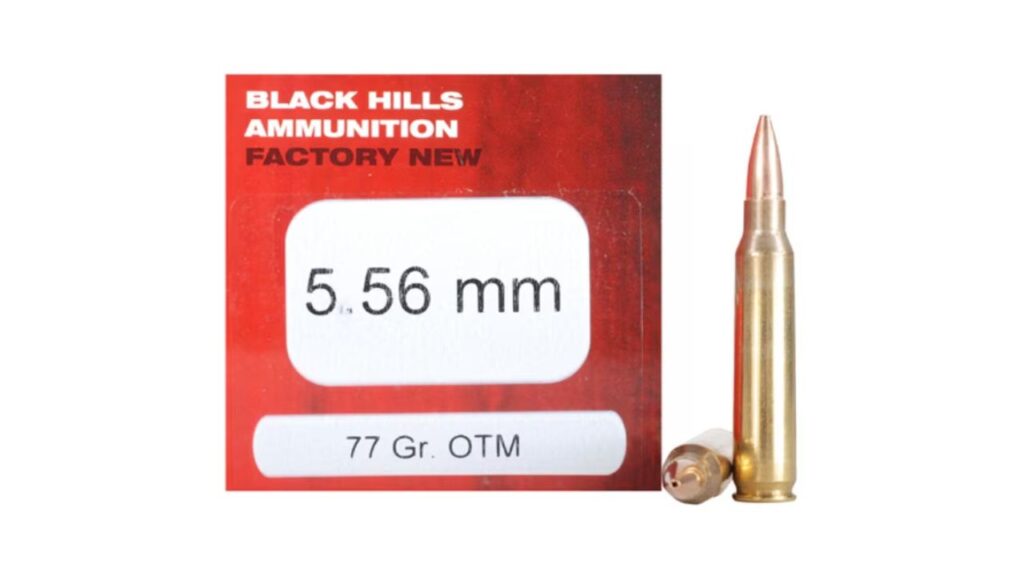
While the 5.56 NATO is reliable in function, it’s not built for brush. Light, high-velocity bullets lose their path fast when they hit even light cover. Military ball ammo fares slightly better, but soft points and hollow points are easily deflected. The result is unpredictable impact and poor terminal effect.
In dense woods or heavy vegetation, 5.56 rounds simply don’t carry enough weight to punch through without drifting. It’s great for tactical use in open or urban environments, but in the deer woods, it’s the wrong choice. When speed meets brush, the 5.56 loses every time.
6.5 Creedmoor with Match Bullets

The 6.5 Creedmoor is accurate, efficient, and consistent—until you put it in thick cover. Most shooters run match or hunting loads with thin-jacketed, high-BC bullets that don’t tolerate deflection well. Those long, sleek bullets are meant for stability in open air, not debris.
When they hit brush, they yaw, fragment, or veer off path. In open country, that precision shines, but in the woods, it turns unpredictable. With proper bullet selection, the Creedmoor can still perform—but too many shooters use the wrong loads for close, cluttered conditions. When brush is in play, speed and aerodynamics take a back seat to mass and momentum.
*This article was developed with AI-powered tools and has been carefully reviewed by our editors.