Photo credit: Paul Messner/YouTube
If you spend enough time outdoors, you’ll quickly figure out not every knife is built for backwoods life. Some look nice but fall short when it’s time to get work done. Others have simple features that make every camp task quicker and easier. Whether it’s food prep, fire making, or building shelter, certain knife details really matter out there. Here are seven practical knife features that help you get things done without any extra hassle in the woods.
Scandi Grind for Easy Sharpening
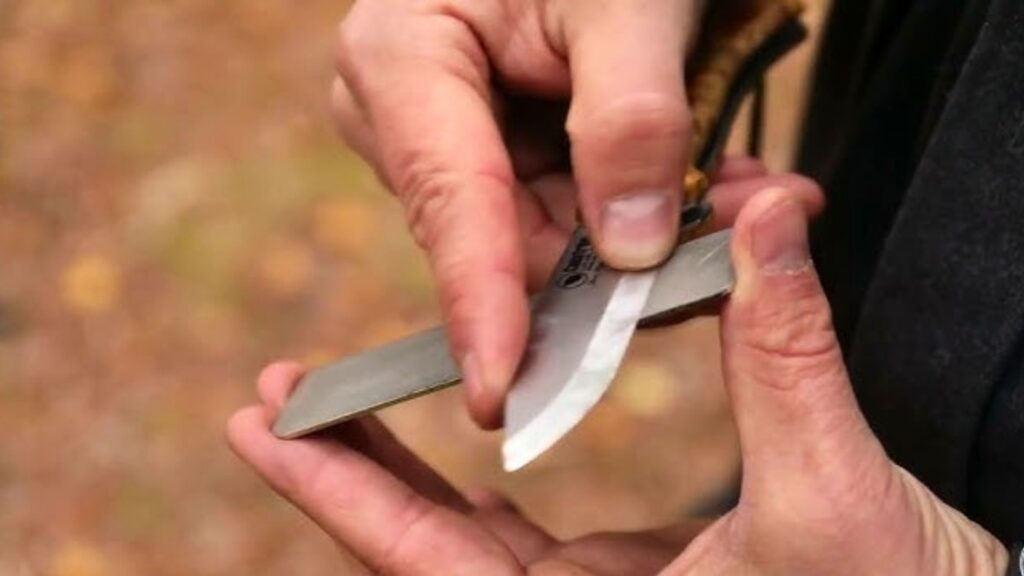
A Scandi grind makes life simpler because it’s quick to sharpen and bites into wood easily. When you’re carving feather sticks or shaping camp tools, this grind doesn’t slip. It’s beginner-friendly and easy to touch up on a basic stone. If you don’t want to mess around with complicated sharpening setups, a Scandi grind keeps things simple and functional in the field.
Micarta Handles for a Secure Grip
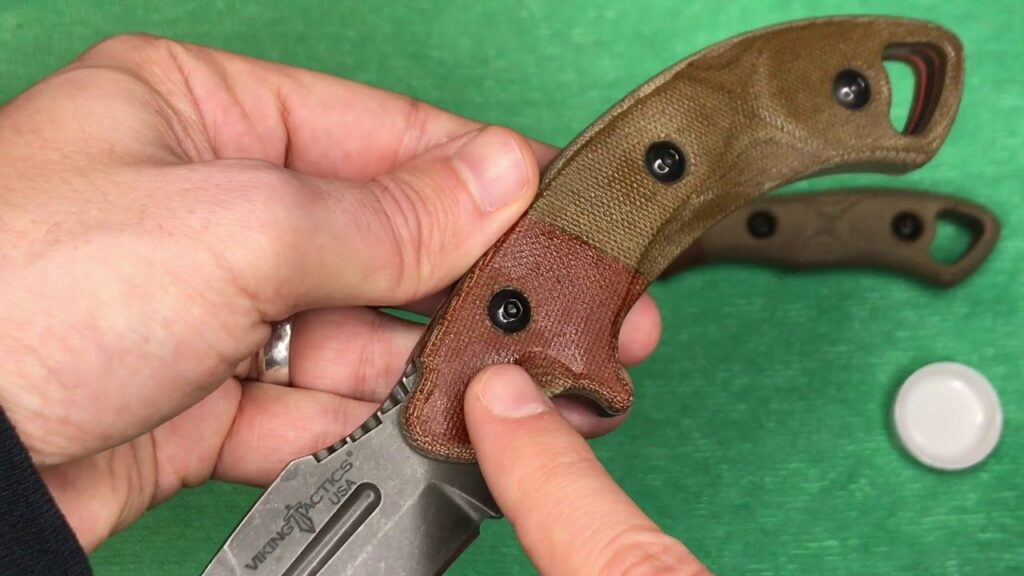
Micarta handles hold up well when things get wet, muddy, or sweaty. They don’t get slick like smooth plastics, and they don’t crack like cheap wood scales. Even in freezing temperatures, Micarta stays grippy and comfortable. For real outdoor use, especially on longer trips, a solid Micarta handle keeps you working longer without losing your grip or dealing with hand fatigue.
Stainless Steel for Low Maintenance
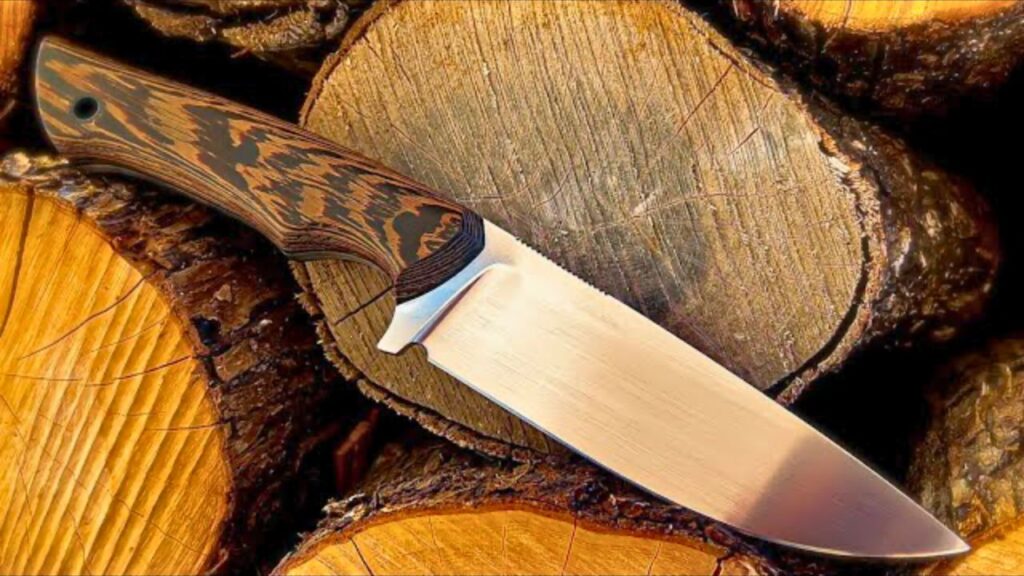
In wet climates, stainless steel saves you headaches. Steels like 14C28N or VG10 resist rust better than high-carbon options. You still need to wipe them down, but you won’t be scrubbing off orange spots every morning. For trips near water or in constant rain, a stainless steel blade makes daily maintenance easier, so you can spend more time relaxing and less time fighting corrosion.
Full-Tang Construction for Durability
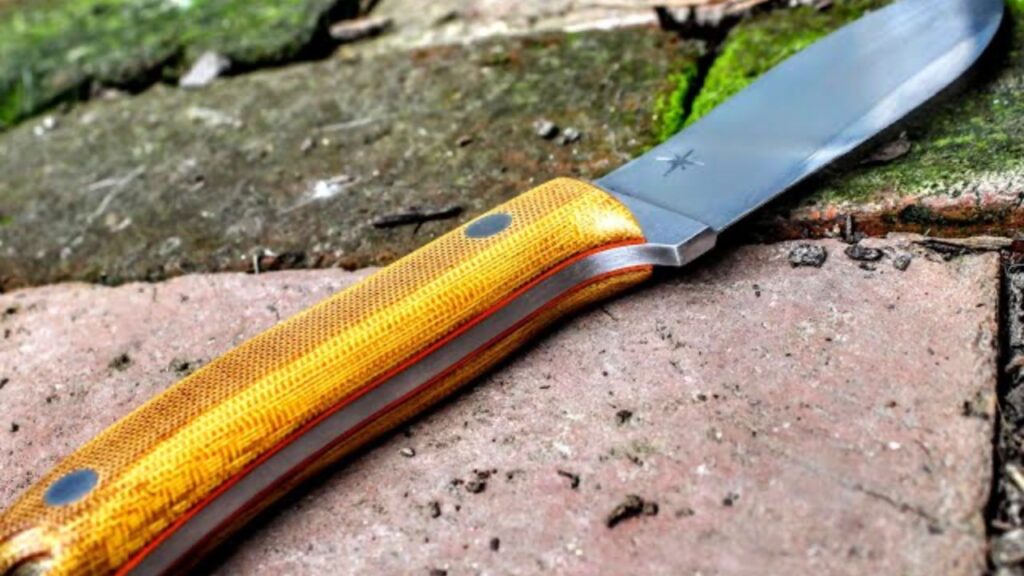
A full-tang knife runs the blade steel through the entire handle, making it much stronger for hard use. You can baton firewood, pry on materials, or make shelter without worrying about breaking your knife. Partial tang blades have their place, but for backwoods life where you might depend on your knife, full-tang construction is the safer bet.
Sheath with a Drain Hole
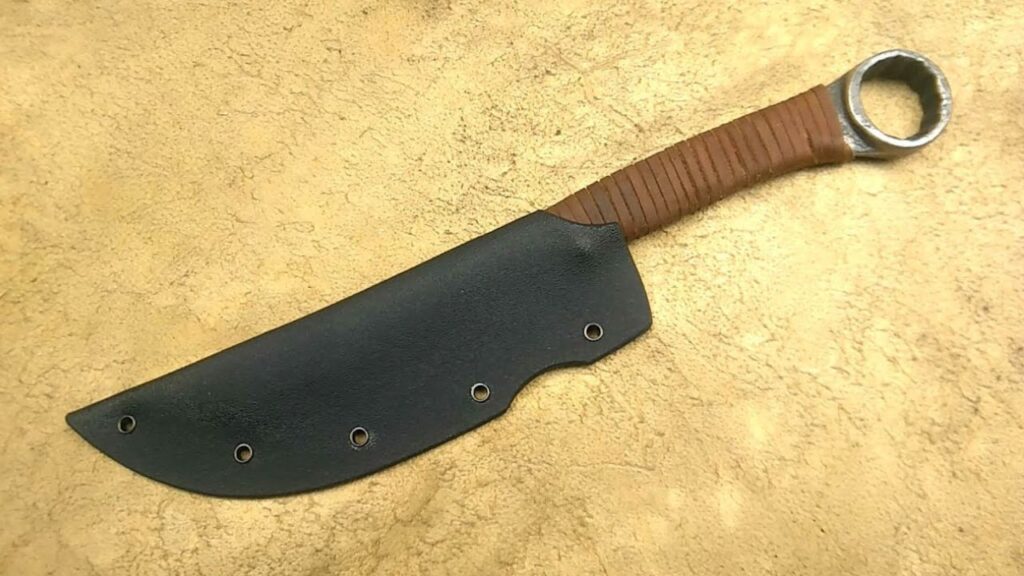
It seems like a small detail, but a sheath with a drain hole keeps moisture from wrecking your blade. After hiking in the rain or crossing streams, trapped water can cause hidden rust. A simple drain hole lets water escape and helps your knife dry naturally. It’s a simple feature that saves your edge in the long run.
Lanyard Hole for Security
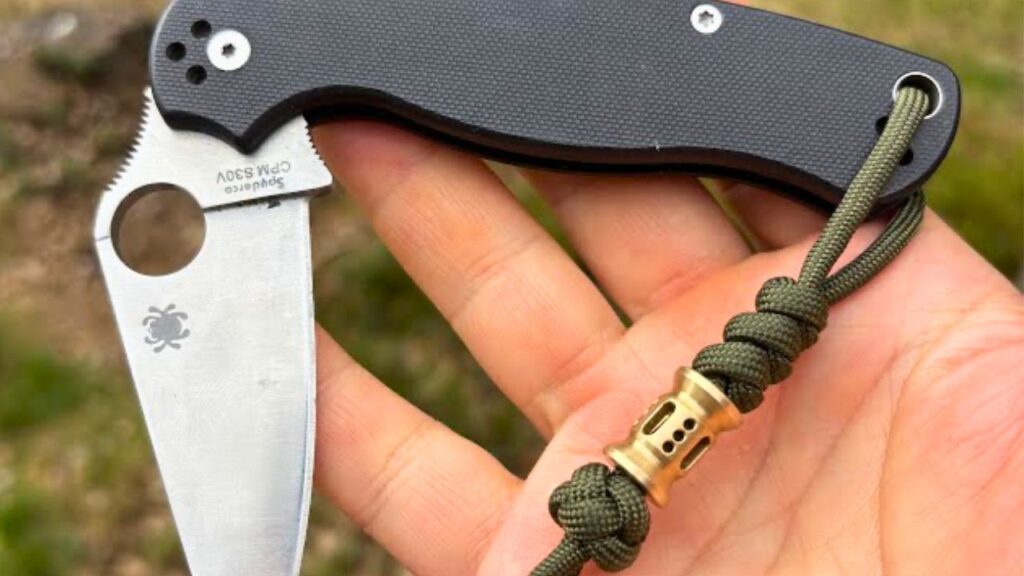
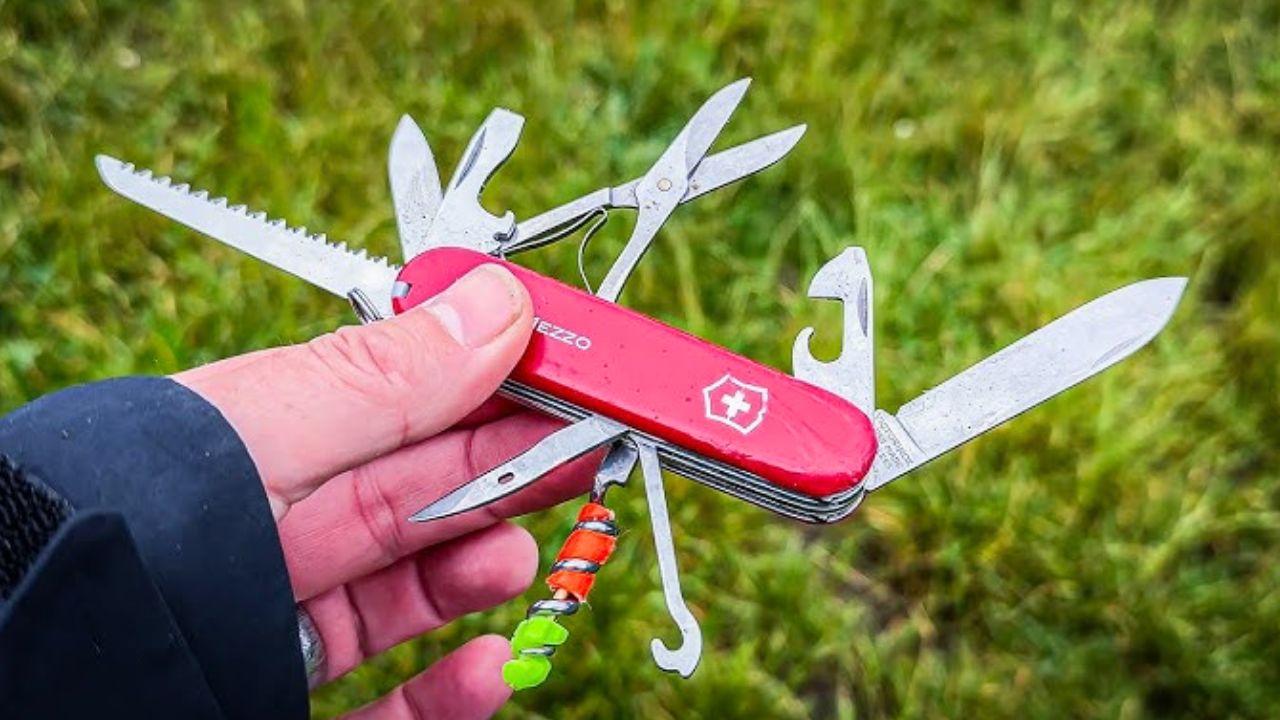
A lanyard hole doesn’t seem important until you almost lose your knife. Whether you’re working over water or setting up camp in tall brush, being able to tie your knife off gives peace of mind. It also helps with quick access when your knife is stored deep in a pack or strapped to your belt.
Drop Point Blade Shape for Versatility
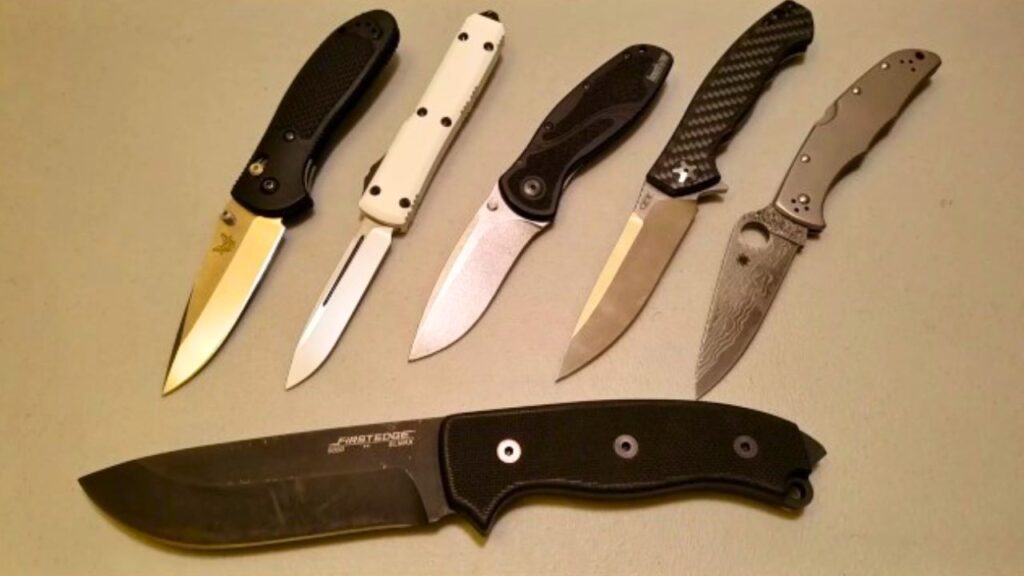
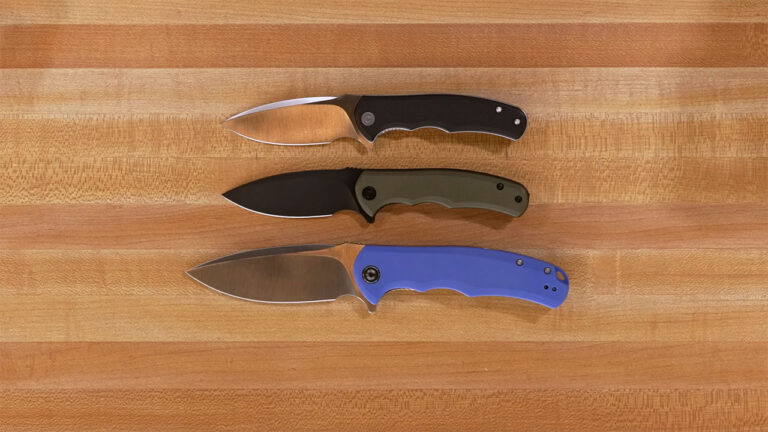
A drop point blade is one of the most useful designs in the woods. The strong tip gives you enough strength for carving, while the long edge handles slicing tasks. You can use it for game processing, food prep, or basic camp chores without feeling limited. It’s an easy-to-manage blade shape that stays practical no matter what job comes up.
*This article was developed with AI-powered tools and has been carefully reviewed by our editors.