Photo credit: Amazon
A folding knife is only as good as its lock. If the lock fails, you’re risking busted knuckles or worse. Not every knife lock holds up when you really bear down on it, but a few have built solid reputations for staying put under real pressure. Whether you’re doing hard utility work or just want peace of mind, these locks won’t fold on you. Here are ten knife lock types you can trust when things get rough, without worrying about failure.
Tri-Ad Lock

Cold Steel’s Tri-Ad Lock has a strong reputation for being nearly bombproof. It’s basically a back lock with added strength from a stop pin that distributes force more evenly. This design holds up through batoning, prying, and heavy slicing without budging. People love it because it doesn’t wiggle or develop play, even after extended use. If you need a folding knife that feels almost like a fixed blade, the Tri-Ad Lock delivers dependable, no-nonsense strength.
Axis Lock

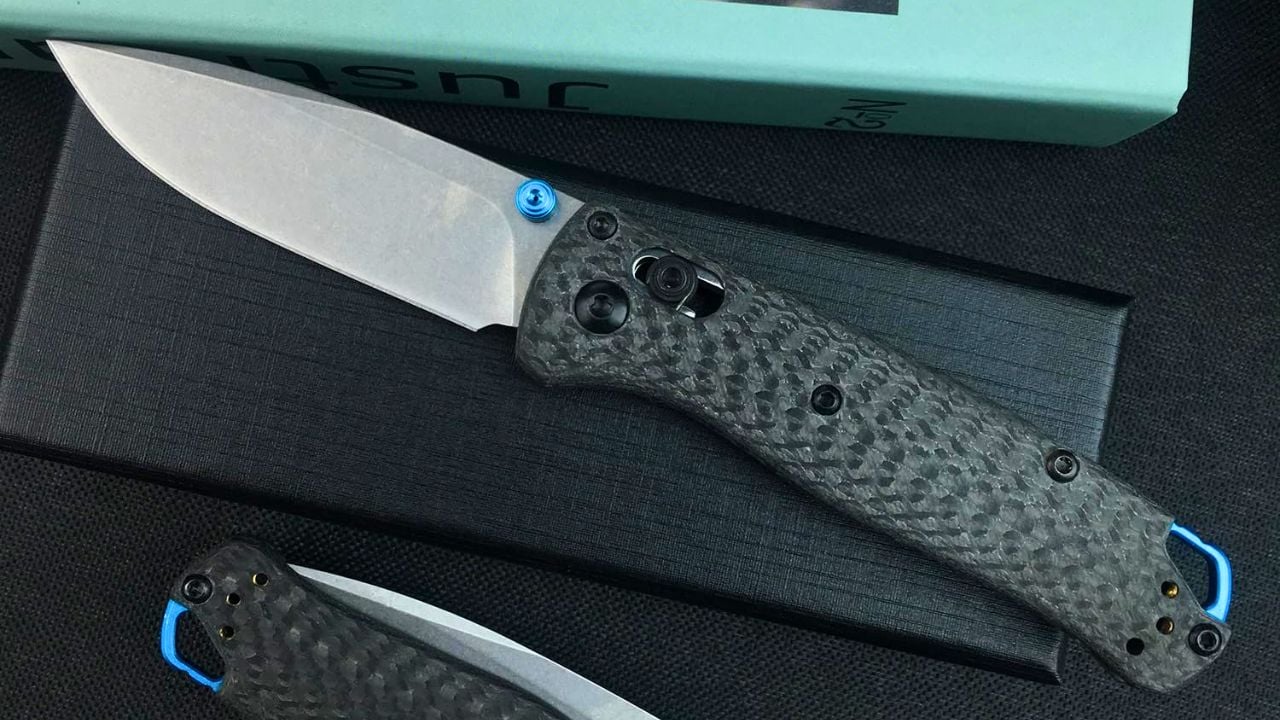
Benchmade’s Axis Lock is popular for a reason—it’s smooth, ambidextrous, and surprisingly strong. The spring-loaded bar holds the blade firmly in place, even during hard use. Hunters and outdoor users trust it because it doesn’t give up after repeated openings or tough tasks. Maintenance is simple, and it works well with one hand. Many knife owners stick with the Axis Lock because it combines solid lockup with fast, easy operation out in the field.
Compression Lock
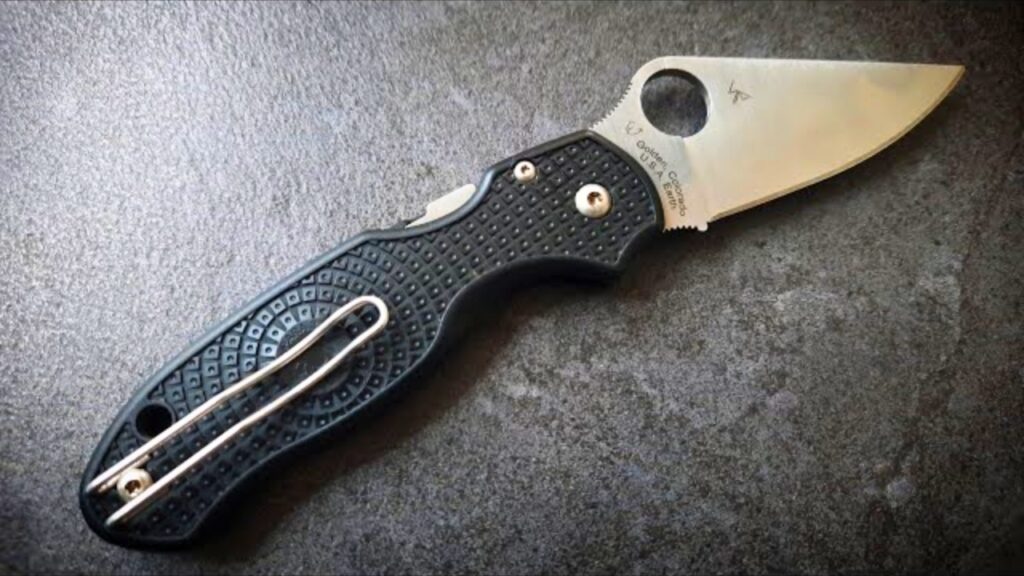
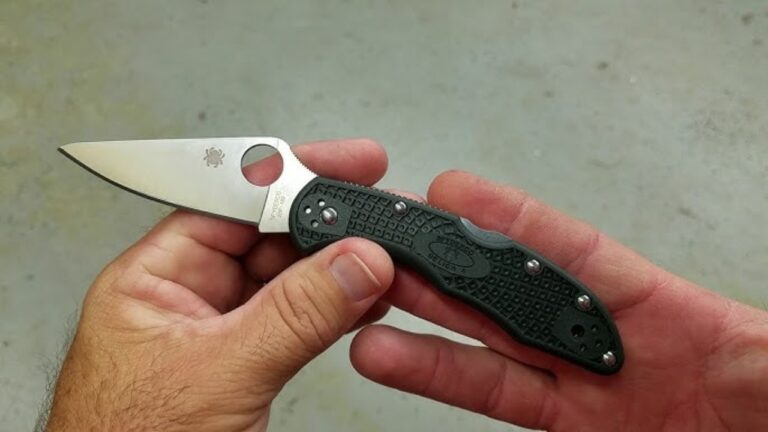
Spyderco’s Compression Lock offers solid strength in a compact, easy-to-use design. It locks the blade using a split liner that wedges against the tang from the top, making it less likely to fail under downward pressure. People like it because you can close the knife without putting your fingers in the blade’s path. It’s been tested in hard use and holds up well on everything from EDC knives to heavy-duty outdoor blades.
Frame Lock
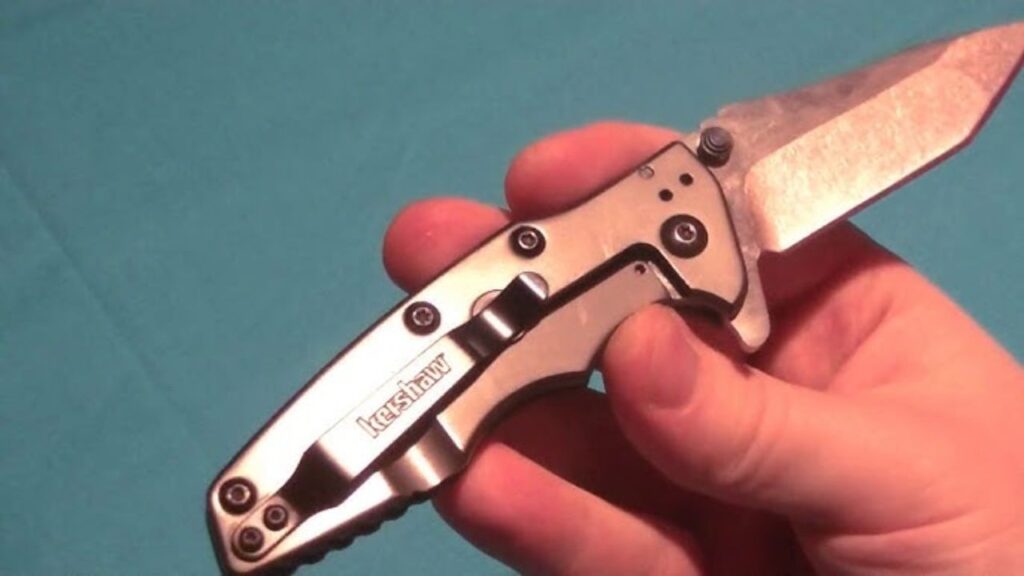
Frame locks are known for simplicity and strength, especially when done well. The lock bar is part of the handle itself, creating a thick piece of metal bracing the blade open. They’re favored on many hard-use folders because there’s less that can break. Titanium frame locks, in particular, offer excellent durability with minimal weight. When built right, frame locks are rock solid and take plenty of abuse without folding or slipping under pressure.
Back Lock
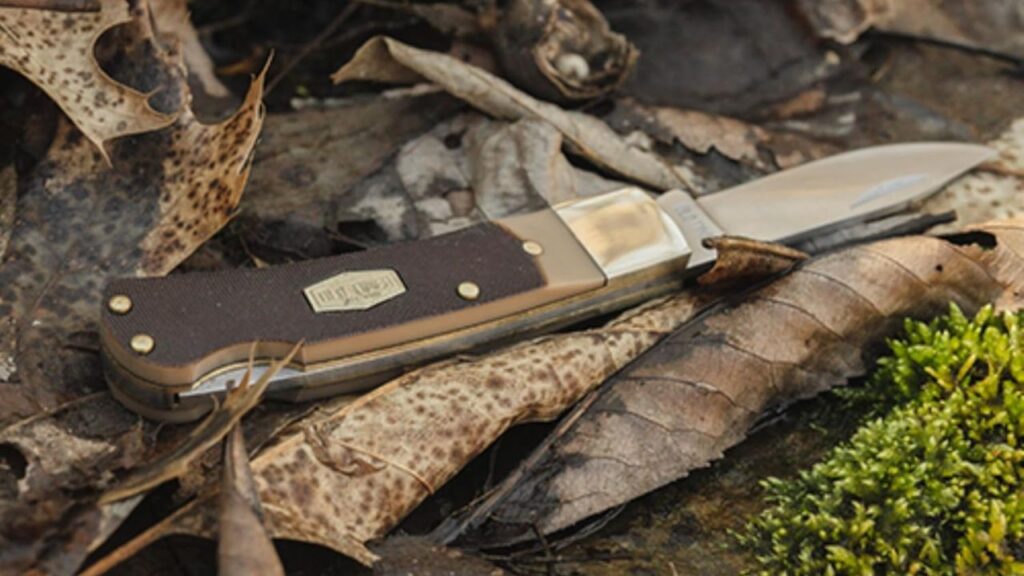
Back locks have been trusted for decades because of their consistent strength. The lock bar runs along the spine of the knife, engaging a notch in the blade. When properly made, they stay secure through tough cutting without accidental releases. Many classic hunting knives use back locks because they’re easy to maintain and hold up well. They don’t rely on springs or complicated mechanisms, making them a good choice when reliability matters most.
Crossbar Lock
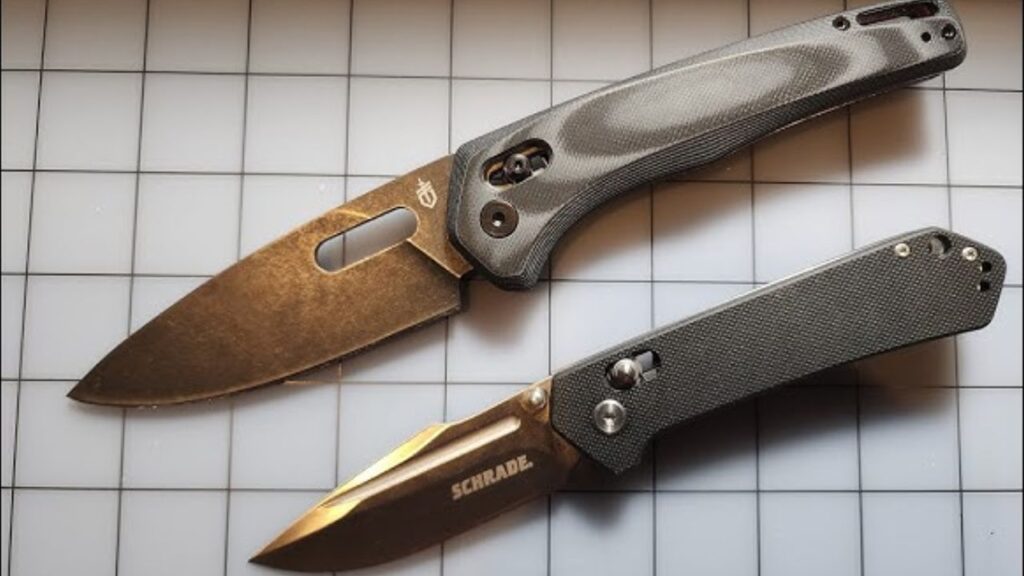
Crossbar locks, similar to the Axis Lock, are showing up on more affordable knives and still hold up well under strain. Companies like SOG and Civivi use this style, and it delivers smooth operation with solid lockup. The bar runs across the knife, wedging into the tang securely. Crossbar locks are easy to operate with gloves and resist wear even after thousands of openings. They’re a good option for folks wanting tough performance without the high price tag.
Liner Lock (Well-Made)
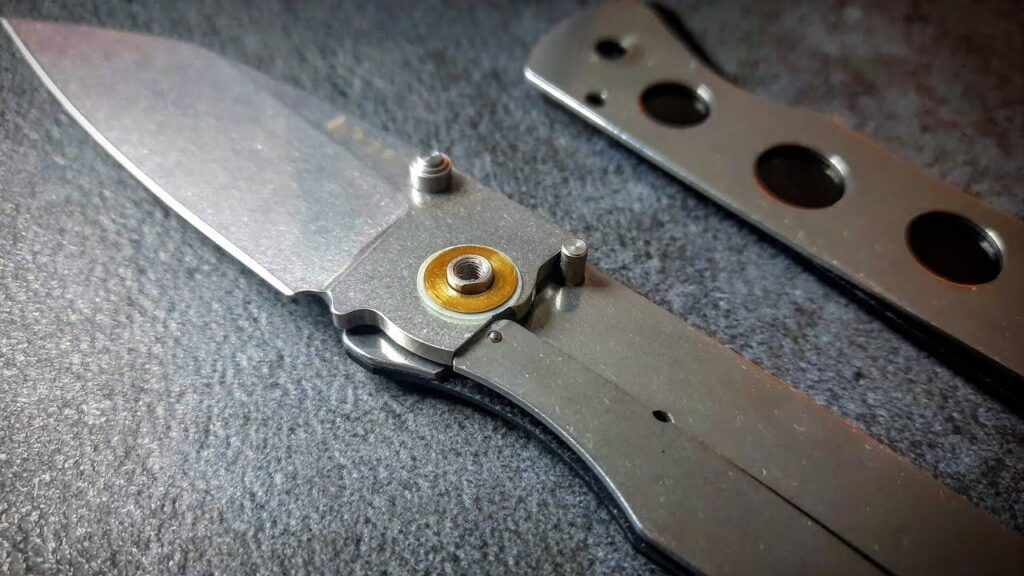
Liner locks get a bad reputation because of cheap versions, but a well-made liner lock holds its own. Higher-end liner locks use thick liners and precision fitting to ensure the lock seats fully and doesn’t slip. For EDC tasks and moderate hard use, they stay dependable. Many people like liner locks because they’re simple to operate and easy to maintain. When done right, they give you good reliability in a slim, lightweight package without unnecessary complications.
Bolt Lock

Bolt locks, like those found on certain SOG knives, use a sliding bolt that locks the blade open. They’re strong, ambidextrous, and resistant to failure under stress. The bolt engages securely and doesn’t budge during prying or chopping. People appreciate bolt locks for their sturdy feel and the ease of closing without risking fingers. While not as common, bolt locks have proven to be a solid option when durability and smooth operation are both priorities.
Shark Lock

Demko Knives introduced the Shark Lock, and it’s quickly gained praise for combining strength with fast action. It’s a small tab at the spine that you pull back to close the knife, locking it securely when open. Field testing shows it holds up impressively under heavy use, even on hard tasks like batoning. It keeps fingers clear of the blade during closing and offers a solid, satisfying lockup. For a newer lock design, it’s already proven itself with serious durability.
PowerLock
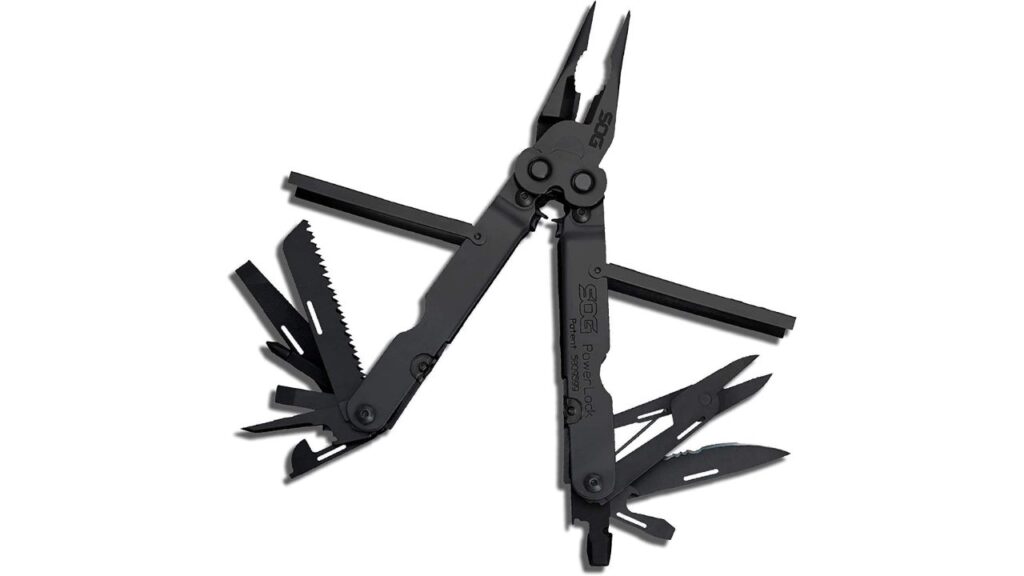
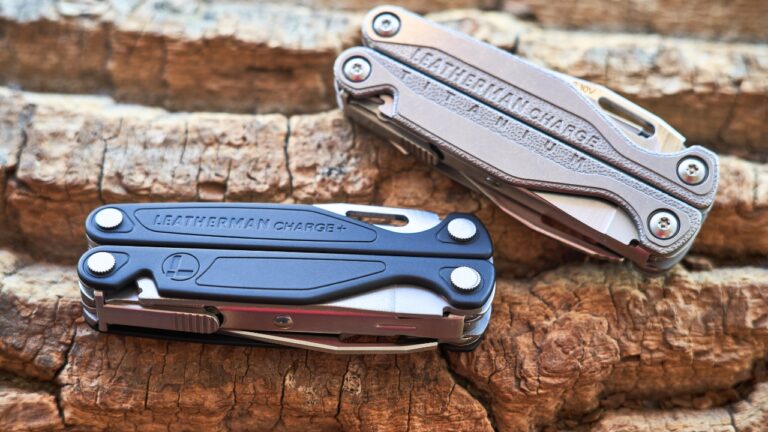
SOG’s PowerLock system appears mostly on their multitools, but it deserves a mention for sheer toughness. The lock engages through a gear-driven system that clamps down on tools or blades, keeping them firmly open during use. It’s designed to handle torque and leverage without folding. For folks who use multitools hard in the field, the PowerLock offers security that cheaper multitools can’t match. It’s a reminder that reliable locks aren’t just for knives—they’re critical on tools too.
*This article was developed with AI-powered tools and has been carefully reviewed by our editors.