
Photo credit: Luk_at_mi/YouTube
Knife steel talk gets weird fast because guys treat it like a status symbol. In real use, it comes down to three things: how long it holds an edge, how easily it sharpens, and how well it survives abuse without chipping or rolling. Corrosion resistance matters too—especially if you sweat, hunt, fish, or live where everything rusts. No steel wins every category. Every one is a trade. Here are 15 common pocket-knife steels, explained like a normal human, plus who each one actually fits.
420HC
420HC gets mocked online, but it’s a solid “real world” steel when the heat treat is done right. It’s tough enough for everyday use, it resists rust reasonably well, and the biggest perk is it sharpens fast. If you actually use a knife and don’t want sharpening to feel like a chore, 420HC is friendly. The trade is edge retention—you’ll touch it up more often than premium steels. But most people don’t need a knife that stays razor sharp for months; they need a knife that can be brought back quickly after cutting cardboard, rope, and whatever shows up on a normal day. This steel is for the guy who values easy maintenance, uses the knife often, and isn’t trying to impress anyone on the internet.
14C28N
14C28N is one of the best “budget-to-mid” steels for actual use. It’s stainless, it takes a very clean edge, and it has good toughness—meaning it’s less likely to chip on normal hard use. It also sharpens easier than many of the higher-end powder steels. You’ll see it on a lot of knives that are meant to be used hard without turning into a maintenance project. Edge retention is solid, not magical, but good enough that you’re not constantly touching up. This steel is for the guy who wants a practical EDC blade that can handle some abuse, won’t rust easily, and doesn’t require special stones and a quiet room to sharpen. It’s a “works for most people” steel.
154CM
154CM is a classic for a reason. It’s been around a long time, it’s predictable, and it offers a good balance of edge retention and corrosion resistance without being overly brittle. It holds an edge better than basic stainless steels, and it’s still reasonable to sharpen with normal gear. If you’re the type who wants a dependable pocket knife that can do daily work—breaking down boxes, cutting rope, trimming, light wood work—154CM is a safe bet. The trade is it’s not the toughest steel on earth, so if you’re constantly twisting, prying, or doing dumb stuff, you can chip it. This steel is for the guy who wants a solid, proven option that’s not trendy but still performs.
VG-10
VG-10 is common for a reason: it’s stainless, it takes a sharp edge easily, and it performs well in typical EDC use. It can feel “slick” on sharpening stones compared to some other steels, but it’s not a nightmare. The big thing with VG-10 is that it’s sensitive to heat treat and edge geometry. A good VG-10 knife can be excellent. A poorly done one can feel chippy or lose bite quicker than expected. In daily carry use, it’s usually a solid performer, especially if you aren’t trying to baton firewood with your folder. This steel is for the guy who wants an easy-to-live-with stainless blade that’s proven, and he’s buying from a maker with decent quality control.
D2
D2 is popular because it has strong wear resistance for the money, so it can hold an edge longer than many basic steels. The downside is corrosion resistance—D2 is not truly stainless, and it can rust if you sweat on it, carry it in humid weather, or neglect it after wet work. It also can be a little more prone to chipping depending on the knife’s edge geometry and heat treat. Sharpening D2 can take more effort than simpler steels. This steel is for the guy who wants longer edge life on a budget and doesn’t mind wiping the blade down and doing a little maintenance. If you’re the type who carries in gym shorts all summer and sweats through everything, D2 will make you learn to care about rust.
Nitro-V
Nitro-V is a modern “usable stainless” steel that shows up because it’s tough, it sharpens easily, and it resists corrosion well for the class. It’s not chasing extreme edge retention like the high-end powder steels, but it’s practical and forgiving. It tends to do well with thinner edges that slice nicely without chipping immediately, which matters for daily cutting tasks. If you want a knife you can touch up quickly and actually use hard without babying, Nitro-V is a good pick. It’s also a solid option for humid climates and sweaty carry. This steel is for the guy who wants a tough stainless EDC that doesn’t demand special sharpening gear, and he values a knife that’s easy to keep “working sharp” all the time.
S30V
S30V is a modern classic in the “premium production” world. It offers good edge retention and decent corrosion resistance, and it’s been used long enough that most reputable makers know how to treat it. It holds an edge noticeably better than the simpler stainless steels, but it takes more work to sharpen, especially if you let it get really dull. It can also chip if the edge is too thin and you’re hard on it, but in most EDC use it’s reliable. S30V is for the guy who wants a step up in edge life, carries a knife daily, and doesn’t mind spending a little more time sharpening or paying attention to maintenance. It’s a good “one knife does most things” steel.
S35VN
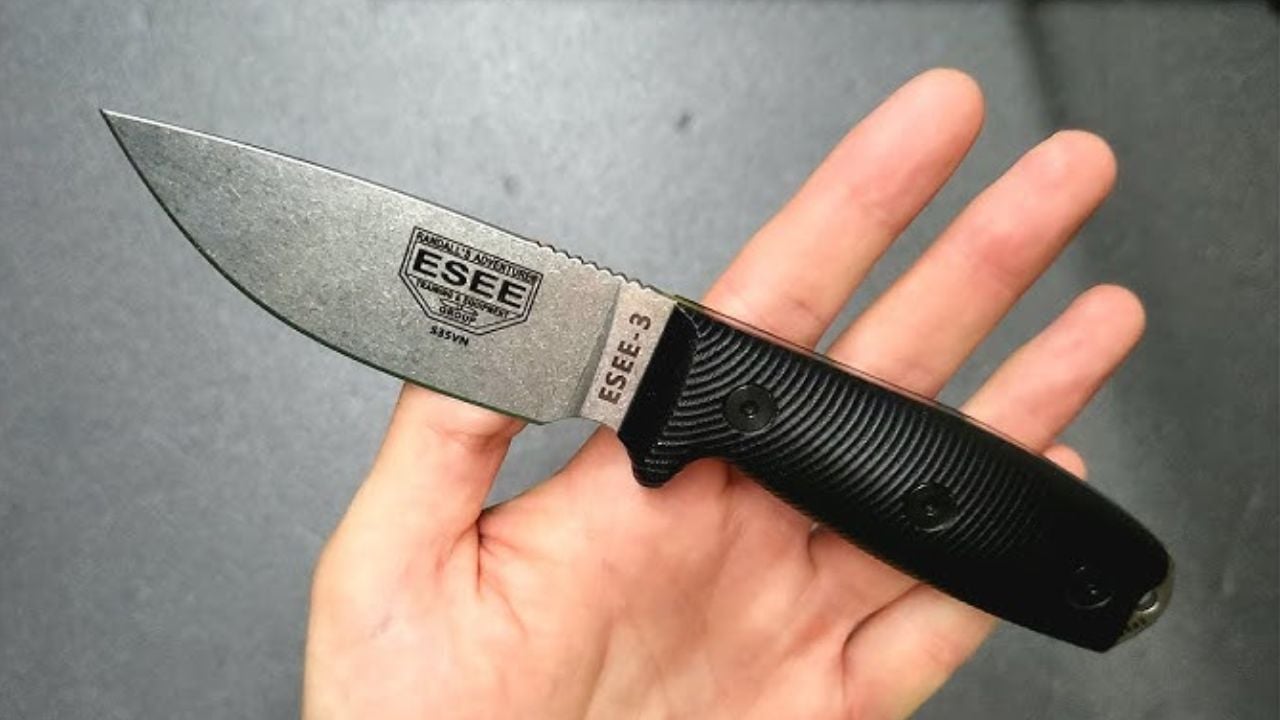
S35VN is basically S30V with a little more toughness and a slightly easier sharpening feel for many users. It’s a popular upgrade because it keeps good edge retention while being a bit more forgiving. In real use, that means it’s a little less likely to chip on rougher cutting and it’s a little friendlier when you’re touching up an edge. Corrosion resistance is solid for daily carry. This steel is for the guy who likes the S30V performance category but wants something a bit more balanced—especially if he’s an everyday user who sometimes pushes a folder beyond “just opening packages.” It’s a strong choice for hard EDC where you still want a premium edge that lasts.
S45VN
S45VN is another refinement in that same family—good edge retention, good corrosion resistance, and solid overall performance when done right. In practical use, it can feel like a small step forward in edge stability and corrosion resistance compared to older options, depending on the maker and heat treat. The real point is it’s a modern premium steel that’s common enough to be supported well by manufacturers and common enough to be proven. It still isn’t “magic,” and it still needs decent sharpening tools if you want to maintain it efficiently. This steel is for the guy who wants a current-production premium knife, expects good performance across the board, and wants a steel that can live in a pocket year-round without constant worry.
S90V
S90V is an edge retention monster, and it comes with a price: it’s harder to sharpen and it can be less forgiving if you abuse it. It’s great for people who cut a lot of abrasive materials—cardboard, dirty rope, gritty stuff—where simpler steels lose bite fast. But if you chip an edge or you let it get really dull, you’re going to work to bring it back unless you’ve got good stones or diamond gear. Corrosion resistance is solid. Toughness is not the main selling point. S90V is for the guy who cares most about edge life and is willing to accept harder sharpening. If you’re the “I hate sharpening” guy but you still want a sharp knife all the time, this steel makes sense—just don’t pry with it.
M390
M390 is a popular premium steel because it combines strong edge retention with high corrosion resistance. It’s a great EDC steel if you want a blade that stays sharp a long time and doesn’t rust easily. The trade is sharpening: it’s not impossible, but it’s more work than simpler steels, and it prefers good stones. In the real world, a good M390 blade will keep working sharp through a lot of cutting before you need to touch it up. It also tends to do well with thin, slicey grinds that people actually like using. M390 is for the guy who wants “premium stainless that lasts,” carries daily, and doesn’t mind owning decent sharpening gear or paying someone to sharpen it right.
20CV
20CV is basically in the same performance neighborhood as M390, and in day-to-day use most people won’t feel a huge difference. You’re getting strong edge retention, excellent corrosion resistance, and a steel that holds up well in modern EDC knives. It still takes more effort to sharpen than mid-tier steels, and it still isn’t a pry bar steel. The reason 20CV shows up a lot is it’s a proven “premium production” choice with consistent results when makers treat it correctly. This steel is for the guy who wants a high-end stainless folder that stays sharp through a lot of use, lives fine in sweaty pockets, and he’s okay doing touch-ups with the right tools. It’s a practical premium steel, not a gimmick.
CPM MagnaCut
MagnaCut is popular because it’s trying to give you the best mix: high corrosion resistance, good toughness, and strong edge retention—without forcing you to pick only one thing. In real use, that means it can handle harder work with less chipping than some “edge retention first” steels, while still resisting rust very well. It’s also a great option if you live in humid areas, sweat a lot, or use your knife around water. Sharpening is reasonable with good stones. The big thing is it’s still dependent on heat treat, but many reputable makers have it dialed. MagnaCut is for the guy who wants a modern steel that can do real work, resist rust, and still hold an edge well—one of the best all-around picks right now.
CPM CruWear
CruWear is tough and hard-use oriented, and you see it with guys who actually beat on knives. It’s not a stainless steel in the way M390 is, so it can rust if you neglect it, but many CruWear blades have coatings or finishes that help. Where it shines is toughness and edge stability—meaning it handles harder cutting and impact better than many high-wear stainless steels. It also sharpens easier than you’d expect for how well it performs. CruWear is for the guy who wants a folder steel that can take abuse—hard cutting, rough materials—without chipping like glass. If you hunt, work outside, or use your knife like a tool and not an accessory, CruWear is a serious option—just be honest about corrosion care.
CPM 3V
CPM 3V is a toughness-first steel, and it’s famous for surviving abuse that chips other steels. It’s not stainless, and it’s not the king of edge retention, but it can take impacts and hard cutting without falling apart. In pocket knives, you’ll see it in knives meant for heavier work—things that border on fixed-blade tasks. It also tends to sharpen fairly well compared to some ultra-wear steels. The downside is you need to care about rust, especially if you sweat a lot or work in wet conditions. 3V is for the guy who wants maximum toughness in a folding knife and he’s realistic about maintenance. If your knife is a work tool and you care more about “won’t chip” than “stays razor forever,” 3V makes sense.
Like The Avid Outdoorsman’s content? Subscribe to our newsletter so you never miss an article.
Here’s more from us:


