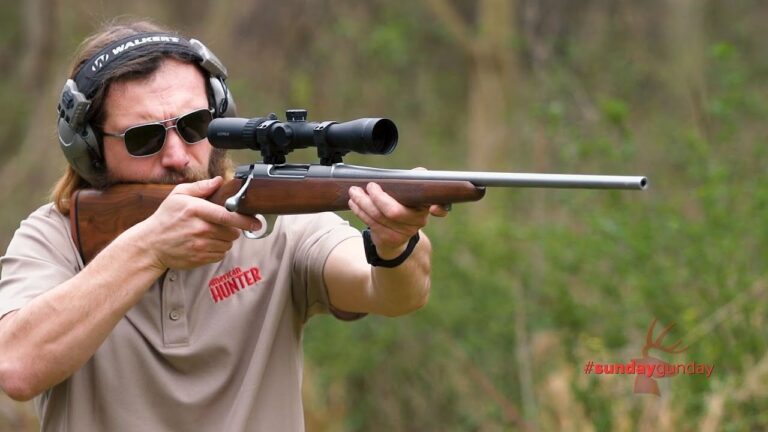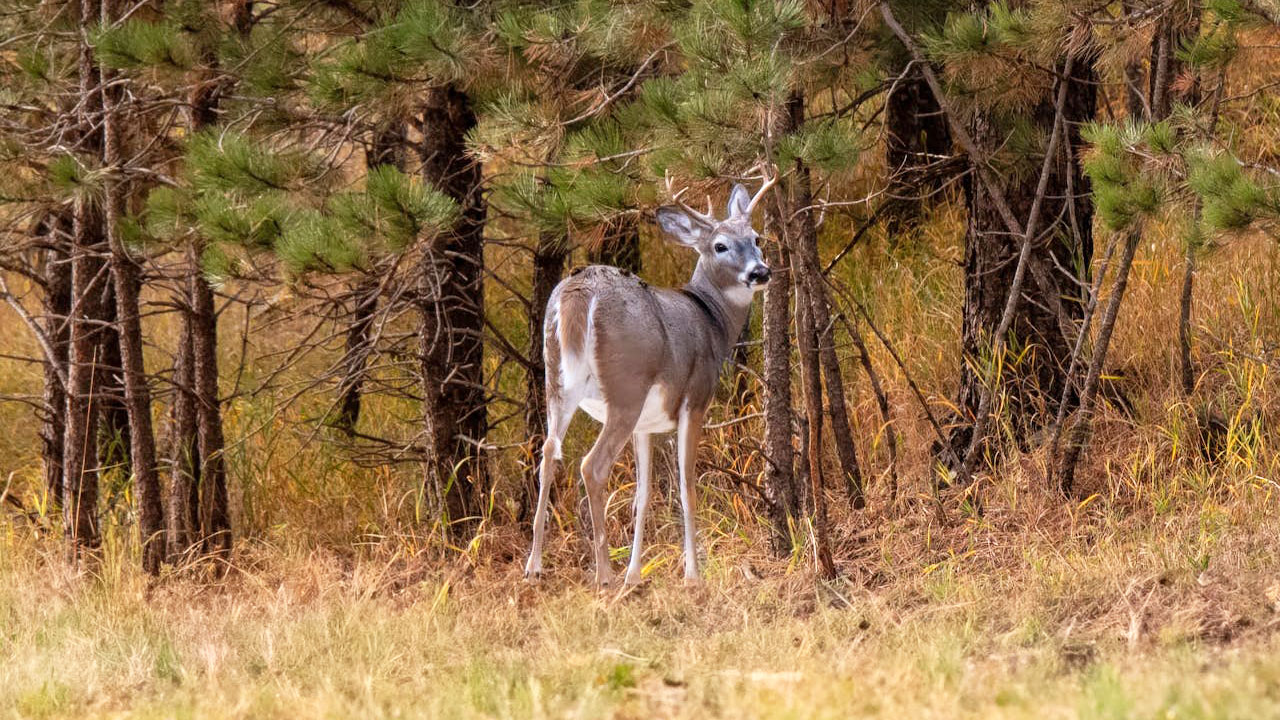
Photo credit: Mike Lensing/Pexels.com
A deer dying across a property line is one of those hunting situations that can turn from exciting to aggravating in a matter of minutes. One second you are standing there running the shot back through your head, feeling pretty good about what happened. The next second you are staring toward a fence, a posted sign, a neighboring lease, or a patch of ground you know can complicate the whole recovery. A lot of hunters think the hard part is over once the shot breaks and the animal runs off. Sometimes that is true. Sometimes the real trouble starts right there. The problem is not only about recovering meat or antlers. It is about rights, access, proof, timing, and the fact that once a deer comes to rest on somebody else’s property, you are no longer making decisions inside a clean little bubble of your own hunt. Another landowner, another lease holder, or another set of expectations has entered the picture. Most of the time, what happens next follows a few familiar paths, and the difference between a clean recovery and a bad mess usually comes down to how the hunter handles the first hour after the shot.
The blood trail stops being only your business once it crosses that line
A lot of hunters know this in theory, but they still act like the deer being theirs means the recovery is theirs too no matter where it ends. That is where people get sideways fast. A deer that dies across the property line may still be the animal you shot legally, but the ground it is lying on belongs to whoever controls that side, and that matters. Once the deer is over there, the issue is not only ethics or effort. It is access. Too many hunters make the mistake of thinking the obviousness of the situation should settle everything. They tell themselves any reasonable person would understand that they are only trying to recover an animal and get out. Sometimes that works. Sometimes it absolutely does not. Landowners hear a lot of “I’m only here for one thing” explanations, and not all of them end cleanly. The fact that the deer is dead does not erase the need to ask permission, respect posted ground, and understand that the property line did not become optional just because the animal stopped breathing on the other side of it. That is the piece a lot of frustrated hunters do not want to hear in the moment, but it is still the piece that controls what happens next.
If the neighboring landowner is decent, permission usually solves most of it
A good share of these situations end the simple way. The hunter reaches out, explains what happened, shows where the shot took place, and asks to recover the deer. Plenty of landowners say yes, especially when the hunter comes in calm, honest, and respectful instead of sounding like he is there to claim a right he does not actually have. In those cases, the recovery may be quick and uneventful. The landowner may even walk out with the hunter or tell him exactly where to park and how he wants it handled. That kind of cooperation happens more often than people think, especially in places where hunters and landowners still value common sense over drama. But even in the best version of the situation, the way the hunter asks matters. The man who shows up hot, assumes permission, or acts like recovery should be automatic can ruin his own chances fast. The man who explains the facts clearly, offers to leave firearms behind during recovery if needed, and treats the landowner like the decision-maker on that property usually does a whole lot better. A clean recovery often starts less with the deer and more with the tone of the first conversation.
If permission is denied, the situation gets a lot harder and a lot more emotional
This is the outcome hunters hate, and for good reason. There is not much worse than knowing your deer is likely lying just over a line you cannot cross. Maybe the landowner has had bad experiences before. Maybe the neighboring lease is tense about pressure. Maybe the relationship was already poor. Maybe the answer is just flat no. When that happens, a lot of hunters let emotion take over and start telling themselves they are morally right enough to go in anyway. That is usually where they make the second mistake of the day. A denied recovery does not become legal because it feels unfair, and it does not get smarter just because the deer is dead instead of wounded. In some areas, a game warden can help explain the rules, make contact, or at least clarify what the hunter can and cannot do next. In other places, the answer may still be that without permission, the hunter needs to stay out. That is brutal, but it is real. People remember the part where the deer crossed the line, but what often sticks with them longer is the decision they made after being told no. A bad choice there can cost more than one animal. It can cost reputation, access, and in some cases a legal problem that follows the hunter a whole lot longer than the frustration of one lost deer.
Disputes usually get uglier when the shot itself was too close to the boundary
One thing that shows up again and again in these cases is that the recovery headache was often built before the trigger was ever pulled. Hunters take a shot with a deer moving toward a line, feeding near a line, or standing in a position where even a decent hit still leaves a high chance of crossing over. Then when the animal dies across the boundary, they act like the problem came out of nowhere. It usually did not. It was sitting there the whole time. That does not mean every cross-line recovery comes from a poor decision, because deer can cover ground even when hit well, and no hunter controls every step after impact. But there is a big difference between an unavoidable boundary problem and one a hunter should have seen coming. Landowners and neighboring hunters can usually tell the difference too. If the shot was taken close to posted ground or aimed into a spot where recovery options were always going to be thin, then the tension rises fast because now it looks like the hunter gambled with somebody else’s property becoming part of the cleanup. That is one reason these situations can get personal in a hurry. The other side may not only be dealing with a dead deer on their place. They may feel like they are dealing with somebody else’s careless decision too.
Good documentation helps more than loud explanations ever will
When a deer dies across the property line, facts matter. Not big speeches. Not wounded pride. Facts. That means marking where the deer was shot, noting the direction of travel, saving screenshots of the property map, and documenting the last blood or last sighting before you ever start making calls or walking around. If the neighboring landowner wants to know what happened, a hunter who can calmly show him the exact line of the event is in a much stronger position than one who waves his hands and says, “It ran that way somewhere.” Documentation also matters if a game warden gets involved, if the other side challenges the story, or if the recovery turns into an argument later about where the deer was when it was hit. None of this is about building a courtroom file for every buck that runs fifty yards too far. It is about protecting yourself from confusion, keeping the timeline straight, and showing that you are handling the matter like a grown man instead of an emotional wreck with a broadhead or rifle in his hand. A lot of these disputes calm down when one side sounds organized and honest. They get worse when one side sounds entitled and sloppy.
Most of the bad outcomes come from impatience more than anything else
If there is one pattern that keeps wrecking these recoveries, it is impatience. Hunters get excited, then anxious, then stubborn. They rush the track, assume permission will come, push through a gate before asking, or confront the neighboring side in a way that makes everybody dig in harder. They start thinking only about the deer and stop thinking about the broader situation they are now standing in. That is how a recoverable problem becomes a feud. Most of the time, what usually happens when a deer dies across the property line depends less on the deer and more on the people. If the hunter slows down, respects the line, documents the facts, and approaches the neighboring side the right way, the outcome has a much better chance of staying civil. If he lets adrenaline run the whole operation, then the deer may become only part of the story while the rest turns into hard feelings, denied access, accusations, and local talk that did not need to happen. A dead deer across a boundary is never ideal, but it does not have to become a disaster. A lot of the mess hunters complain about later came from treating the line like an inconvenience instead of the most important fact in front of them.
The smartest hunters think about this before they ever get a shot
The hunters who handle these situations best are usually not the ones with the fanciest gear or the strongest opinions. They are the ones who thought ahead. They know the neighboring landowners. They know the exact lines. They know where trouble spots are and where a hit deer is most likely to run if shot from certain stands or angles. Sometimes that means passing a shot that looks tempting in the moment because the downside is too obvious. That can be hard to do, especially on a mature buck or after a long sit, but it saves a whole lot of grief. At the end of the day, what usually happens when a deer dies across the property line is one of two things: either the hunter handles it with enough patience and respect that recovery stays possible, or he lets frustration push him into bad decisions that make everything harder. The deer may be the reason the situation started, but the hunter’s judgment is usually what decides how it ends. A property line does not stop mattering because there is a dead animal on the other side of it. If anything, that is the exact moment it starts mattering more than ever.
Like The Avid Outdoorsman’s content? Subscribe to our newsletter so you never miss an article.
Here’s more from us: