Photo credit: Dr.D/Shutterstock.com
A lot of hunters worry about scent control, entry routes, stand noise, and wind shifts, but they get surprisingly careless with the one thing that can tip off another human being faster than any mature buck ever will: the way they handle trail cameras. Most people think of cameras as passive tools. Set them, check them, learn from them, move on. But cameras do not stay passive once your habits around them become predictable. In fact, one of the easiest ways to give away a good hunting spot is not by talking too much at the feed store or leaving obvious boot tracks at the gate. It is by creating a routine around your cameras that other hunters, trespassers, lease members, or nosy neighbors can read like a road map. The habit that causes the most trouble is simple: checking cameras too often, too openly, and too much the same way every time. That sounds harmless until you realize what it tells other people. It tells them where you care enough to keep showing up. It tells them what route you favor. It tells them where you are willing to leave sign. And if somebody is halfway curious already, that repeated camera traffic can point him right toward the kind of spot you thought only deer knew about.
Human pattern is what gives the spot away, not the camera itself
A trail camera by itself does not ruin much. Plenty of people hang cameras all over the woods and never lose a spot because of it. The problem starts when the camera becomes the center of a visible human pattern. That means repeated trips on the same trail, the same parking location, the same timing, the same approach, and the same body language that says this spot matters. A buck may tolerate some of that pressure depending on the area, but another person is much more likely to notice what it means. Hunters are pattern readers by nature. So are trespassers. So is anybody who spends time looking for where the real action is. If they start seeing boot tracks going to the same tree, an ATV loop cutting toward the same draw, or a truck parked near the same hidden corner every few days, they are going to start asking the obvious question. Why does he keep going in there? Once that question gets asked, the camera has stopped being a scouting tool and started acting like a signal. The bad habit is not owning cameras. It is teaching other people where your attention keeps landing.
Frequent card pulls turn your best spots into your most obvious spots
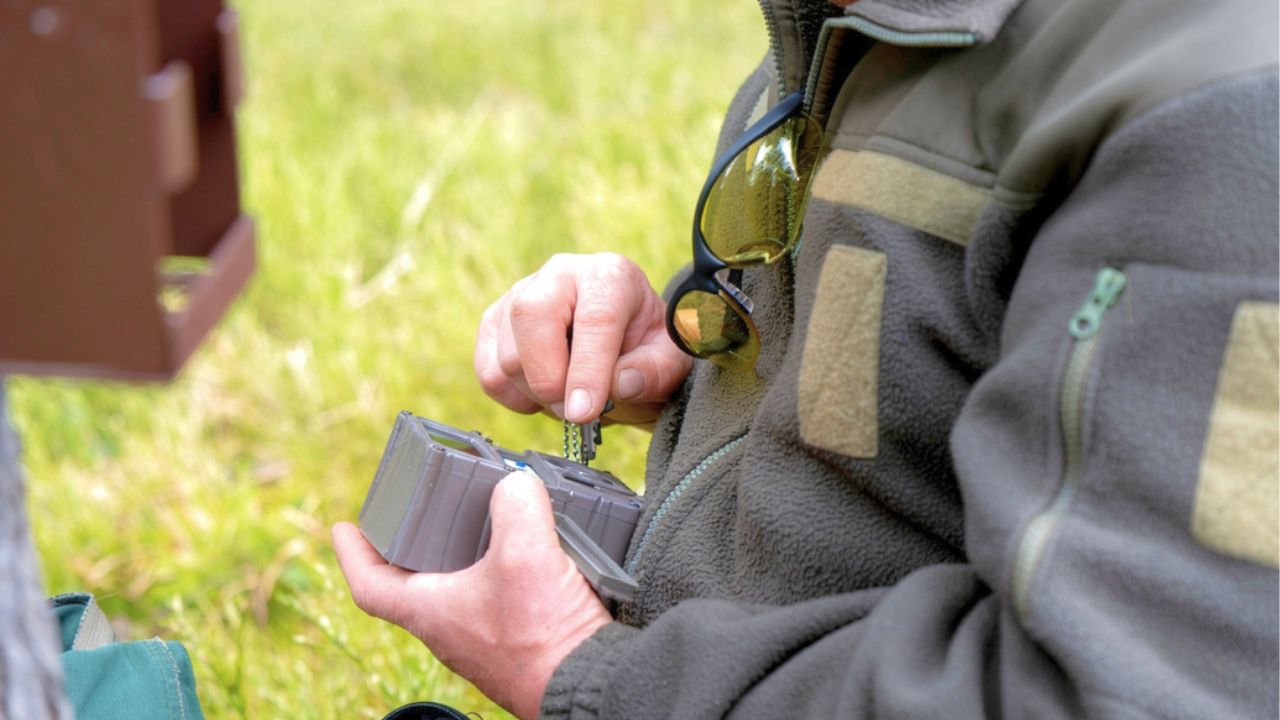
One of the worst habits hunters fall into is checking a camera every time curiosity gets the better of them. They get a feeling, wonder what moved after the last front, or convince themselves one quick card pull will not matter. Then they do it again three days later. Then again on the weekend. Then again because the rut is getting close. Before long, they have built a walking pattern straight into the exact place they claim they want to keep quiet. This hurts in two ways. First, it puts repeated pressure where you probably need the least amount of pressure. Second, it leaves evidence for anybody else paying attention. Ground scent, bent grass, snapped twigs, tire marks, gate usage, parking patterns, and plain old human appearance all start stacking up. Another hunter does not need to see the deer pictures to know something is pulling you in. He only needs to notice that you keep going there. That is why frequent card pulls are such a giveaway. The camera check feels like a private act, but the travel around it is often anything but private. In pressured areas, it does not take much for another person to connect the dots and start treating your camera route like a treasure map.
Midday laziness and obvious access routes make the problem even worse
A lot of people think they are being careful just because they check cameras at midday. Midday is often better than sunrise or sunset, sure, but timing alone does not fix sloppy access. If your camera route starts at an obvious gate, parking pull-off, field edge, creek crossing, or logging road entrance, then every “careful” midday check may still be broadcasting exactly where you went. Hunters love convenience more than they like to admit, and convenience is what gets them caught. They park where it is easy, walk the same clean line, use the same crossing, and handle the camera in a way that leaves no mystery about what they were doing there. Then they wonder why somebody suddenly hung a stand nearby, slipped a camera onto the neighboring tree line, or started drifting into the same pocket two weeks before opener. It is not always bad luck. Sometimes it is because the access route was telling your story the whole time. Easy access is usually easy for other people to notice too. If your best camera is only “hidden” once you are already 300 yards in, that does not mean much if the route to it keeps getting lit up by your own habits.
Cellular cameras can help, but they do not make you invisible
A lot of hunters moved to cellular cameras thinking they solved this entire problem, and in some ways they help a lot. Fewer physical checks usually means less pressure and less obvious routine. That part is real. But cellular setups can still give a spot away when the hunter gets careless in other ways. Mounting cameras too visibly, hanging them in the same obvious types of pinch points, over-clearing around them, driving in to service batteries too often, or visiting the area anyway because he cannot resist seeing the ground with his own eyes can still create the same pattern problem. There is also the issue of what people do after they get a good photo. A buck shows up in daylight, and now the hunter suddenly changes his movement around that zone. He parks closer, slips in more often, checks wind from the same edge, and starts orbiting the area with way more interest than before. Even if he never touches the camera card, his behavior shifts enough that somebody else can read the excitement. Cellular cameras are a great tool, but they do not save a man from his own inability to stay low-key. If the information makes you act different in a way other people can see, then the camera is still helping expose the spot, only in a newer way.
The smartest camera users treat their scouting like counter-surveillance
That may sound like overkill, but on pressured ground it is the right mindset. If you want a good hunting spot to stay quiet, you need to think not only about what deer notice but also about what people notice. That means varying your routes. It means not checking every camera on the same day in the same order. It means parking in less obvious places when possible, avoiding repeated straight-line approaches, and resisting the urge to go look every time the weather gets interesting. It also means thinking hard about whether every camera location is worth the traffic it takes to maintain it. Some spots are better left as hunt-only areas rather than camera hubs. Some cameras are worth running only at certain times of year. Some should be pulled entirely once the season gets close if keeping the area quiet matters more than getting one more batch of photos. Good hunters know information has a cost. Great hunters know some information costs more than it is worth. If a camera setup is teaching other people where your focus is, then the pictures may be helping less than your habit is hurting.
The giveaway is usually not one big mistake but a bunch of little repeated ones
That is what catches most people. They imagine a spot only gets burned by some huge error, like posting pictures online with landmarks in the background or bragging to the wrong person. Sure, that happens. But more often a good area gets exposed through repetition. Same truck. Same gate. Same boot path. Same tree. Same timing. Same guy acting like he has a reason to be there every few days. Little signs build into a readable pattern, and once somebody sees the pattern, your “secret” spot is not all that secret anymore. That is especially true on leases, shared family land, club ground, or public-private edges where people are already watching each other more than they admit. One careless camera habit repeated long enough can do more damage than one bad conversation ever will. It is not dramatic, and that is why hunters underestimate it. But quiet mistakes are often the ones that cost the most because they keep happening long after you should have noticed the problem.
If you want to keep a good spot, stop advertising how much it matters to you
At the end of the day, the trail camera habit that gives your hunting spot away faster than you think is building a predictable routine around the places you value most. The more often you show up, the more directly you access it, and the more obviously you behave like the camera is tied to something good, the easier it becomes for other people to read the importance of that spot. The fix is not getting rid of cameras. It is using them with more discipline than most hunters do. Check less. Vary more. Quit feeding your curiosity every few days just because the camera exists. Think about what your travel tells other people, not only what the pictures tell you. A camera should help you learn the woods, not teach everybody else where your best opportunity lives. The hunters who keep quality spots quiet are usually not the ones with the most camera data. They are the ones who understand that every trip in says something, and the wrong habit repeated long enough will eventually say too much.
Like The Avid Outdoorsman’s content? Subscribe to our newsletter so you never miss an article.
Here’s more from us: