
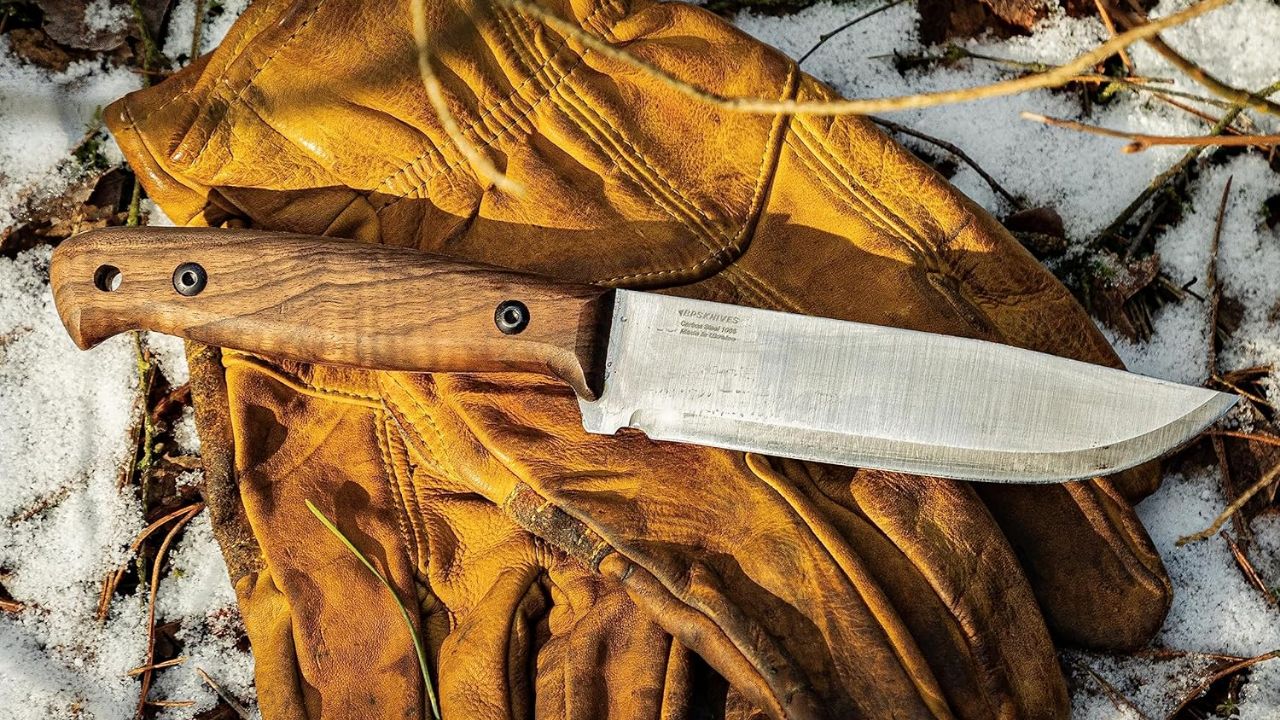
Photo credit: Amazon
Some steels are great at holding an edge—but leave them out in the rain or forget to wipe them down, and you’ll be staring at rust spots before long. Just because a blade feels high-quality doesn’t mean it’s built to handle moisture. If you’re using your knife outdoors, sweating on it, or dealing with wet conditions, these steels can turn into a headache fast. You’ll want to know what you’re working with before trusting these options in the field without regular care.
1095 Carbon Steel
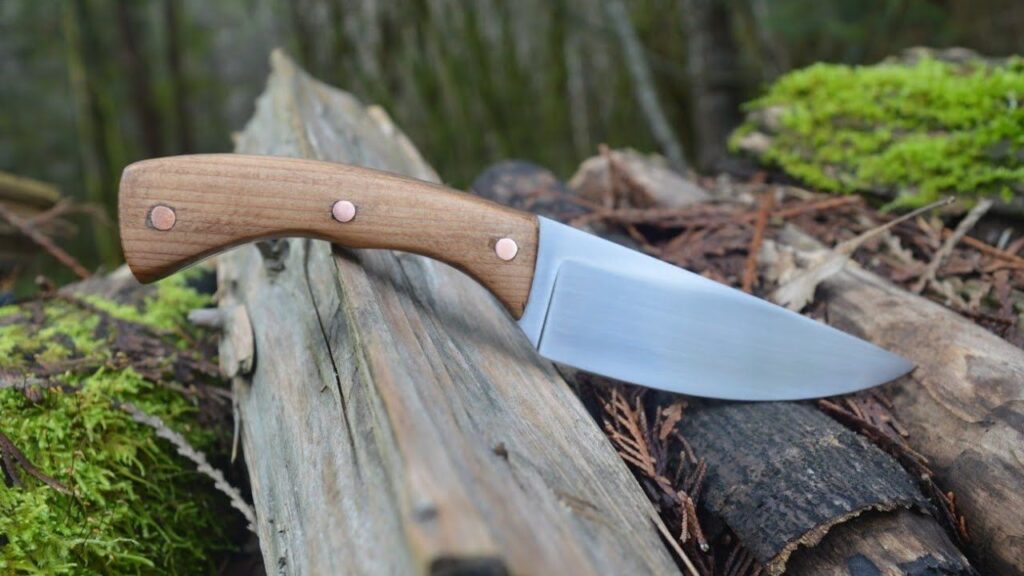
1095 is tough and takes a wicked edge, but it’s one of the worst offenders when it comes to rust. It doesn’t take much—just some sweat or damp weather—and you’ll start seeing oxidation creep in. It’s not stainless, so any exposure to moisture can cause trouble fast.
That said, a lot of folks still love it for bushcraft and survival blades because it’s easy to sharpen and holds up well with use. But you’ve got to oil it and clean it consistently, or you’ll be sanding off rust more than using the knife.
D2 Tool Steel

D2 is often marketed as “semi-stainless,” but don’t let that fool you. It has enough chromium to slow rust a bit, but not nearly enough to stop it in wet environments. If you leave it damp or don’t dry it after use, it’ll stain and corrode.
It performs well in terms of edge retention and wear resistance, which is why it’s still widely used. But when it comes to corrosion, it’s stubborn. You’ll need to stay on top of maintenance or keep it away from humidity entirely.
5160 Spring Steel
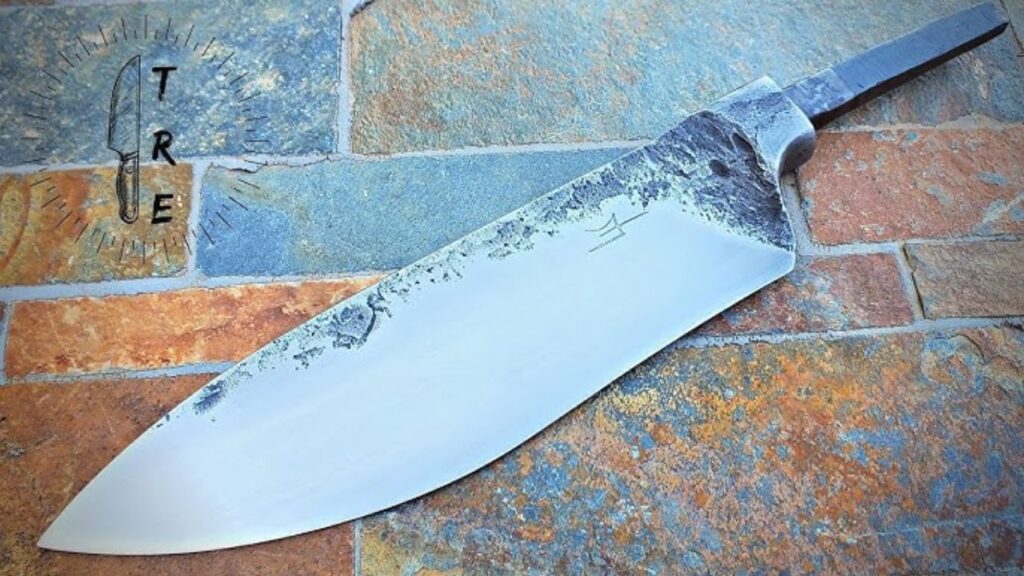
Known for its toughness, 5160 is a solid choice for big choppers and swords—but it rusts fast if you’re not careful. It’s high in carbon and low in chromium, which means even fingerprints can start the rusting process if left unattended.
It’s a good steel for blades that see hard impact, but it doesn’t belong in wet or coastal environments. You’ll need to treat it with care, wipe it down often, and store it dry. Otherwise, the edge might last—but the blade won’t look pretty doing it.
O1 Tool Steel

O1 gets sharp and stays sharp, which is why it’s popular in woodworking tools and custom knives. But it’s incredibly prone to rust if you’re not on top of cleaning and oiling. Even a humid day can be enough to start corrosion on an untreated blade.
If you’re using O1 outdoors or in the kitchen, you’ll need to baby it. That’s not always practical in the field, especially when you’ve got other things on your mind. It’s got its place—but it’s not a “set it and forget it” kind of steel.
High Carbon Damascus
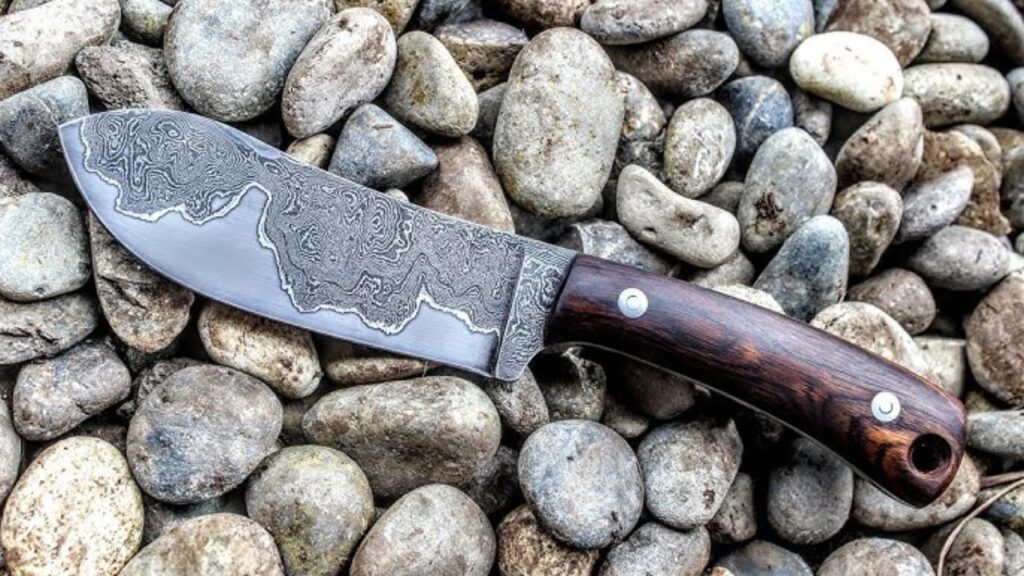
Damascus looks great and cuts well—but when it’s made from high carbon steels, it rusts like crazy. It’s common for these blades to pit or discolor if you leave them damp, and some makers don’t even treat them with a proper protective finish.
A lot of people buy Damascus blades for the look, not realizing how high-maintenance they are. If you’re not regularly oiling and wiping them down, they’ll corrode fast. Pretty or not, it’s not ideal for real-world, rugged use unless you’re putting in the extra work.
SK5 Steel
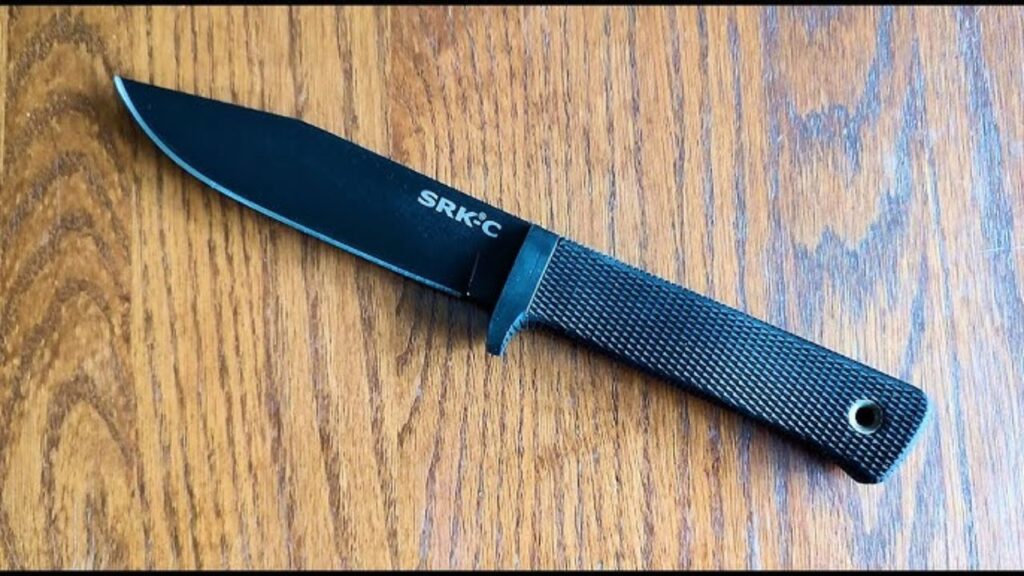
SK5 is a Japanese high-carbon steel that’s popular in budget choppers and fixed blades. It’s tough and easy to sharpen, but rust is always an issue. It doesn’t have the chromium needed to resist corrosion, especially in wet or humid conditions.
It’s often used in entry-level outdoor knives, but it requires a lot more upkeep than people expect. If you toss it in your pack after use and forget about it, don’t be surprised if it comes out covered in rust. Great steel for the price—if you treat it right.
1055 Carbon Steel
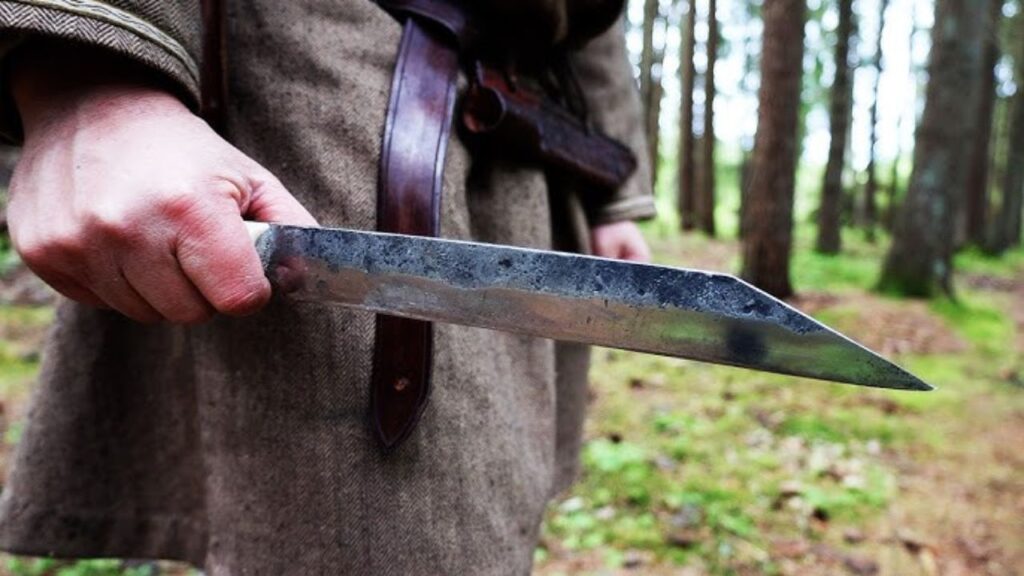
1055 lands somewhere in the middle of the carbon steel spectrum—harder than 1045, softer than 1095—but still vulnerable to rust. It’s popular in machetes and swords because it absorbs shock well, but it has almost no corrosion resistance.
If you’re hacking through brush or using it in the rain, this steel will need immediate cleaning and oiling. It’s a solid performer for impact tools, but it won’t hold up if you treat it like a stainless blade. Rust sets in quick, and it doesn’t take much moisture to start.
*This article was developed with AI-powered tools and has been carefully reviewed by our editors.


