Photo credit: SLAVIK TELY /YouTube
When it comes to deer, not just any blade will cut it—literally. You need a knife that can slice cleanly, hold an edge through the work, and feel steady in your hand even when things get slick. From skinning to quartering, some knife styles just make the job easier. Whether you’re processing one deer a year or you’re deep into the season, these ten styles are known for making the work smoother and less frustrating when it’s time to get it done.
Drop Point
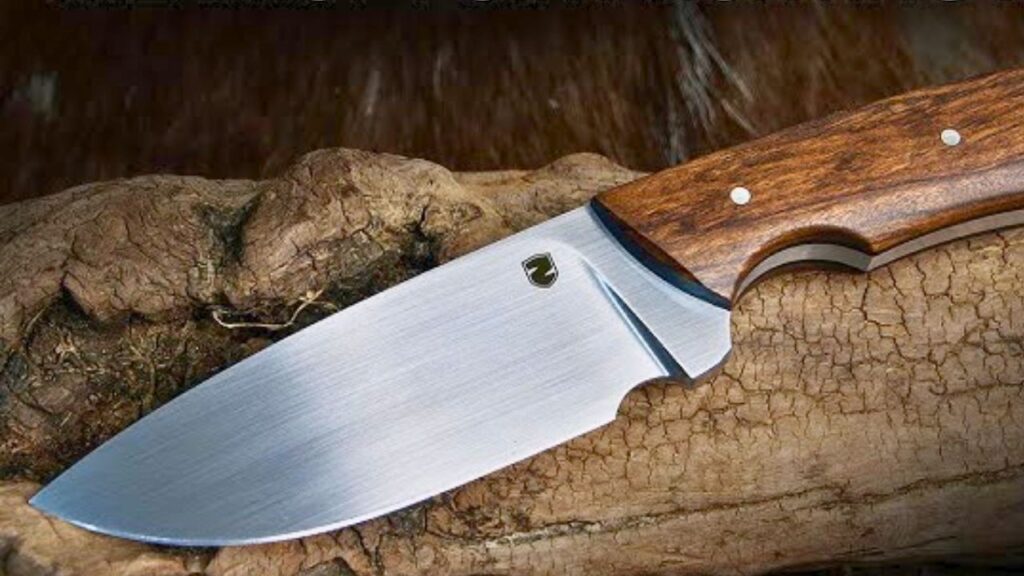
The drop point is a favorite for a reason. It offers great control without risking accidental punctures. The shape makes it easy to open up a deer cleanly without damaging anything important. Most hunters feel comfortable with it right away, and it handles skinning and slicing just fine.
Clip Point

The clip point has a sharper, more tapered tip that works well for precise work. If you’re careful and like detail, it helps with delicate cuts and tight areas. It’s not quite as forgiving as a drop point, but it’s great once you’re used to how it moves through meat and hide.
Gut Hook
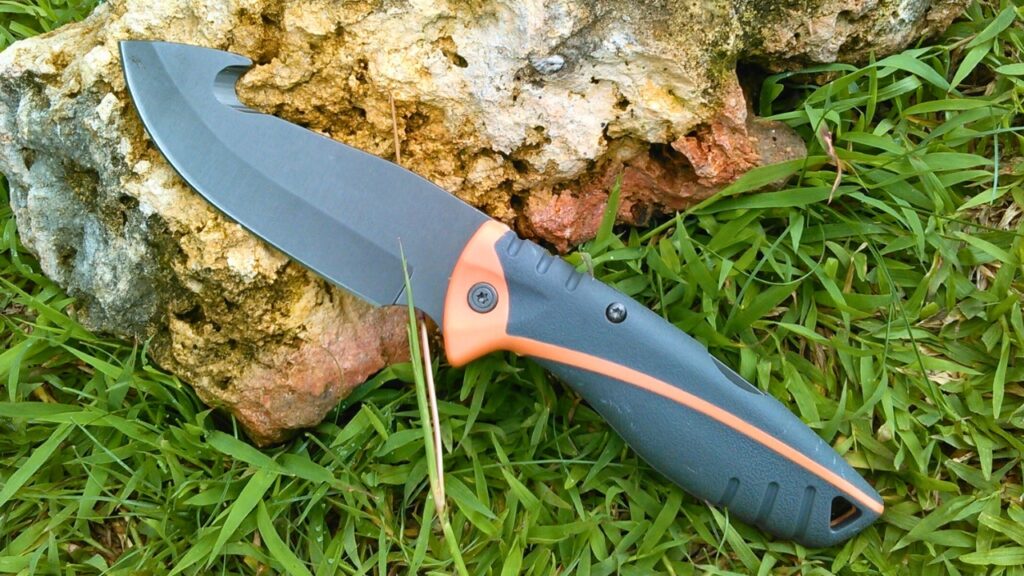
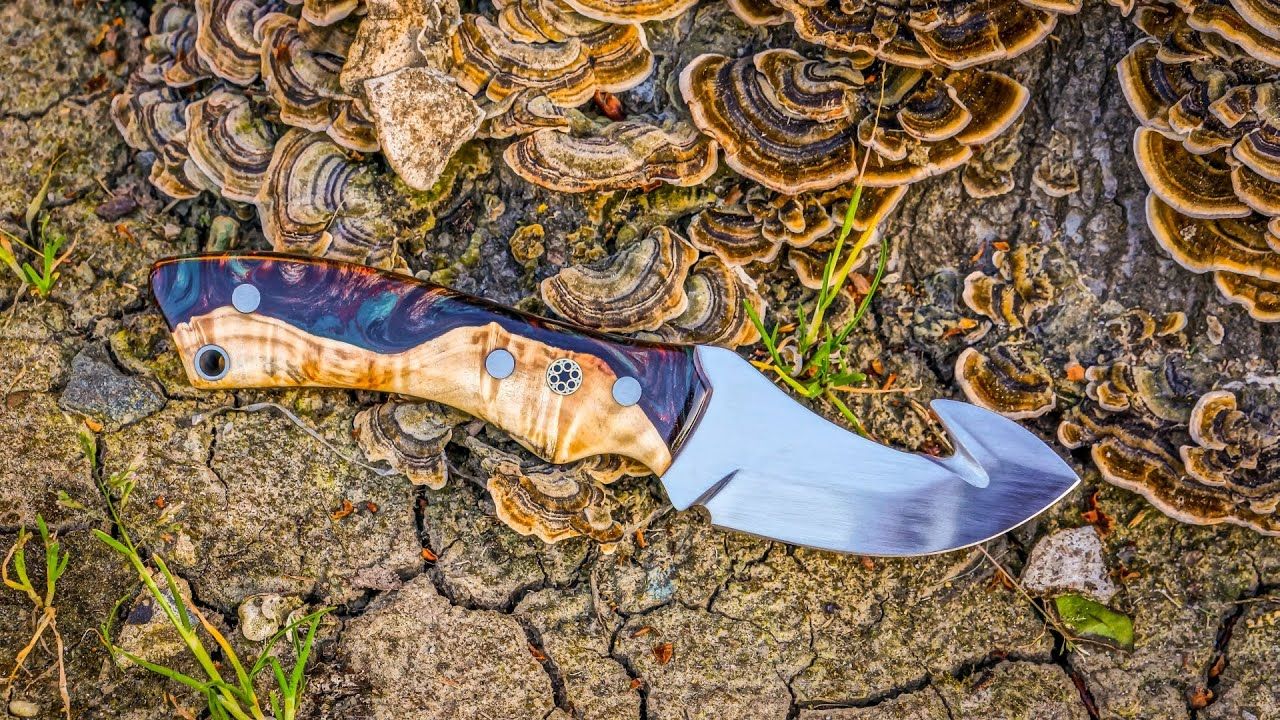
The gut hook has one job—and it does it well. That small hook on the spine helps you unzip the belly without going too deep or making a mess. It’s a specialty feature, but if you field dress a lot of deer, it makes a big difference in speed and cleanup.
Caping Blade
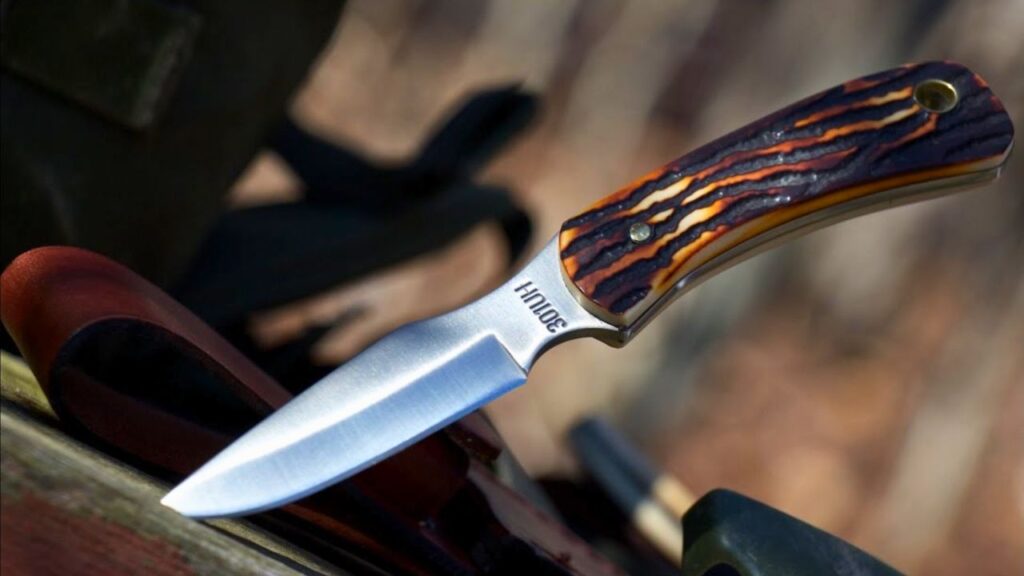
For those detail-heavy tasks around the shoulders, head, or neck, a caping blade comes in handy. It’s not for the whole deer, but it really shines when you need control. If you’re taking trophies or just want clean, precise work, this little blade earns its place.
Trailing Point
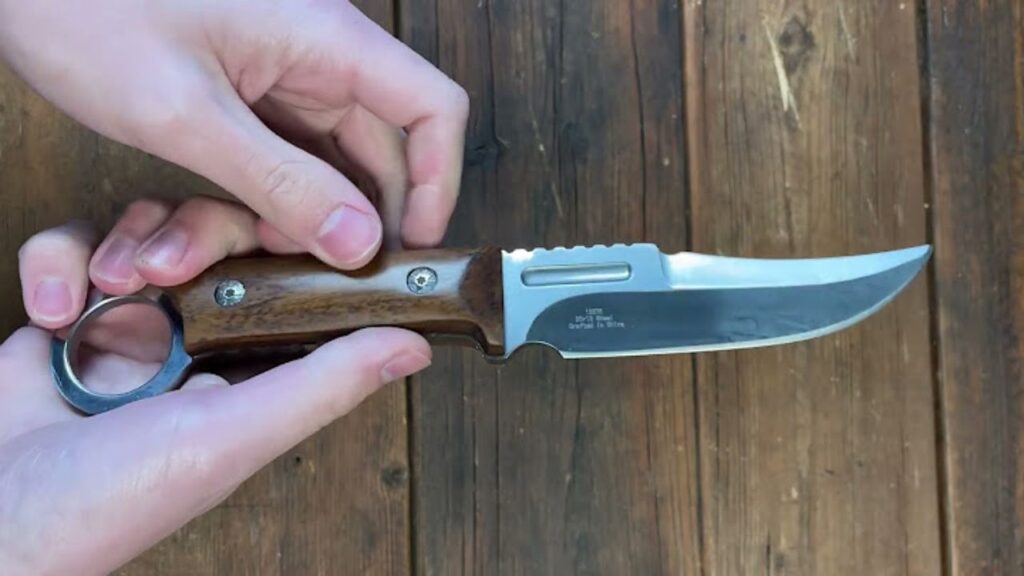
The long, curved shape of a trailing point makes it a solid skinning tool. It’s not for heavy tasks, but it glides through hide like butter. If your main focus is clean skinning without jagged lines or tugging, this is a style you’ll appreciate in the field.
Straight Back
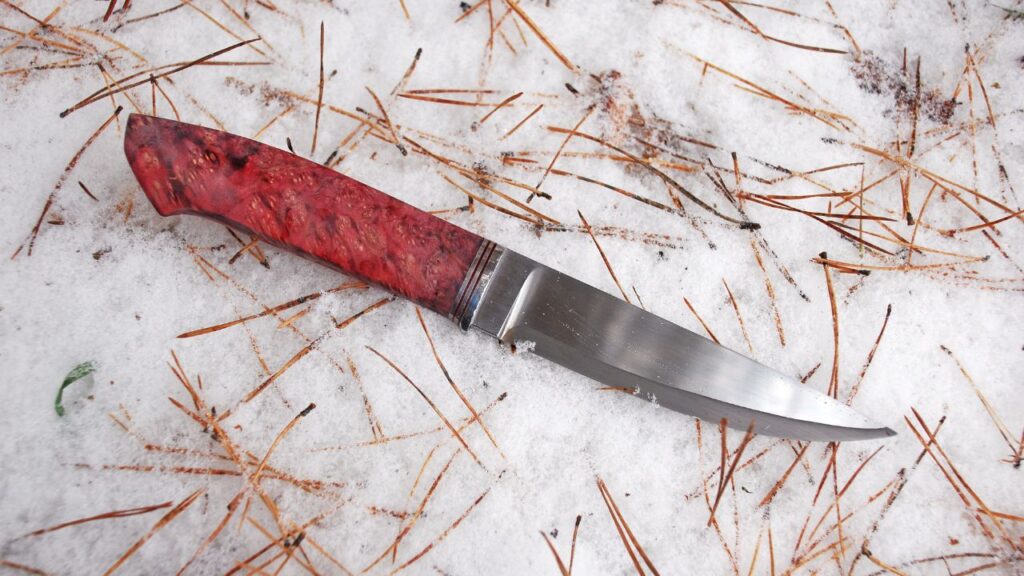
A straight-back knife doesn’t get flashy, but it’s reliable and steady. The flat spine gives you more pressure control, and the blade is usually sturdy enough for general field dressing. It might not specialize in one thing, but it covers a lot of ground well.
Nessmuk Style
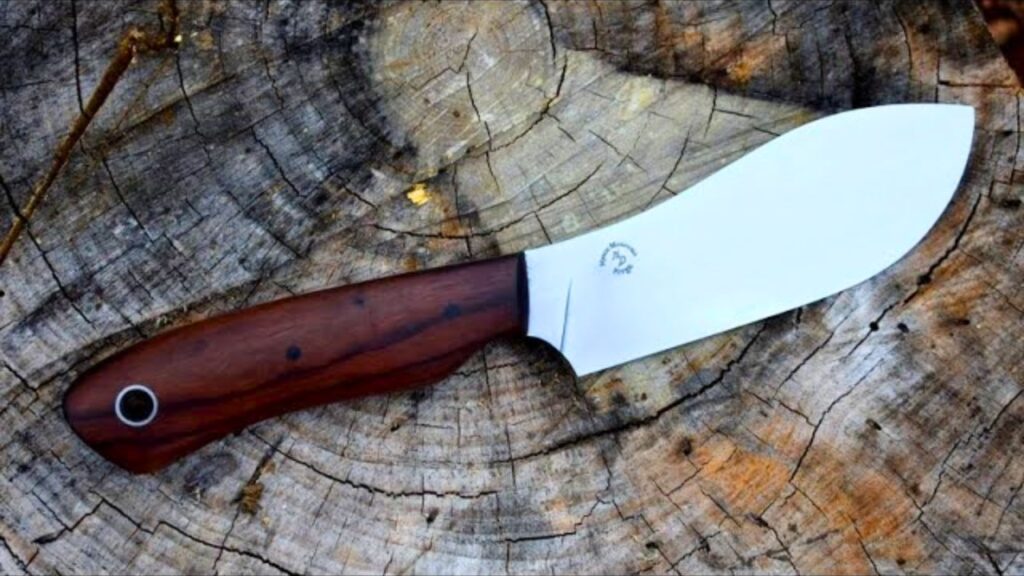
This old-school blade has a sweeping curve that’s great for skinning and slicing. It’s not as common these days, but folks who use it swear by how natural it feels. It’s got plenty of belly for draw cuts, and the shape makes field work a bit easier on the wrist.
Clip Point Bowie
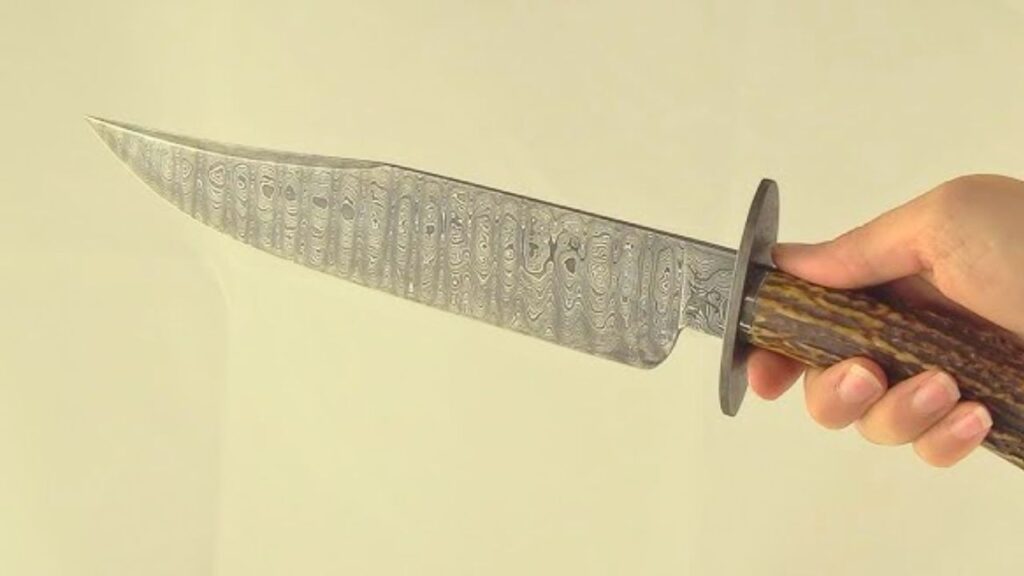
Bigger than your average field knife, the clip point Bowie can feel like overkill—but it works. If you’re dealing with thicker hide or you want a knife that can do a little light chopping too, this style covers the spread. Just keep it sharp and steady in your hand.
Scandinavian Grind
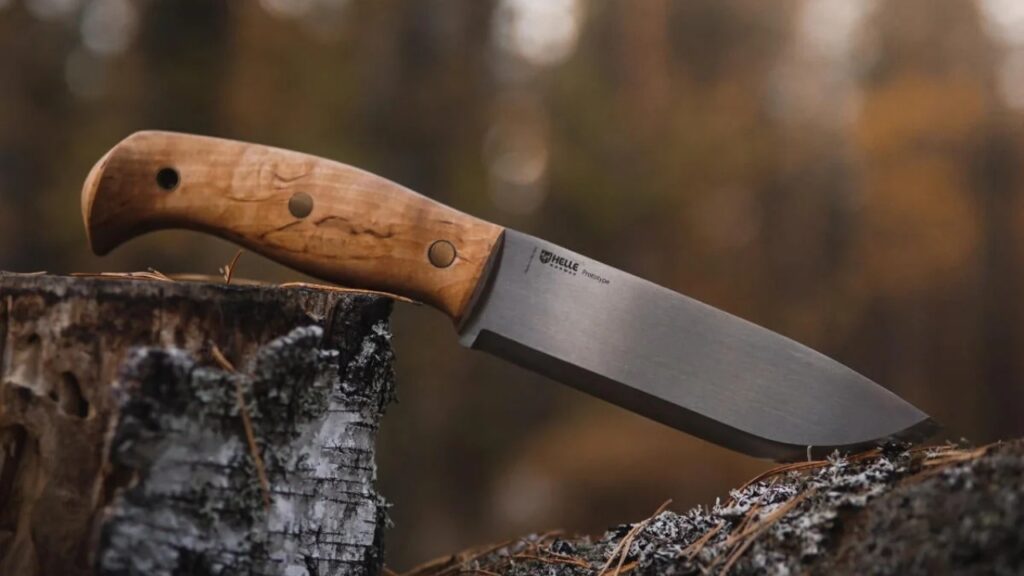
It’s not a blade shape but a grind style worth mentioning. The Scandi grind is easy to sharpen and bites clean. If your deer knife uses it, especially with a drop or straight back shape, you’ll notice how easily it gets through sinew and hide without much pressure.
Folding Drop Point
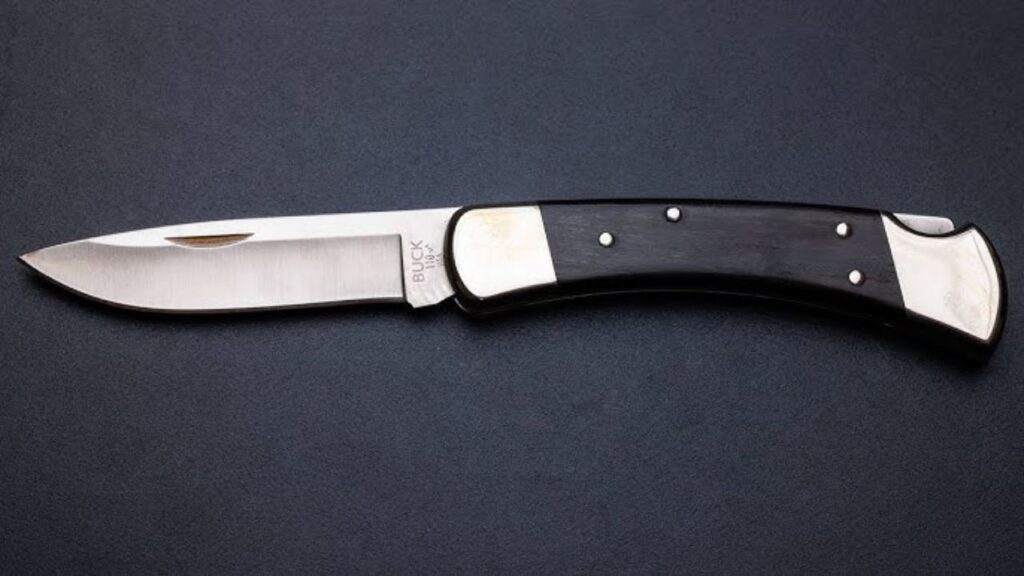
If fixed blades aren’t your thing, a folding drop point can still hold its own. Choose a model with a solid lock and grippy scales. It might not be as easy to clean, but it’s practical and compact—and still performs just fine when you’re elbow-deep in a field job.
*This article was developed with AI-powered tools and has been carefully reviewed by our editors.