Photo credit: Pew Pew Tactical/Youtube
There’s a certain kind of handgun that sells itself the first time you pick it up. It points naturally. The grip feels like it was molded for your hand. The trigger feels “pretty good” on the gun counter, and the size seems perfect for the role you have in mind—woods carry, truck gun, daily concealment, or something to ride in the nightstand.
Then you get to the range, run a few real magazines through it, and the honey moon ends. Not always because it’s a “bad gun,” either. Sometimes it’s ammo sensitivity. Sometimes it’s a magazine problem. Sometimes it’s small-gun physics: short slides, light springs, tiny extractors, and the kind of recoil impulse that makes a pistol less forgiving than a full-size duty gun. Here are 20 handguns that often feel right… right up until that first hiccup.
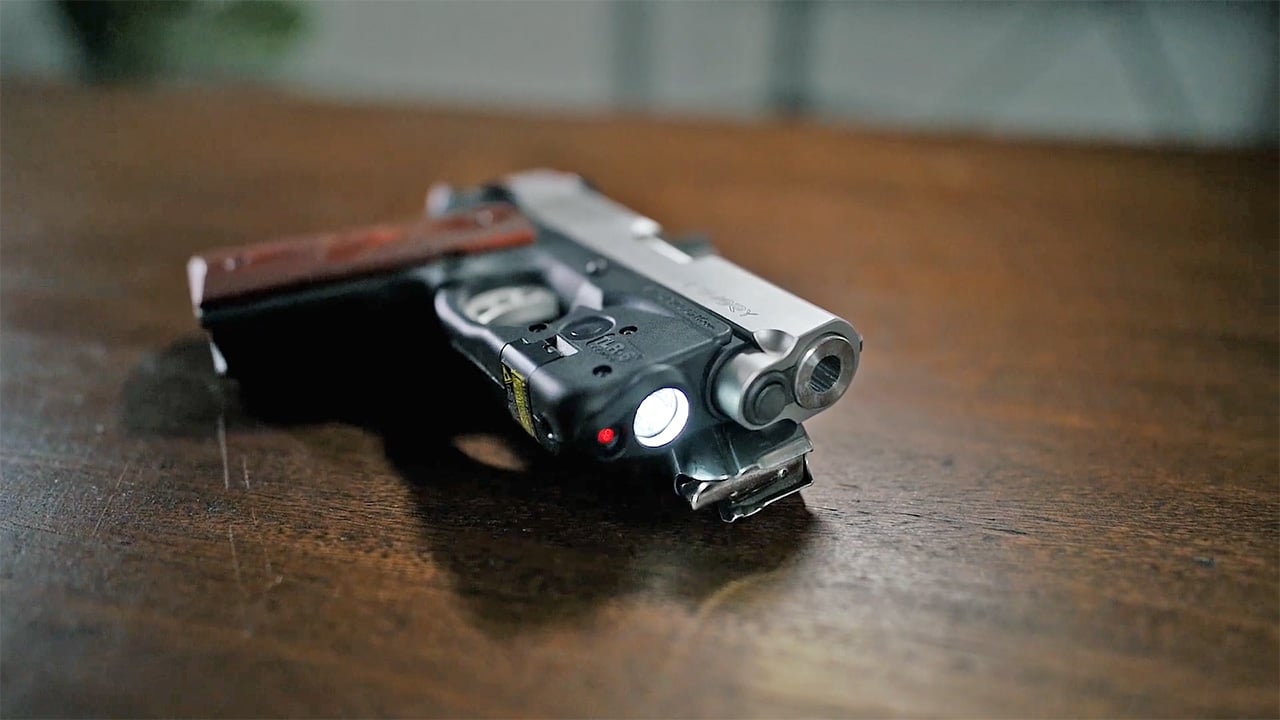
1. Kimber Ultra Carry II

Short 1911s feel amazing in the hand. Thin, flat, easy to hide, and they point like they’re on rails. A lot of them also run just fine—until you start mixing hollow points, different magazines, and anything less than perfect grip pressure.
The problem is the format, not just the brand. When you chop a 1911 down, timing gets tight. If you buy one, budget for quality mags and a real break-in period, and don’t be surprised if it’s pickier than your buddy’s boring polymer nine.
2. Springfield Armory 1911 EMP
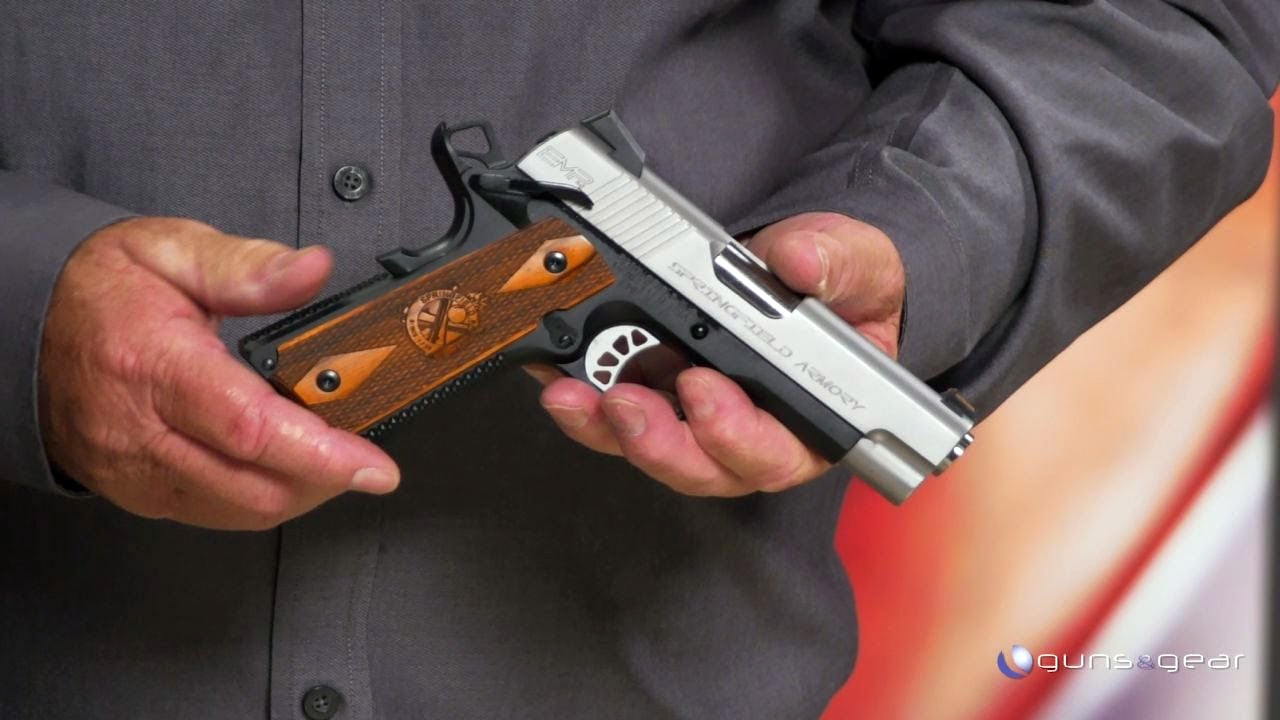
The EMP is one of those pistols that makes you think, “This is how a carry gun should feel.” Slim grip, good ergonomics, and it shoots flatter than you expect for its size.
But it’s still a compact, tightly-fit 1911-style gun. Some examples can be ammo-sensitive, and little carry 1911s don’t always love being run dry and dirty for long stretches. If you’re not the kind of person who replaces springs and tests carry ammo thoroughly, it can surprise you.
3. SIG Sauer P238

Easy to carry, easy to like. The P238 disappears in a pocket, doesn’t beat you up, and the controls feel familiar to anyone who likes 1911s. For deep concealment, it’s hard not to appreciate it.
Where it can bite you is when you treat it like a “micro duty gun.” Limp-wristing is real on tiny .380s, and some P238s get finicky when they’re filthy or under-lubed. It’s a great little pistol, but it wants a firm grip and a little maintenance.
4. SIG Sauer P365 (early production guns)
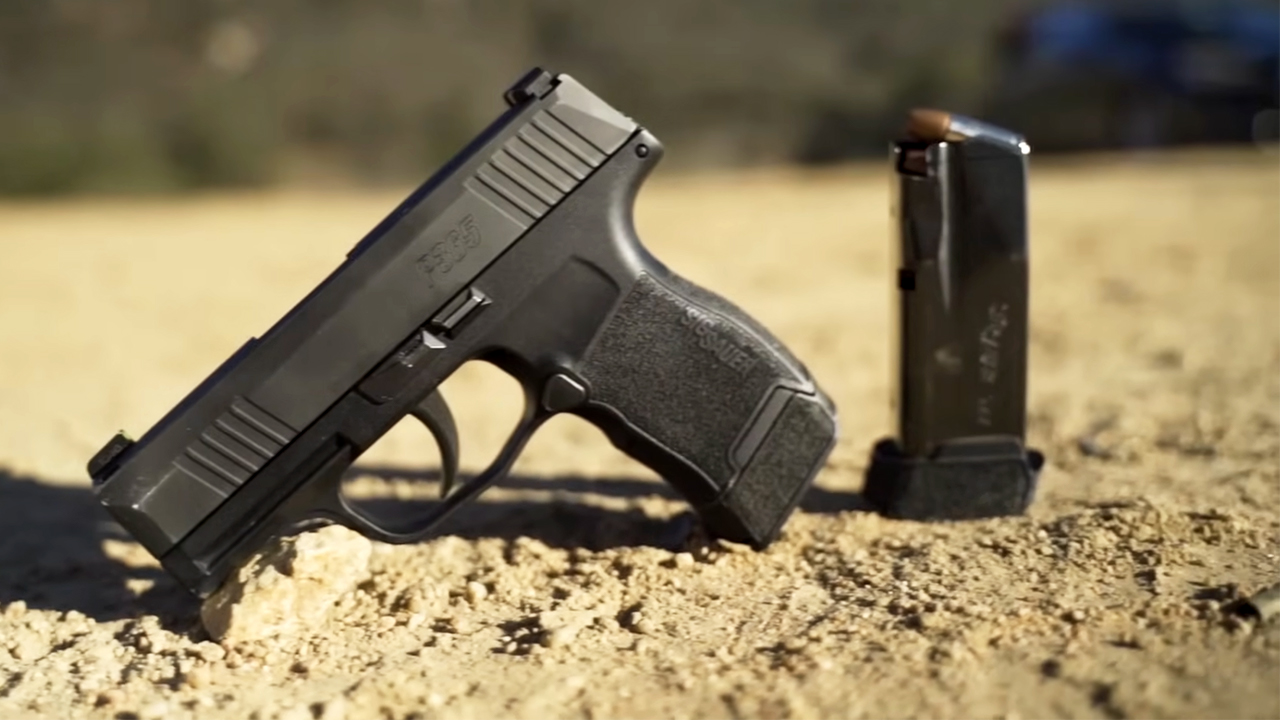
The P365 changed the carry world. It also got a lot of folks buying one and immediately trusting it without putting enough rounds through it. Early guns had a reputation for little issues that showed up under volume, not on a quick test fire.
Most of the newer ones are solid, but the lesson remains: small high-capacity pistols run hard. If you’re buying used, check date codes, run your carry ammo, and make sure your magazines are behaving before you bet your life on it.
5. Glock 43

The Glock 43 feels like the simple answer: slim, light, no nonsense. It carries all day, and it points like a Glock—meaning it works for a ton of shooters.
But it’s a small pistol with a stiff recoil spring, and it can punish a weak grip. The “first malfunction” story with a 43 is often shooter-induced, then the gun gets blamed. The fix might be training, or it might be trying a 43X/48 if you shoot better with more grip.
6. Smith & Wesson M&P Shield 9 (first-gen)
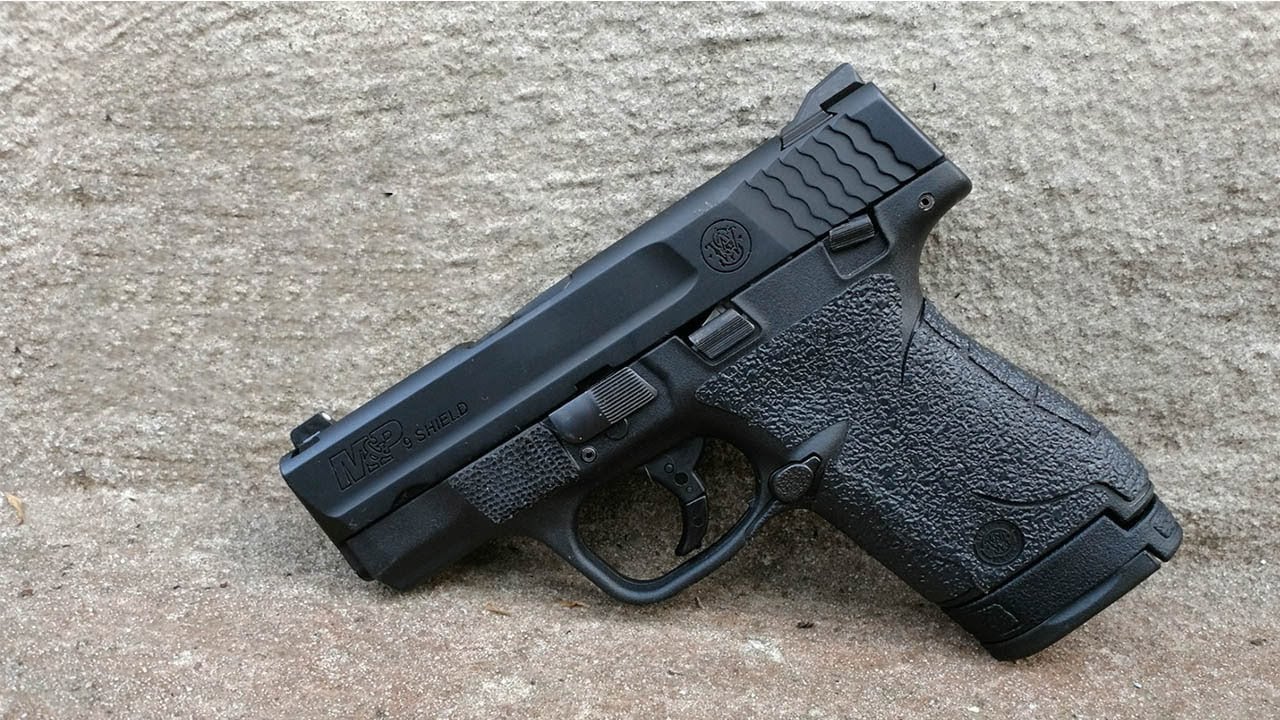
For years, the Shield was the default recommendation, and for good reason. It’s thin, dependable in general, and it doesn’t cost a fortune. Plenty of them run like a sewing machine.
Still, there are Shields out there that get picky with certain hollow points or show weirdness when magazines start getting tired. The gun is usually fine; it’s often the mag springs and maintenance that get ignored because the Shield feels “too simple to fail.” Ask me how I know.
7. Ruger LCP II
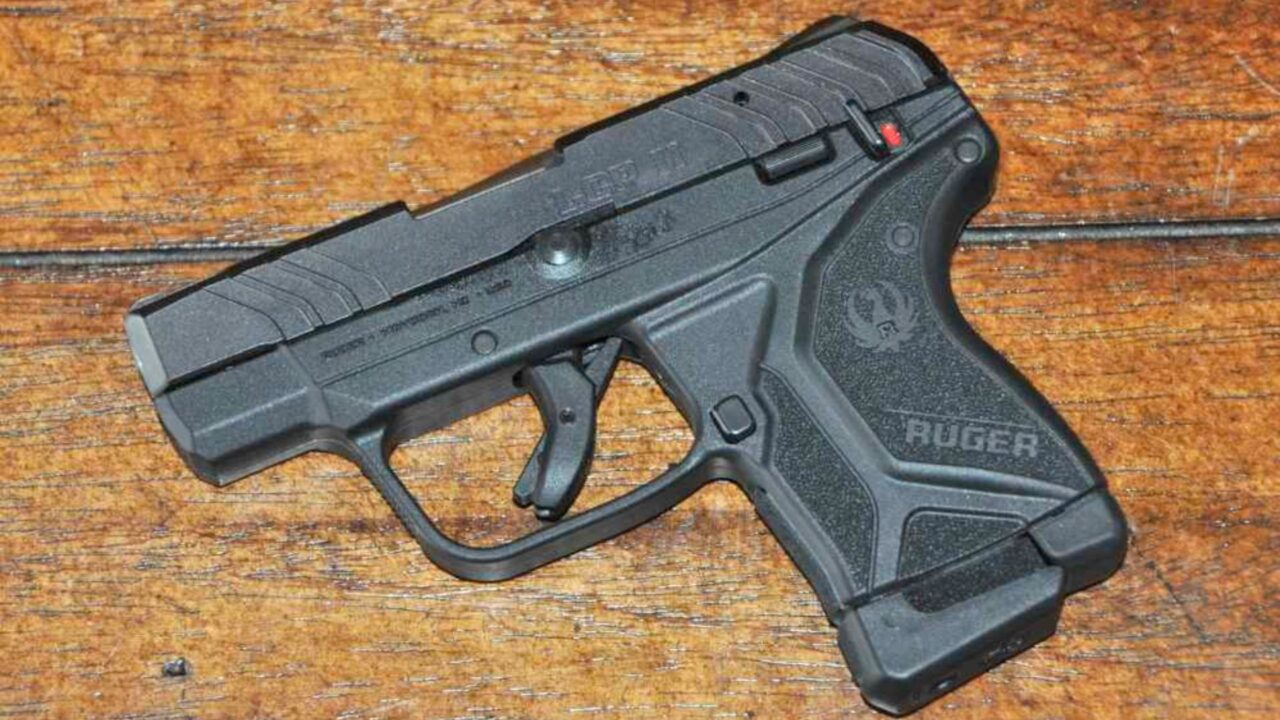
The LCP II is the definition of “always with you.” Slip it in a pocket holster and it’s there when a bigger gun isn’t. That’s real value.
But pocket pistols are tiny machines. They don’t love lint, weak grips, or bargain ammo. If you carry one, you need to actually shoot it enough to verify reliability, then clean it like it’s been rolling around in your sock drawer—because it has.
8. Ruger LC9 (original hammer-fired model)
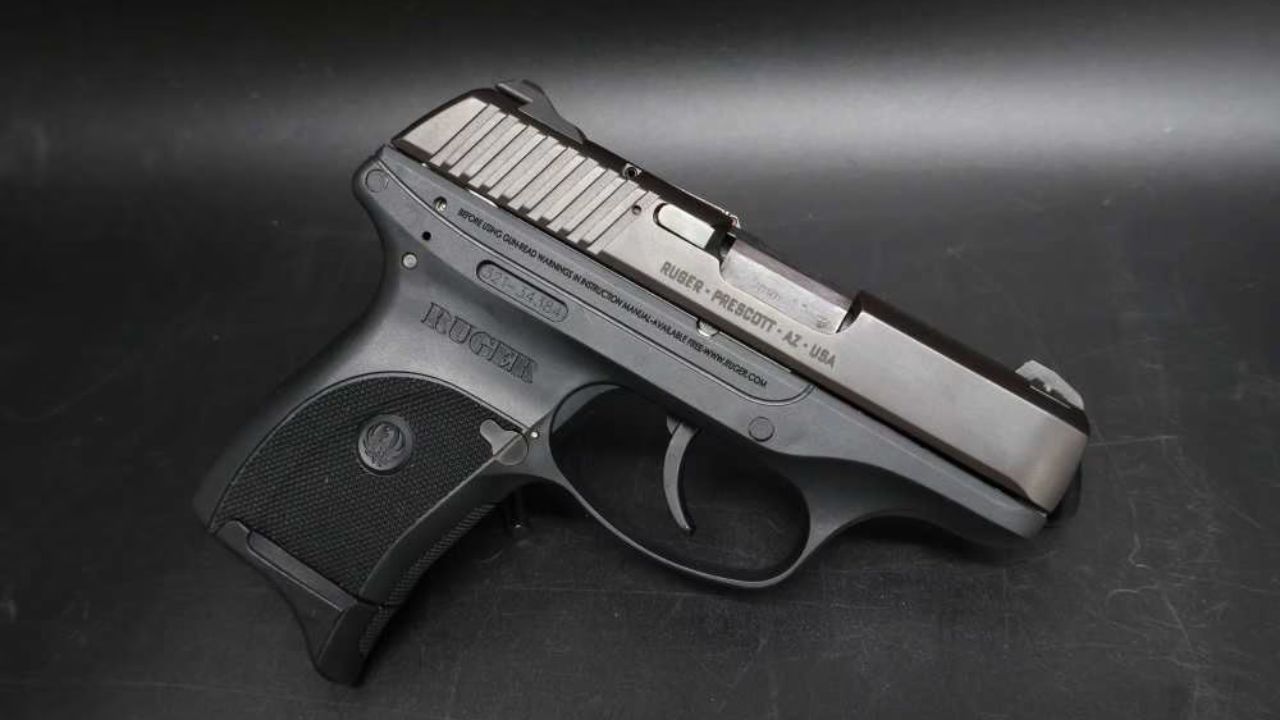
The original LC9 had the right idea: thin 9mm before thin 9mms were everywhere. It carried great and felt good in the hand for a lot of folks.
What soured some owners was the long trigger and occasional finicky behavior depending on ammo and magazines. It’s one of those guns that can be perfectly serviceable, but it’s not forgiving. If you bought one because it “felt right,” you still had to do the work on the range.
9. Taurus PT111 G2 / G2C

These sell because they feel good and the price is hard to ignore. They sit well in the hand, and the size is just about perfect for budget concealed carry.
The hiccups usually come from magazine variability, inconsistent extraction, or just uneven quality control from gun to gun. Some run great for years. Others start doing that one thing—failure to feed, failure to lock back, light strikes—and you spend the rest of your ownership trying to “solve” the gun.
10. Taurus GX4

The GX4 is another one that feels like it should be a home run. Good size, modern features, easy to conceal, and it points naturally.
With any micro-compact, the margin is slim. When the first malfunction happens, it’s often in the middle of fast strings—exactly where you want the gun to be boring. If you go this route, verify your specific magazines and your specific carry load, not just one box of range FMJ.
11. SCCY CPX-2
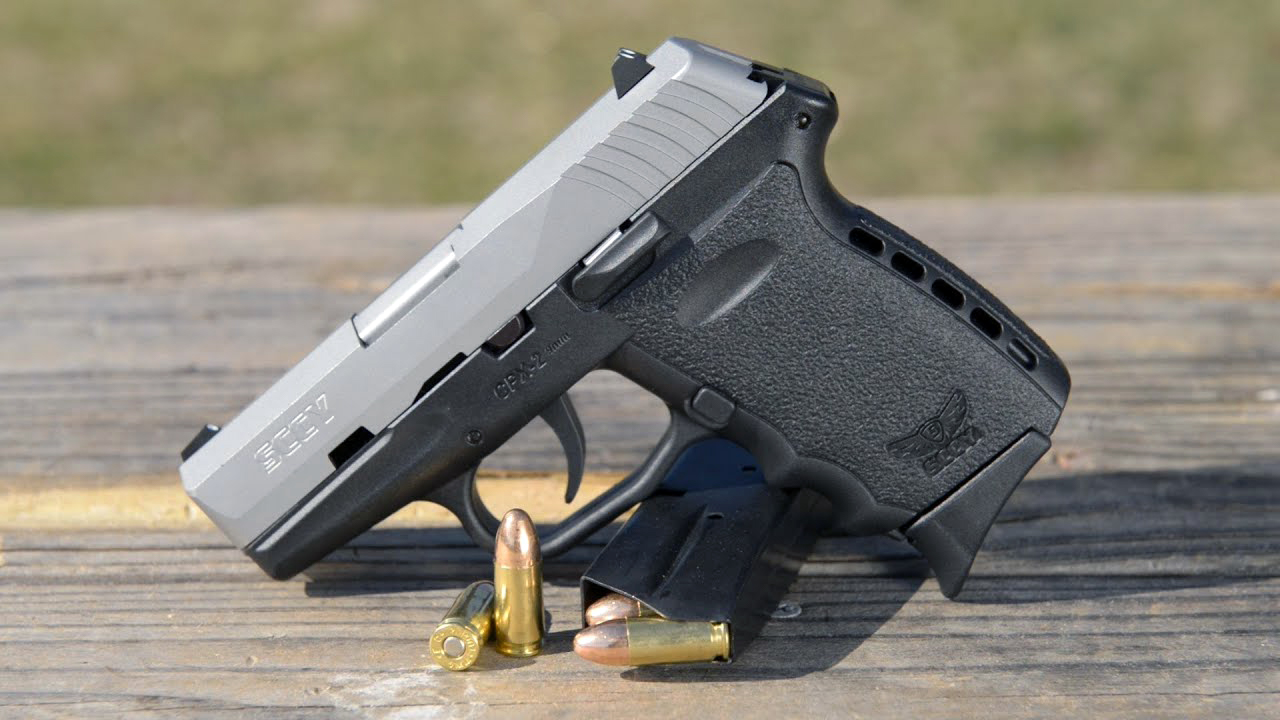
On the shelf, it checks boxes: compact, affordable, simple. A lot of new carriers pick it up and think, “This is all I need.” It feels fine in the hand, too.
Then you start shooting it and the cracks show—heavy trigger, snappy recoil, and a higher chance of oddball malfunctions than you’d accept in a defensive pistol. If it’s what you can afford, keep it clean and run it hard at the range before trusting it.
12. Kahr CW9

Kahr pistols have a loyal following because they carry well and the triggers can be smooth in a revolver-like way. The CW9 in particular feels trim and practical, like a working man’s carry gun.
But Kahrs have long had a “break-in” reputation, and some owners run into feeding issues until everything settles. If your first range trip includes a couple stoppages, it doesn’t necessarily mean the pistol is junk—but it does mean you can’t assume it’s ready on day one.
13. Kahr PM9

The PM9 is the smaller, more demanding sibling. It feels like a perfect answer for deep concealment in 9mm, and it hides better than a lot of newer double-stack micros.
Small, light 9mms are the land of sharp recoil and short cycling. If you short-stroke it with a weak grip or run ammo it doesn’t like, you may see failures early. The PM9 can be a great carry gun, but it expects you to do your part.
14. Walther PPK/S
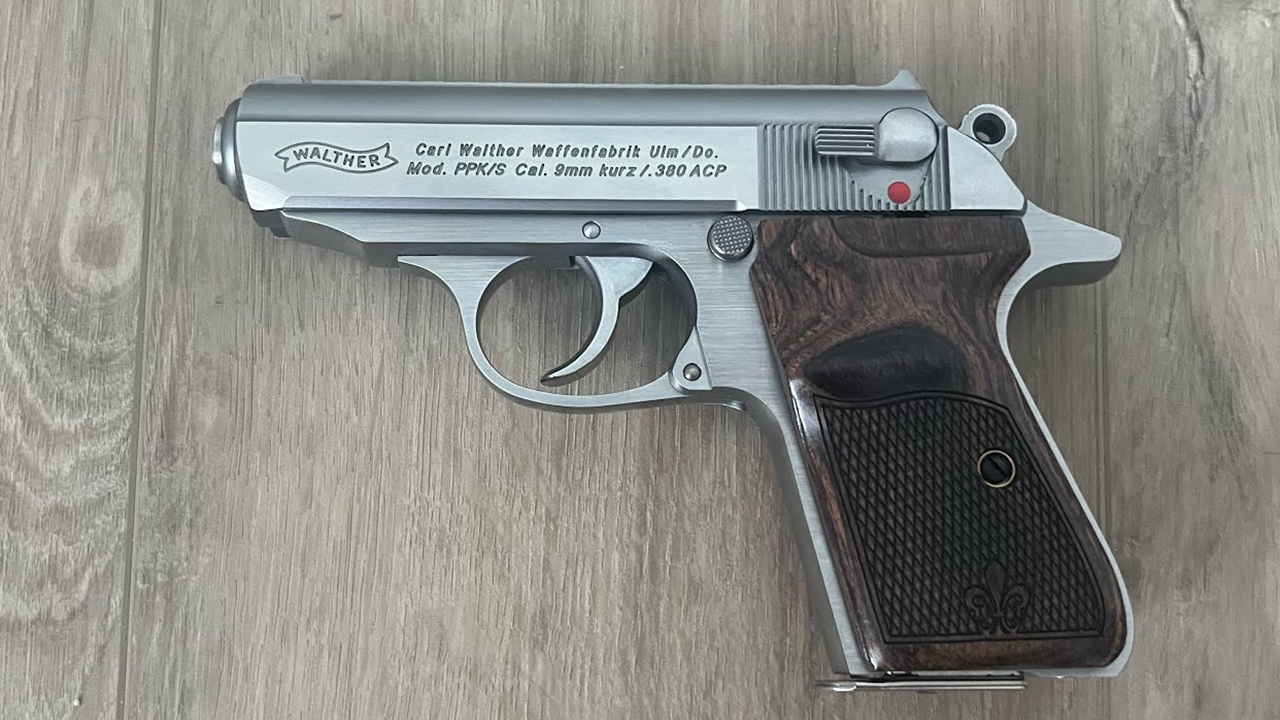
This one wins on feel and nostalgia. The PPK/S has that classic metal-gun balance, and it carries flatter than a lot of chunky modern pistols. It’s the kind of gun you want to like.
But blowback .380s can be surprisingly picky and surprisingly sharp in recoil. Add in the tendency for some ammo and some magazines to cause feeding issues, and you’ve got a pistol that can make you work harder than you should have to in 2026.
15. Beretta Tomcat 3032

The tip-up barrel is a neat trick, and for folks with hand strength issues it can be a real help. The Tomcat also feels good in the hand for a small gun, and it’s easy to load and unload safely.
.32 ACP can be reliable, but the Tomcat is still a compact semi-auto with its own preferences. If the first malfunction shows up, it’s often linked to ammo choice or the gun getting dirty. It’s not a high-volume blaster, and it doesn’t pretend to be.
16. Smith & Wesson 642 Airweight
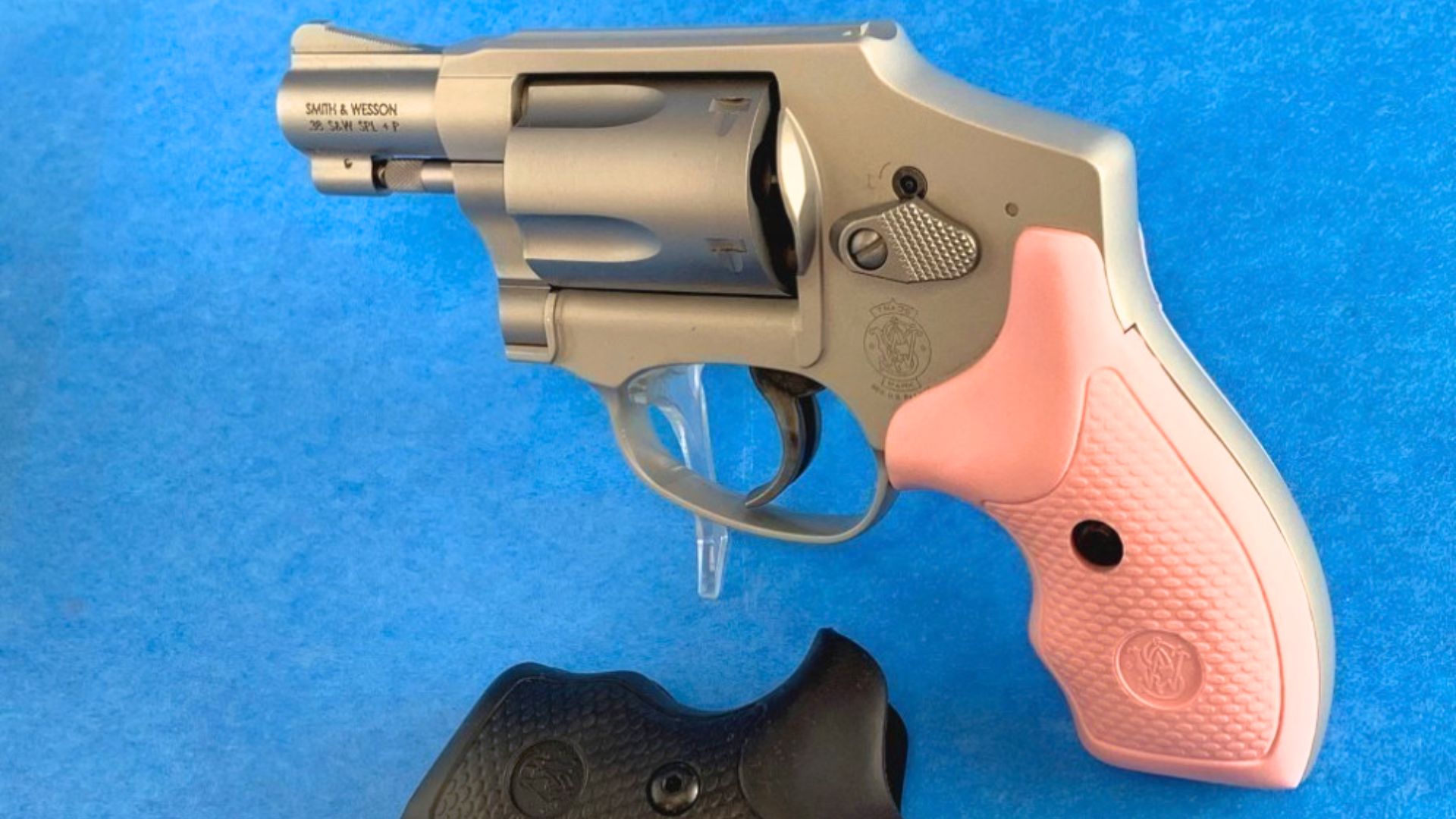
Revolvers are supposed to be the answer when you’re tired of semi-auto drama. The 642 carries like nothing else, disappears in a pocket, and it’s simple to operate under stress.
But lightweight snubs introduce a different kind of “malfunction”: primers that don’t ignite because of internal crud, bullets creeping forward under recoil with certain loads, or a cylinder binding up when the gun is filthy. It’s not common, but it happens, and it’s a reminder that revolvers still need maintenance and ammo testing.
17. Ruger LCR .357 Magnum

The LCR is comfortable to carry and the grip design helps, especially compared to older snubbies. In the hand, it feels like Ruger actually thought about recoil management.
Then somebody touches off full-house .357s and learns what “lightweight” really costs. Sometimes the first “malfunction” is the shooter deciding they hate the gun. Other times it’s ammo-related binding or hard extraction. Most LCRs are tough, but physics is physics.
18. Remington R51 (Gen 1)

The R51 looked great on paper and felt even better in the hand. Slim, interesting action, decent sights—exactly the kind of pistol that makes you think you found the underrated gem.
Plenty of owners found out the hard way that early reliability wasn’t its strong suit. If you’ve got one that runs, good on you. If you’ve got one that doesn’t, it’s the kind of gun that can turn range day into a troubleshooting session fast.
19. Colt Mustang Pocketlite

The Mustang is a sweet-handling little pistol. It’s light, it carries flat, and the controls feel natural. It’s also one of those guns that makes you want to carry it because it’s just pleasant.
But older Mustangs can be magazine-sensitive and spring-sensitive, and parts aren’t as “everywhere” as modern striker-fired stuff. When the first malfunction happens, you may realize you’re dealing with a small, older design that wants fresh springs and proven mags, not whatever was cheapest online.
20. CZ 2075 RAMI
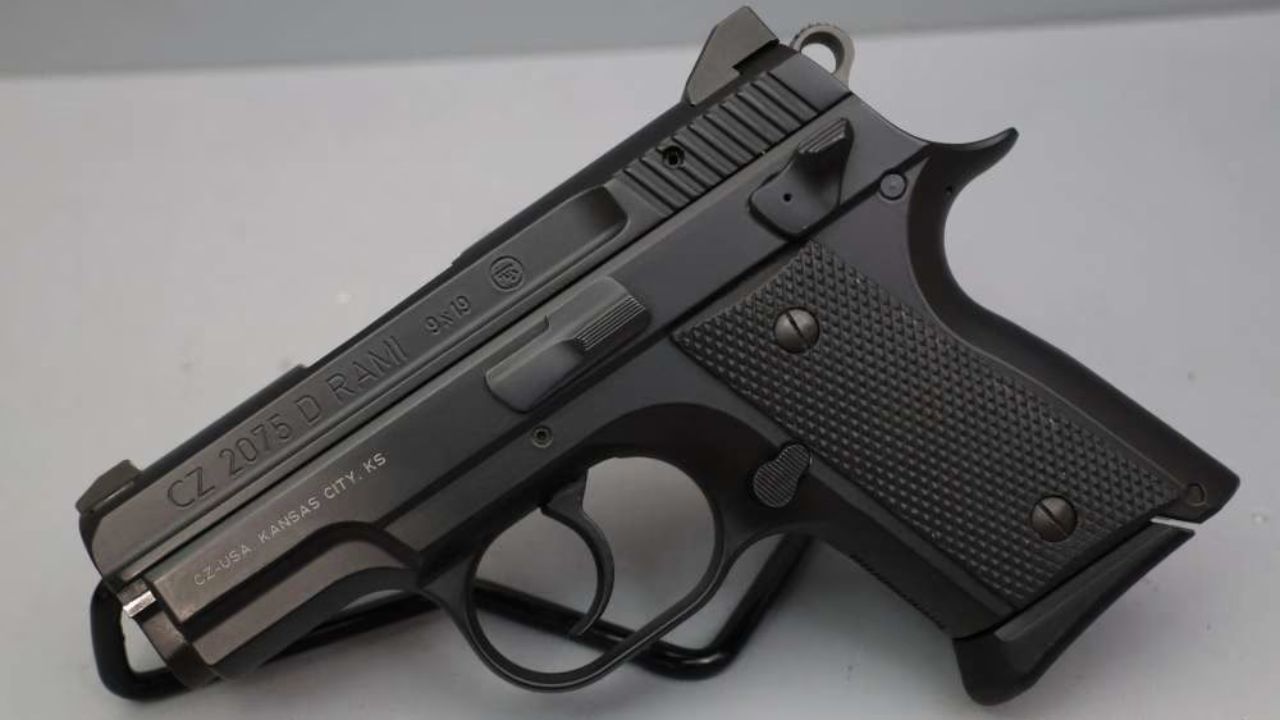
The RAMI feels like a serious pistol in a compact package. Good ergonomics, solid weight, and that CZ shape that points naturally for a lot of shooters. On the belt, it carries like a real gun, not a toy.
It can also be finicky with certain magazines and certain ammo, especially if you’re mixing extended mags or running it hard without cleaning. The RAMI has plenty of fans, but it’s not as forgiving as a full-size CZ when everything gets hot and dirty.
The thing with these handguns isn’t that they’re all junk. It’s that “feels right” is a terrible reliability test. If a pistol is going to earn a spot on your hip, it needs rounds downrange with the magazines you’ll carry and the ammo you’ll actually use, not just one box of whatever was on sale. Comfort matters, but boring reliability matters more—especially when you’re miles from the truck and your hands are cold.
Like The Avid Outdoorsman’s content? Subscribe to our newsletter so you never miss an article.
Here’s more from us: