Photo credit: Maine Outdoor Enthusiast/Youtube
Most rifles look like heroes on a clean bench with a cold barrel and a fresh box of ammo. The trouble starts when you crawl through wet grass, bang a scope on a ladder stand, get sleet in your action, and then need that first shot to land where it’s supposed to. I’ve watched enough “great deals” and “latest-and-greatest” rifles turn into headaches in real hunting conditions to have a short list of what I avoid.
This isn’t about brand wars or internet flexing. It’s about the rifles that show their weak spots when they’re carried a lot, shot a little, and expected to work every single time. Here are 20 that have a reputation for looking better on paper than they perform when the weather and the woods get involved.
1. Remington 710
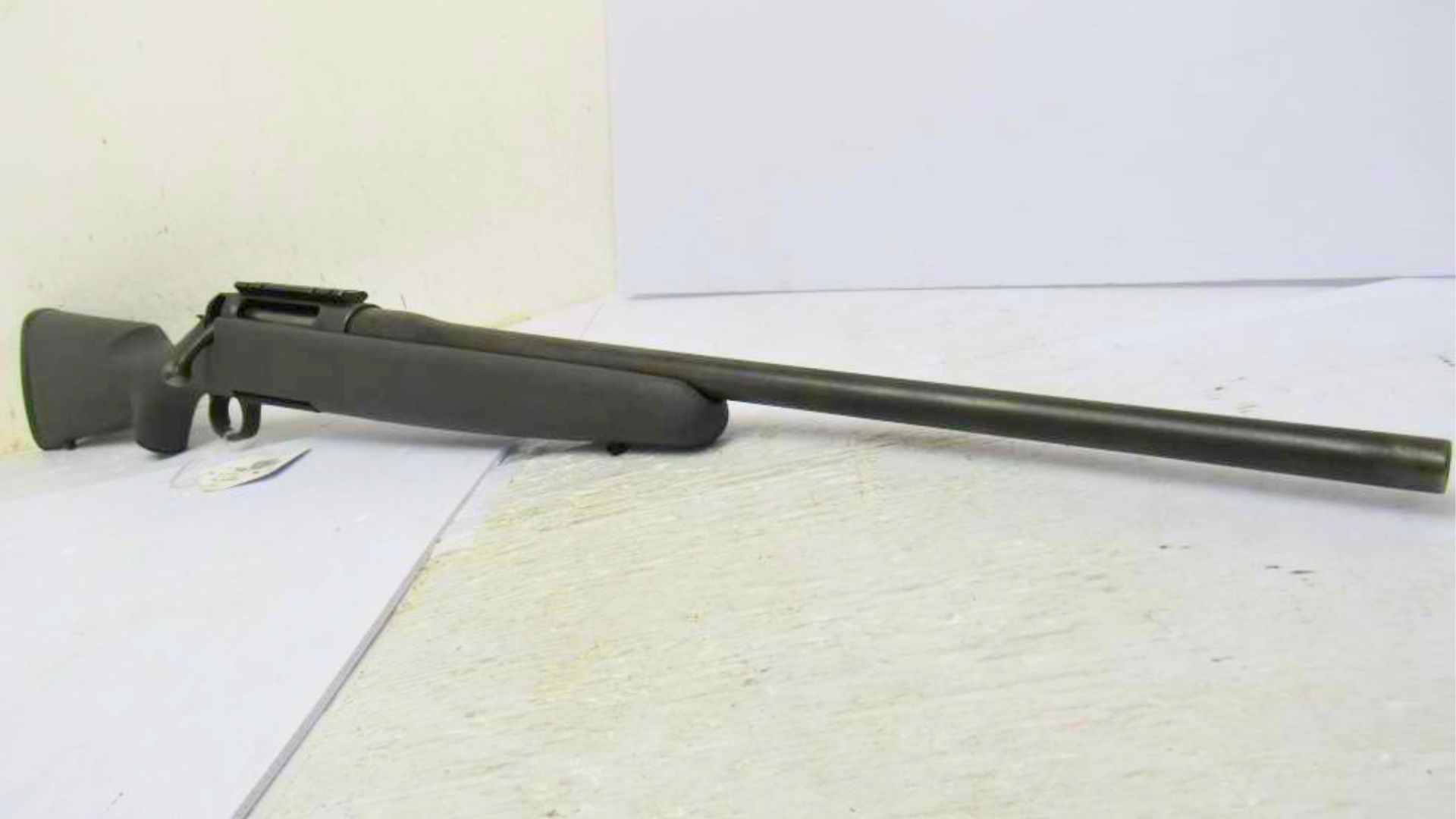
These were sold as an affordable way to get into a scoped bolt gun, and plenty of them did kill deer. But the 710’s weak point is how it holds up when you actually use it like a hunting rifle instead of a closet rifle. The action can feel rough, the overall build isn’t forgiving, and little issues become big ones after a couple seasons.
If you baby it, it may never bite you. Start hauling it around in a truck, dragging it through briars, and hunting in real rain, and you find out quick why so many ended up traded off. It’s the kind of rifle that turns a simple cleaning into “why does this feel like that?”
2. Remington 770

The 770 carried the same “budget package rifle” idea forward, and it ran into a lot of the same complaints. The big one I hear is inconsistency: one guy’s is fine, the next guy’s is a problem child. In the field, you don’t want to be the guy wondering which version you got.
The factory-scope packages also didn’t help the reputation. When a rifle won’t hold zero because the optic and mounts are bargain-bin, folks blame the whole system. A hunting rifle should be boringly dependable, not a science project.
3. Ruger American (early production, especially heavy-trigger examples)

I know, the Ruger American has put a lot of meat in freezers. Still, the early ones had enough rough triggers and “this stock feels like a toy” moments that they earned a spot on this list. It’s not that they can’t shoot; many of them shoot way better than their price tag suggests.
Where they can fall apart in the real world is when you’re wearing gloves, your hands are cold, and you’re trying to run that bolt quietly. Some examples feel clacky and hollow, and the light, flexible stock can be a pain if you’re using field rests or slings hard. A little refinement goes a long way in bad weather.
4. Savage Axis (first-generation, bargain-scope combos)

The Axis is another “it’ll shoot” rifle that can turn into a frustration machine when you stop treating it gently. The early stocks felt flimsy, and the overall fit-and-finish often didn’t love hard use. Add a cheap scope that fogs or loses zero, and you’ve got a recipe for a long walk back to the truck.
I’ve also seen magazine and feeding quirks pop up once the rifle gets dirty or gets bumped around. Not every Axis does it, but enough of them do that I don’t call it bad luck anymore. The deer woods don’t care that it was on sale.
5. Mossberg Patriot (inconsistent QC examples)

When the Patriot is right, it’s a perfectly serviceable hunting rifle. When it’s not, it will test your patience with extraction issues, rough cycling, or accuracy that disappears the moment you get off the bench. That’s the part that makes it tough to recommend across the board.
Real field conditions expose tolerances fast. A little grit in the action, a little moisture, and suddenly your “budget bargain” is getting worked like a stuck zipper. I get why they’re tempting. I also get why some end up back at the gun counter after one season.
6. Marlin X7 (older, well-used rifles with bolt/stock wear)
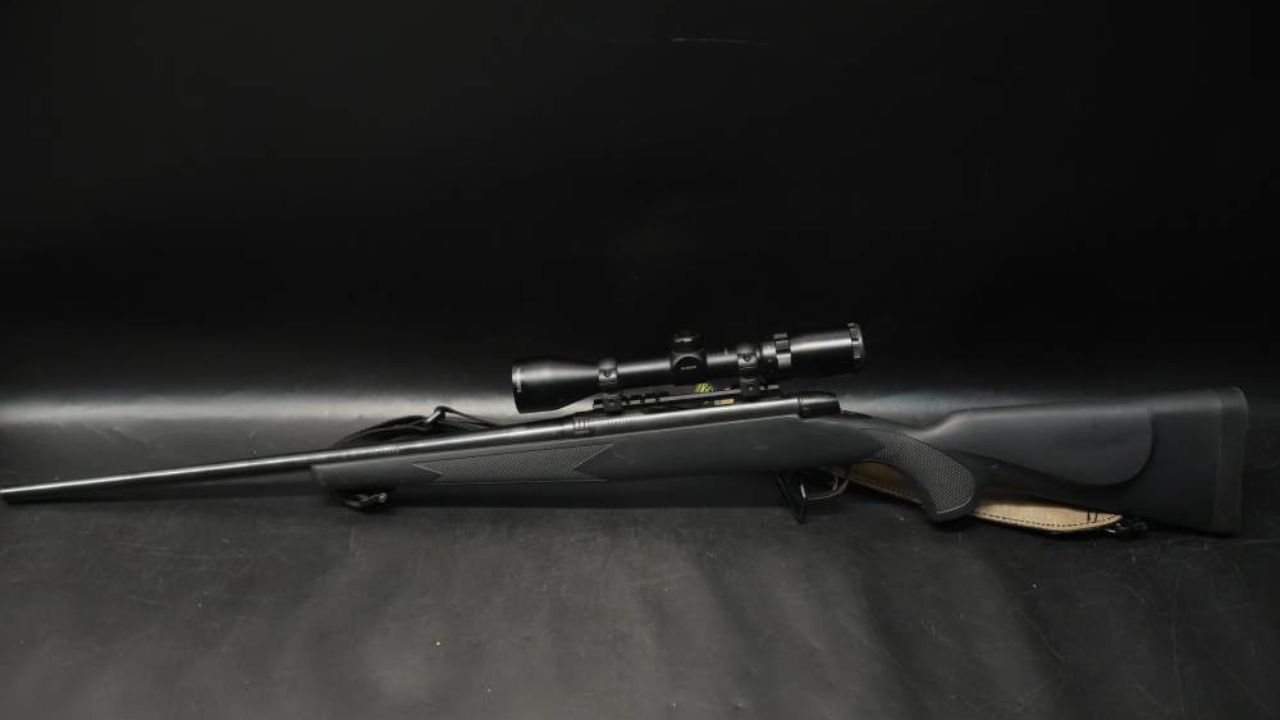
The Marlin X7 had a loyal following because they could shoot and didn’t cost much. The downside is that the ones that are still floating around are often well-used, and the wear points show up when you start dragging them through rough country again. Stocks loosen, bolts get sloppy, and that clean bench accuracy isn’t always the same in the woods.
It’s not a “bad rifle,” but it’s the kind of gun where a good deal can hide a tired gun. If you’re buying one used, you need to be honest about what kind of life it’s already lived.
7. Winchester XPR (early feeding complaints)

The XPR can be a solid hunter, but early examples got a reputation for feeding that wasn’t always smooth. In the field, you don’t always baby the bolt. You might be leaning around a tree, working fast, or trying to reload quietly in a blind.
When a rifle needs a “just do it this way” technique to feed right, it’s already behind. A good hunting rifle should run even when you’re tired, cold, and not thinking about it.
8. Ruger Mini-14 (older thin-barrel models)
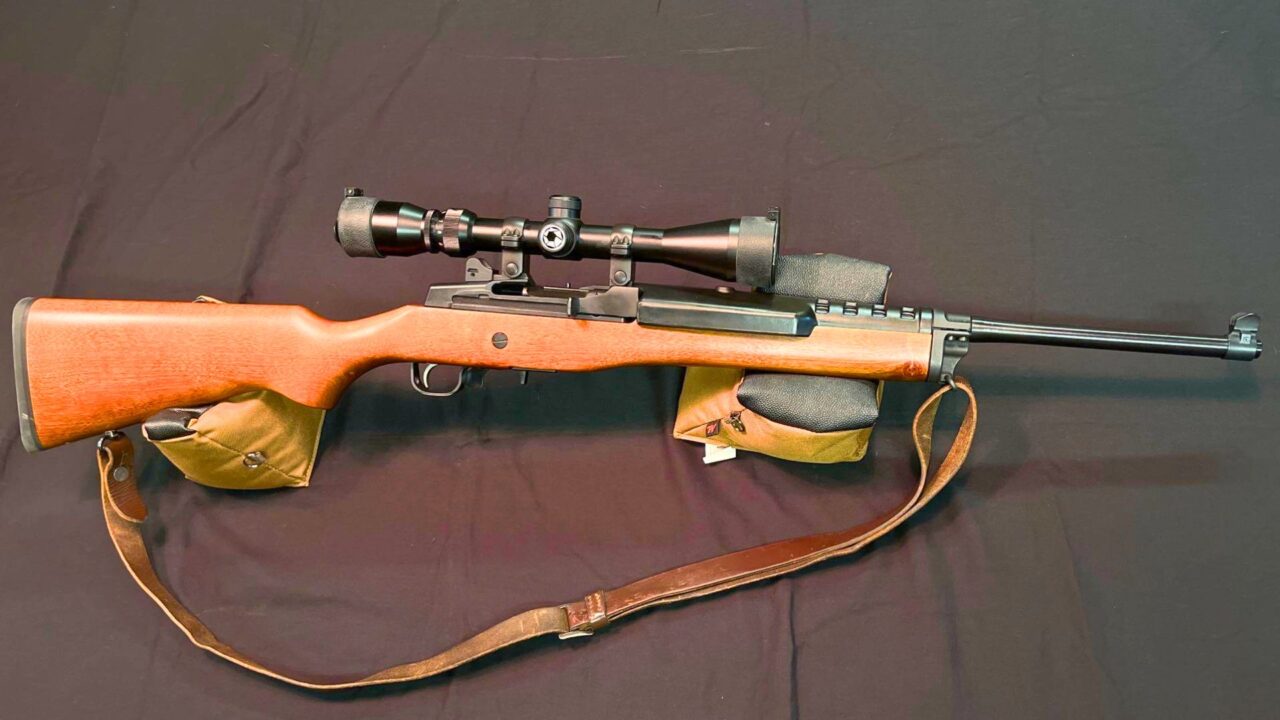
I like the Mini-14 for what it is, but older thin-barrel rifles are famous for wandering groups as they heat up. On a prairie dog town, that matters. On a coyote stand where you might shoot twice quickly, it can matter too.
Even for hunting, the Mini’s real-world hang-up is consistency versus expectations. Folks buy them expecting AR-like accuracy. Then they hunt in wind, shoot from field positions, and realize “minute of coyote” isn’t the same as “minute of internet brag.”
9. Remington 742/7400 (worn rails and hunting-season jams)
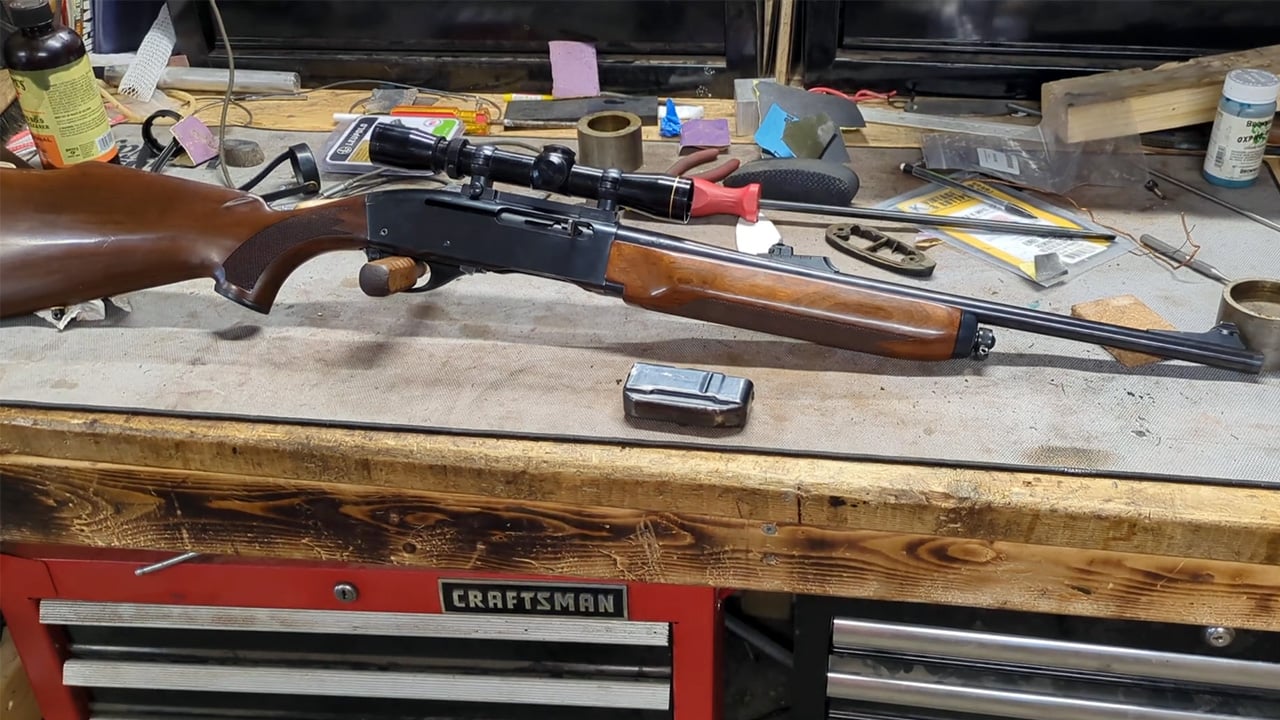
If you’ve never seen one of these jam at the worst moment, you’ve been lucky. The 742 and 7400 killed a mountain of deer, but they are not forgiving when they get dirty or worn. The action rails can wear, and once that happens, reliability goes downhill in a hurry.
Guys keep them because Dad hunted with it, and I respect that. But if you’re taking one into hard conditions, you’d better be realistic and keep it clean. When they start acting up, they don’t usually “get better” on their own.
10. Browning BAR (hunting model, neglected gas system)
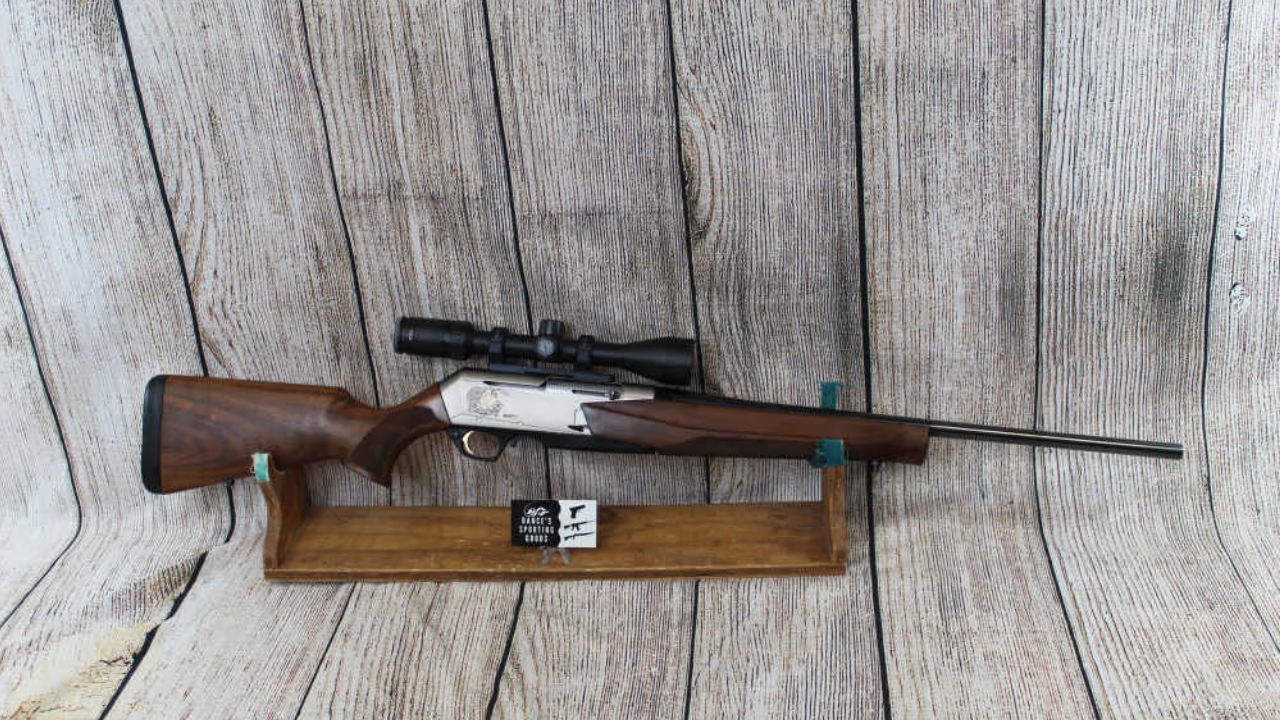
The BAR is a classy rifle that points well and carries flatter than you’d think for a semi-auto. But it’s also a rifle that punishes neglect. Mud, powder fouling, and old oil can turn a smooth-running BAR into a finicky machine.
In real field conditions, a rifle that needs consistent maintenance can be a problem for the average hunter who shoots a few rounds a year. If you’re disciplined, it’s great. If you’re not, you’ll eventually see a short-stroke or feeding issue when you least want it.
11. Kimber 84M/84L (lightweight models with “touchy” setups)
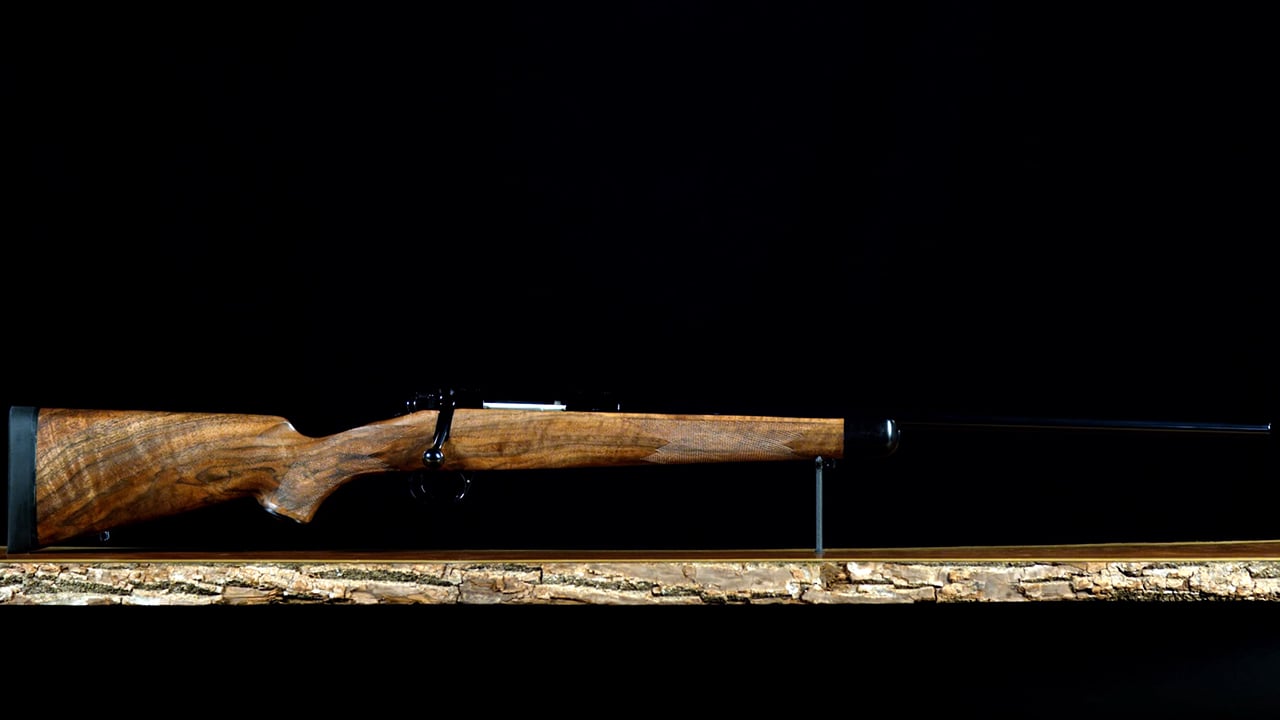
Kimber makes some sweet-carrying mountain rifles. They feel like a walking stick compared to a lot of factory guns. The issue is that lightweight rifles can be picky about bedding, torque, and ammo, and not every Kimber is as forgiving as the price tag suggests.
In the field, a rifle that changes point of impact because of sling pressure or how you rest it on a pack is a real problem. When you’re sucking wind and trying to settle in on a steep-angle shot, “touchy” is not what you want.
12. Christensen Arms Mesa (spotty reports of accuracy shifting)
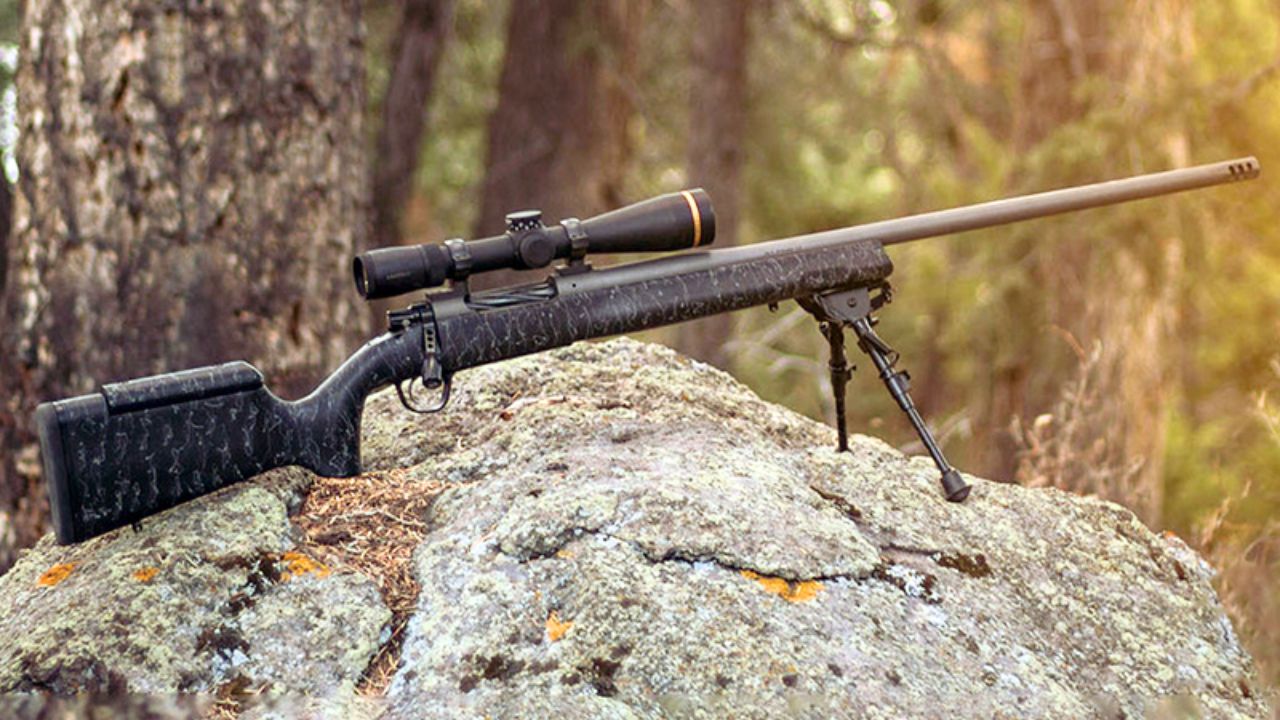
Christensen rifles look the part, and plenty of them shoot. Still, I’ve seen enough chatter and firsthand grumbling about accuracy that comes and goes that I won’t pretend it’s imaginary. The field has a way of exposing rifles that are right on the edge.
When a rifle is marketed as a premium tool, you expect it to stay put after a bumpy ride and a wet day. If you’re paying that kind of money, you shouldn’t be chasing zero like you’re sighting in a bargain setup every weekend.
13. Ultra-light .300 Win Mag rifles (any brand)
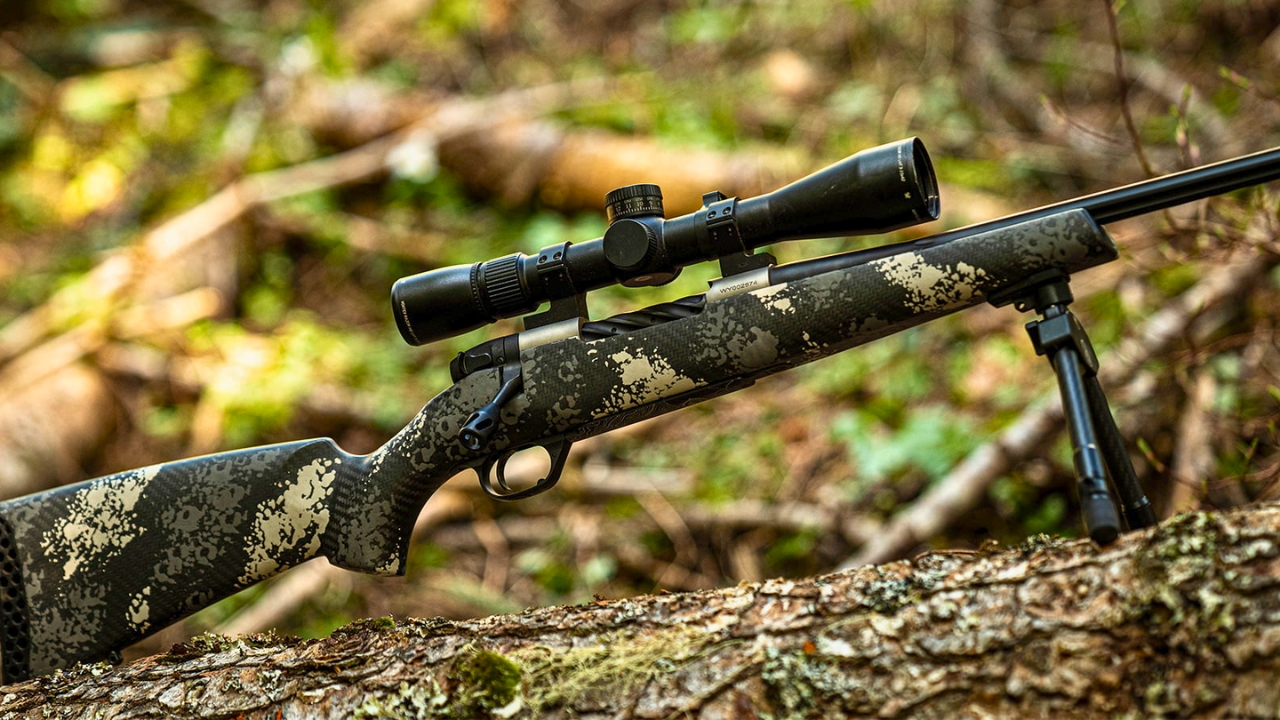
This one isn’t about a single model. A very light .300 Win Mag is a classic “sounds good online” idea that can turn into a flinch factory in real life. Ask me how I know. A rifle you dread shooting doesn’t get practiced with, and then opening morning becomes your practice session.
Add cold weather and heavy clothes, and recoil gets even weirder. The rifle may be accurate, but the hunter is not. If you want magnum performance, a little weight is not your enemy.
14. Super-short, lightweight 12.5–16 inch .308 “brush” rifles
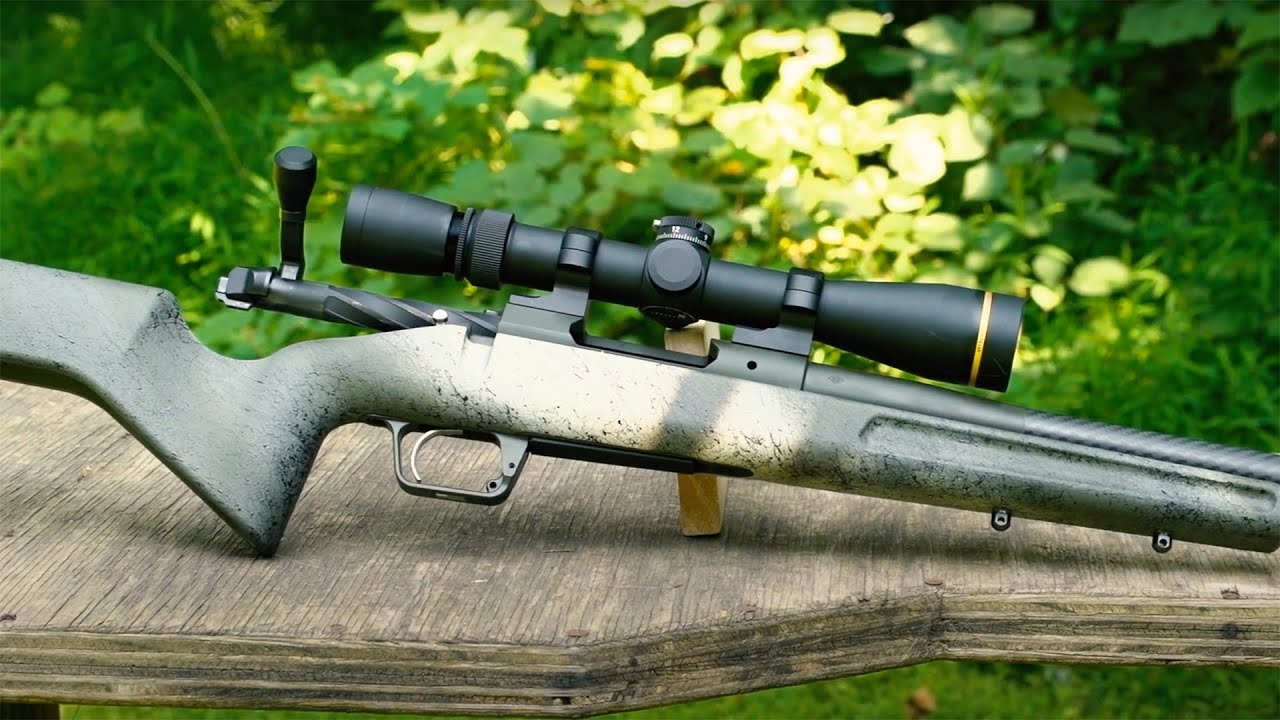
Handy .308 carbines have a cool factor, and they carry great in thick timber. The problem shows up when you actually shoot them past 150–200 yards in wind, with a short sight radius (if irons) and a sharp recoil impulse (if light). A lot of hunters buy them for “the woods,” then find themselves taking a longer shot across a cutover.
The blast and noise are also no joke. In a blind or under a roof, it’s downright miserable. A rifle that beats you up and makes you rush shots isn’t helping you, even if it’s easy to carry.
15. Budget 6.5 Creedmoor package rifles with bargain optics
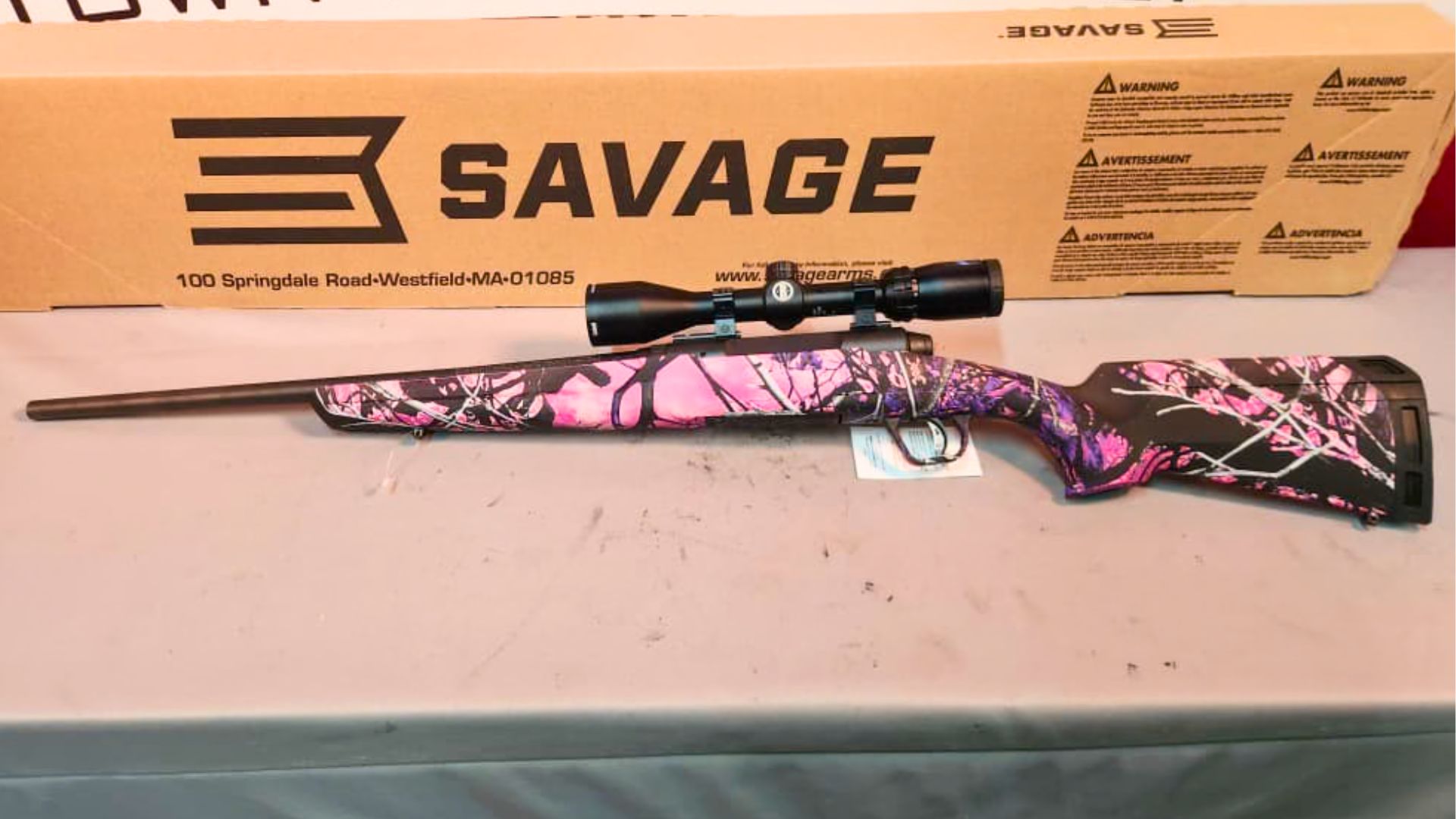
The 6.5 Creedmoor is legit, but the “package rifle” ecosystem around it has created more disappointment than the cartridge deserves. When the scope won’t track, the rings loosen, or the turrets feel like a toy, the hunter starts blaming the rifle and the caliber.
Real field conditions mean temperature swings, rain, and getting bumped climbing into a stand. If your optic is the weak link, your whole setup is weak. A basic, reliable scope beats fancy markings you can’t trust.
16. Early “entry-level” AR-10 pattern rifles (mixed parts, mixed reliability)

AR-10 style rifles can be excellent hunting tools, especially for hogs and predators. The problem is that the platform doesn’t have the same universal parts standardization as AR-15s. Some entry-level guns are a mix of patterns, and that can lead to magazine pickiness and reliability that changes with ammo.
In the field, “it runs fine at the range” can turn into a failure to feed when the rifle gets dusty or you’re shooting from odd angles. Also, they’re often heavier than folks expect once you add a real optic and a sling. Heavy is fine, until it’s heavy for three miles.
17. Lever-action .45-70 with hot loads and loose screws

I love a lever gun, and the .45-70 is a hammer. But hot loads in a light lever rifle can rattle things loose if you don’t stay on top of it. It’s not uncommon to see sight screws or mounts walking if the rifle isn’t set up right.
In wet weather, some of these rifles also need a little more attention than a modern stainless bolt gun. Nothing fancy about a lever gun in the rain: wipe it down, keep it lightly oiled, and check your screws before the season. If you don’t, you’ll learn the hard way.
18. Classic sporterized military Mausers (unknown gunsmithing, unknown safety)
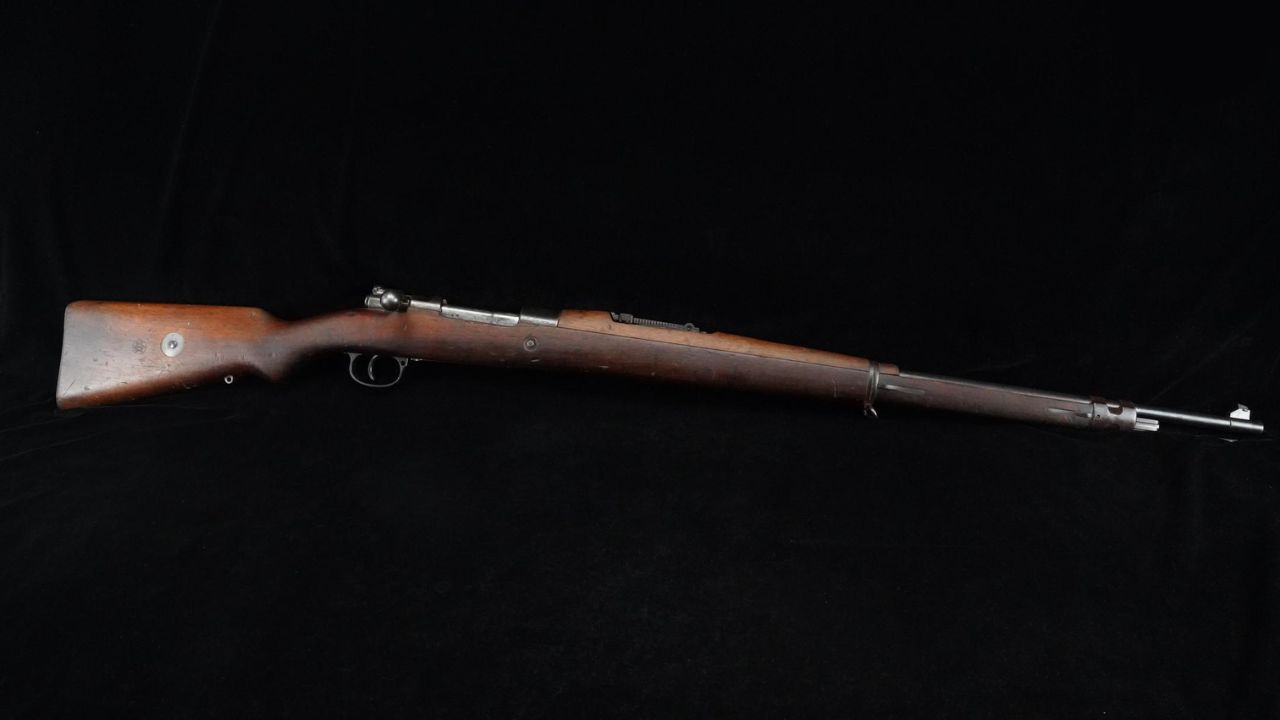
A sporter Mauser can be a fantastic hunting rifle, or it can be a mystery box. A lot depends on who did the work decades ago. I’ve handled some that were slick and safe, and some that made me set them down and back away.
Field conditions don’t cause the problems, they reveal them. Sticky extraction, questionable safeties, and scope mounts that aren’t quite straight show up when the rifle is cold, wet, and you’re trying to get a shot off before the deer steps out of the lane.
19. Cheap rimfire “tactical” trainers (pot-metal feel, finicky mags)
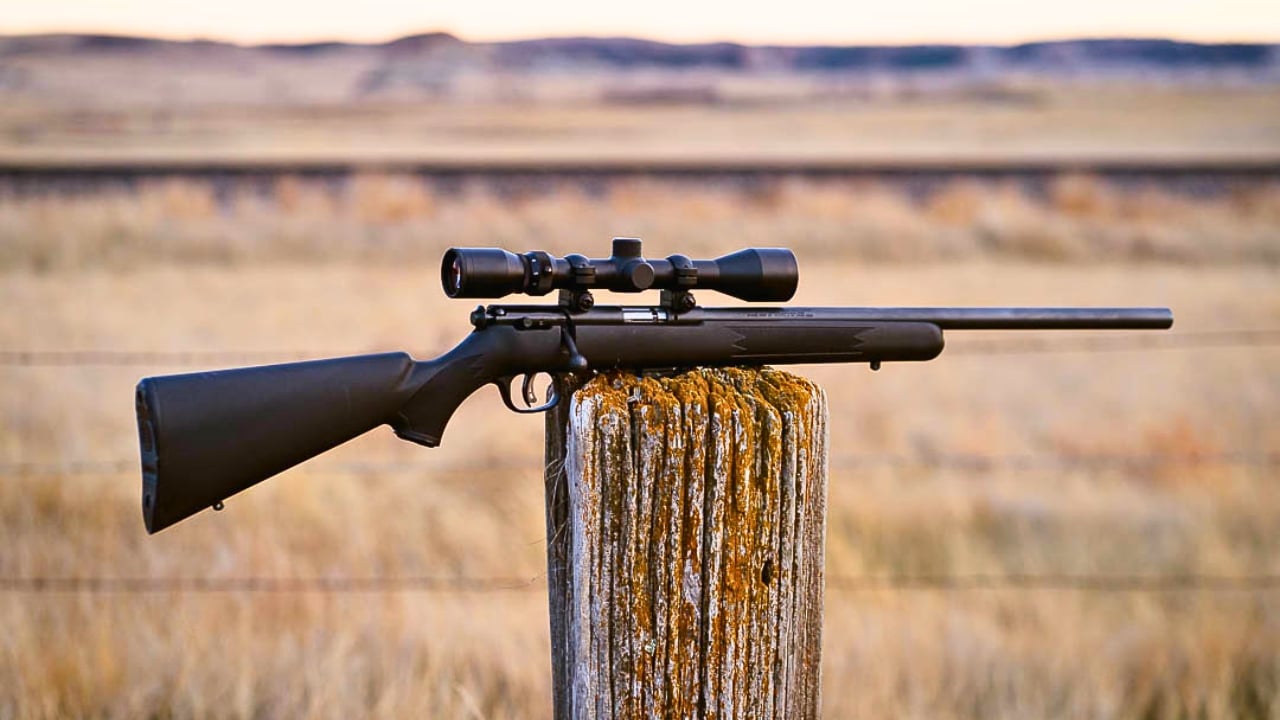
A .22 trainer is a smart idea. A cheaply made one that looks cool but runs poorly is a waste of time. I’ve seen rimfires with finicky magazines turn range days into malfunction drills, and those issues tend to get worse when there’s dust, pine needles, and cold fingers involved.
If you’re using a .22 for squirrels or camp meat, reliability matters. A simple, proven rimfire that feeds anything is worth more than a rifle with rails and a stock that rattles.
20. Old, hard-kicking slug guns with neglected optics
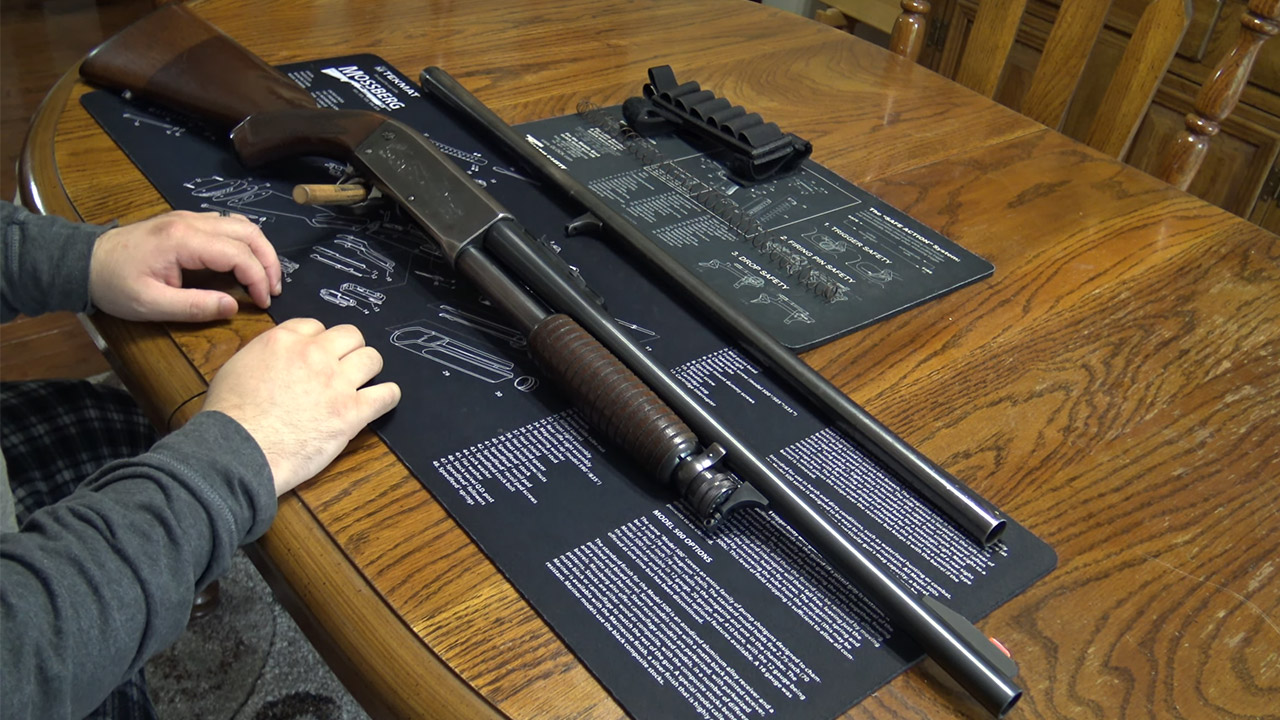
In shotgun-only country, a slug gun is your deer rifle. The problem is that a lot of them live in closets for 11 months, then get dragged out and expected to do work with a scope that’s been knocked around, batteries that are dead, and mounts that were never re-checked after last season.
Heavy recoil finds every weak screw and every cheap ring. In real conditions, the gun might be fine but the setup isn’t. If you hunt with slugs, treat that rig like a rifle: check zero, check mounts, and don’t assume last year’s group still counts.
None of this means you can’t hunt with these rifles. It means you should be honest about what the field does to gear, and pick a setup that doesn’t require perfect conditions to behave. The best hunting rifles aren’t always the prettiest or the newest. They’re the ones that keep working when it’s cold, wet, and inconvenient, which is most of hunting season if we’re telling the truth.
Like The Avid Outdoorsman’s content? Subscribe to our newsletter so you never miss an article.
Here’s more from us: