Photo credit: Stephen Z – CC BY-SA 2.0/Wiki Commons
Revolvers get talked about like they’re all the same: simple, rugged, “they always go bang.” Most of the good ones really do live up to that. But there’s a whole corner of the wheelgun world that has made new shooters swear off revolvers for life, and made seasoned gun guys roll their eyes when somebody says, “It’s a revolver, so it’s reliable.”
This isn’t a hate list of every budget gun ever made. Some of these are genuinely unsafe in certain examples, some are just poorly thought-out, and some are decent ideas that got executed in a way that left folks stranded at the range with a locked-up cylinder and a bad mood. If you’ve ever had to tap a stuck ejector rod with a pocketknife while your buddies watched, you already know why this list exists.
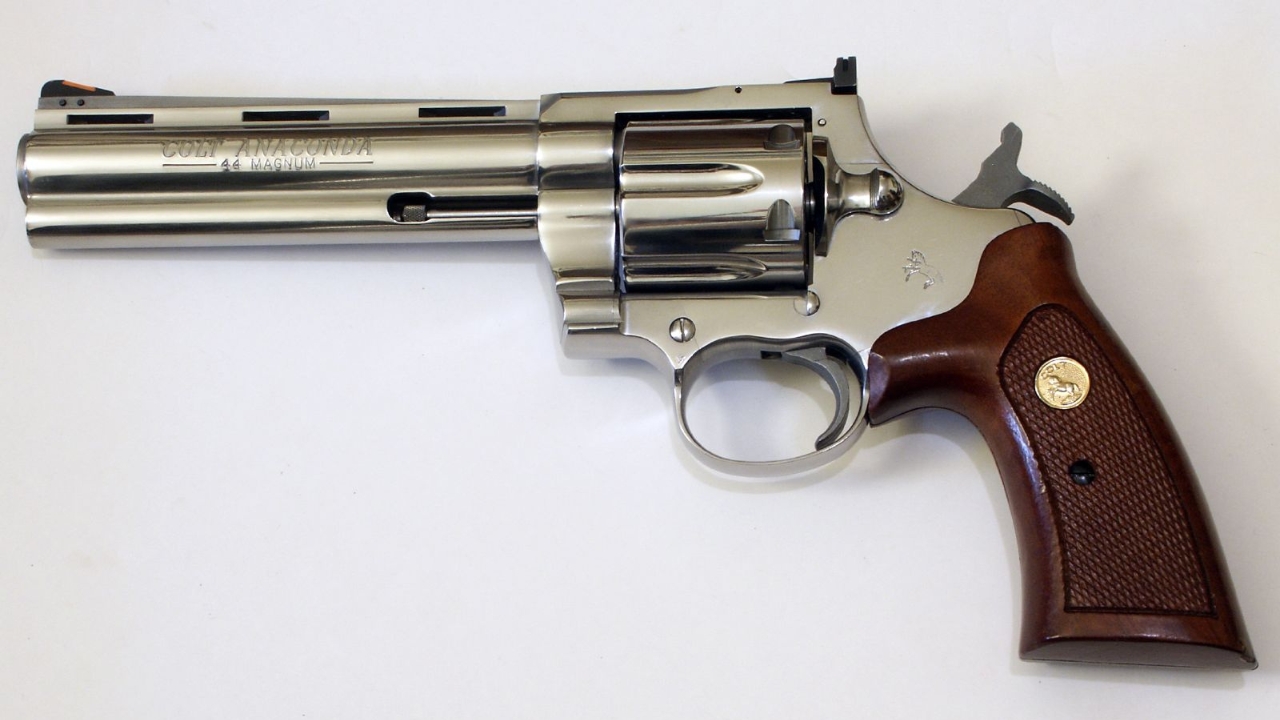
1. Colt Python (late-production, rushed years)

The Python name is pure romance. The problem is that not every era of Python lived up to the legend, especially when production pressure and cost-cutting started showing. Timing and lockup issues are the kind of “little” problem that turns into a big problem fast on a revolver.
When a gun gets picky about staying in time, it’s not just an accuracy thing. It can start shaving lead, spitting debris, and generally turning a pleasant range day into a face-full-of-regret situation. The sad part is the logo on the side makes folks ignore what their hands are telling them.
If you find a great one, fine. But the name alone doesn’t guarantee you’re getting the mythical experience everyone talks about.
2. Colt Anaconda (early runs with rough fit and finish)
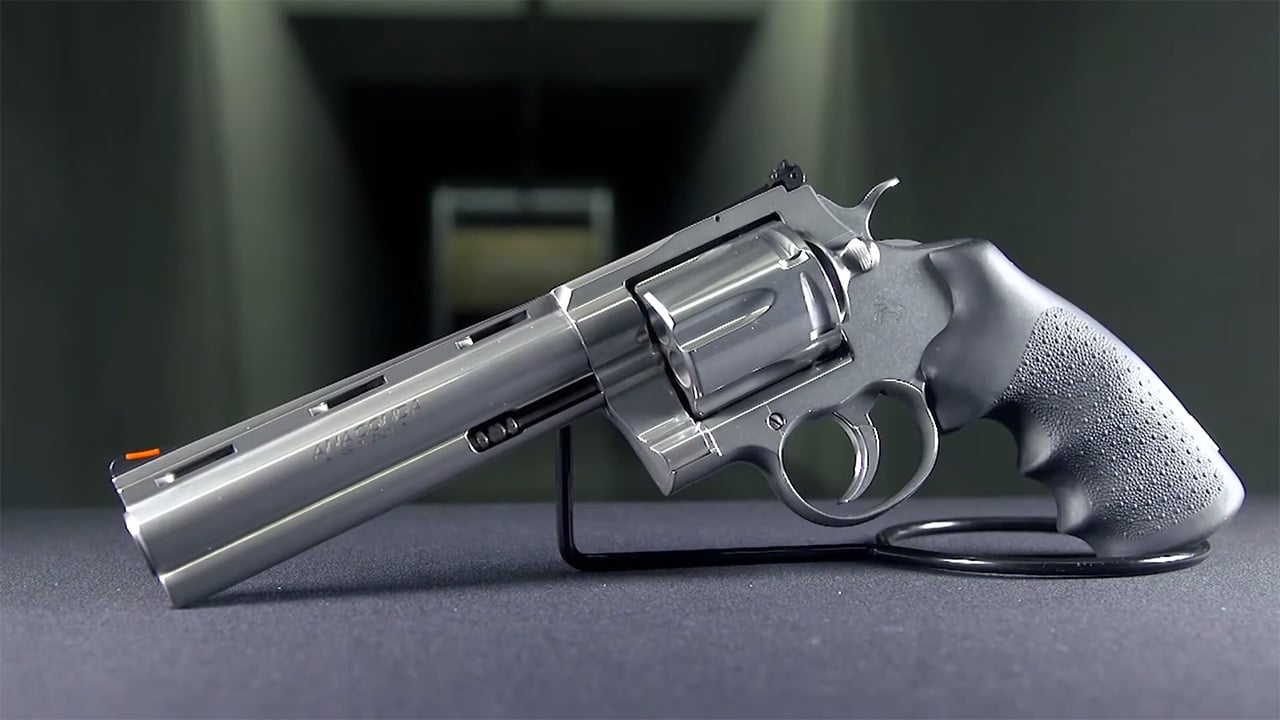
Big-bore Colts have always had a pull on people, and the Anaconda looks the part. Some early examples, though, had that “built on a Friday afternoon” feel—rough actions, inconsistent lockup, and finishes that didn’t match the price tag.
A heavy .44 Magnum revolver already asks a lot from the shooter. When the trigger stacks weird, the cylinder feels gritty, or the timing feels questionable, it’s not fun anymore. It becomes a gun you bring out to show somebody once and then put back in the case.
3. Smith & Wesson 329PD
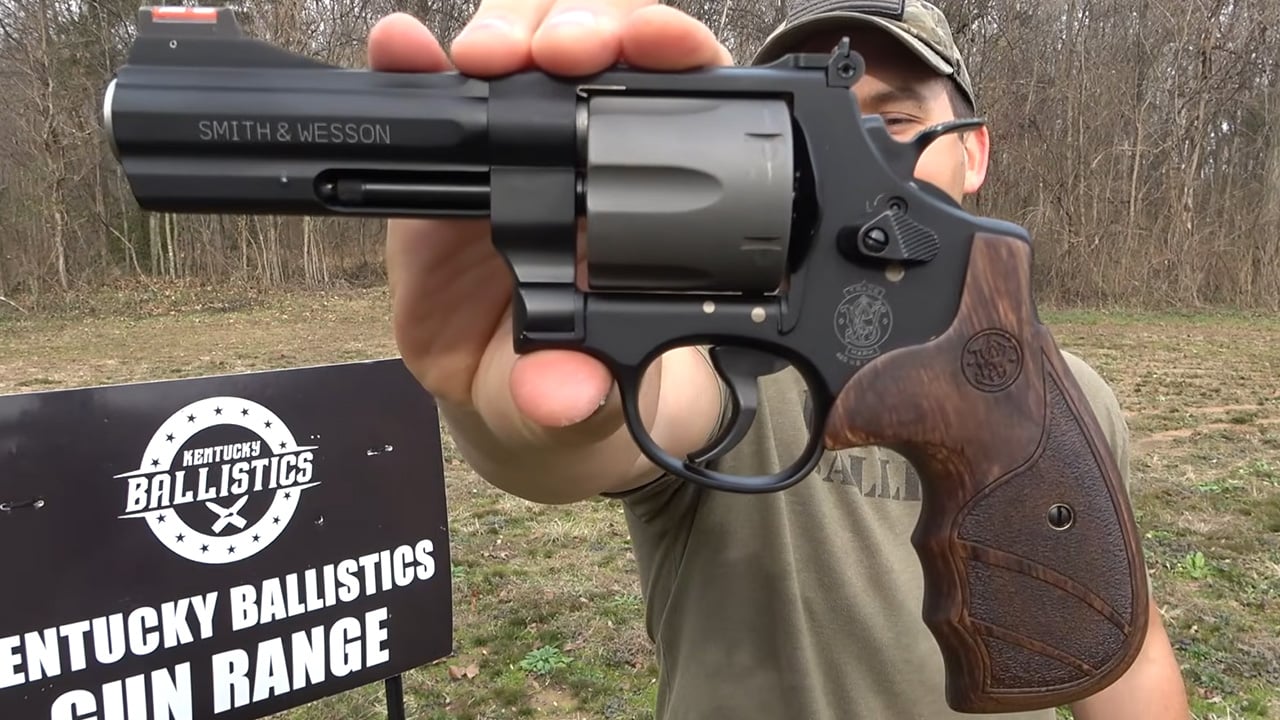
I get it. A .44 Magnum that weighs about as much as a sandwich sounds perfect for the backcountry. Then you actually touch one off with full-power loads and understand why so many of them live in drawers instead of holsters.
These ultralight big-bores can be brutal enough to cause flinches that take real work to fix. They also have a history of “bullet pull” with heavier loads—where recoil can walk bullets forward in the remaining chambers and tie up the cylinder. Ask me how I know.
4. Smith & Wesson 340PD
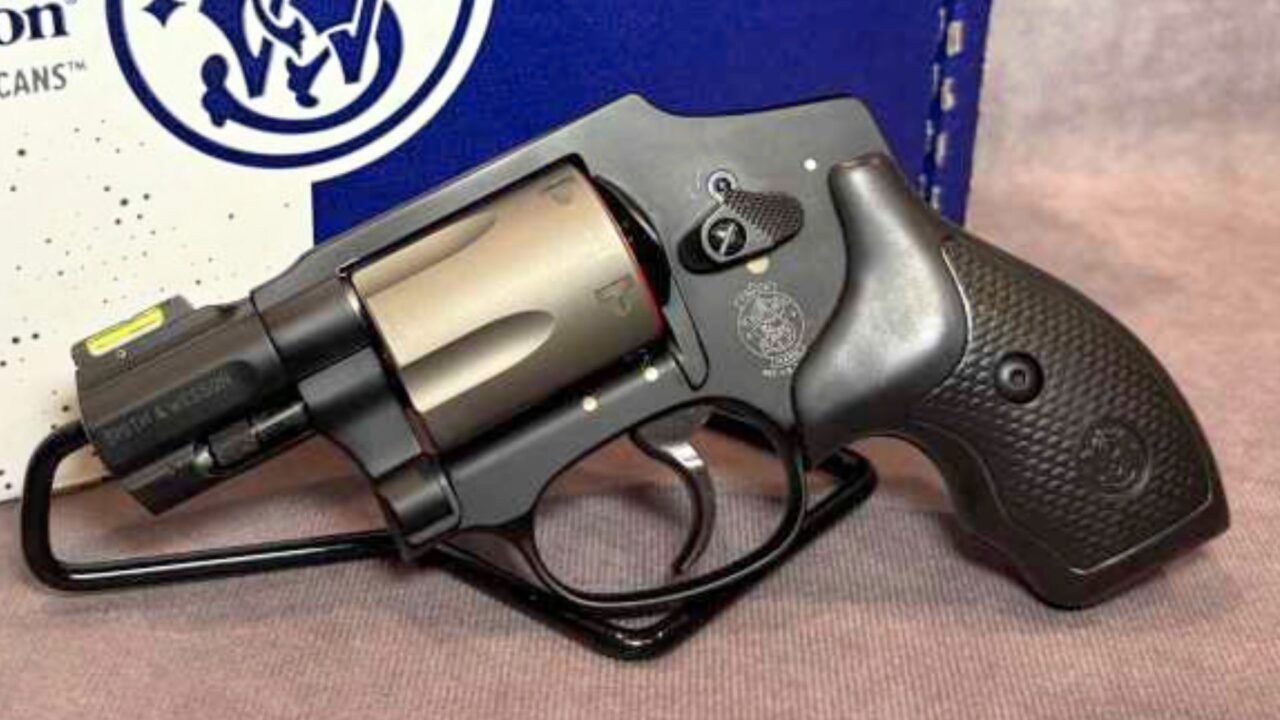
Same story, different caliber. A featherweight .357 snub sounds like peak practicality until you shoot it with actual .357. It’s a tiny gun that punishes you like it’s mad you bought it.
Most owners end up running .38 +P, which is fine, but then you paid a premium for a .357 that you don’t want to use as a .357. That’s not a “bad” gun so much as a recipe for disappointment.
5. Smith & Wesson Model 36 (worn-out examples sold as “good snubs”)
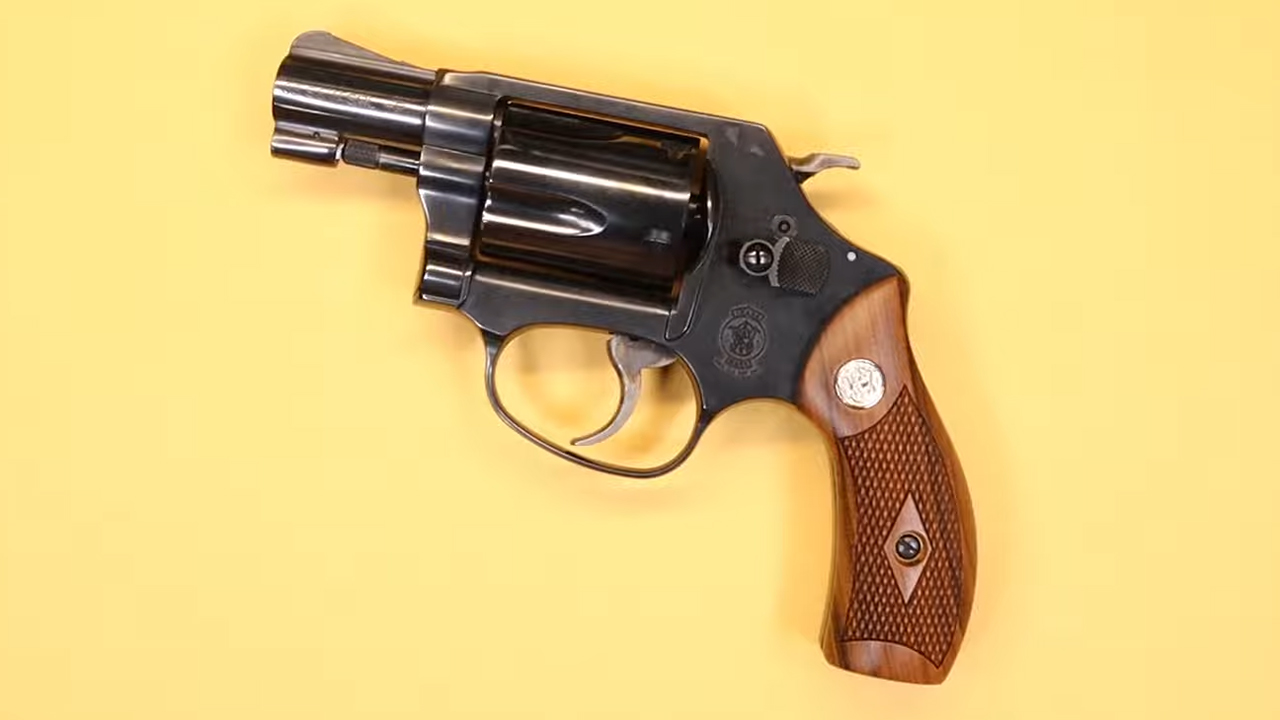
The Chief’s Special is a classic. The bad name comes from what happens when a well-loved, decades-old snub gets sold to a new shooter as a ready-to-carry defensive gun with no real inspection.
Loose lockup, endshake, tired springs, and questionable timing show up a lot in old carry guns. A revolver can run “okay” right up until it doesn’t. The buyer thinks revolvers are supposed to be foolproof, and now they’re standing there with light strikes and a sour opinion.
6. Taurus Model 85 (hit-or-miss quality)

I’ve seen Model 85s that ran for years and I’ve seen ones that needed help straight out of the box. That inconsistency is what hurts the revolver reputation. A budget gun is one thing; a budget gun that might or might not work is another.
Snub-nose revolvers already have a steep learning curve. Add rough triggers, timing that’s not quite right, and sights that feel like an afterthought, and it’s easy for a new shooter to decide the whole platform is outdated.
7. Taurus Judge

This one sells on the counter because it looks like it solves problems. The reality is you get a big, bulky revolver that’s awkward to carry, slow to reload, and not especially good at what people buy it for.
Short-barreled .410 out of a handgun is more noise and flash than performance, and the .45 Colt accuracy varies by gun and load. It’s a novelty that too often gets treated like a serious tool.
8. Taurus Public Defender Polymer
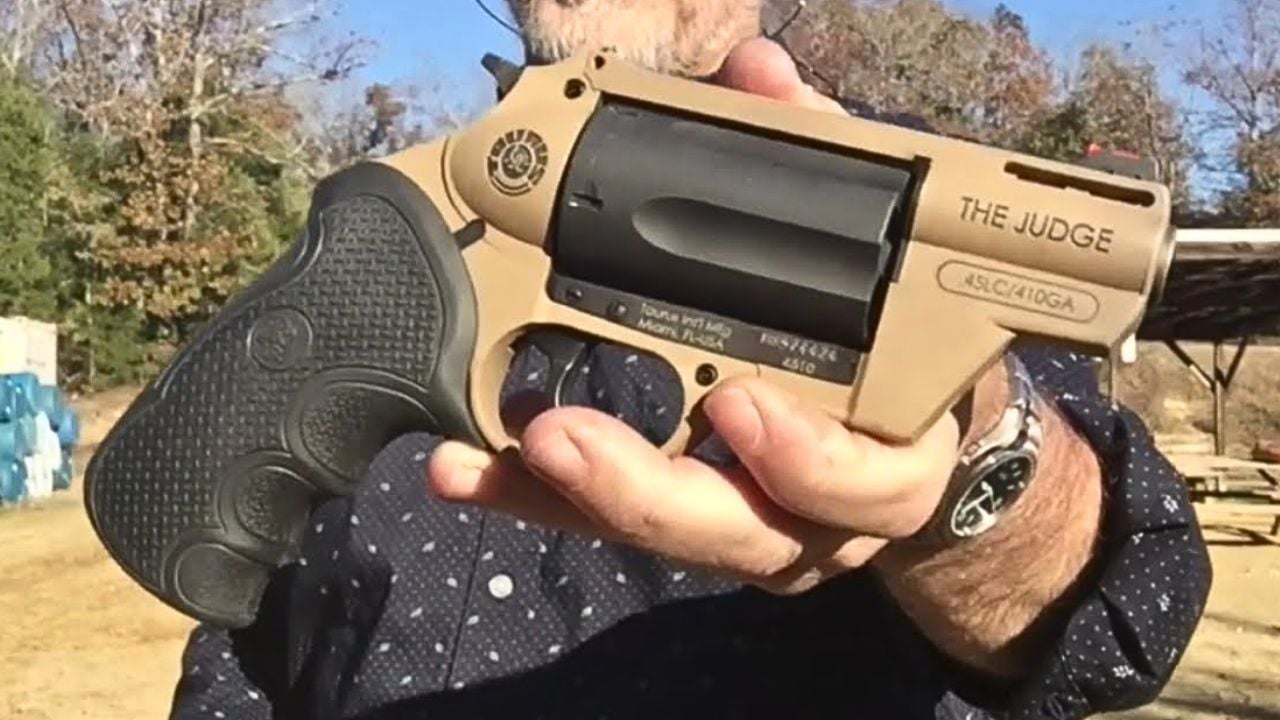
Same concept, lighter package, and it still ends up being a compromise machine. Polymer-framed wheelguns can be fine, but mixing light weight with heavy recoil and a large cylinder is a recipe for miserable shooting.
If a gun is unpleasant enough that you never practice with it, it’s not defending anybody. It just rides around giving revolvers a goofy reputation.
9. Charter Arms .44 Bulldog (rough actions and sharp recoil in a small frame)
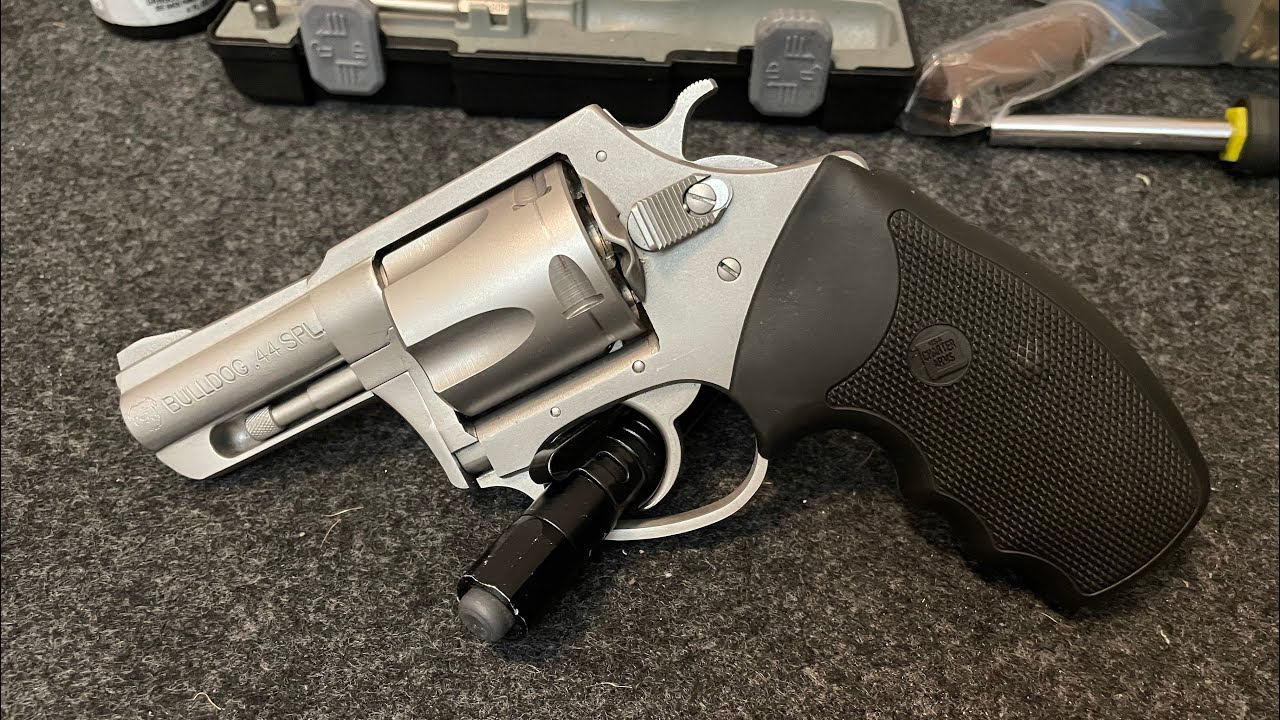
The Bulldog has a cult following because it’s a compact .44 Special. The problem is many of them feel like they were finished with a file and a prayer. The triggers can be heavy and gritty, and the recoil is snappy in a way that surprises people.
In theory it’s a great woods walk gun. In practice, a lot of folks shoot a cylinder or two and decide revolvers are inaccurate and unpleasant. The platform isn’t the issue—the execution is.
10. Charter Arms Pathfinder (inconsistent rimfire ignition)
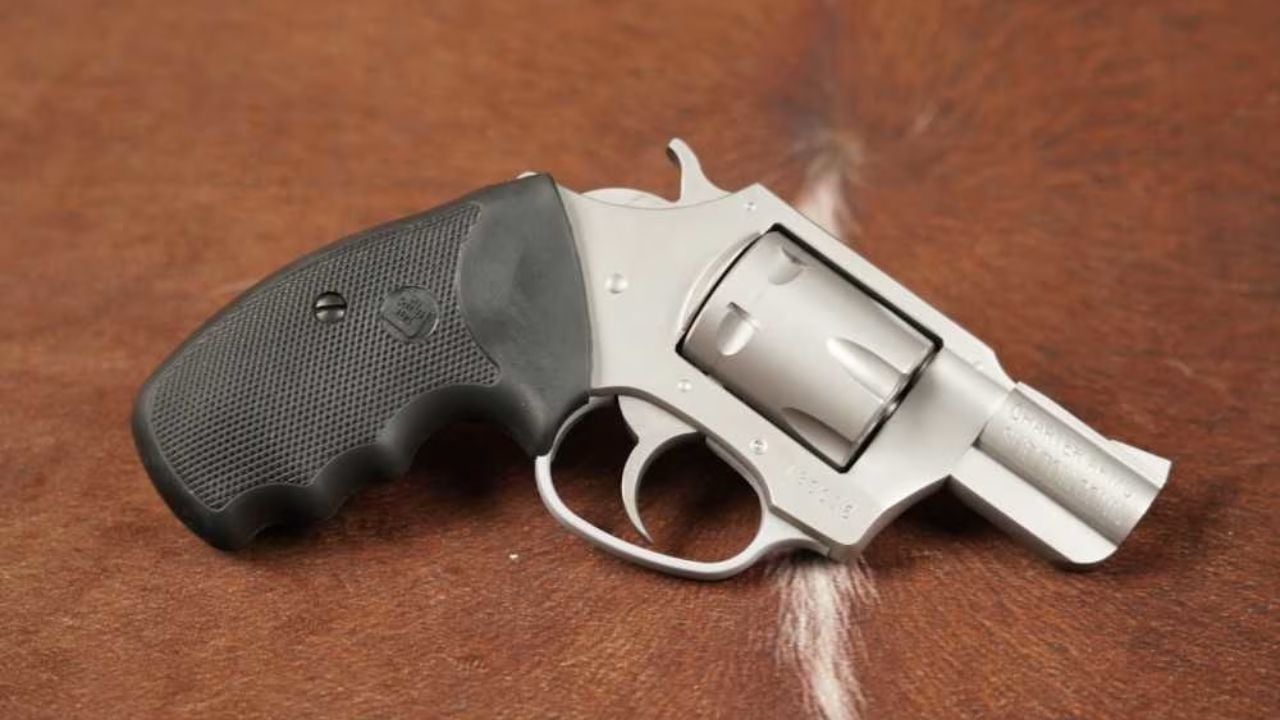
Rimfire revolvers can be a blast when they run. When they don’t, they’re a constant reminder that rimfire ammo is already less consistent, and a light strike turns “plinking” into “clearing duds all day.”
I’ve handled Pathfinders that were fine and others that had spotty ignition and rough chambers. A .22 revolver should be the easy, friendly introduction to wheelguns. When it isn’t, new shooters blame the whole concept.
11. Rossi Model 971/972 (older budget .357s with timing issues)

Rossi made some solid, simple revolvers and some that weren’t. The 971/972 series shows up used a lot, and the bad ones can be real timing nightmares. You’ll see cylinders that don’t quite line up the same from chamber to chamber.
That’s not just annoying; it can be unsafe if it’s bad enough. And when it’s a used buy, the owner often doesn’t find out until they’ve already fallen in love with the “deal.”
12. EAA Windicator

The Windicator looks like an old-school service revolver and gets purchased because it’s affordable. The issue is the overall feel: bulky for what it is, not a great trigger, and a lot of examples that just don’t point naturally.
There’s nothing wrong with a simple .357, but when a gun feels like it’s fighting you on every trigger press, it makes folks think revolvers are inherently clunky. They aren’t. This one just kind of is.
13. Nagant M1895 (surplus charm with real-world headaches)

It’s weird, it’s historic, and it’s usually cheap enough to tempt you. Then you try to actually shoot it like a normal person. The trigger pull can feel like you’re dragging a couch across carpet, and the ammo situation is its own problem.
The gas-seal system is cool on paper, but it doesn’t make it a practical revolver for anything besides collecting and occasional range curiosity. Plenty of folks bought one thinking “a revolver is a revolver” and learned otherwise.
14. Heritage Rough Rider (rough fit, rimfire quirks)

These sell because they’re inexpensive and they look like a fun single-action. Sometimes they are. Sometimes they’re rough enough that the cylinder feels like it’s full of sand, the sights are optimistic, and the overall experience is more frustration than fun.
A cheap .22 that’s unreliable teaches all the wrong lessons. The best .22 is the one you want to shoot all afternoon. A finicky one just makes new shooters think guns are more trouble than they’re worth.
15. North American Arms mini-revolvers (tiny = hard to shoot well)
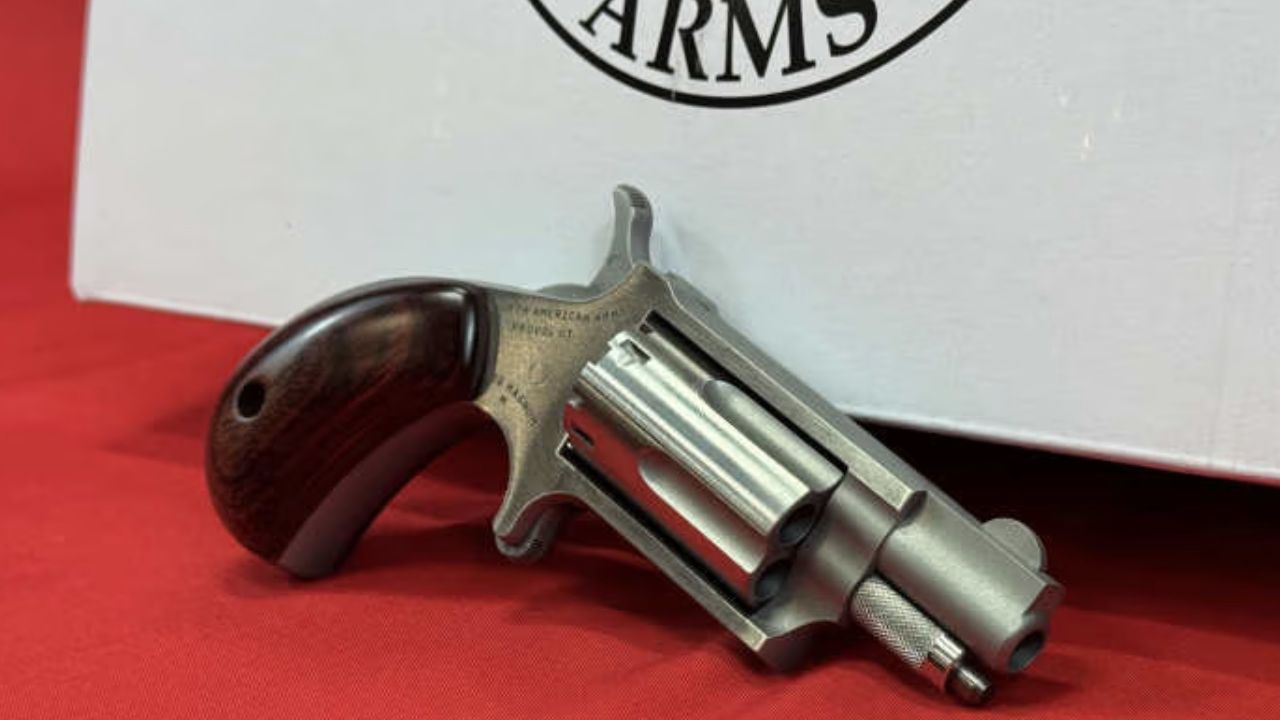
I’m not calling these junk. They’re well-made for what they are. The bad name comes from how often they get bought as a “serious carry gun” by someone who’s never tried to shoot one fast, accurately, under any pressure.
They’re tiny, the sights are tiny, the grip is tiny, and the handling is not forgiving. As a deep concealment novelty, fine. As a primary defensive plan, it’s a rough road.
16. Ruger LCR in .357 Magnum (the uncomfortable truth)

The LCR is a smart design and the trigger can be surprisingly good. But the .357 version brings you right back to the “light gun, heavy recoil” issue. It’s not as punishing as some ultralights, but it’s still a lot.
Many owners end up carrying it with .38 +P, which again is totally reasonable. The disappointment comes from thinking you’re getting a controllable magnum snub and then realizing your practice sessions are going to be short.
17. Ruger Redhawk in .44 Magnum (overbuilt and heavy for most normal uses)

Redhawks are tanks. They also carry like tanks. For hunting from a stand or shooting at the range, that weight is your friend. For packing all day on a belt while you cut fence, check trail cams, or push through brush, it gets old.
The bad reputation isn’t reliability—it’s the “I bought it because it’s tough, and now I never actually carry it” problem. A gun that stays home isn’t doing you much good in the woods.
18. Ruger Super Redhawk Alaskan

If you want a short, powerful revolver for big critters, this is the kind of gun people daydream about. Then they shoot one in .454 Casull or heavy .44 loads and realize it’s a specialized tool with a steep price in recoil and blast.
It’s also chunky. In a chest rig it can make sense, but as a normal belt gun it’s a brick. Too many buyers treat it like a general-purpose revolver and end up with a safe queen that rattled their teeth once.
19. Kimber K6s (early-production hiccups and expectation overload)

The K6s has a lot going for it: size, capacity, and looks. The problem is that some early guns had enough issues—roughness, stiff ejection, and occasional weirdness—that it left a mark. When you pay Kimber money, you expect it to be right.
This is also a revolver that gets bought by folks who want “premium snub life” without doing the snub-nose work. If you don’t put in range time, even a good K6s won’t feel good.
20. Budget .22 “cowboy” single-actions with soft parts (the no-name trap)

You’ll see them at gun shows and in pawn cases: inexpensive single-actions that look the part and feel fine dry. Then you shoot them and parts wear fast, screws walk, timing drifts, and the gun starts acting like it’s tired after a few bricks of ammo.
Those guns are where a lot of “revolvers are unreliable” stories are born. Not because the design is flawed, but because the materials and fitting weren’t up to the job. A good single-action .22 is a lifetime companion. A cheap one can be a short lesson.
Revolvers didn’t earn their reputation by accident, and the good ones still make a ton of sense for certain jobs. But the platform isn’t magic. If a wheelgun is out of time, too light for the cartridge, built with soft parts, or bought for a fantasy instead of a real need, it’ll bite you. Buy the revolver you’ll actually carry, actually practice with, and actually maintain—and you’ll understand why the classics still hang around.
Like The Avid Outdoorsman’s content? Subscribe to our newsletter so you never miss an article.
Here’s more from us: