Photo credit: rangehot.com/Youtube
Most of the “expensive” guns I see these days were never meant to be safe queens. They were meant to ride behind a truck seat, get rained on during duck season, and lean in a corner of a barn without anybody making a fuss. And that’s exactly why it stings when you look up one of those old workhorses you used to see everywhere and realize it’s now bringing collector money.
This isn’t about hyping anything or pretending every old gun is magic. Plenty of them are heavy, plain, and they kick like a mule. But there are a handful that went from everyday tool to “you should’ve kept it,” and it happened fast. Here are 20 models that fit that bill.
1. Winchester Model 1894 (pre-64)

There was a time when a Model 94 was as normal as a fence post. Saddle scabbard, behind the kitchen door, deer rifle for three generations—nothing fancy. The pre-64 guns, especially in honest condition with decent bluing and a solid bore, have turned into a different animal value-wise.
Part of it is the feel. The lever throw is smooth, the rifle balances right between the hands, and it carries in the woods like it was built for slipping through brush. A lot of them got “cleaned up” with sandpaper and cold blue over the years, so untouched examples command real money now.
2. Marlin Model 336 (JM-stamped)

The JM stamp on the barrel is the first thing folks check now, which still makes me shake my head. The 336 was a workingman’s deer rifle—simple, accurate enough, and it fed slick. In .30-30 it’s about as practical as it gets in timber country.
When quality got inconsistent for a stretch, those older North Haven guns became the ones everybody wanted. If you’ve got one that hasn’t been drilled crooked, hasn’t been “upgraded” to death, and still has the original sights, it’s not just a brush gun anymore.
3. Ruger No. 1 (early-production)
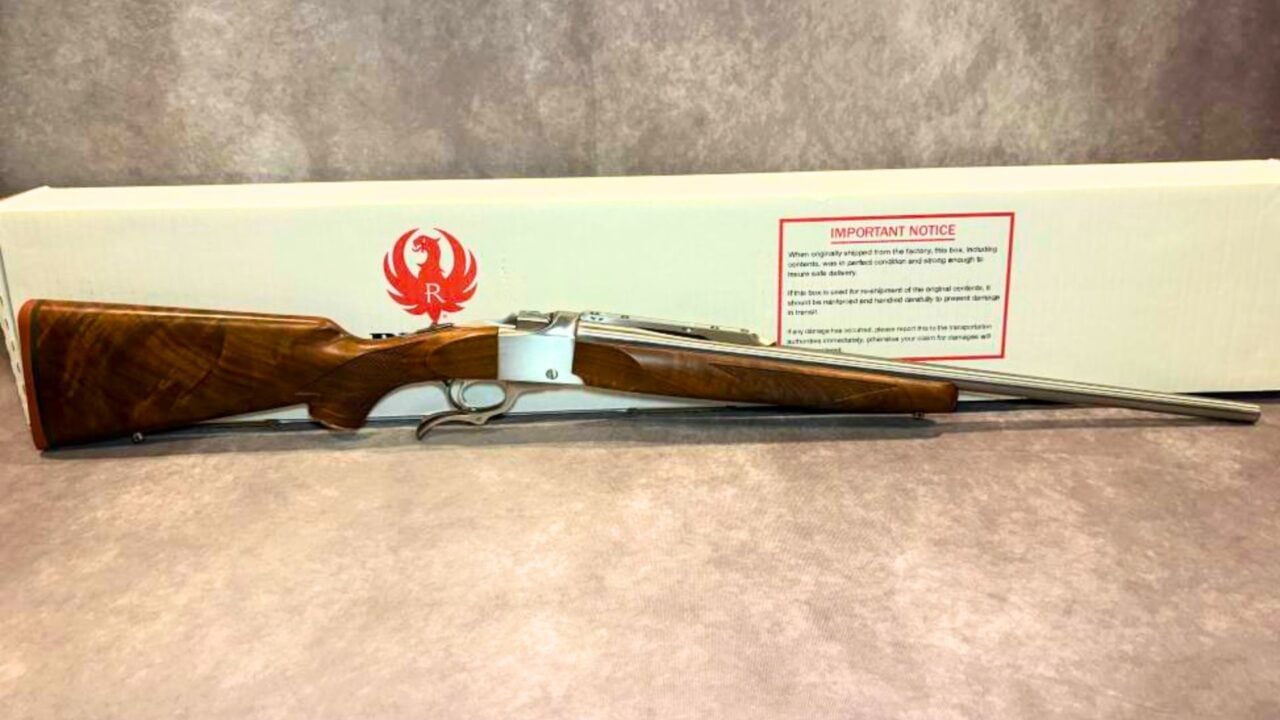
The Ruger No. 1 was always a little different. It’s a single-shot, sure, but it never felt like a compromise. It feels like something you take pride in carrying, even if you’re just walking a fenceline and hoping to bump a coyote.
Early guns and certain chamberings are bringing serious money now. And the funny part is, they’re still useful. They point well, the triggers can be great, and they make you slow down and shoot like you mean it.
4. Remington 870 Wingmaster (older blued guns)
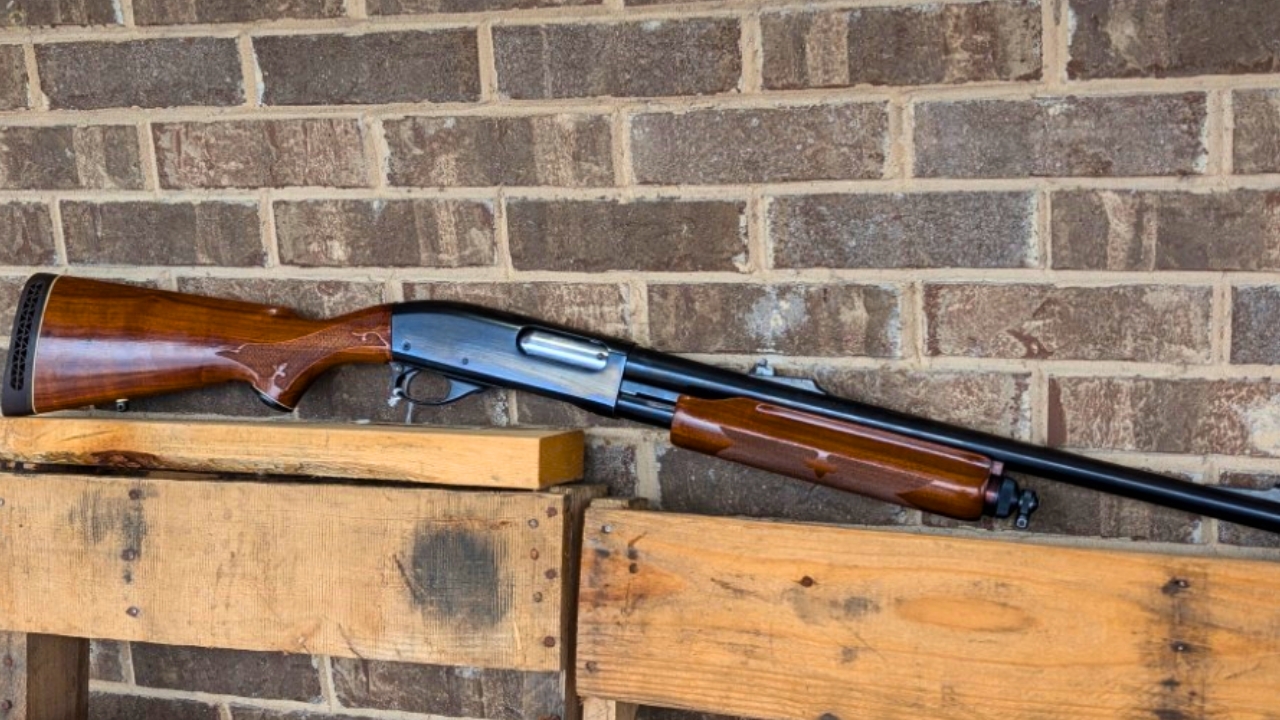
The 870 used to be the default answer when someone asked, “What shotgun should I buy?” The Wingmasters, especially the older ones with that deep bluing and smooth action bars, feel like they run on ball bearings compared to a lot of new production.
They were hard-used bird guns, duck guns, and farm guns. Now clean Wingmasters—and especially certain police-marked variants—are getting pricey. A good 870 still does everything, and parts are everywhere, which is why it’s annoying they’re not cheap anymore.
5. Ithaca 37 (bottom-eject, older production)

If you’ve carried an Ithaca 37 in thick cover, you get it. Slim receiver, points quick, and the bottom-eject keeps hulls out of your buddy’s face and keeps junk out of the action. It’s a real “walk all day” shotgun.
They were treated like tools, so many are worn thin. The ones that are tight, with clean wood and a barrel you actually want, are being snapped up. Ask any lefty who grew up with one—finding a replacement that feels the same is not easy.
6. Browning Auto-5 (Belgian-made)
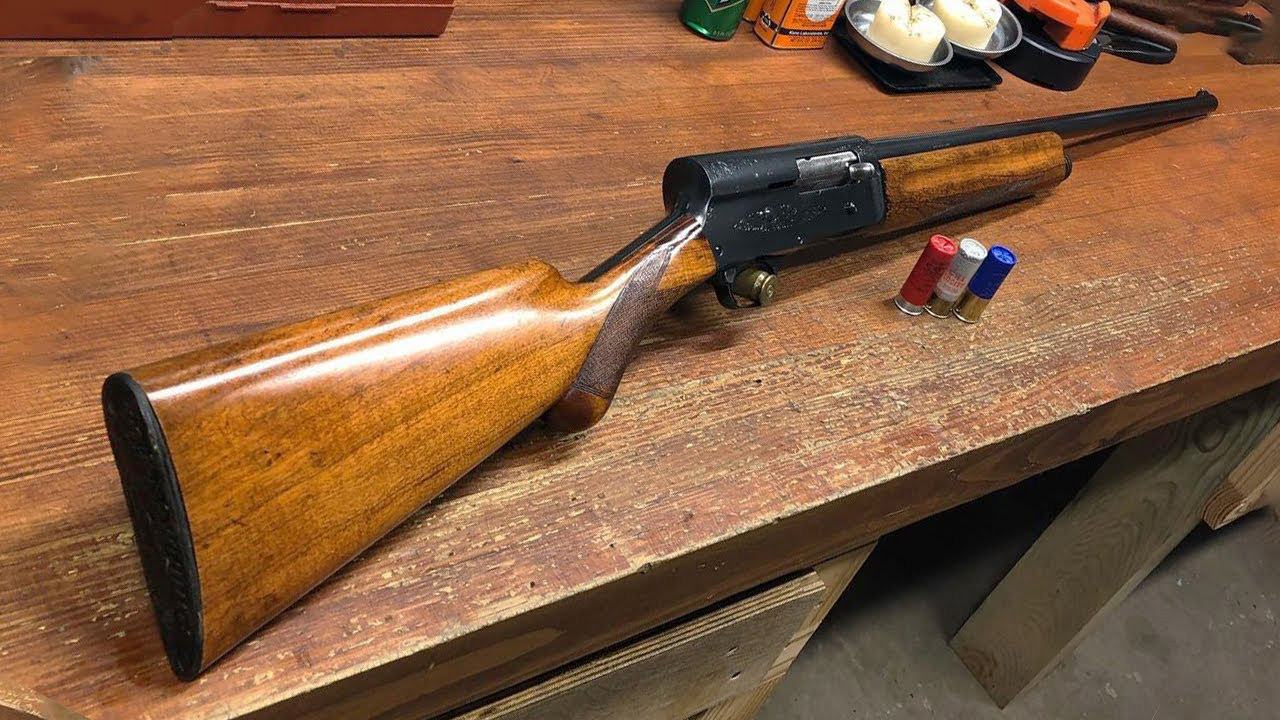
The old humpback isn’t everybody’s taste, and I get it. It’s long, it has its own personality, and you need to actually understand the friction rings if you’re swapping loads. But those Belgian guns have a fit and finish you don’t see much anymore.
They were duck blinds staples for decades, and plenty got hunted hard. Collector demand has pushed the nicer ones way up. Even if you never baby it, a good Auto-5 has a way of running for a lifetime if you keep it clean and set up right.
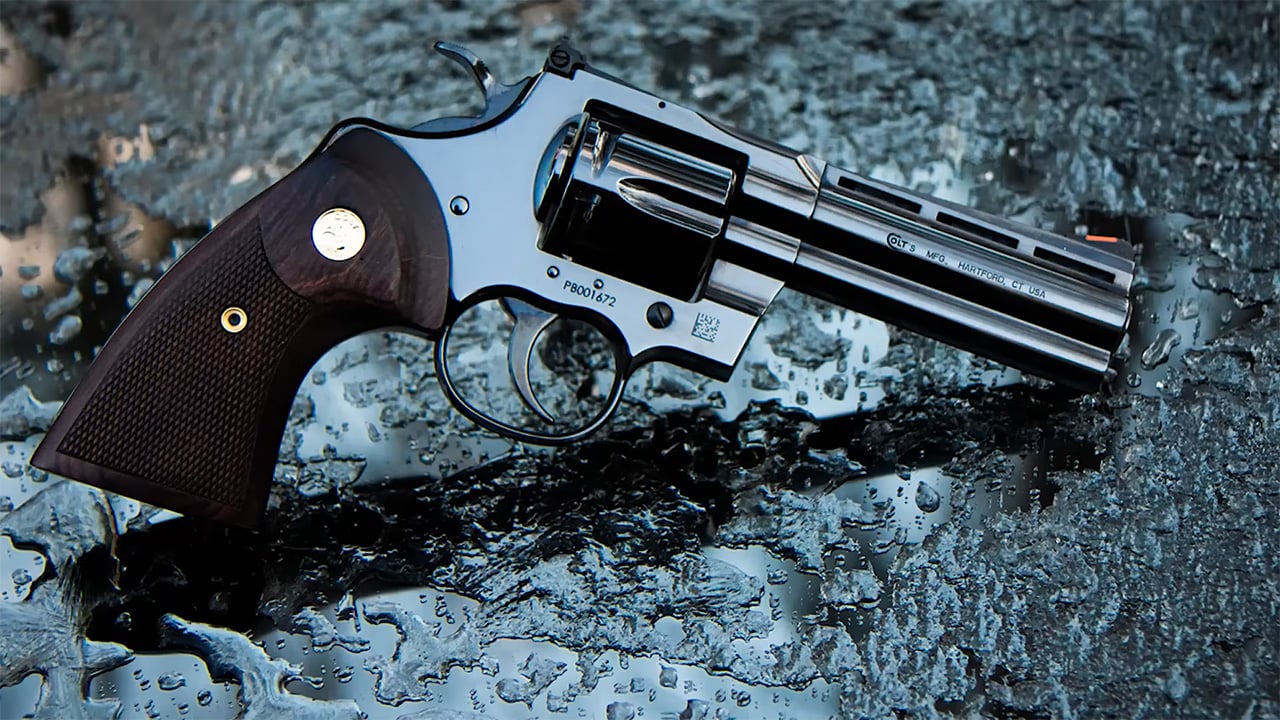
7. Colt Python (older blued revolvers)
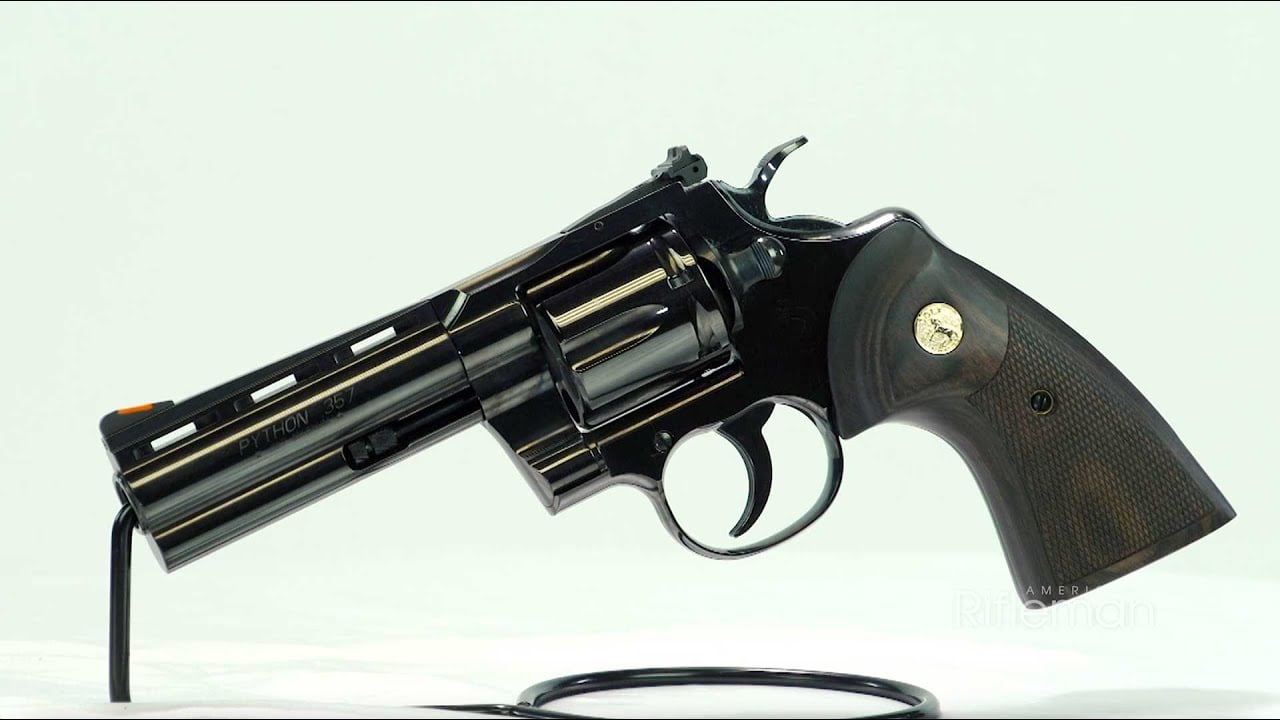
Back when revolvers were still the normal sidearm for a lot of outdoorsmen, the Python was the one you admired even if you didn’t own it. That trigger and that deep blue finish are hard to forget once you’ve handled one that hasn’t been abused.
Pythons used to be “expensive” at the gun shop. Now they’re often out of reach, especially in high-condition with the correct box and papers. They shoot great, but most owners aren’t buying them to ride in a tackle box anymore.
8. Smith & Wesson Model 29 (pinned and recessed)
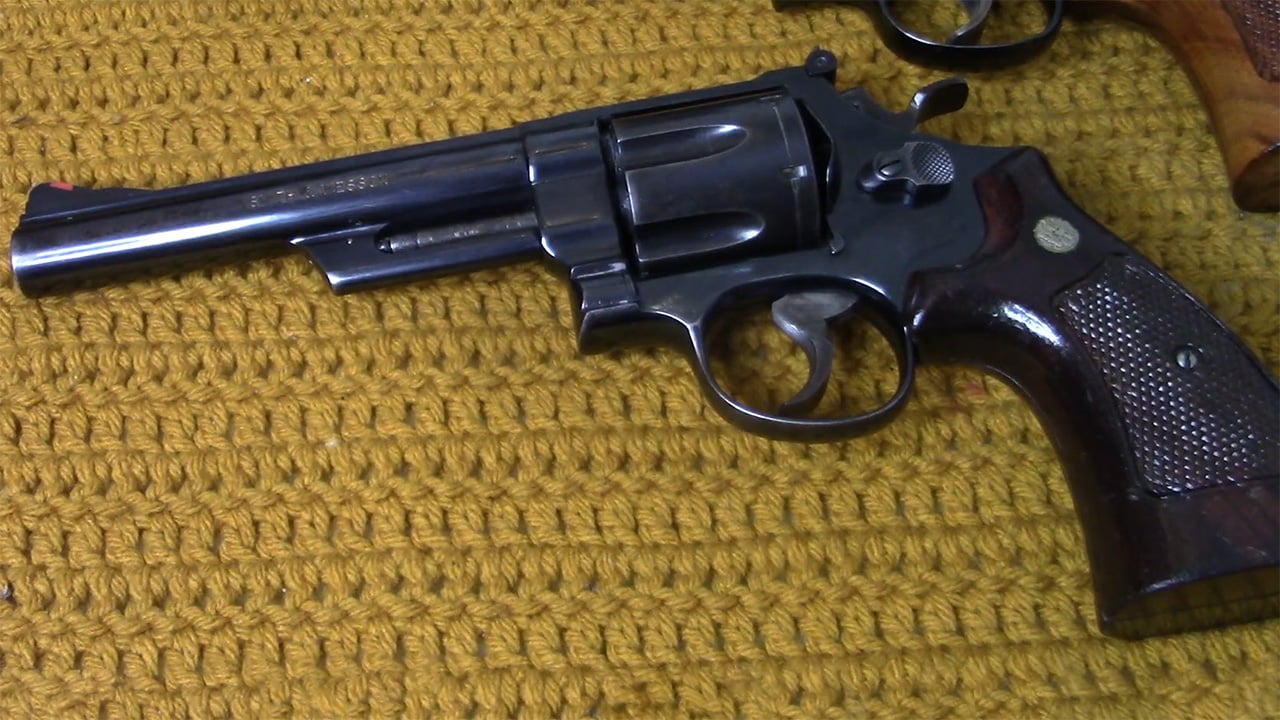
Dirty Harry made it famous, but the .44 Magnum Model 29 earned its own reputation in the woods. The older pinned-and-recessed guns have a following because the machining and finish were just different in that era.
It’s still a big revolver to pack, and full-house loads are not a casual hobby. But for bear country fishermen and handgun hunters, it’s a serious tool. The prices on clean older examples make you think twice about letting Grandpa’s go in an estate sale.
9. Ruger Redhawk (early .44 Mag and .45 Colt)
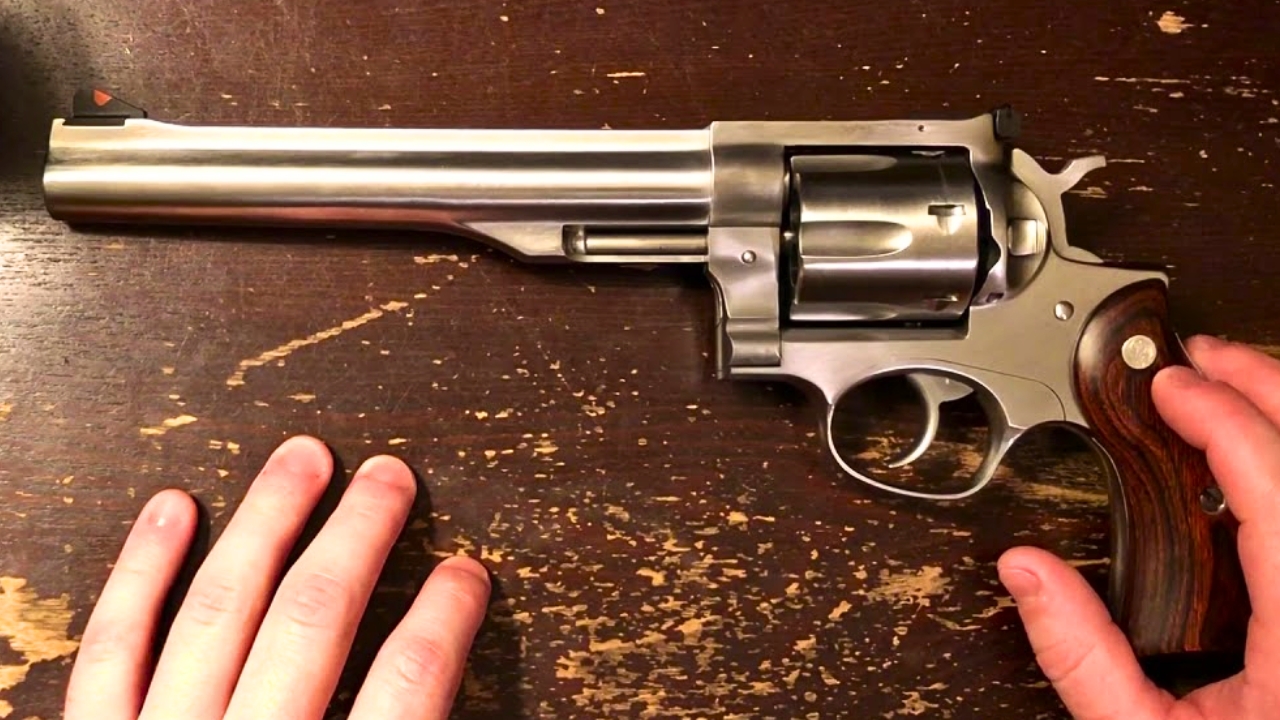
Ruger revolvers were never “delicate,” and that’s the compliment. The Redhawk is heavy, strong, and boring in the best way. It’s the kind of gun you don’t worry about when it’s raining and you’re climbing in and out of a side-by-side.
Early guns and certain configurations have gotten collectible, and even shooters want them because they last. If you find one that hasn’t been hammered with hot handloads and has tight lockup, it’s a revolver you can actually use without feeling like you’re risking a museum piece.
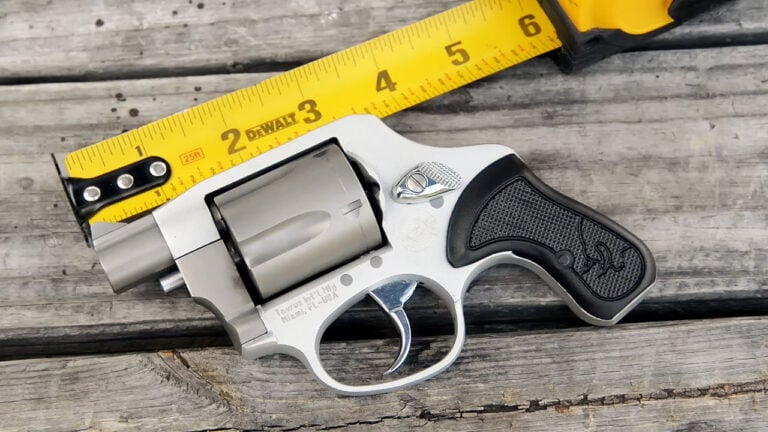
10. Colt Detective Special (older snubnose)
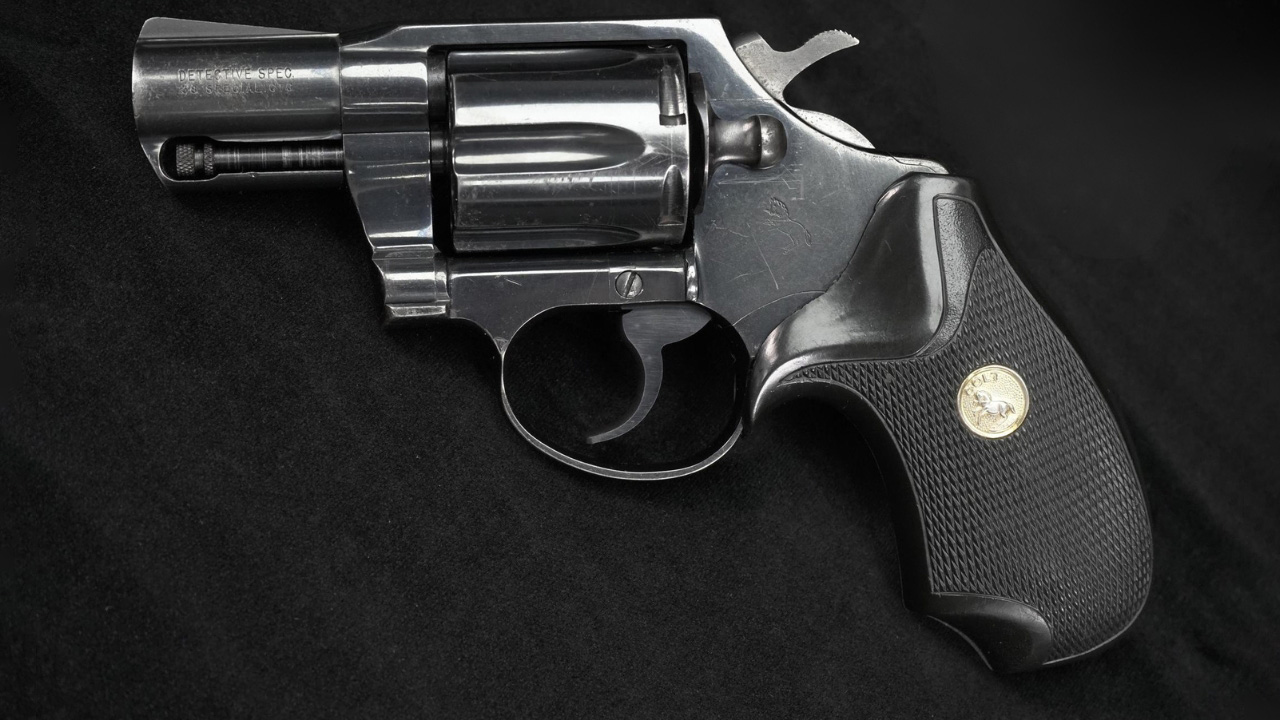
This one hurts because so many were carried until they were shiny and then traded off like they were nothing special. The Detective Special was a real working gun—coat pocket, tackle box, glove compartment—back when that was common.
Now, the older Colts with decent timing and original finish aren’t cheap. And timing matters on these; a sloppy one can turn into a gunsmith hunt. A good one, though, is a sweet-shooting snub that feels like a real gun instead of a compromise.
11. Colt Woodsman (Target and Sport models)

The Woodsman is one of those .22 pistols that makes you look like a better shot than you are—until you get cocky. The grip angle and trigger on a nice one are just right, and they balance like a field gun should.
They were used, not stored. A lot got holster wear, scratches, and amateur “tune-ups.” That’s why clean examples with correct parts have climbed. If you grew up plinking with one, you already know modern .22s don’t always scratch that same itch.
12. High Standard Supermatic Trophy

Old High Standards show up in gun cabinets because they were the serious .22 for a long time. Camp meat, bullseye practice, and tin-can therapy—these guns did it all. When you get a good magazine and the right ammo, they run like sewing machines.
The catch is magazines and condition. Factory mags are gold, and a beat-up gun with mystery mags can be a headache. The nicer Trophy and Victor guns have gotten expensive enough that folks who sold one in the 90s usually regret it.
13. Winchester Model 12

The Model 12 is slick, heavy, and honest. You feel the steel. You feel the craftsmanship. It’s not the lightest bird gun, but it swings through a flushing rooster like it knows what it’s doing.
They used to be everywhere, and they were used hard. Now original-condition Model 12s—especially in desirable gauges and barrel setups—bring real money. If you find one that hasn’t been chopped, reblued, or drilled poorly, it’s a keeper whether you hunt with it or not.
14. Remington Model 700 BDL (older production)
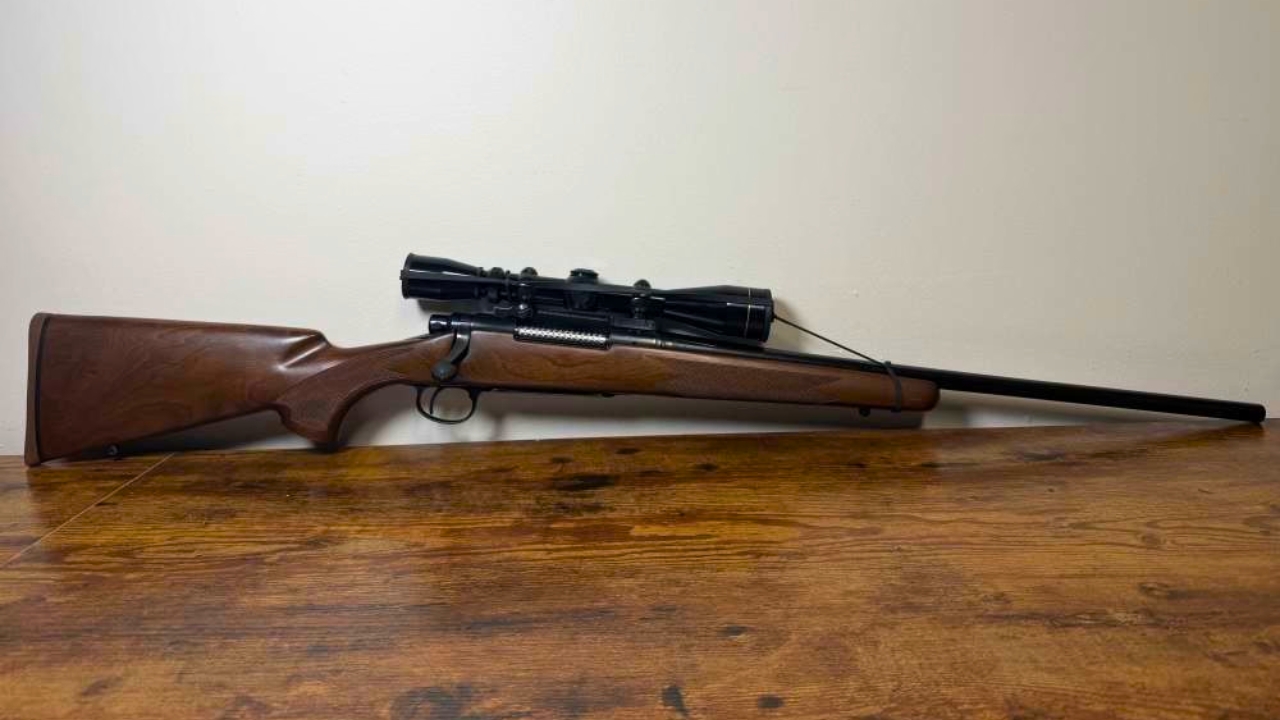
The 700 BDL was “the rifle” for a lot of deer camps. Glossy wood, hinged floorplate, and more accuracy than most hunters needed. Plenty got scoped, sighted in once a year, and then rode in a truck all season.
Older examples, especially in certain chamberings and with original parts, have climbed. Some of that is nostalgia, some is the aftermarket, and some is folks wanting the older feel. Not every old 700 is a gem, but a clean BDL with a good barrel still makes a lot of sense.
15. Ruger M77 (tang safety)
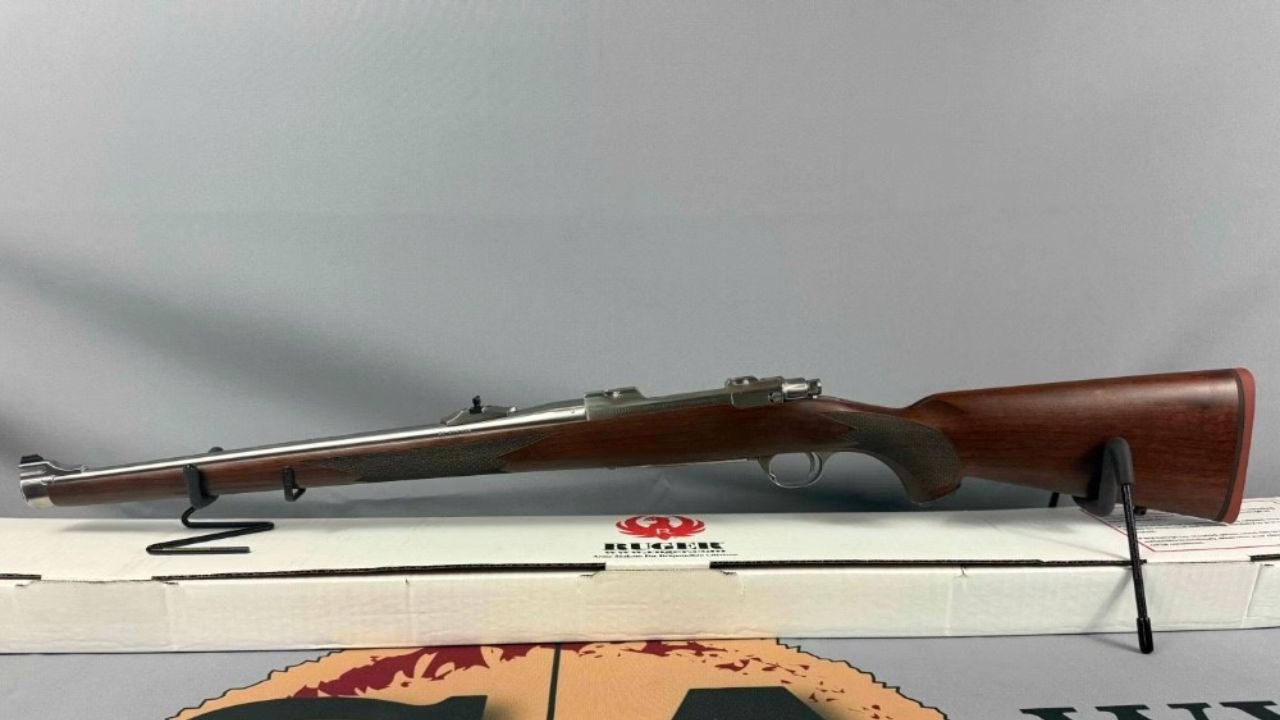
The tang safety M77 is one of those rifles that just works in hunting hands. The safety is where it should be, it shoulders naturally, and it feels like a rifle built to be carried—not just shot off a bench once.
They’re not all tack drivers, and some triggers need help. Still, the early ones have become sought after, and certain versions bring a premium. If you’ve got one that groups well and feeds smooth, it’s hard to replace for the money it used to cost.
16. CZ 452 (rimfire bolt gun)
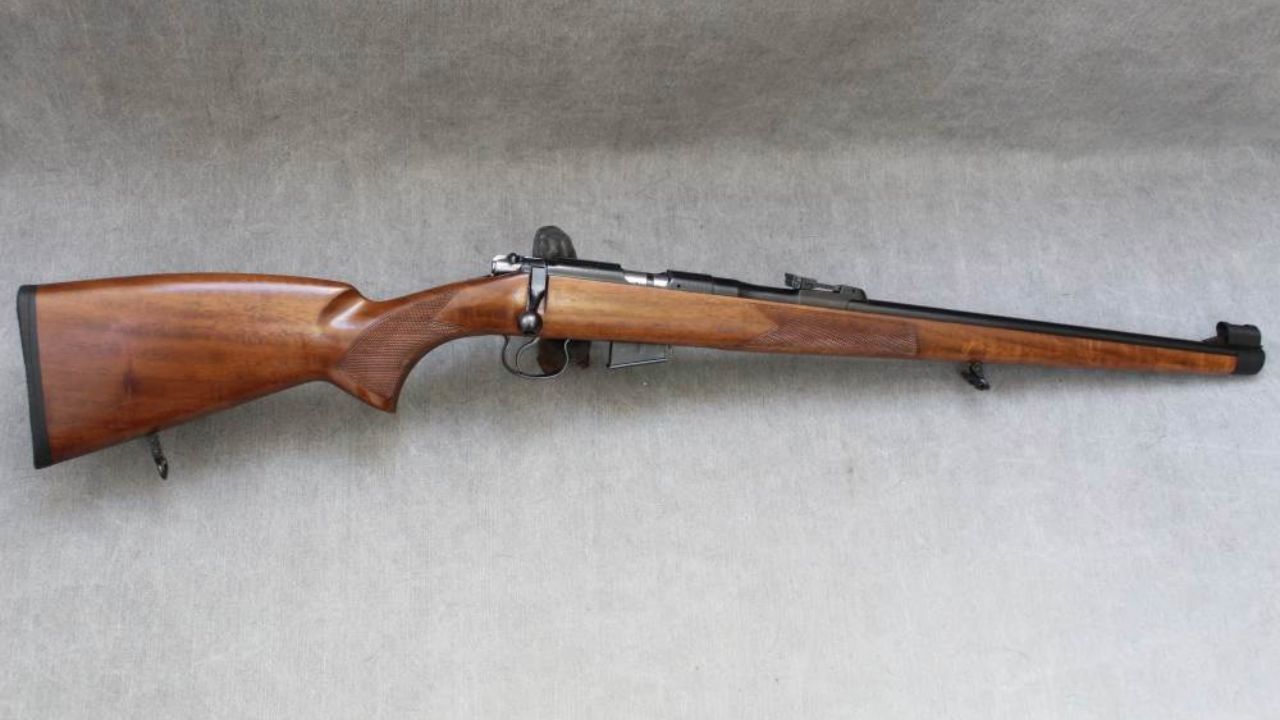
Rimfire guys already know: the CZ 452 is a plain little shooter that embarrasses fancy rifles if you feed it what it likes. It’s the gun you grab for barn pests, squirrels, and casual range days when you actually want to hit what you aim at.
When they got discontinued and replaced by newer models, the 452 started climbing—especially the nicer variants. They’re not rare, but the demand is steady because they’re just good. The kind of good that doesn’t show up on a spec sheet.
17. Springfield Armory M1 Garand (USGI-era rifles)
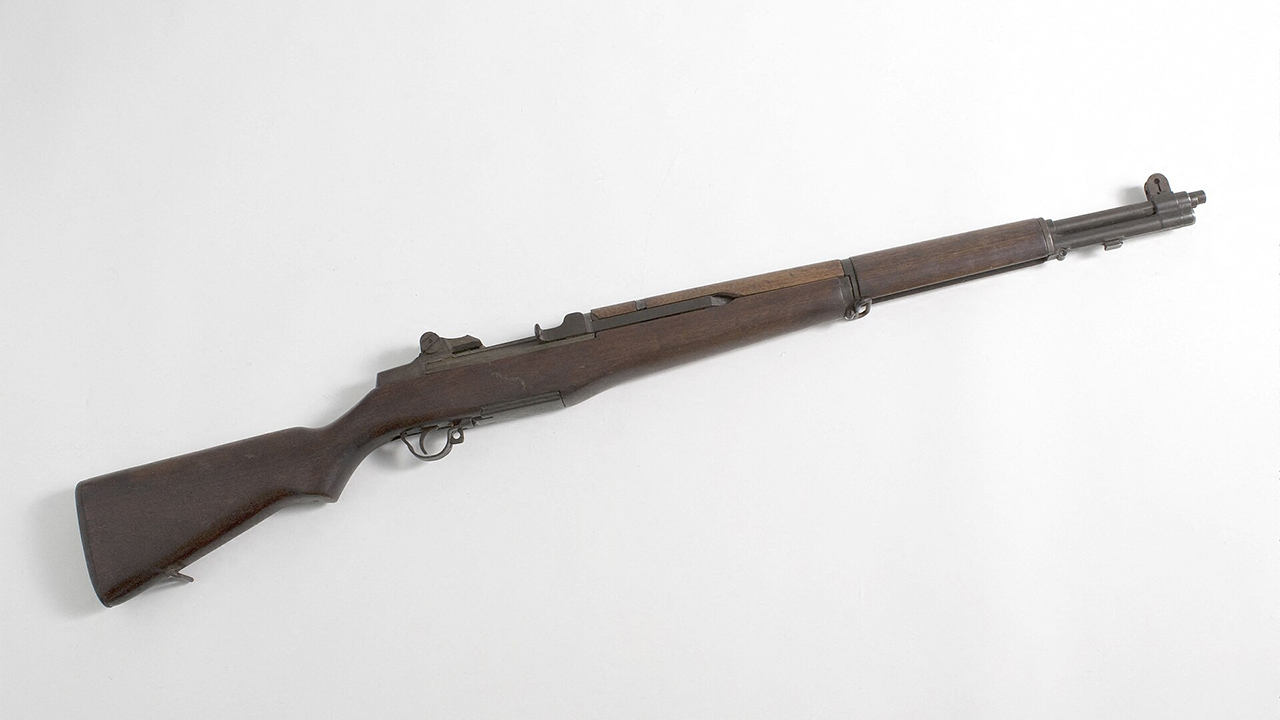
For years the Garand was the “history rifle” that still got shot. Guys took them to matches, hunted with them in a few states, and ran them on the range because that ping never gets old. They were obtainable if you saved a little.
Prices on correct, clean rifles—and especially certain makers and markings—have climbed. Even mixmasters have gone up because everybody wants a real one, not a look-alike. It’s heavy, it’s loud, and it’s still one of the most satisfying rifles you can shoot.
18. Winchester Model 70 (pre-64)

The pre-64 Model 70 has been called the “Rifleman’s Rifle” so many times it sounds like marketing, but it earned that reputation. The controlled-round feed and the overall build give it a confidence-inspiring feel when you’re cycling fast in the cold.
They used to be hunting rifles first and foremost. Now, clean pre-64s are collector territory, especially in certain chamberings and configurations. Plenty are still in the field, but more and more owners are thinking twice before they drag one through alder thickets.
19. Savage Model 99
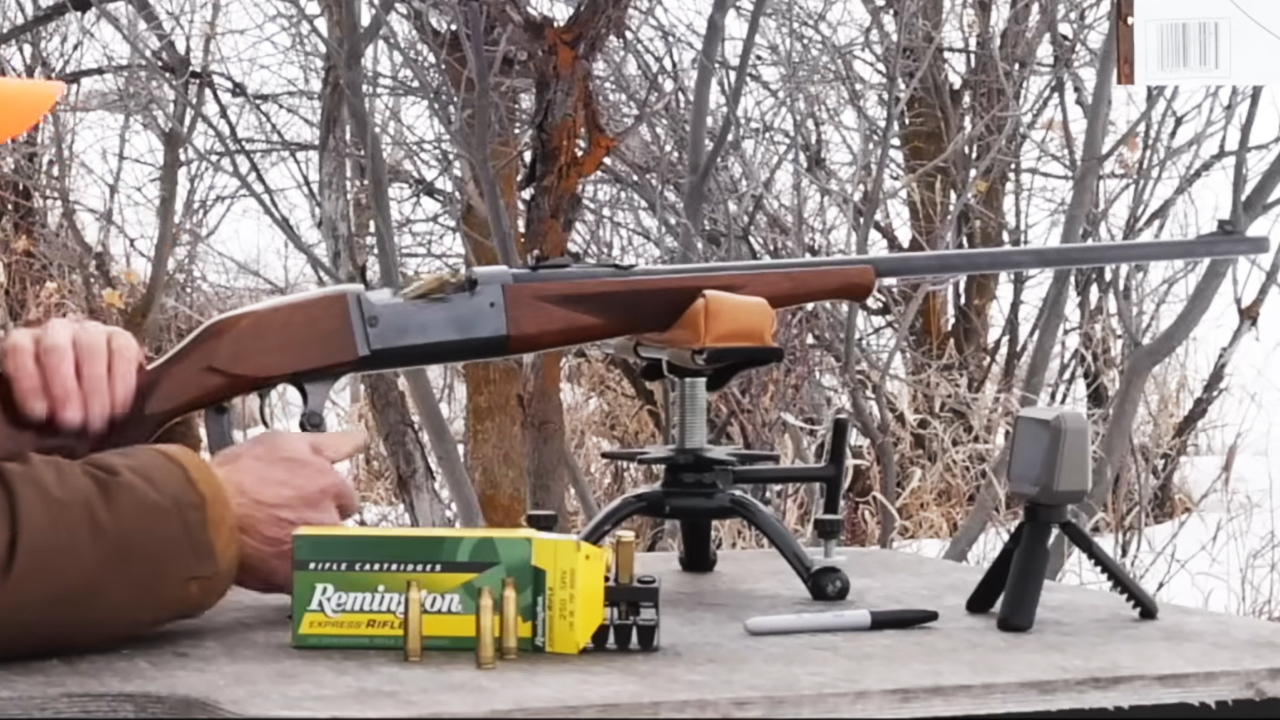
The Savage 99 is a lever gun for folks who like lever guns but also like a little modern thinking. The rotary magazine, sleek lines, and accuracy make it more than a nostalgia piece. In .300 Savage, it’s a legitimate deer rifle even now.
They were used hard in the Northwoods and out West, so condition is everything. Collector interest has pushed prices up, and the nicer ones disappear fast. If you’ve got one that still locks up tight and hasn’t been bubba’d, it’s a classy old worker.
20. Browning BLR (early steel-receiver models)

The BLR always felt like the lever gun for the guy who wanted to hunt with a lever action but didn’t want to be boxed into traditional cartridges. Detachable magazine, strong action, and it handles pointed bullets without drama.
Early steel-receiver BLRs and certain calibers have gotten expensive, especially in clean shape. They’re not perfect—some triggers feel a little different because of the design—but as a practical hunting rifle that’s also become collectible, it’s right in that sweet spot.
If there’s a theme here, it’s that “boring and dependable” eventually gets appreciated—usually after the factories change, the old craftsmen retire, or the market decides nostalgia is worth paying for. If you’ve got one of these that you actually use, keep using it. Just store it smart, don’t get carried away with DIY gunsmithing, and maybe don’t be so quick to trade it off for the next new thing on the rack.
Like The Avid Outdoorsman’s content? Subscribe to our newsletter so you never miss an article.
Here’s more from us: