Photo credit: Scott E Read/Shutterstock.com
When you’re deep in bear country, your belt knife isn’t for looks—it’s part of your survival setup. You need something tough, reliable, and ready to perform under pressure. This isn’t the place for folding gimmicks or blades better suited for campfire whittling. If a bear gets curious—or worse, aggressive—you don’t want to be fumbling with a knife that can’t handle stress.
Too many people strap on flashy blades thinking they’ll do the job, but the truth is, some knives have no business being on your hip in grizzly territory. Here are the ones you should leave at home.
Gerber Paraframe
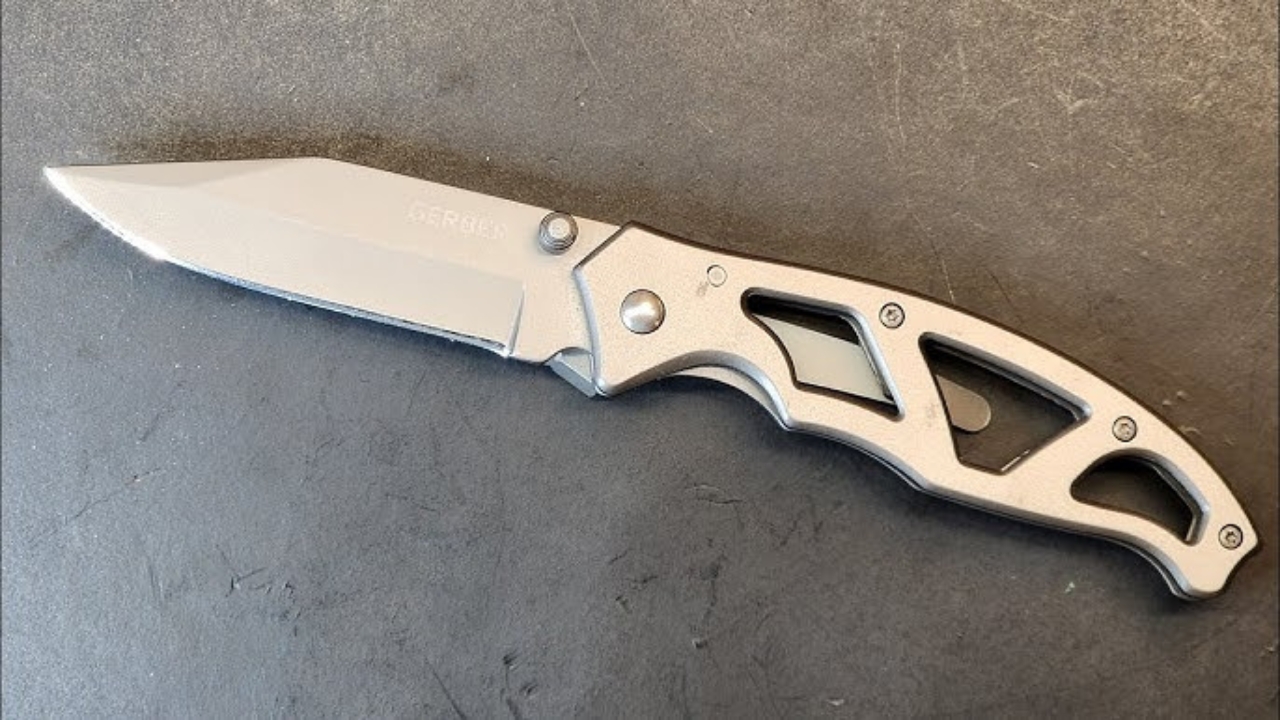
It’s cheap, light, and shows up at every big box store, but the Gerber Paraframe isn’t built for real survival. The blade steel dulls quick, and the frame lock isn’t suited for high-stress situations. It’ll cut rope or open a snack pack, but it’s not something to count on when the stakes are high.
The open-frame handle also offers poor grip, especially if your hands are wet, cold, or shaking. It’s a budget folder that belongs in an urban EDC setup—not strapped to your hip miles from a road.
CRKT Pilar

The Pilar gets a lot of love as a small, stout folder—but that’s the problem. It’s small. The short blade, limited reach, and heavy weight for its size make it a bad fit for wilderness carry. It’s a solid backup at best, not a frontline tool.
In bear country, you want length and leverage—something that can do real work if needed. The Pilar is fine for opening trail snacks or carving feather sticks, but that’s where its usefulness ends when things get serious.
Victorinox Classic SD
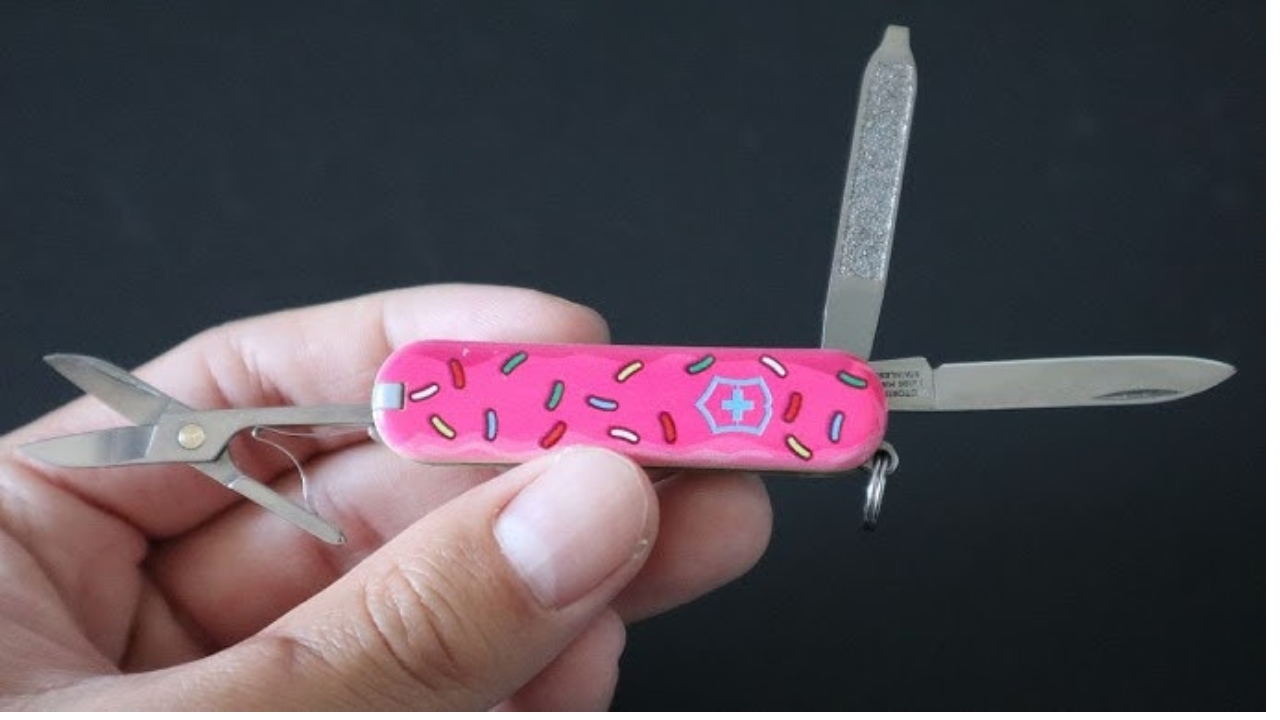
This little guy has saved a lot of fingernails and opened plenty of packages, but that doesn’t mean it belongs on your belt out in bear country. It’s not a defensive tool, and it’s not strong enough for rough outdoor tasks.
The blade is tiny, the handle offers zero control, and the tool was never meant for serious backcountry carry. Keep it on your keys if you like, but don’t rely on it to get you out of a tight spot in the wild.
Cold Steel Tuff Lite

It’s sharp and well-built for a small blade, but the Tuff Lite isn’t enough knife for bear country. The blade is short, the grip is small, and the cutting power is limited. It’s more suited for opening bags of feed or light-duty shop work.
In a wilderness setting, you need something that can baton wood, cut thick cordage, and hold up to abuse. The Tuff Lite might survive, but it won’t make your life any easier when the terrain—and the wildlife—get serious.
Benchmade Bugout (Standard Version)

The Bugout is light and slicey, which makes it a favorite for hikers trying to cut weight. But that lightweight handle and thin blade aren’t great when you need a tool that won’t flex under pressure. It’s more of a backpack knife than a belt knife.
It’s also not ideal in gloved or wet hands. The grip can feel insubstantial, and while the blade steel performs well, the overall knife isn’t confidence-inspiring in survival or defense scenarios. You need more backbone in bear country.
Opinel No. 8

Opinel makes great slicers for food and light camp chores, but they’re not made for real stress. The simple lock ring can jam with dirt, and the thin wood handle doesn’t offer much control. It’s not the knife you want to fumble with when things go sideways.
These knives shine at a picnic or campsite—not in the backcountry with big predators around. They cut well, sure, but they’re fragile and not built for fast, forceful work.
Kershaw Leek
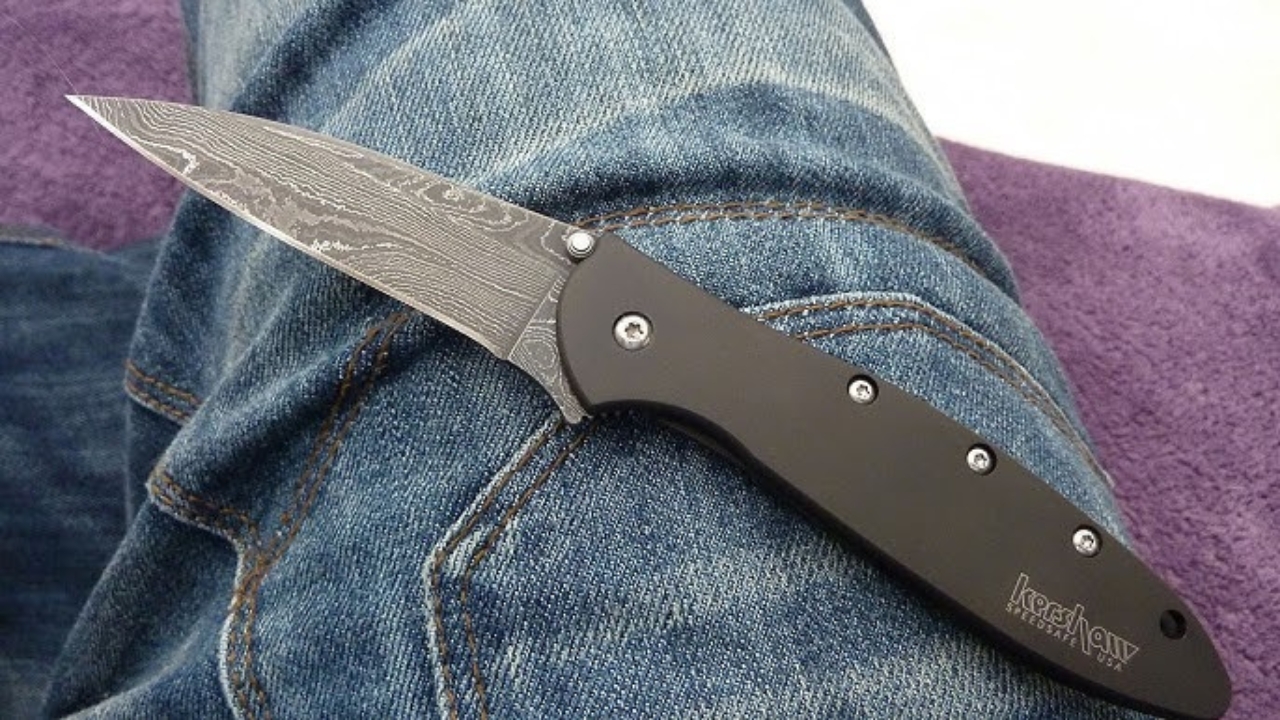
The Leek is slick—literally. Its thin handle and polished steel scales make it hard to grip in wet or cold conditions. And the assisted opening mechanism, while fun, is just one more point of failure when reliability matters.
It’s a knife meant for pocket carry in town, not for rugged trails or animal encounters. If it’s the only blade on your belt out there, you’re setting yourself up for disappointment—or worse.
SOG Twitch II
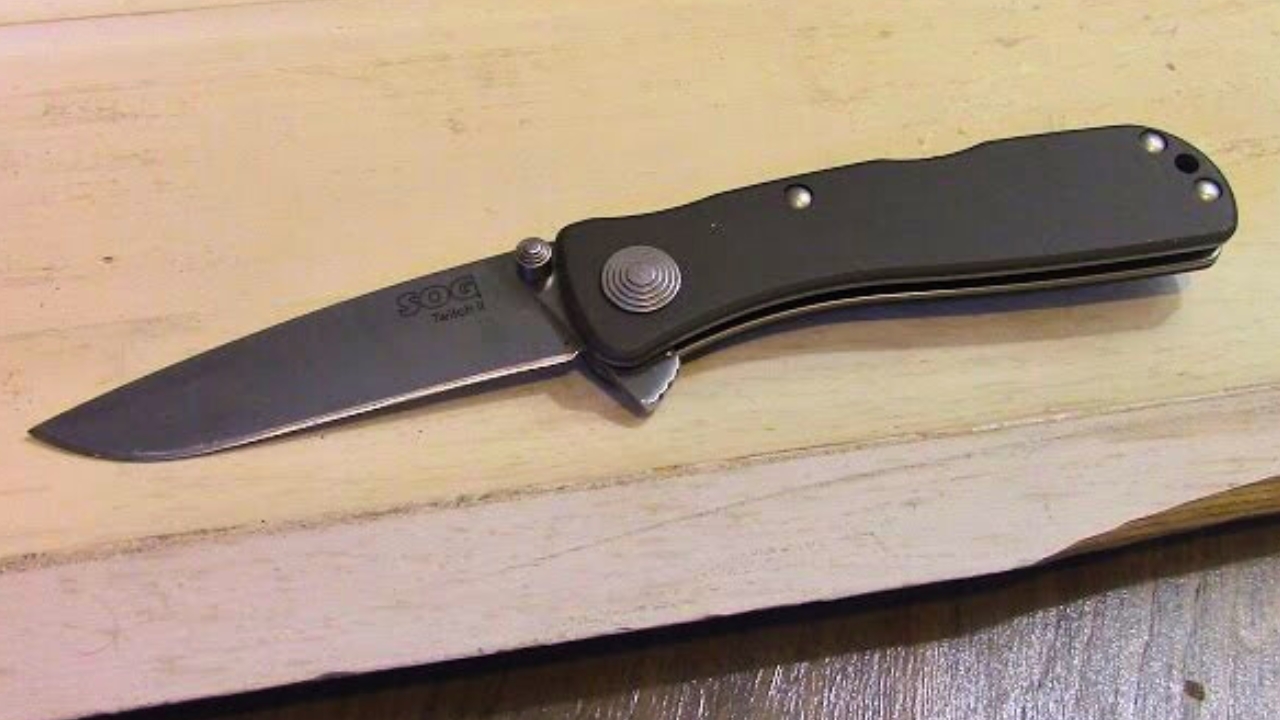
The Twitch II is a compact assisted folder with decent steel, but it’s too small and too finicky for the bush. The lock and springs aren’t the most confidence-inspiring, and the aluminum handle offers little grip security.
This is another knife that’s better suited to everyday carry in mild conditions. It can slice, but it’s not going to stand up to heavy use or be ready in a tense situation. Not what you want when a big bear’s tracks are fresh on the trail.
Buck 112 Slim
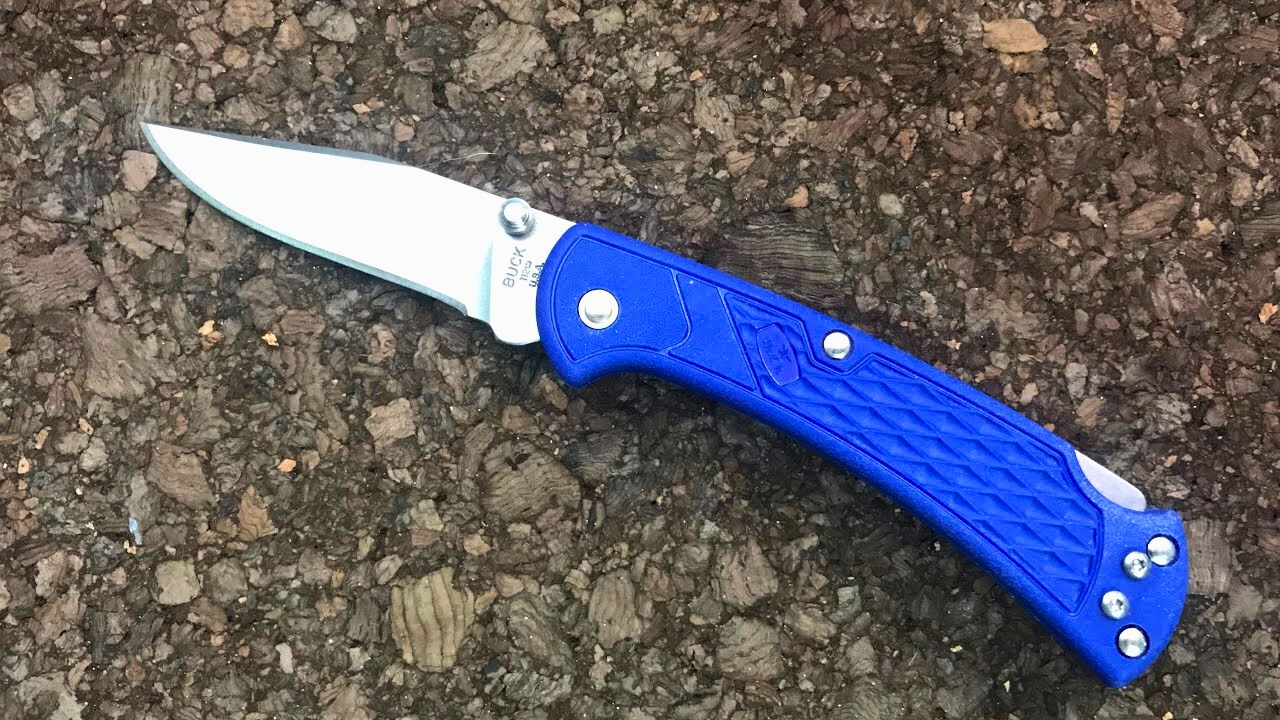
The Buck 112 Slim is a lighter, modern take on a classic—but it still shares the limitations of a lockback folder with a relatively small blade. The handle’s thin and the lock can be tricky to close with gloves or cold fingers.
It’s a well-made knife, no doubt, but it doesn’t bring enough to the table when you’re deep in bear country. You need something faster, stronger, and easier to manipulate under stress.
CRKT CEO

This one should never make it out of the office, let alone into the backcountry. It’s thin, sleek, and almost feels like a pen—but that’s exactly why it fails in the wild. The small, slippery handle and dainty blade make it a liability outdoors.
It’s a gentleman’s folder, not a survival tool. If you’re anywhere near bear territory, you should be carrying something with bite—not something built to impress at a board meeting.
*This article was developed with AI-powered tools and has been carefully reviewed by our editors.