Photo credit: The Avid Outdoorsman
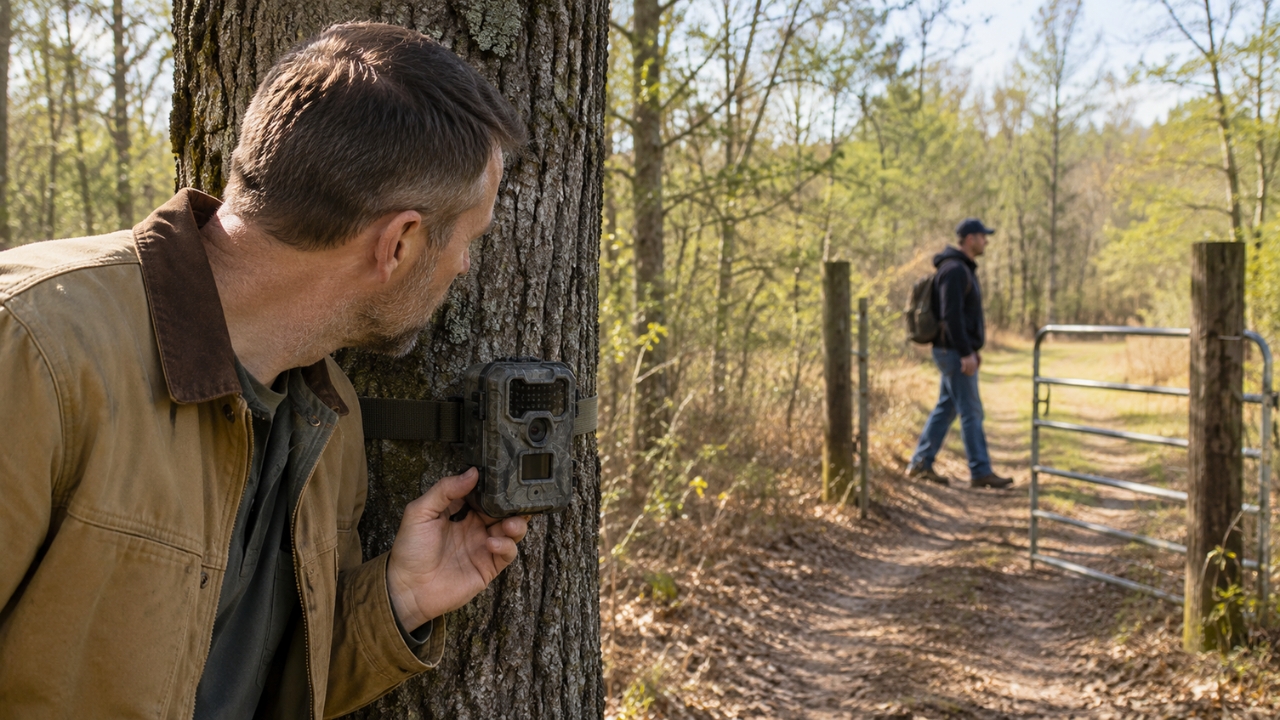
The landowner did not catch the man face-to-face at first.
He caught him on camera.
That somehow makes it more irritating. When you see a stranger’s boot tracks, you can talk yourself into a few explanations. Maybe someone got turned around. Maybe a neighbor was looking for a dog. Maybe a person cut across the property once and will never be back. But when a trail camera catches someone moving through land where he is not supposed to be, the guessing gets harder.
In a Reddit post, the poster said he discovered a trespasser on one of his trail cameras and wanted advice on what to do next. That alone tells you he was trying not to handle it stupidly. Plenty of people would have gone straight to anger. He wanted a plan.
That is smart, because trespassing during hunting season is not the same as someone cutting across a yard. There may be guns involved. There may be stands, bait, cameras, vehicles, property lines, and neighbors with bad attitudes. A confrontation in the wrong place can go from awkward to dangerous fast.
The camera photo gave the landowner proof that someone had been there. But proof of one visit does not answer every question. Was the man hunting? Was he scouting? Was he retrieving a deer? Did he think he had permission? Did he come from a neighboring property? Had he been there before? Was he planning to come back?
That is the aggravating thing about trail camera evidence. It gives you just enough to know something happened, but not always enough to know the whole story.
The poster seemed to understand that. He was not asking how to get revenge. He wanted to know whether to call someone, leave a note, post more signs, talk to neighbors, or wait and gather more proof. In a lot of rural disputes, that first move matters. If you handle it calmly and document everything, you are in a much better position later. If you storm up to the wrong person and start throwing accusations, you may create a feud before you even know what happened.
A trespasser on hunting land also raises the safety issue right away. If a stranger is walking the property while the owner or invited hunters are using it, nobody knows where he is. He may not know where stands are placed. He may not know shooting lanes. He may not be wearing orange. He may be carrying a firearm. He may be entering at daylight or dark when visibility is poor.
That is the kind of unknown that makes landowners uneasy.
There is also the bigger trust problem. Most people who own hunting land work hard to manage it. They set cameras, maintain access, hang stands, plan around wind, and decide who gets permission. When someone slips in without asking, it feels like he is taking advantage of all that work. He gets the benefit of someone else’s land without the responsibility or the permission.
The poster did not know yet if the man was a repeat problem, but the camera changed the situation from suspicion to evidence. Now he could start building a timeline. He could see when the man came through, where he entered, what direction he traveled, and maybe whether he was carrying gear. If the trespasser came back, the next photo might tell even more.
That is where commenters pushed him: do not make the first camera photo the whole case. Use it as the start of one.
That does not mean doing nothing. It means taking the kind of steps that give you options later. Save the photo. Back it up. Photograph the posted signs. Mark the camera location. Check the property lines. Talk to the landowner if you are not the owner. Call the game warden if hunting trespass is involved. If the man is local, talk to neighbors carefully, but do not accuse everyone on the road until you know more.
The landowner was probably mad, and he had reason to be. Seeing a stranger on your camera where no stranger belongs is a gut-punch moment. But the best response is not always the most satisfying one. Sometimes the smarter move is to let the paper trail do the talking before you ever meet the guy.
What Commenters Said
Commenters were quick to tell him not to rush into a confrontation.
Several people said the landowner needed to document everything. Save the trail camera photo, keep the original file if possible, note the date and time, and take pictures of the signs and access points. If the issue went to a game warden or sheriff later, a clean record would matter more than a heated story about what he thought happened.
A lot of hunters suggested adding more cameras. One camera caught the trespasser once, but a second camera could show where he entered and whether he came back. Some suggested hiding one camera in a less obvious spot in case the trespasser found and stole the first one. Others said a cellular camera could be useful if the landowner needed quick notice that someone was on the property again.
Several commenters warned against confronting the man alone, especially in the woods. Their point was simple: you do not know who he is, what he is carrying, or how he will react when challenged. If there is any chance he is armed or already willing to ignore property lines, walking up on him by yourself may not be worth it.
The game warden came up often. Commenters said if the trespass was connected to hunting, scouting, baiting, or illegal access during season, a warden would likely be more useful than a regular police report. Some said wardens deal with this exact thing all the time and may know the local repeat offenders already.
Other commenters recommended making the property impossible to misunderstand. Post signs at obvious entry points, paint or mark boundaries where legal, lock gates, and keep the wording clear. If someone keeps coming in after that, it becomes harder for him to claim he was confused.
A few people said there could be an innocent explanation, and that was worth remembering. Someone may have been tracking a deer, looking for a lost dog, or following a bad map. But most agreed that even if the first incident could be explained, the landowner still needed to protect himself in case it happened again.
The strongest advice was to stay calm and build proof. A trespasser on camera is frustrating, but it is also useful. It gives the landowner something real to work with. Now the goal is to figure out who the man is, whether he comes back, and whether this was one mistake or the beginning of a bigger problem.