Photo credit: Yevhen Voronetskyi/Shutterstock.com
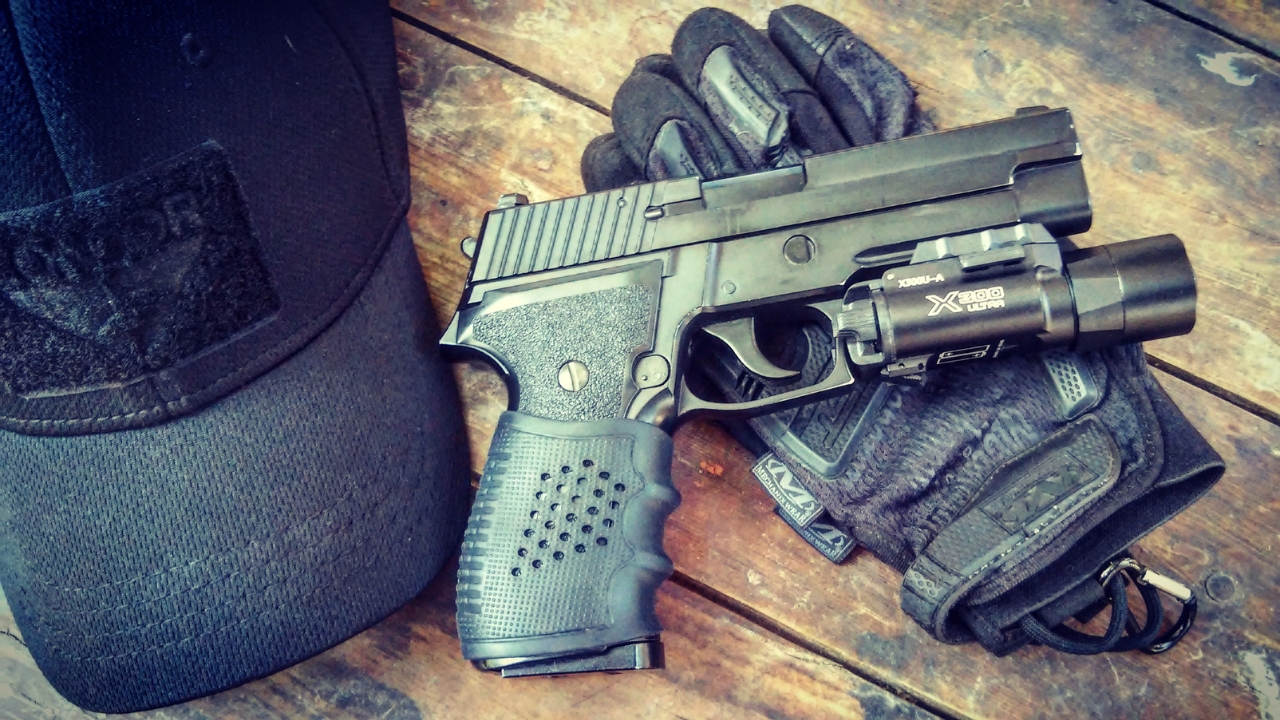
The SIG Sauer P226 is one of those pistols that earned its reputation the hard way. It has been used by military units, law enforcement, competitive shooters, and regular handgun owners for decades. It is a full-size, hammer-fired pistol with a DA/SA operating system in most classic versions, and a good P226 has a way of feeling overbuilt compared to a lot of modern polymer guns.
That said, age and reputation do not make a pistol immune to problems. A P226 can still malfunction, especially when magazines get worn, springs get tired, the gun gets dirty, or someone starts changing parts without proving the setup. SIG’s current Classic Line manual says SIG Sauer pistols are designed to function reliably with proper care and knowledgeable use, which is a fair way to look at the P226. It is a dependable design, but it still needs the right magazines, clean internals, good springs, and decent ammo to stay that way.
Failure to Feed
Failure to feed is one of the more common P226 malfunctions. The slide moves forward, but the next round does not chamber cleanly. The bullet may nose-dive into the feed ramp, stop partway into the chamber, or leave the slide slightly out of battery. On a full-size pistol like the P226, feeding problems are usually not because the gun is too small or snappy. They usually point toward magazines, ammo, dirt, spring wear, or rough movement somewhere in the cycle.
Magazines are the first place to look. A weak spring, damaged feed lips, rough follower, dirty magazine body, or cheap aftermarket magazine can make a P226 act unreliable fast. Some older P226 magazine complaints trace back to magazine-related feeding issues, and that tracks with how most pistols behave. If the gun runs with one magazine and chokes with another, the pistol probably is not the main problem. Mark the bad magazine and stop trusting it for serious use.
Magazine-Related Problems
The P226 depends heavily on good magazines. Factory SIG and quality Mec-Gar magazines are usually solid, but any magazine can wear out. Springs weaken, feed lips spread or get damaged, followers wear, and dirt builds up inside the tube. Once that happens, the gun can start having failures to feed, slide-lock problems, nose-dives, or random stoppages that seem mysterious until the bad mag is identified.
This matters more on older pistols because a used P226 may come with old magazines that have seen years of range work, carry, or storage. A worn recoil spring can cause problems too, but plenty of “gun problems” start with a magazine that should have been retired. If an older P226 is acting up, test it with known-good magazines before blaming the extractor, feed ramp, or slide.
Failure to Eject
Failure to eject happens when the P226 fires, extracts the case, but does not throw it clear of the pistol. The empty case may stovepipe, get trapped by the slide, or sit loose in the ejection port while the next round tries to feed. This can come from weak ammo, a dirty chamber, extractor or ejector trouble, recoil spring issues, or a slide that is not cycling with enough speed.
A P226 usually has enough weight to be forgiving, but it still needs the slide to move with authority. If the recoil spring is too heavy for the load, the ammo is soft, or the gun is dirty, ejection can get weak. One SIG forum discussion about failure to eject pointed out that feeding issues are more often magazine-related, while extraction and ejection problems usually send you looking elsewhere. That is a good way to split the diagnosis. If the round feeds poorly, look at the magazine. If the empty case will not leave the gun, look at extraction, ejection, chamber condition, spring weight, and ammo.
Stovepipes
A stovepipe is a specific ejection failure where the empty case gets caught upright in the ejection port. It is usually easy to clear, but it still means the pistol did not complete the cycle. On a P226, stovepipes are usually tied to weak ammo, dirty internals, extractor tension, ejector problems, or recoil spring issues.
Grip can still play a role, but the P226 is a full-size metal pistol, so it is usually more forgiving than a tiny carry gun. If a P226 stovepipes repeatedly with one bargain load but runs fine with stronger ammo, the load is probably part of it. If it stovepipes across several loads and magazines, the extractor, ejector, chamber, and recoil spring need attention. A P226 should not be picky if it is clean, sprung correctly, and fed decent ammo.
Failure to Extract
Failure to extract is more serious than a simple stovepipe. The fired case stays in the chamber instead of being pulled out by the extractor. The slide may stop, or it may try to feed the next round into a chamber that still has empty brass sitting in it. That turns into a double-feed-looking mess even though the real problem started with the empty case staying behind.
This can come from a dirty chamber, rough brass, worn extractor, chipped extractor claw, weak slide movement, or spring issues. Owner reports of P226 extraction trouble often describe the spent casing staying in the chamber after firing, which is exactly the pattern to watch for. If the problem follows one ammo brand, start there. If it happens across multiple loads, the extractor and chamber deserve a closer look.
Light Primer Strikes
Light primer strikes are one of the more common P226 complaints on older or modified guns. The trigger is pulled, the hammer falls, but the round does not fire. When the round is cleared, the primer may show only a shallow dent. Sometimes a second double-action pull fires it. Other times, it stays dead.
The usual causes are hard primers, a dirty firing pin channel, weakened mainspring, incorrect spring installation, or aftermarket spring changes. Some P226 owners reduce mainspring weight to improve the double-action trigger pull, and that can come back to bite them if the gun no longer hits primers hard enough. Older forum troubleshooting around P226 light strikes often points to cleaning the firing pin channel and checking spring condition or installation. That is still solid advice.
Failure to Return Fully to Battery
A P226 can also fail to return fully to battery. The round starts into the chamber, the slide moves forward, but the pistol stops just short of locking up. Sometimes the shooter can tap the back of the slide and finish the chambering cycle. Other times, the round has to be cleared.
This can come from a dirty chamber, weak recoil spring, rough ammo, dry slide rails, old lubricant, or a magazine presenting the round at a bad angle. The P226 is a metal-framed pistol with slide rails that like proper lubrication. Running it dry, especially with a lot of rounds through it, can make the slide feel sluggish. If the problem starts after a recoil spring swap, barrel change, or other modification, the new part should be questioned first.
Slide Failing to Lock Back
The slide failing to lock back after the last round is another common semi-auto complaint that can show up with the P226. Sometimes the magazine spring is weak, the follower is worn, or the slide catch lever is damaged. Other times, the shooter is riding the slide catch with their thumb and preventing it from rising.
The P226’s slide catch sits where some shooters naturally rest their strong-hand thumb, especially if they use a high thumbs-forward grip. If the slide locks back for one shooter but not another, grip is probably the reason. If it only fails with one magazine, the magazine follower or spring is more likely. If it fails across every shooter and every magazine, then the slide catch lever and internal contact surfaces need inspection.
Decocker or Control Wear
The P226’s controls are part of what makes it different from striker-fired pistols. The classic DA/SA versions use a decocking lever, slide catch, takedown lever, and hammer system. These parts are usually reliable, but older pistols with high round counts can develop worn controls, weak springs, or sluggish movement.
A decocker that does not feel right, a slide catch that behaves inconsistently, or controls that feel gritty should not be ignored. These may not create the same kind of malfunction as a failure to feed, but they affect how the pistol handles and resets between shots or loading cycles. Since many P226s on the used market have unknown round counts, control feel is worth checking before assuming the pistol is ready for carry or duty use.
Aftermarket Springs and Parts Causing Problems
The P226 is often modified because shooters want a smoother double-action pull, a shorter reset, different sights, different grips, or competition-focused parts. Some upgrades work well. Others create reliability problems, especially when people start changing mainsprings, recoil springs, firing pin parts, or trigger components without testing the pistol hard afterward.
A lighter mainspring can create light primer strikes. The wrong recoil spring can cause feeding or ejection problems. A trigger job done badly can create inconsistent ignition or reset issues. Even grip panels can cause trouble if they interfere with controls or magazine seating. The P226 is a very good pistol, but it is still a mechanical system. Once parts are changed, the gun has to prove itself again with the exact ammo and magazines it will be trusted with.
Like The Avid Outdoorsman’s content? Be sure to follow us.
Here’s more from us: