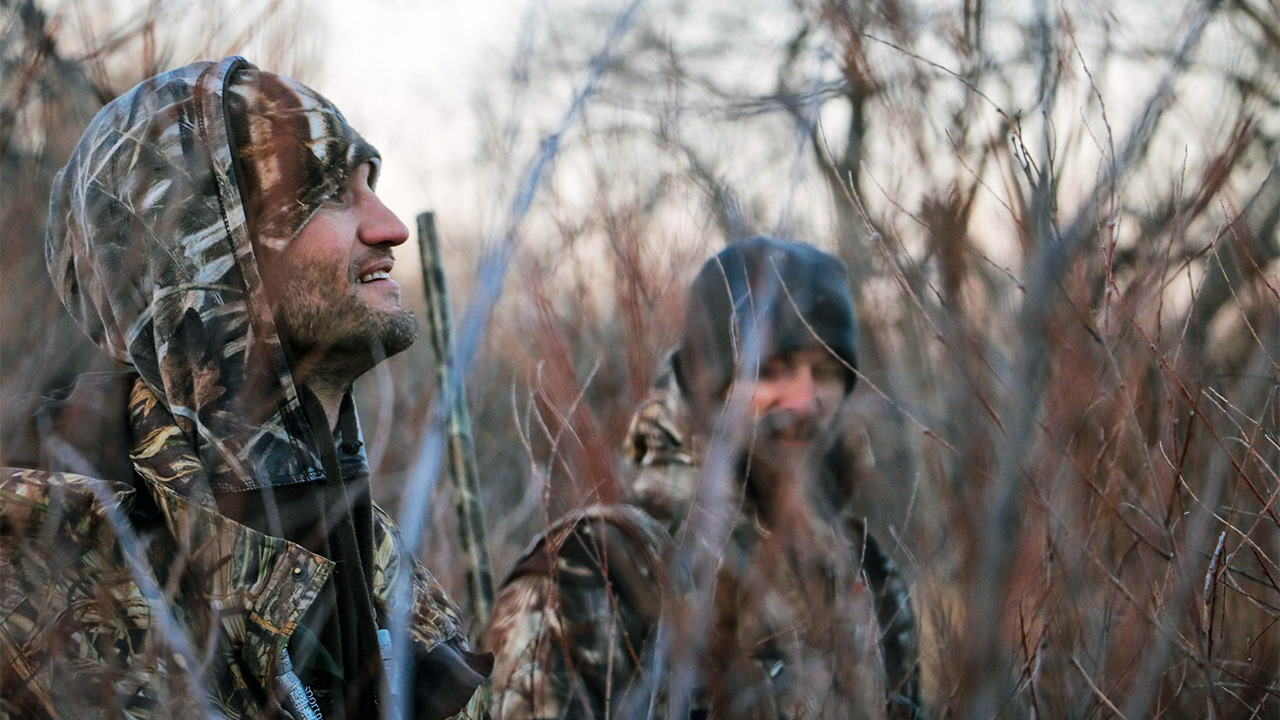
Photo credit: Rhett Noonan/Unsplash.com
A new hunter said he was still learning how to handle public land when two older men walked up and tried to run him off a spot they had no legal claim to.
In a Reddit post, he explained that he was new to hunting and new to public land. He had found a spot he liked, sat for a couple of hours, and watched for activity. He was not crowding someone else’s stand. He was not slipping in late on top of an active setup. He was scouting and trying to learn the ground.
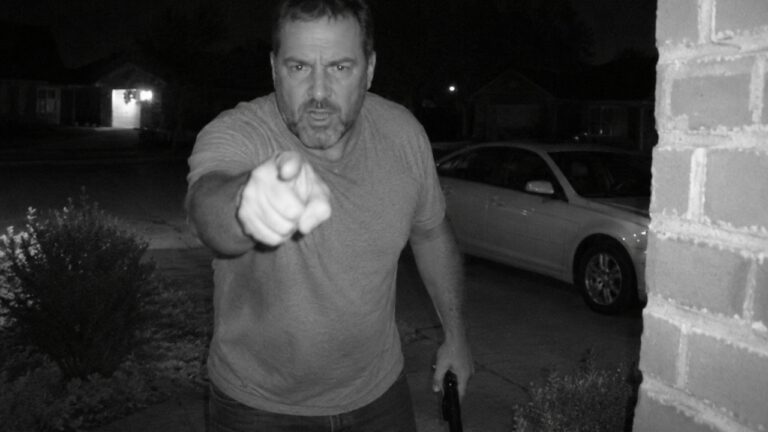
Then a couple of men, both around their 50s, came over and told him he needed to find a new spot because that one had been theirs for the past 15 years.
That is the kind of line that makes public-land hunters roll their eyes. A person can hunt the same ridge, clearing, or trail crossing every season for decades. They can know every scrape, funnel, oak flat, and access route better than anyone else. But on public land, familiarity does not turn into ownership.
The new hunter said he stayed polite. The two men were rude, but he did not want to get into it with strangers in the middle of nowhere. That part matters because this was not a disagreement in a parking lot at noon. Everyone involved was likely armed, far from help, and already in the woods for hunting season.
He brought the situation to Reddit because he wanted to know what seasoned hunters considered the right move. Should he stand his ground? Move on? Call someone? Go back? Avoid the spot?
The answers were all over the place, but the better ones came back to the same uncomfortable truth: he was in the right, but being right does not always make the woods safer.
Some commenters told him to stand up to them and not back down. Their point was simple. Public land belongs to everyone, and two guys claiming a spot because they have hunted it for years does not mean anything legally. If hunters can bully new people out of public areas, then the loudest and most aggressive people end up controlling ground they do not own.
Other commenters were a lot more cautious. They told him that an argument over a hunting spot is not worth getting hurt over. One commenter put it plainly: everyone has guns, emotions run high, and bad decisions can turn serious fast. Another said there are no winners in an avoidable shootout in the woods.
The new hunter seemed to understand that. In a later comment, he said he had three kids at home and was not trying to become the victim of a “redneck hunting accident.” He planned to go back the next week to scout before the opener, and if he could not find another spot, he would return to the same one.
That response showed he was not trying to be a pushover, but he also was not interested in pretending a deer was worth a dangerous confrontation. That is a hard balance for new hunters to learn. Public land is open to everyone, but not everyone using it acts right. Some people treat their favorite spot like a deeded property. Some will try intimidation first because it has probably worked before.
A few commenters suggested a smarter version of standing his ground. Bring a buddy if possible. Keep a phone ready. Record interactions if they come back. Get a vehicle description and license plate number. Contact the game warden or area manager if the men keep harassing him. If the land is federal or state-managed, there may be specific rules against interfering with a lawful hunt.
Others told him to take the encounter as useful information. If those men have been hunting that exact spot for 15 years, it is probably not as secret as it feels. One commenter said if it is their favorite spot, it is probably 20 other hunters’ favorite spot too. That does not mean the men had a right to run him off, but it may mean the new hunter could do better by pushing deeper, scouting harder, or finding a place with less human pressure.
That advice probably stings less because it does not reward the bullies. It reframes the situation. Let them keep the over-pressured spot if they want. A new hunter who learns the land, finds overlooked pockets, and avoids predictable pressure may end up in a better place anyway.
Still, the principle matters. Public land does not belong to the person who got there first in 2007. It does not belong to the loudest guy at the trailhead. And it definitely does not belong to someone who tries to scare off a new hunter for daring to sit in “their” woods.
The new hunter handled the first encounter by staying calm and not letting pride take over. The next step was figuring out how to keep hunting without handing control of public ground to two men who had no right to claim it.
Commenters gave a mix of hardline and cautious advice. Some told him public land is public land, and the men had no more right to the spot than he did. Several said he should go back if he wanted to and not let rude hunters bully him out of legal access.
Others warned that fighting over a spot in the woods is a bad idea because everyone may be armed and far from help. A few said no deer or turkey is worth dying over, and if the other hunters are irrational enough to claim public land as theirs, they may also be irrational enough to escalate.
Several commenters suggested calling the game warden or area manager if the men harassed him again. Some said deliberately disrupting another hunter can fall under hunter harassment rules, depending on the state and land agency.
Practical advice included getting a vehicle description and plate number, recording any future interaction, hunting with a buddy, setting a trail camera to watch his truck, and scouting backup spots so he is not forced into the same confrontation every sit.
The clearest message was that those men did not own the spot, but the new hunter still needed to keep his head. Public land disputes can get stupid fast, and the best win may be leaving with your tag, your truck, and your family waiting at home.