Photo credit: vagabond54/Shutterstock.com
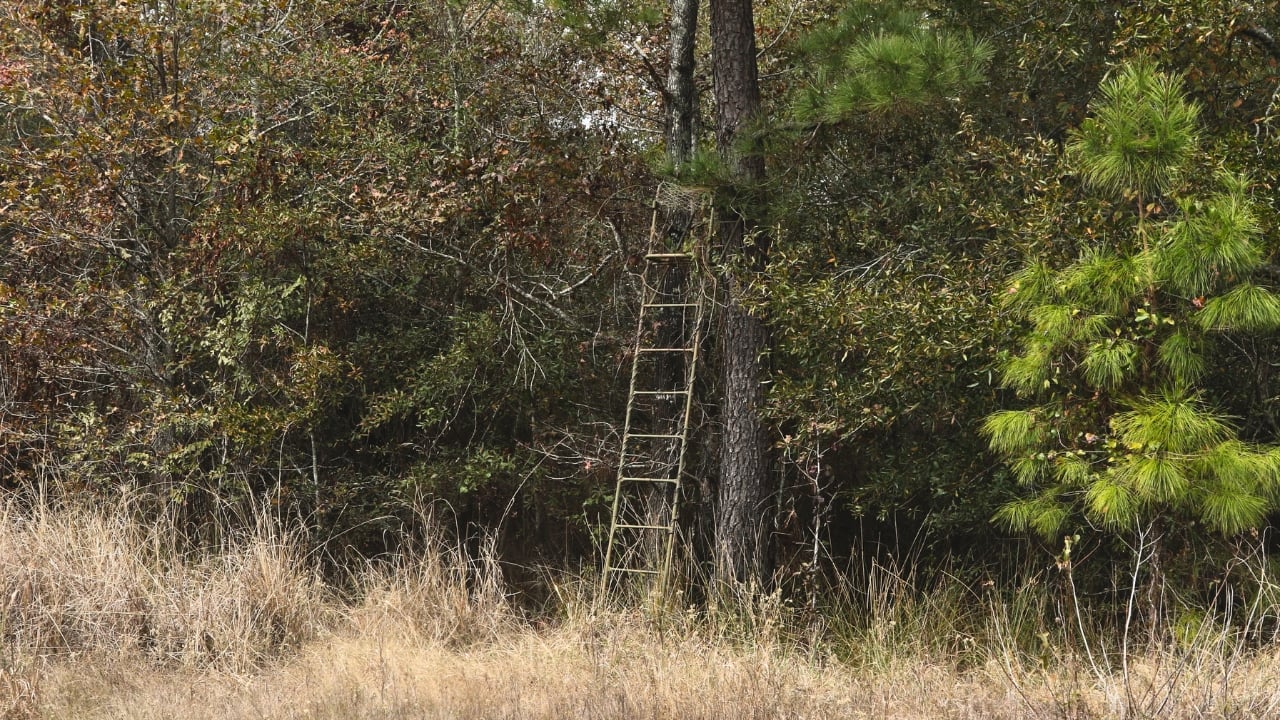
A landowner said he walked his posted property and found tree stands that did not belong to him.
That is one of those discoveries that makes your stomach tighten a little, especially if you own rural ground and already went through the trouble of posting it. A tree stand is not a gum wrapper or a boot track. Somebody hauled equipment in, picked a spot, set it up, and planned to come back. On posted land, that is not an accident.
In a Reddit post, the landowner said he had found tree stands on his property and wanted to know what he should do. His land was posted, so he was not asking whether he had somehow invited people in. He wanted advice on how to handle gear that someone else had placed where they had no permission to be.
The replies went about how you would expect with hunters and landowners: half practical, half fed-up.
A lot of people’s first instinct was to take the stands. That reaction is understandable. If someone sneaks onto private land and hangs gear, most landowners are not in the mood to provide free storage until the trespasser feels like coming back. There is a real sense of insult in it. The stand itself is physical proof that somebody looked at your posted land and decided the rule did not apply to them.
But several commenters warned him not to let anger make the next move.
The problem with removing or destroying a stand is that it can muddy what should be a clean trespassing issue. If the trespasser comes back and claims his stand was stolen or damaged, now the landowner may have created a second argument. Even if the trespasser was wrong first, the landowner could still end up explaining why he cut up, threw away, sold, or kept someone else’s property.
That is why the better advice centered on proof and process. Photograph the stands. Mark their location. Document the posted signs. Put up cameras if possible. Contact the game warden or local law enforcement. Then, if the person comes back, there is a record.
Some people suggested leaving a note on the stands telling the owner they were on posted private property and needed to be removed by a certain date. That gives the trespasser one chance to fix it without a confrontation. It also creates a paper trail showing the landowner did not immediately go looking for revenge.
Others did not like that approach because it tells the trespasser the stand has been found. If the person is bold enough to hunt posted land, a note may only encourage him to pull the stand and come back somewhere else. That is where cameras can help. A hidden camera watching the stand or access trail can catch whoever comes back, especially if the person is carrying a weapon or using the stand during hunting season.
The landowner had to weigh what kind of problem he wanted to solve. If he only wanted the stands gone, a note might work. If he wanted to identify and stop the person, quiet documentation might be better. If he wanted law enforcement involved, touching the stands before making a report could make things messier.
The bigger issue is that a stand on posted land usually means the trespasser has already been there more than once. He found the property. He found a tree. He carried in gear. He may have trimmed limbs, checked wind direction, watched deer movement, or even baited nearby depending on the area and local law. By the time the landowner sees the stand, the stranger may already feel familiar with the place.
That is why doing nothing is not a great answer. A trespasser who gets away with one stand may bring another. He may invite a buddy. He may start acting like he has always hunted there. He may leave trash, cut shooting lanes, or push deeper onto the property.
At the same time, turning it into a revenge game can backfire. Destroying gear, booby-trapping access, stealing stands, or trying to scare the trespasser can make the landowner look reckless, even when he is the one being wronged. It can also create a safety problem if the person returns angry and armed.
The landowner’s best move was the boring one: document, report, post clearly, and let the next step be hard to argue with. It may not feel as satisfying as dragging the stand out of the woods, but it keeps the focus where it belongs — on the person who crossed onto posted private property and set up to hunt without permission.
Commenters gave him two main kinds of advice.
Some said to remove the stands because they were on his posted property. A few joked that he had just found free gear, while others said the stands should be taken down and left somewhere for the owner to retrieve after contacting law enforcement.
More cautious commenters warned him not to destroy or keep the stands without checking local law. They said the trespasser may be wrong, but that does not automatically mean the landowner can damage or take the equipment without any consequence.
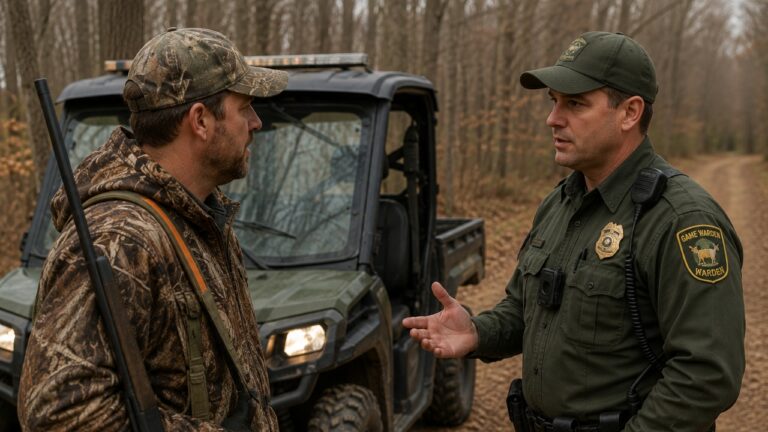
Several people told him to call the game warden. Since the issue involved hunting gear on posted land, conservation officers may take more interest than ordinary law enforcement, especially if there is active hunting, baiting, or repeated trespass.
Trail cameras came up repeatedly. Commenters suggested putting cameras near the stands or along the access route to identify whoever was using them. A few recommended cellular cameras or hidden secondary cameras in case the trespasser tried to steal the first one.
The more practical advice was to avoid revenge, gather proof, and handle it in a way that would hold up if the situation turned into a legal complaint or neighbor dispute.