Photo credit: NRApubs/Youtube
Modern carry trends move fast. One year everyone wants the smallest possible pistol, the next year it is optics-ready micros, compensated slides, modular grip shells, flush-fit lights, high-capacity magazines, and holsters built around setups that would have looked strange not that long ago. Some of those changes are genuinely useful. Some are marketing with screws attached.
Revolvers sit outside that noise. They are not perfect, and they are not magic, but the right one can still make a lot of sense when you care about simplicity, close-range confidence, coat-pocket access, deep concealment, or a gun that does not need much explaining. These revolvers still feel smarter than a lot of modern carry trends because they solve real problems without trying to look like the future.
Smith & Wesson 642 Airweight

The Smith & Wesson 642 Airweight is still one of the cleanest answers to deep concealment. It is light, snag-free, and simple enough to carry in a pocket, ankle rig, coat pocket, or inside the waistband without making the whole day revolve around the gun.
No, it is not pleasant with hot defensive loads. That is the tradeoff. But the 642 makes sense because it is easy to keep with you when larger pistols get left behind. There is no slide to press out of battery in close contact, no external hammer to snag, and no complicated setup to manage. For a close-range defensive revolver, it remains hard to dismiss.
Ruger LCR

The Ruger LCR looks plain, but it is one of the smartest modern revolvers made. The polymer-and-aluminum construction keeps weight down, while the trigger is smoother than many people expect from such a small gun.
That trigger matters because tiny revolvers can be difficult to shoot well. The LCR gives you a better chance of making clean double-action hits without needing a custom action job. In .38 Special, it is manageable, practical, and easy to carry. In .327 Federal or .357 Magnum, it gives you more options, though recoil becomes part of the conversation. It is not trendy. It is simply a very well-thought-out carry revolver.
Colt Detective Special
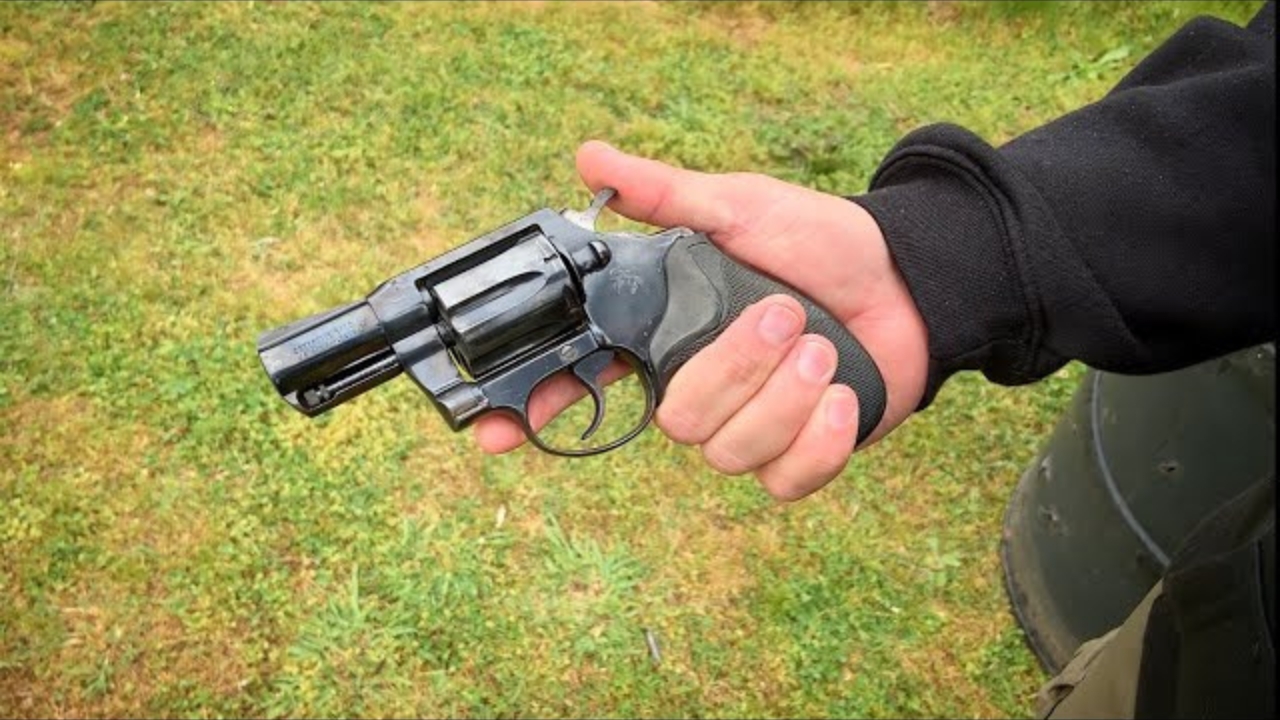
The Colt Detective Special still makes modern carry trends feel a little overcomplicated. It gives you six shots in a compact revolver, which was one of its biggest advantages back when five-shot snubs dominated the conversation.
It also has a feel that newer carry guns rarely match. The grip frame, balance, and classic Colt action give it real character without making it useless as a defensive gun. Is it heavier than an Airweight? Sure. Is it harder to replace if you beat it up? Absolutely. But as a carryable revolver with history, capacity, and shootability, the Detective Special still feels smarter than chasing the newest micro pistol every six months.
Smith & Wesson Model 60

The Smith & Wesson Model 60 has always made sense for people who want a small revolver with a little more backbone. Stainless construction gives it durability, and the extra weight compared with an Airweight helps when you actually shoot it.
That is the part many carry trends ignore. A gun that disappears on your belt is great until it becomes miserable to practice with. The Model 60 is still small enough to conceal, but it gives you a steadier feel in the hand. With .38 Special loads, it is comfortable and practical. With .357 Magnum, it is capable but sharp. Either way, it remains a serious little revolver that does not feel like a gimmick.
Ruger SP101
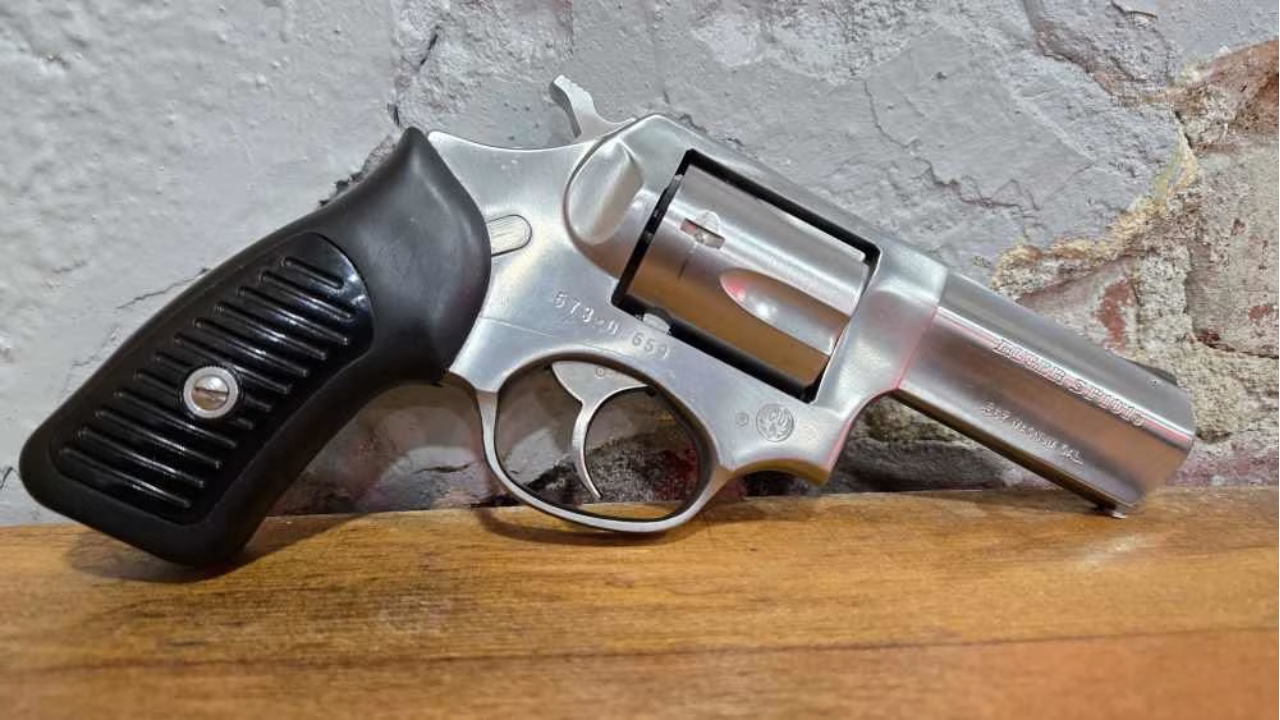
The Ruger SP101 is not the lightest revolver in the carry world, and that is partly why people still trust it. It has enough steel to feel solid, enough weight to tame recoil, and enough strength to handle regular use without feeling delicate.
A lot of modern carry guns are built around making everything thinner, lighter, and easier to conceal. The SP101 takes the opposite approach. It gives you a compact revolver that feels like it was built for years of shooting, not occasional pocket duty. It carries heavier than an Airweight, but it shoots better, especially with .357 Magnum or steady .38 Special practice. For many people, that trade makes sense.
Smith & Wesson Model 36
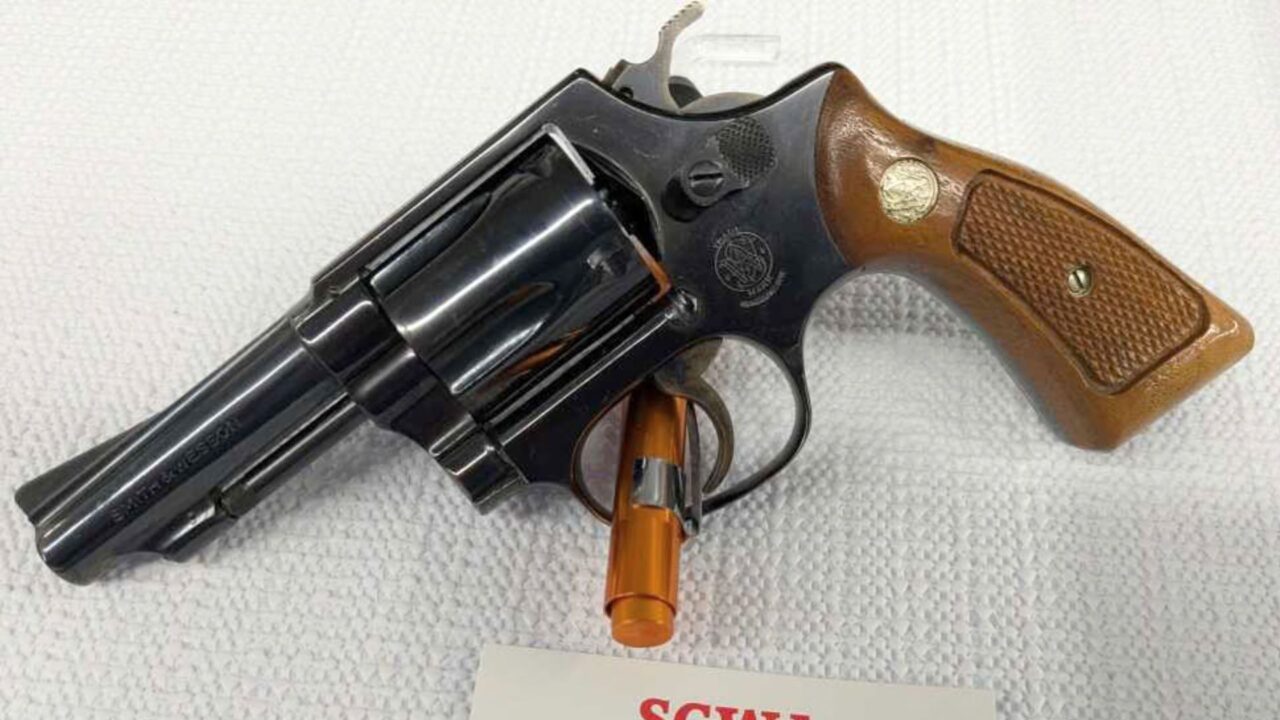
The Smith & Wesson Model 36 is old-school in the best possible way. It is a small steel-frame .38 Special revolver with simple sights, a compact grip, and a reputation built before carry guns became an accessory category.
What keeps it relevant is balance. It is heavier than the lightest snubs, but that weight makes it easier to shoot. It is smaller than a service revolver, but still feels like a real gun in the hand. The exposed hammer gives you a single-action option, though most defensive practice should stay double-action. Compared with many modern carry trends, the Model 36 feels honest. It does not promise everything. It gives you a dependable close-range tool.
Kimber K6s

The Kimber K6s is one of the few newer revolvers that actually feels like it earned a place beside the classics. Six shots of .357 Magnum in a compact package is already interesting, but the real appeal is how refined the gun feels.
The trigger is smooth, the sights are better than most snub revolver sights, and the overall fit gives it a premium feel without turning it into a safe queen. It is not cheap, and it is not as featherlight as some pocket revolvers. But that is the point. The K6s feels like a carry revolver built for someone who actually plans to shoot it. In a market full of tiny polymer pistols, that still feels smart.
Colt King Cobra Carry

The Colt King Cobra Carry brings back a lot of what people liked about small defensive revolvers while adding enough modern strength to matter. It is compact, stainless, chambered in .357 Magnum, and built with six-shot capacity instead of the usual five.
That extra round is not a small thing in a revolver. The King Cobra Carry gives you more capacity without turning into a large belt gun. It also has the kind of smooth Colt feel that makes double-action shooting more enjoyable. It is not as easy to reload fast as a semi-auto, and it will not beat modern capacity numbers. But as a compact, strong, shootable revolver, it makes a very solid argument.
Smith & Wesson Model 640 Pro Series

The Smith & Wesson 640 Pro Series feels like a serious answer to people who want a carry revolver without giving up too much shootability. It has a stainless J-frame build, enclosed hammer, .357 Magnum chambering, and better sights than the basic snub-nose formula.
Those sights matter more than people think. A lot of tiny revolvers are difficult to aim well because the sights are almost an afterthought. The 640 Pro gives you a better sight picture while keeping the snag-free profile that makes enclosed-hammer revolvers useful. It is heavier than an Airweight, but that weight makes practice more realistic. For someone who wants a small revolver built for real use, this one still feels smart.
Ruger GP100 Wiley Clapp
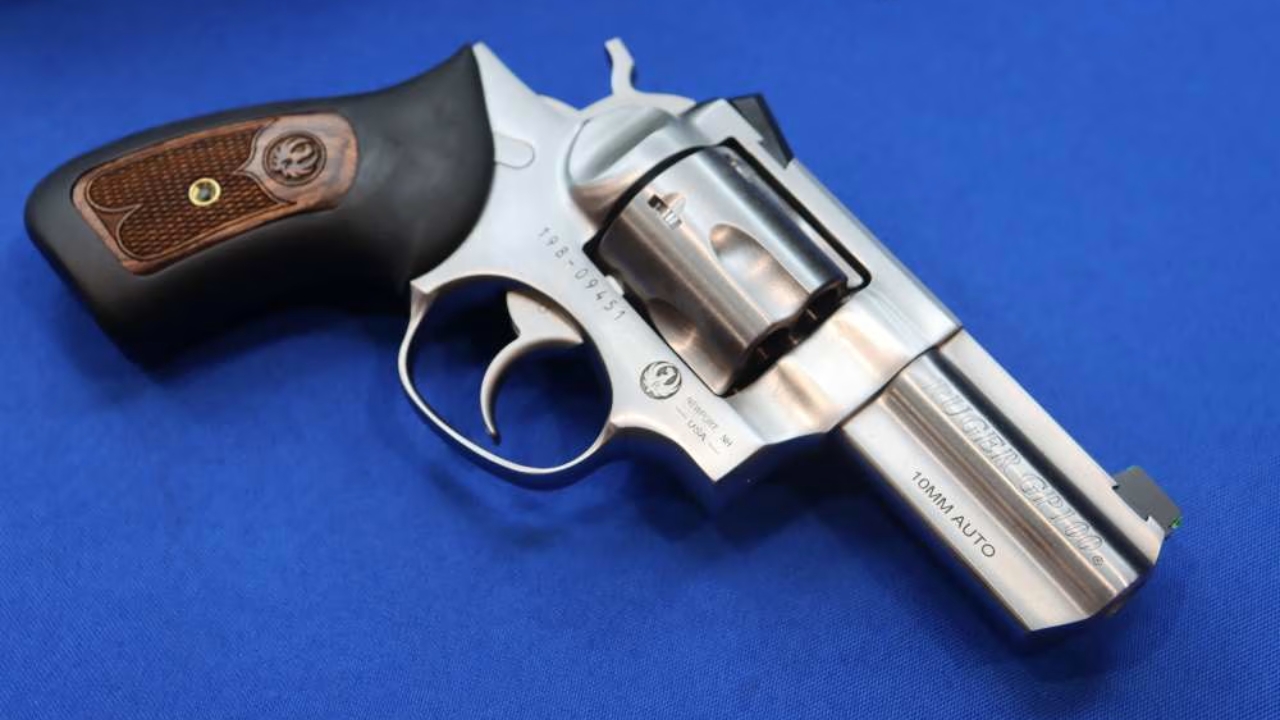
The Ruger GP100 Wiley Clapp is larger than what most people think of as a carry revolver, but it belongs here because it makes a strong case for controllability. Not every carry gun has to vanish in a gym-shorts pocket. Sometimes the smarter gun is the one you can shoot well under pressure.
This GP100 variant has good sights, practical grips, and enough weight to keep .357 Magnum manageable. It is a belt gun, not a pocket gun, but it gives you confidence that smaller revolvers cannot always match. Modern carry trends often obsess over minimum size. The Wiley Clapp GP100 reminds you that a fighting revolver should still be shootable.
Smith & Wesson Model 66
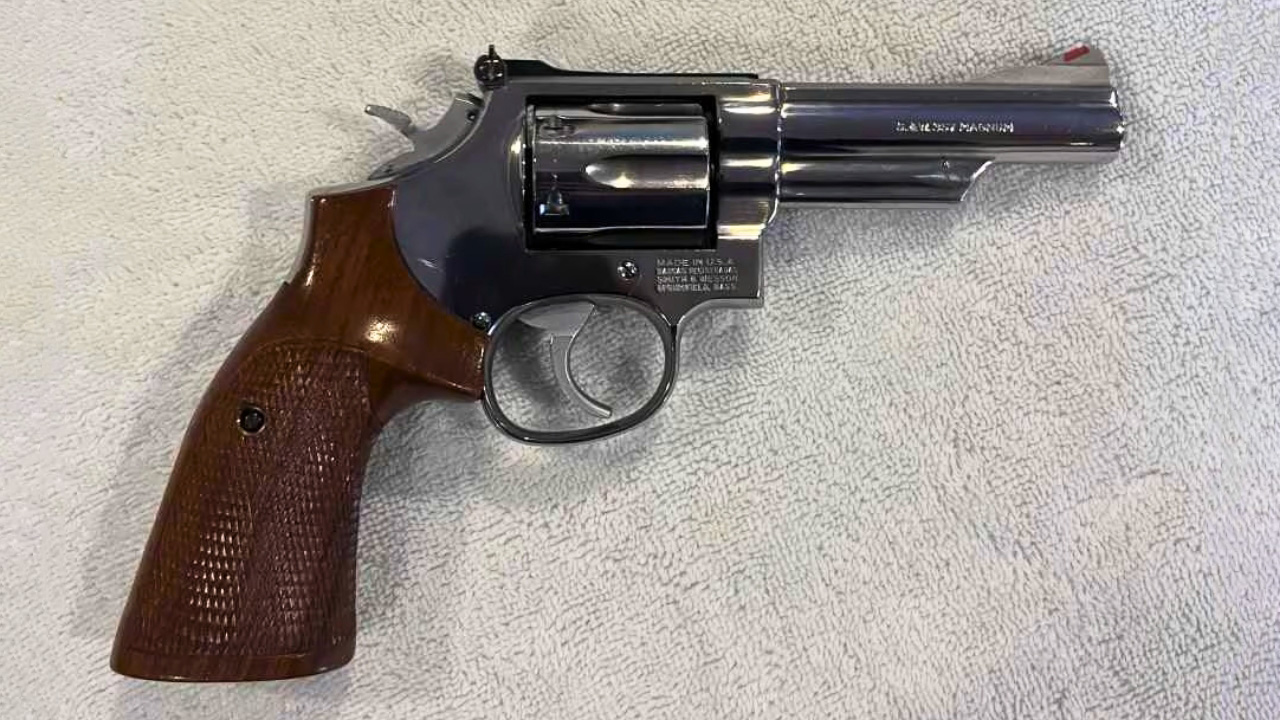
The Smith & Wesson Model 66 still feels like one of the best compromises in defensive revolvers. It is stainless, chambered in .357 Magnum, easier to carry than a large-frame gun, and more shootable than most small snubs.
That balance is why people keep coming back to K-frame magnums. The Model 66 gives you enough size to control the gun and enough compactness to carry with the right belt and holster. It does not need an optic cut, a compensator, or a 17-round magazine to make sense. It needs a good holster, good ammunition, and someone willing to practice double-action shooting. That sounds old-fashioned until you realize how practical it still is.
Taurus 856

The Taurus 856 has become harder to ignore because it gives buyers six shots in a compact .38 Special revolver without premium pricing. That makes it especially interesting for people who want a practical carry revolver but do not want to spend collector money.
The 856 is not as polished as higher-end revolvers, and quality consistency matters. But a good one fills a real lane. It carries easily, gives you an extra round over many small snubs, and keeps the controls simple. In a world where carry guns keep getting more expensive and feature-heavy, the 856’s appeal is pretty straightforward. It is affordable, useful, and easier to understand than a lot of trend-driven pistols.
Charter Arms Bulldog

The Charter Arms Bulldog still makes sense because it does something unusual without pretending to be fancy. It gives you .44 Special in a compact revolver that is easier to carry than most big-bore handguns.
It is not a high-volume range gun, and it is not as refined as pricier revolvers. But as a close-range defensive revolver, the Bulldog has a clear purpose. The recoil is noticeable, yet manageable with sensible loads, and the larger bullet appeals to people who want simple effectiveness without chasing velocity. Modern carry trends often focus on capacity and speed. The Bulldog takes an older path: a compact gun, a heavy bullet, and no extra nonsense.
Ruger LCRx 3-Inch

The Ruger LCRx 3-inch is one of the smartest revolvers for people who want more than a pocket gun but less than a full-size revolver. The longer barrel gives you a better sight radius, more useful velocity, and improved handling compared with tiny snubs.
It also keeps the LCR’s excellent trigger feel. That makes it a strong choice for trail walks, rural carry, kit-gun duty, and anyone who wants a revolver that can still be carried without feeling like a brick. The exposed hammer adds versatility for careful single-action shots when appropriate. It is not as easy to hide as a snub, but it is much easier to shoot well. That tradeoff makes sense.
Smith & Wesson Model 442
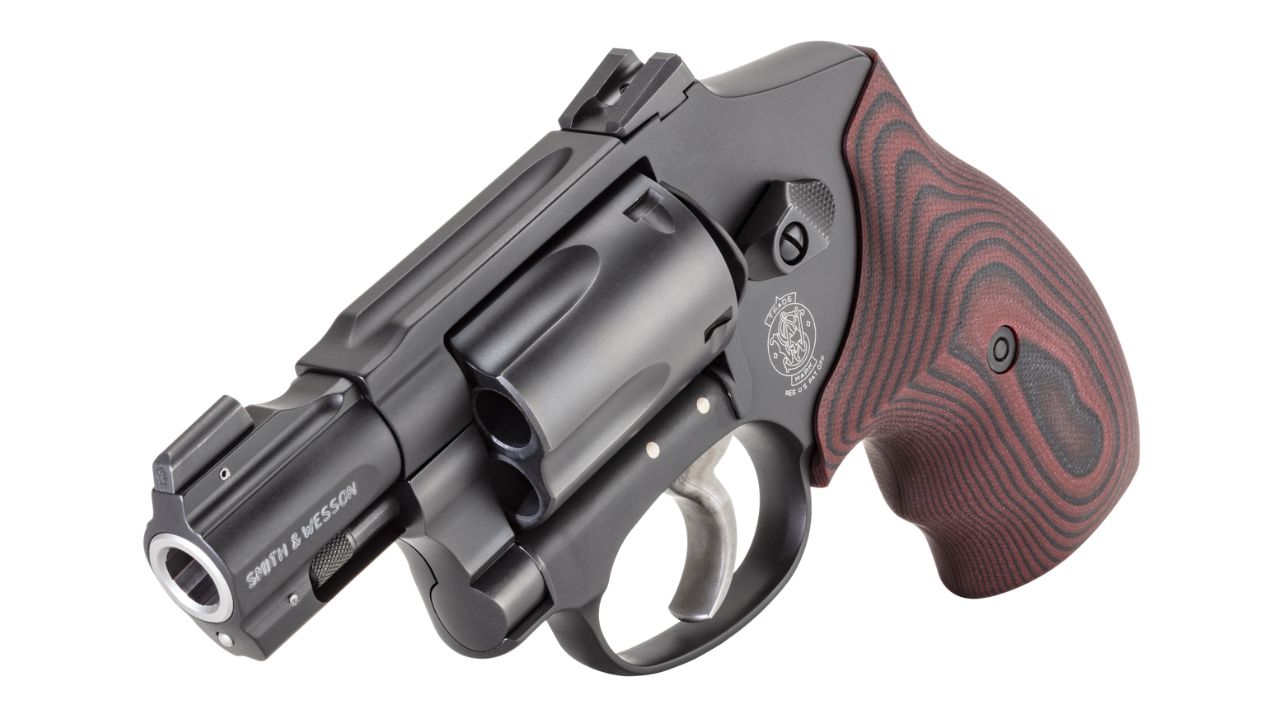
The Smith & Wesson 442 is basically the darker, no-nonsense sibling to the 642, and it remains one of the simplest carry revolvers you can buy. Lightweight frame, enclosed hammer, five-shot .38 Special cylinder, and a profile that slides into daily carry with very little drama.
What keeps the 442 relevant is how little it asks from you. There is no magazine compatibility issue, no optic battery, no slide manipulation concern, and no external hammer spur to catch on clothing. You still need to practice because small revolvers demand skill. But the 442’s whole argument is that a carry gun should be present, simple, and ready. A lot of modern trends make carry more complicated. The 442 keeps it plain.
Like The Avid Outdoorsman’s content? Be sure to follow us.
Here’s more from us: