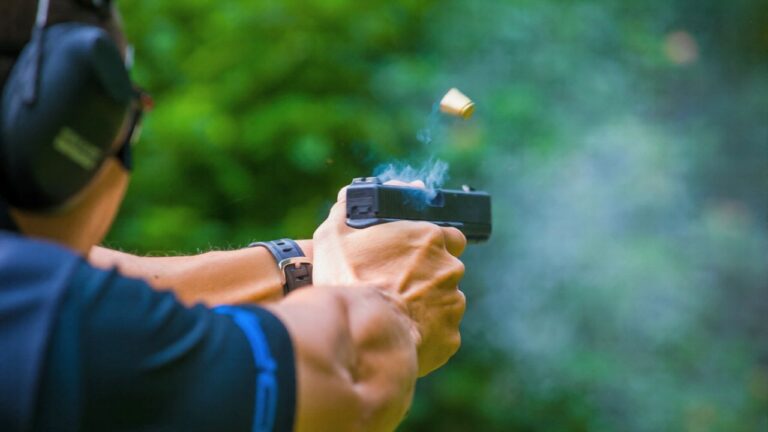
Photo credit: Terri Attridge Photo/Shutterstock.com
Cowboy action shooting isn’t just about showing up with a lever gun and pulling the trigger. There’s a rhythm to it, a flow—and the right rifle can make all the difference. Whether you’re brand new to the sport or looking to upgrade, not all lever-actions are created equal when it comes to this game. Here’s what to keep in mind if you want your rifle to keep up with you.
Smooth Cycling Is a Must
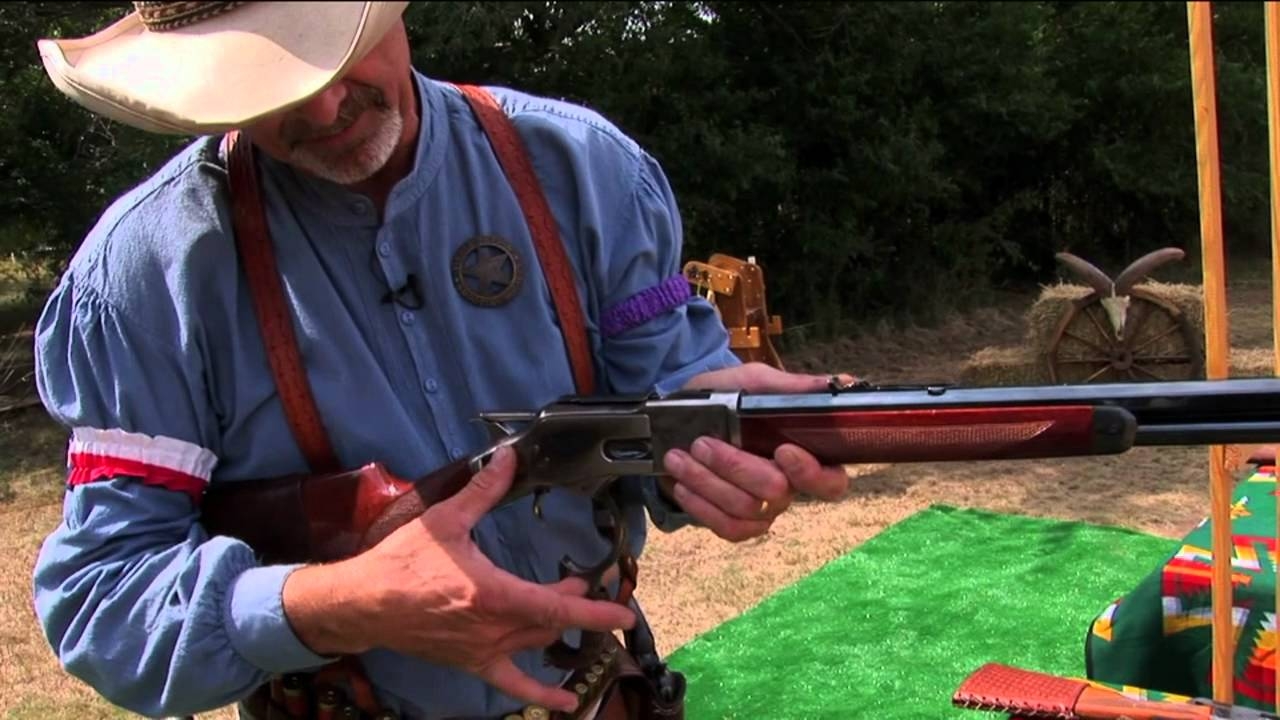
Speed matters in cowboy action shooting, and a rifle that hangs up mid-cycle will throw off your entire stage. You want a lever that glides, not one that feels like you’re fighting a rusty gate. Some shooters even polish internals or swap out springs to make things run slick.
Factory stock isn’t always competition-ready. Look for rifles known for smooth action or ones that can easily be tuned. Brands like Uberti and Marlin often come recommended for this reason alone.
Short-Stroke Kits Change the Game

A full lever throw can feel slow once you’re trying to shave off seconds. That’s why short-stroke kits are so popular—they let you cycle faster with less movement. Many serious competitors consider it a must-have upgrade.
Some rifles come with these kits already installed, while others need aftermarket parts. If you’re buying used or shopping for your first gun, ask around and see what the regulars are running.
Caliber Compatibility with Revolvers

Running the same caliber in your rifle and revolvers just makes life easier. Fewer ammo types to pack, load, and think about when you’re on the clock. It’s also just more authentic to the cowboy spirit of the sport.
.38 Special and .45 Colt are two of the most common calibers in cowboy action shooting. Make sure your rifle eats what your sidearms spit. It’ll simplify things and keep reloads consistent.
Side Loading Gates for Fast Reloads

Top-loading or tube-fed rifles may look the part, but they slow you down when time is ticking. A side loading gate lets you quickly top off rounds between stages without fumbling around.
Most of the favored cowboy rifles—like the 1873—have a side gate setup. If you’re planning to reload during a stage or want to keep things moving smoothly, it’s something to prioritize.
A Stock That Fits You

Cowboy action is about speed and rhythm, and if your rifle doesn’t shoulder right or line up naturally, you’re fighting your gear. Fit is more important than people realize, especially when you’re moving and transitioning targets.
Look for a lever-action that feels balanced in your hands and gives you a clean sight picture as soon as it hits your shoulder. You can always modify later, but a good starting fit helps a lot.
Proven Track Records in Competition

Some rifles just show up more on the firing line—and that’s not a coincidence. Models like the Winchester 1873 and Marlin 1894 are staples in the sport. They’ve earned their place because they work, plain and simple.
If you’re new to the scene, take a cue from what seasoned shooters trust. It’s not about brand loyalty—it’s about what actually holds up and performs under pressure.
Opt for a Lighter Recoil Setup

You’re not trying to knock over steel with brute force—just hit it fast and move on. That’s why many cowboy shooters prefer lighter-recoiling calibers and rifles. It helps with faster follow-up shots and keeps your shoulder from wearing out after a long match.
Pairing a light .38 Special load with a tuned rifle makes the experience smoother and more manageable. Heavy recoil might look cool, but it slows you down in this sport.
Keep It Period-Correct (Within Reason)
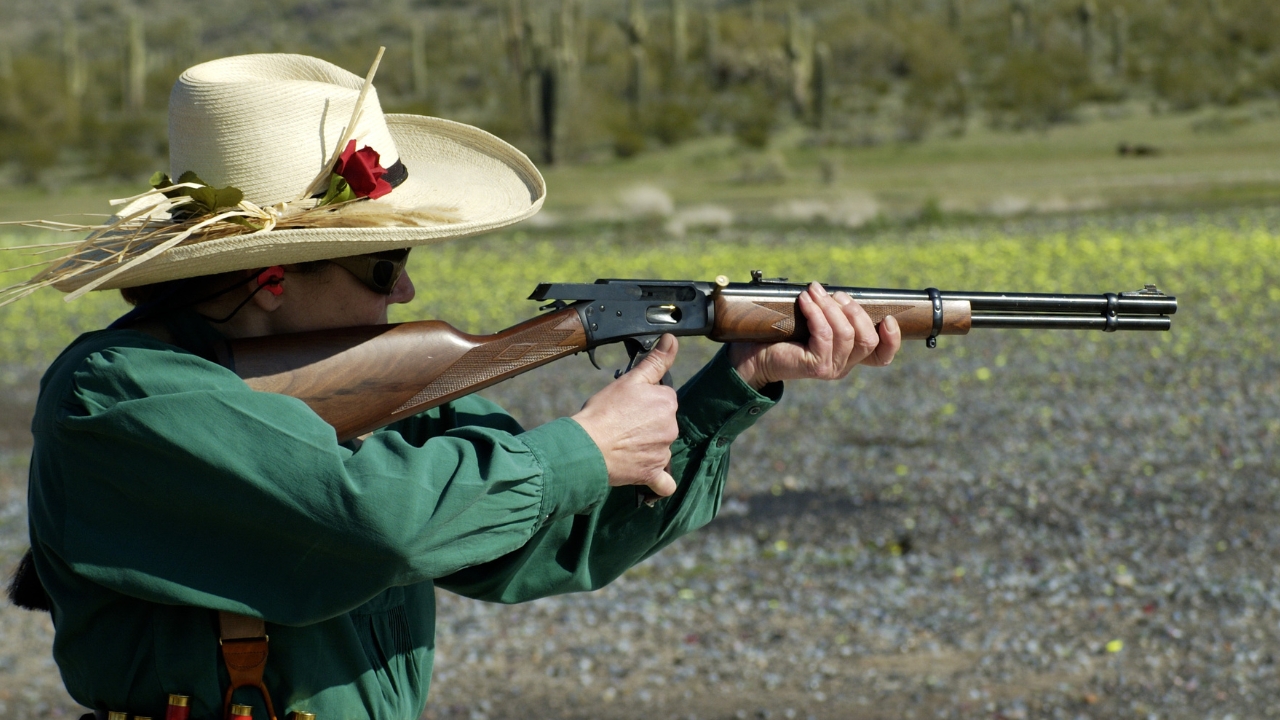
There’s something about showing up with a lever gun that looks the part. While modern performance matters, cowboy action shooting still leans into the Old West vibe. Rifles with brass receivers, octagonal barrels, and classic furniture just feel more at home on the range.
That said, function beats form every time. If you can get both, great—but never trade reliability for looks. Your gear should help you compete, not just sit pretty.
*This article was developed with AI-powered tools and has been carefully reviewed by our editors.