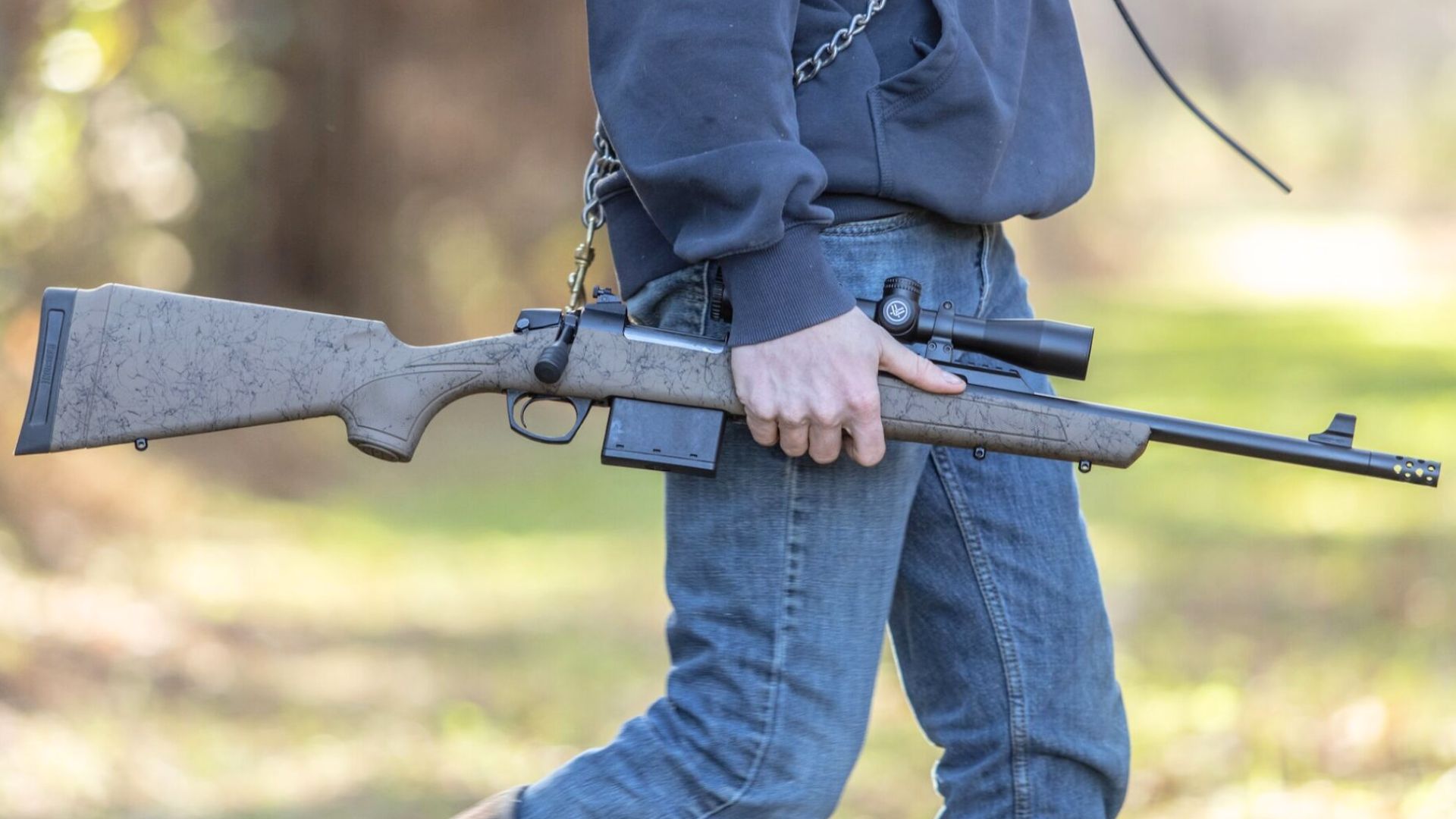
Photo credit: CVA Rifles
Nothing will wear you out faster than a rifle that can shoot… but only if you babysit it. You sight in, it looks decent, then the next trip it’s throwing a weird flyer. You re-check zero, chase ammo, blame the scope—then you finally put a wrench on the action screws and realize they’ve backed off again.
A lot of this comes down to soft stocks, weak bedding, recoil + vibration, and budget hardware. Some rifles can be fixed with good habits (torque wrench + threadlocker where appropriate). Others feel like they’re always one loose screw away from wasting your Saturday.
Remington 770
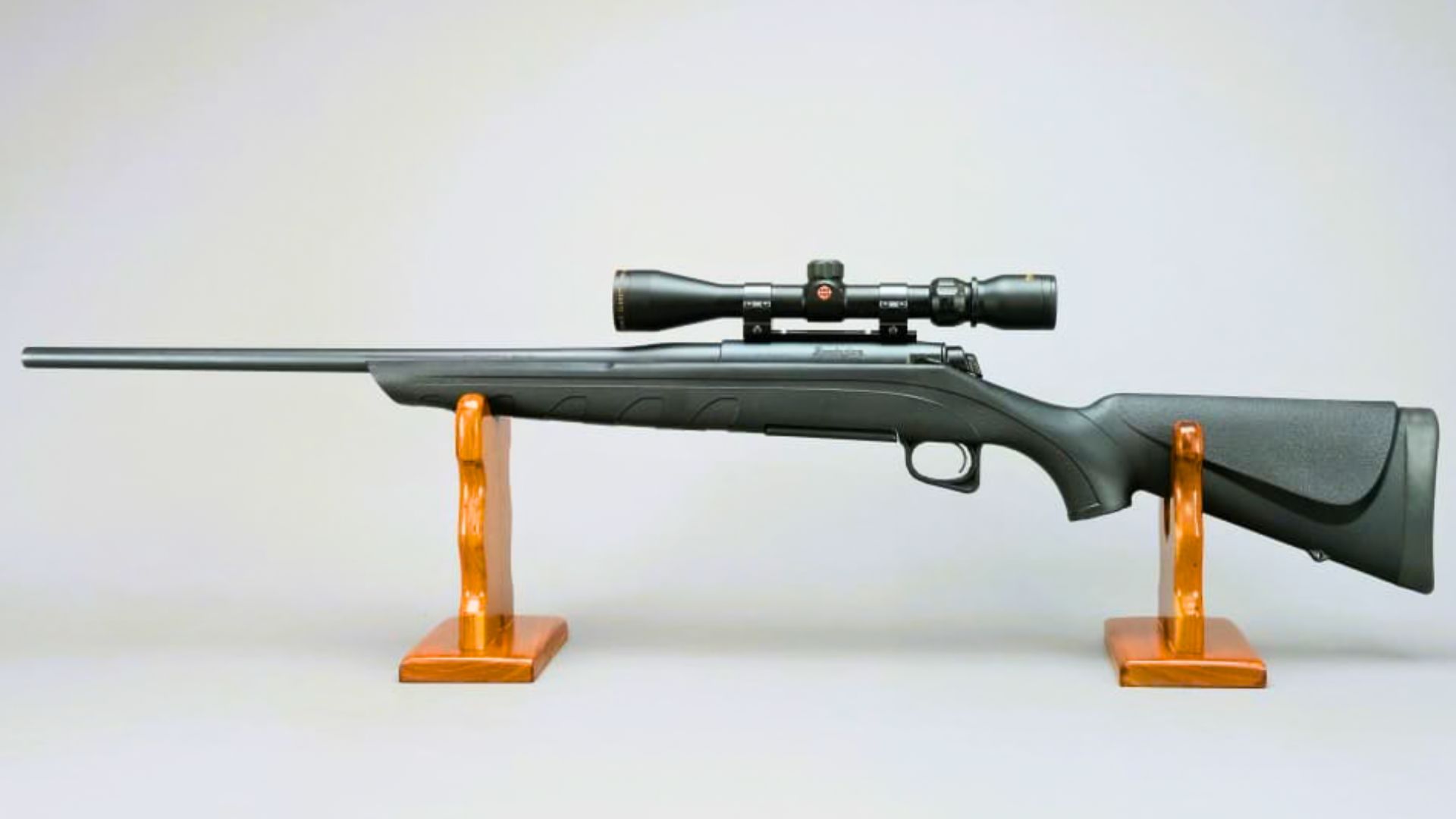
The 770 is famous for the “it was fine last time” problem, especially once you start shooting it more than the bare minimum. A lot of them were sold as package rifles, and between budget mounts and a rifle that wasn’t built for high-round-count consistency, things loosen and shift.
If you’re constantly re-checking action screws and scope base screws just to keep groups from wandering, that’s not “being responsible.” That’s the rifle demanding babysitting. Plenty of hunters end up dumping these not because they broke, but because they got tired of never trusting the zero.
Remington 710

Same family of disappointment. The 710 tends to create a cycle where the owner is always chasing “what changed,” and torque checks become part of every range trip. Once you start seeing inconsistent groups and odd point-of-impact shifts, you’re forced into a maintenance routine that shouldn’t be necessary for a basic hunting rifle.
A rifle doesn’t have to fall apart visibly to be a headache. When your accuracy depends on re-tightening screws every time you shoot, you’re not building confidence—you’re managing a problem.
Remington 783 (especially package setups)

The 783 can shoot, but the common package setups and budget hardware can turn it into a “check everything” rifle. If the scope bases and rings aren’t solid and properly torqued, recoil and vibration will eventually show up as drifting zero.
Owners often think the rifle is “just inconsistent,” when a lot of the inconsistency is a setup that wasn’t locked down correctly from the start. If you find yourself re-tightening mounts and action screws constantly, you’re living in that package-rifle reality.
Savage Axis XP / Axis II XP

The Axis line is a value buy, and plenty of them shoot well. The torque-check reputation comes from the flexy stock and the fact that a lot of these rifles get shot off rests in ways that put pressure on the fore-end. If the stock flexes and contacts the barrel differently from trip to trip, your groups change, and you start “fixing” it with screw checks.
Axis rifles also tend to be owned by newer shooters who don’t have a torque wrench yet. They hand-tighten, shoot, re-tighten, repeat. Once you actually torque correctly and keep the stock/barrel relationship consistent, many calm down—but until then, they can feel like they demand constant attention.
Ruger American (standard synthetic models)

Ruger Americans can be shockingly accurate for the money, but the basic synthetic stock can be part of the problem. If your action screws aren’t torqued consistently, you can get shifting groups. If the fore-end flexes and your rest pressure changes, you can chase your tail thinking the rifle “won’t hold a group.”
This is why some Ruger Americans get labeled “inconsistent” when what’s really inconsistent is the system: action screw torque, how it’s rested, and sometimes the scope setup. If you’re not willing to be consistent, the rifle will expose you.
Ruger American Ranch (7.62×39 and .300 Blackout versions)

These get bought as handy utility rifles, then they get shot with a mix of ammo and often with inexpensive optics setups. When you combine ammo variation with a lightweight rifle and a basic stock, owners end up doing torque checks constantly trying to lock down a “known zero.”
It’s not that the Ranch can’t be accurate—it’s that the way most people use it (cheap mounts, mixed ammo, quick range trips) creates the exact situation where you’re always re-checking screws and blaming the rifle for what’s really a stability issue.
Thompson/Center Compass / Compass II

The Compass is another rifle that can shoot well, but it’s also a common “why did my groups change?” rifle. Stock rigidity and bedding consistency matter more than most people realize, and when those aren’t great, the owner ends up relying on action screw torque checks like a ritual.
A lot of Compass owners get good results once they tighten up the system—proper torque, better mounts, sometimes a stock upgrade. But out of the box, it’s one of those rifles that can push people into constant tinkering.
Mossberg Patriot (especially the scoped combos)

The Patriot is a repeat offender in the “my zero moved” complaints, and torque checks become the first line of defense. The rifle itself might be fine, but the common scope/mount combos and the way many owners set them up (hand-tight, no torque wrench, no threadlocker on bases) creates a rifle that seems to require constant attention.
If you own one and it’s behaving, great. If you own one and you’re always tightening something, don’t feel crazy. A lot of guys end up upgrading rings/bases and treating torque like part of the rifle’s normal operating procedure.
Winchester XPR (package versions)

XPR rifles can shoot, but the budget package setups often lead to the same story: good group, then weird group, then “is my scope loose?” If your mounts aren’t quality and correctly torqued, recoil and vibration will eventually give you point-of-impact drift.
Once that happens, the owner starts checking torque constantly, because it’s the only thing that produces any peace of mind. A solid optic setup usually fixes a lot of this, but plenty of XPR owners learn that lesson after wasting ammo chasing phantom issues.
Browning AB3

The AB3 is a “nice budget rifle” that sometimes becomes a torque-check rifle for the same reason: people buy it as a value Browning and then slap mid-tier or bargain optics on it. If the scope base screws aren’t properly installed, you can end up with shifting zero that feels like the rifle is haunted.
It’s frustrating because the rifle often seems like it should be more stable. Then reality hits: recoil doesn’t care about brand names. If your mounting and torque discipline aren’t solid, you’ll still be checking screws like it’s part of your range routine.
Howa 1500 in a Hogue OverMolded stock
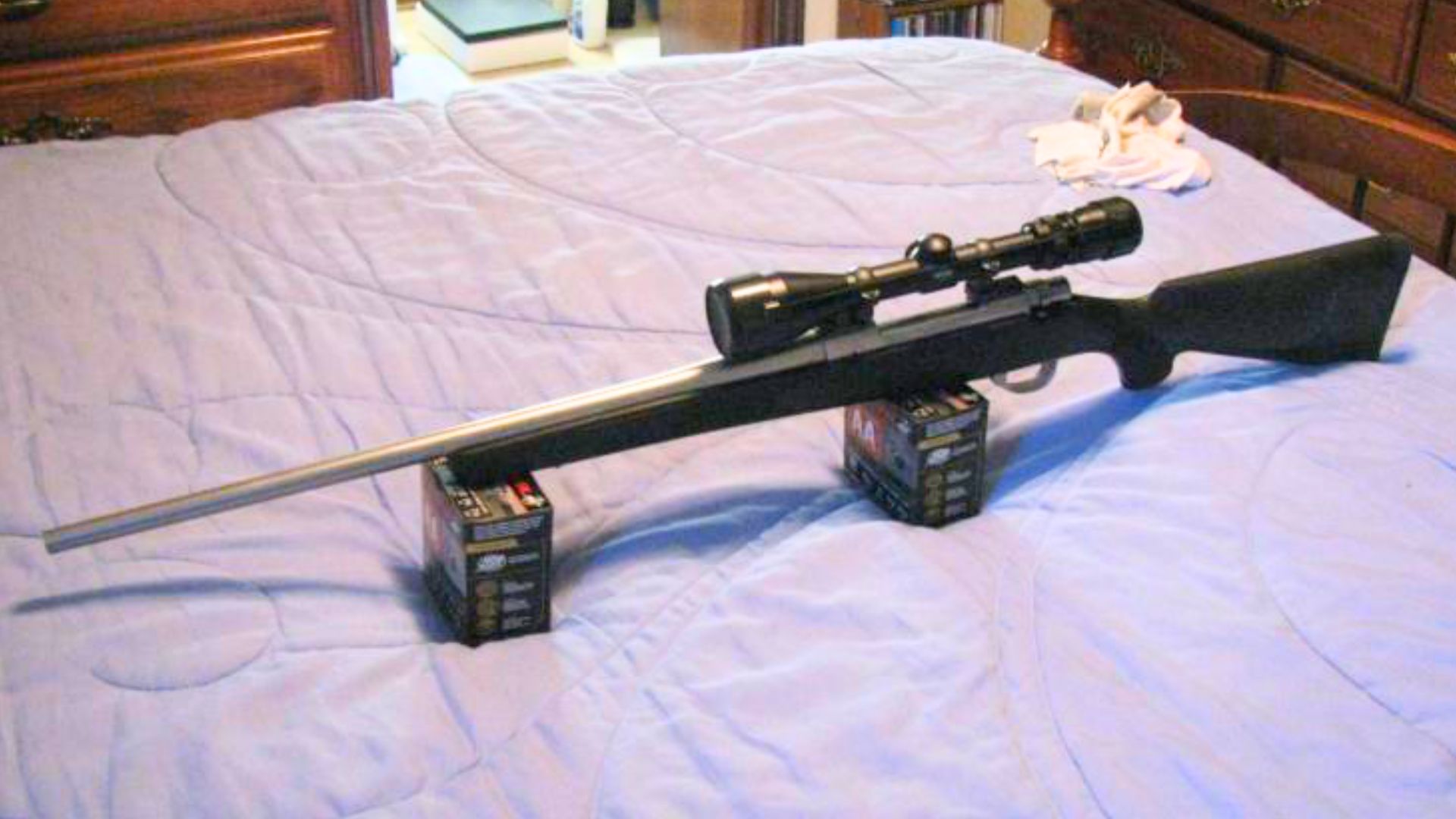
The Howa 1500 action is solid. The Hogue stock is where some people get torque-check headaches. That softer, flexy forend can change barrel contact and resting pressure, which makes the rifle feel inconsistent unless everything is torqued and shot the same way every time.
A lot of guys “fix” it by constantly re-checking torque and trying to find the magic tightness that makes it shoot. The real fix is usually a stiffer stock and consistent torque values. Once you do that, the Howa often turns into a very dependable shooter.
Weatherby Vanguard Synthetic (basic factory stock)

Vanguards can shoot extremely well, but the basic synthetic stock can create the same inconsistency patterns as other budget stocks. If torque is inconsistent—or if the stock flexes under different rests—your group behavior changes and the owner starts living on torque checks.
This is one of those rifles that often transforms with a better stock or bedding work. Until then, some owners feel like they’re always verifying screws just to keep accuracy from wandering.
CVA Cascade (early ownership “settling in” phase)

The Cascade has earned a decent reputation overall, but like a lot of modern budget-friendly hunting rifles, you’ll see owners who go through an initial period of “things settling” where they’re checking torque frequently—especially if they’re running lightweight scopes and mounts.
Some rifles calm down once everything is properly torqued, the screws seat, and the shooter stops changing variables. Others keep nudging the owner into constant checks because the stock/fit/setup is simply more sensitive than a heavier, more rigid rifle.
Ruger Mini-14 (older models with optics)

This isn’t an action-screw torque issue as much as it’s an “everything shifts with use” experience for a lot of people—especially if you’re mounting optics and expecting consistent groups across strings. Minis can be reliable as dirt, but accuracy and repeatability can feel like a moving target, so owners end up checking mounts and hardware constantly trying to keep things consistent.
If you’re trying to make an older Mini behave like a modern precision semi-auto, you’ll live with more “maintenance behavior” than you expected—especially around optics setups.
Marlin 1895 Guide Gun (scoped, heavy .45-70 loads)
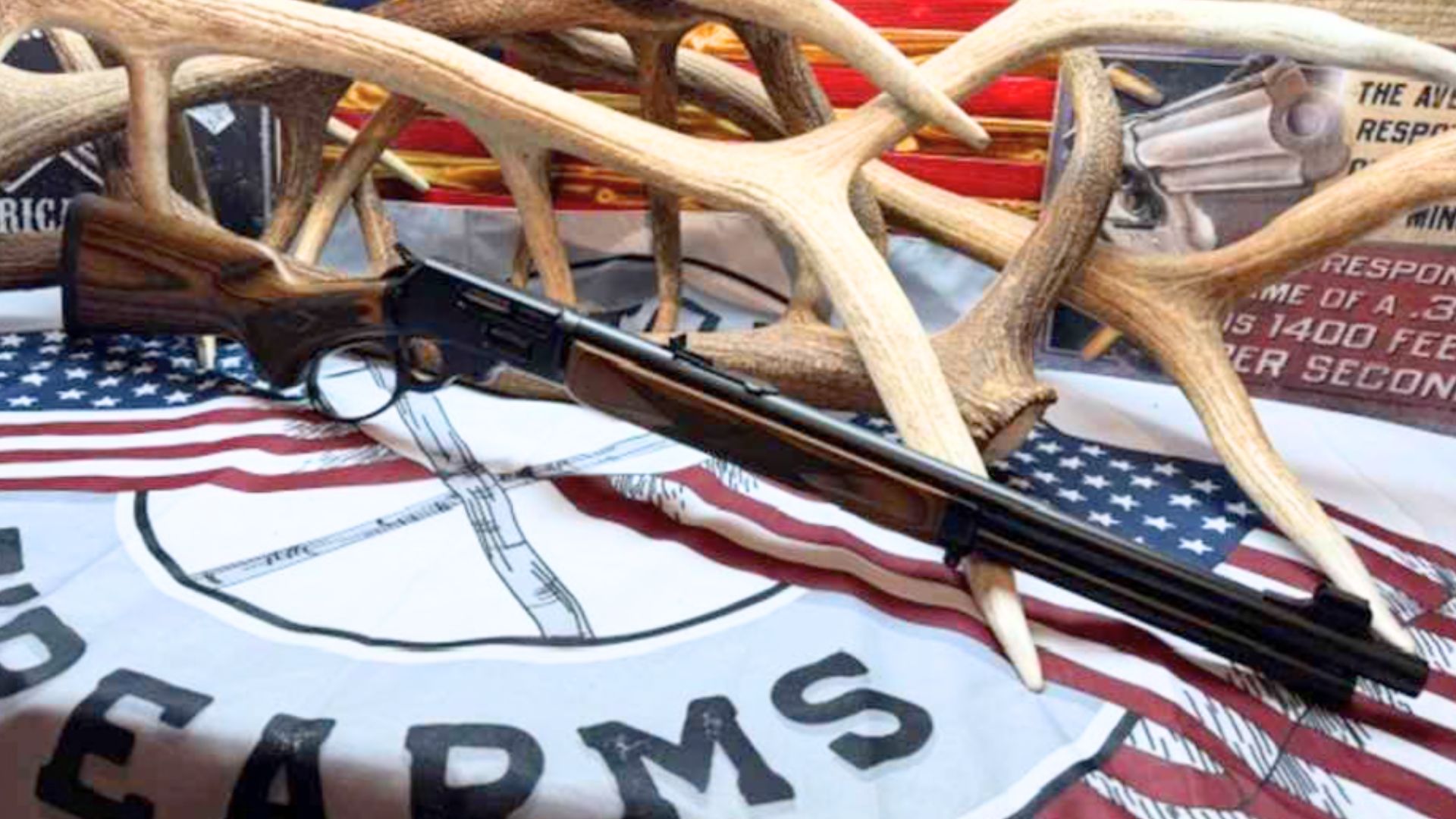
Lever guns with scopes can turn into torque-check machines under heavy recoil loads. It’s not always the rifle failing—it’s recoil loosening mounts, screws, and hardware over repeated shooting. Hot .45-70 loads will punish cheap rings and borderline base screws fast.
A lot of guys love the idea of a scoped thumper, then realize they’re constantly re-checking everything after a range day. If you want a lever gun to hold zero with heavy recoil, you need serious mounting hardware and you need to treat screw torque like part of the maintenance schedule.
Like The Avid Outdoorsman’s content? Be sure to follow us.
Here’s more from us: