Photo credit: Buffalo's Outdoors/YouTube
Some guns just can’t seem to get it right. Whether it’s poor quality control, design flaws, or safety issues that just won’t quit, a handful of firearms keep showing up on recall lists year after year. These aren’t just one-off mistakes—these are patterns. If you own one, it might be time to check the serial number.
Here are 12 firearms that have a history of being sent back more than once—and for good reason.
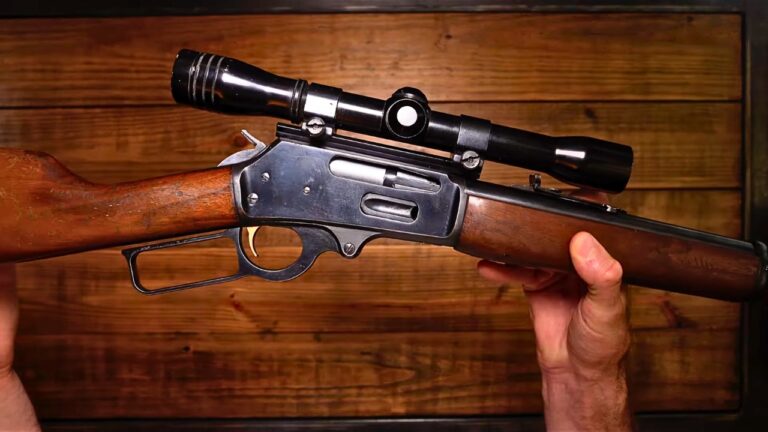
Remington Model 700

The Model 700 has been at the center of safety complaints for decades. The issue mostly stems from its trigger mechanism, which has been linked to unintentional discharges—even without pulling the trigger.
Remington tried to fix it with the X-Mark Pro trigger, but that too had problems. It got to the point where the company launched a huge recall. If you’ve got one, it’s worth checking if yours is affected.
SIG Sauer P320

The P320 had a rough start when videos started surfacing of it firing when dropped. That’s a serious issue for any handgun, especially one marketed for duty and concealed carry use.
SIG issued a voluntary upgrade program after the drop-fire flaw got national attention. While newer models have been updated, early adopters were left scrambling to get their guns fixed.
Taurus Millennium Series
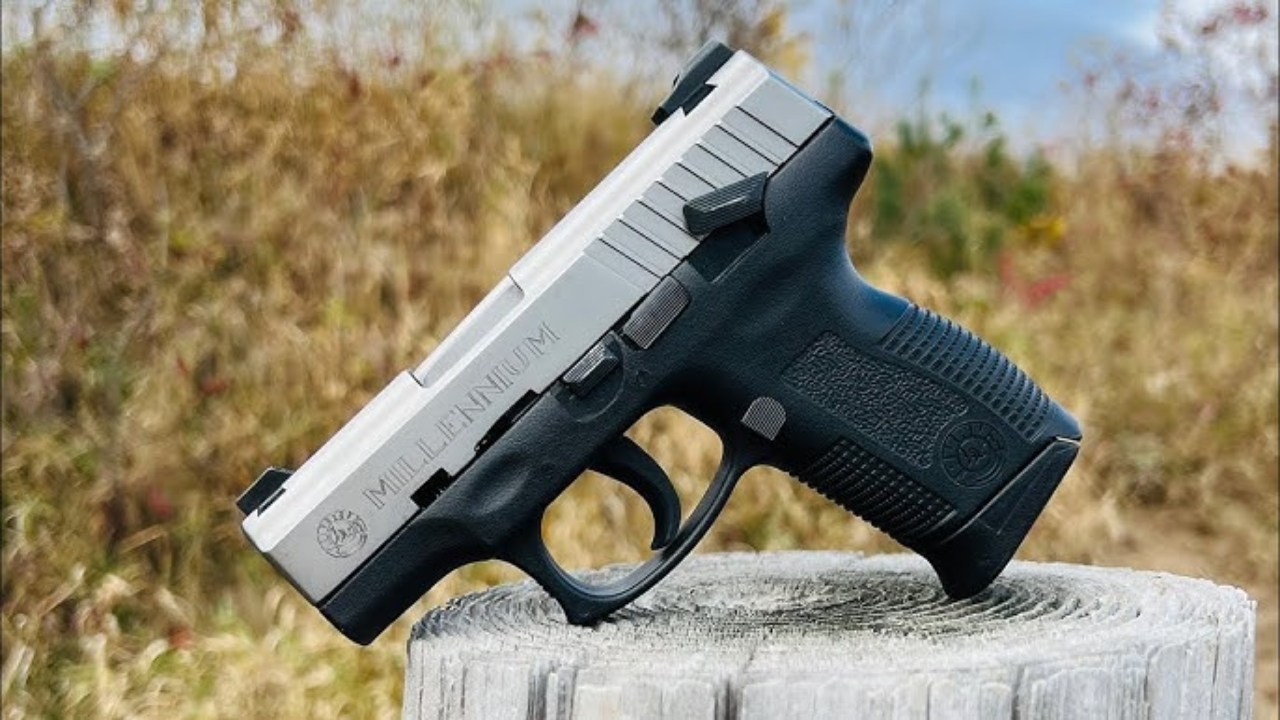
Taurus’ Millennium series pistols—including the PT111 and PT140—were part of a massive class action settlement after reports surfaced of them firing when dropped or failing to stay in safe mode.
Taurus didn’t exactly handle it quickly. It took years of complaints and a legal battle before owners were offered repairs or replacements. Some people still won’t trust them, even after the fix.
Smith & Wesson M&P Shield EZ
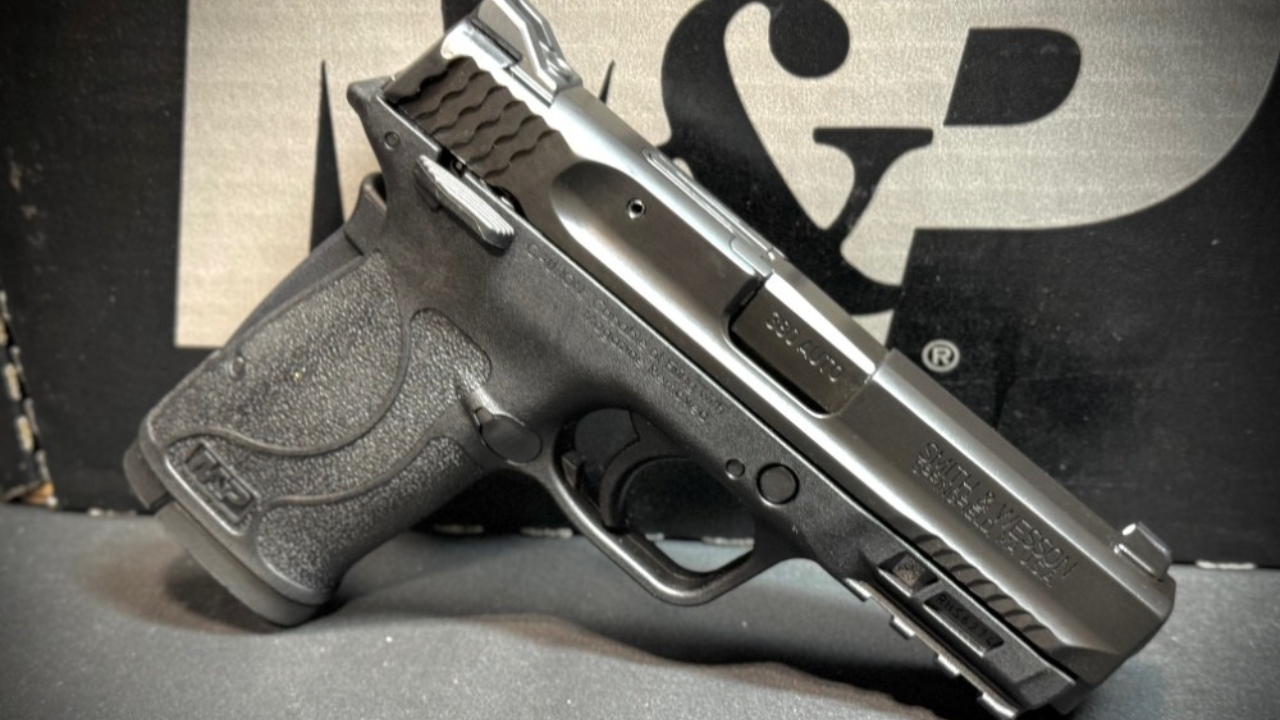
The Shield EZ is designed to be easy to operate, but it ran into trouble when a batch of them had faulty hammers. Some users reported that the guns could fire even with the safety on—or not fire at all when needed.
S&W recalled specific lots, but it shook the confidence of many first-time buyers who picked the EZ for its simplicity. It’s a reminder that “easy” doesn’t always mean foolproof.
Mossberg 715T

The 715T looks tactical, but it’s built on a .22 rimfire platform that’s seen plenty of complaints. One major recall involved the drop safety, where the gun could go off if dropped.
Add to that feeding issues and cheap construction, and you’ve got a rifle that’s more frustrating than fun. It may look like a serious rifle, but it hasn’t held up well over time.
Walther CCP (First Gen)

The first-generation CCP had a gas-delayed blowback system that didn’t exactly inspire trust. Walther ended up issuing a recall because the gun could fire without the trigger being pulled.
That’s not a small issue. While Walther fixed it in later versions, the damage to the gun’s reputation stuck. Anyone still shooting a first-gen CCP should double-check that recall notice.
Ruger SR22

The SR22 has had its share of light strikes and feeding problems, but the bigger issue came when certain models were recalled over a barrel thread issue that could cause the slide to separate.
It’s not a common issue, but it’s serious enough that Ruger issued a safety bulletin. For a pistol marketed as fun and reliable, this one ended up needing more factory support than expected.
Kimber Solo

Kimber tried to break into the compact 9mm market with the Solo, but it didn’t go smoothly. The pistol was ammo sensitive to the point that it often failed to run anything but premium loads.
On top of that, multiple early production runs had mechanical issues, prompting service calls and quiet fixes. Kimber eventually stopped making it altogether, and it’s not hard to see why.
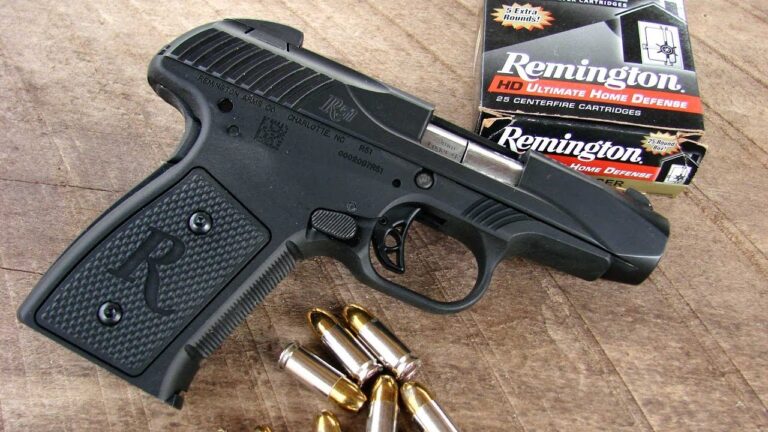
Remington R51

The R51 had a strong marketing push but turned out to be a mess right out of the gate. Feed issues, jamming, and poor fit and finish plagued the gun almost immediately.
Remington recalled it, re-released a “fixed” version, and still couldn’t shake the bad press. Most shooters wrote it off and never looked back. It’s one of those guns where the hype didn’t match the reality.
HK SL8

HK doesn’t recall guns often, but when it does, it usually involves something serious. The SL8 had a 2020 recall over the possibility of a faulty chamber that could result in dangerous pressure issues.
The company moved fast on this one, but it was a surprise for a brand known for tight tolerances. Even high-end guns aren’t immune when something gets past QC.
Savage B.MAG

The Savage B.MAG in .17 WSM was supposed to bring new energy to rimfire, but it had problems from the start. Early bolts would occasionally open when fired—a safety nightmare.
Savage issued a recall and redesigned the bolt. It fixed the issue, but the rifle never really recovered in the public eye. Most shooters moved on to more trusted rimfire options.
SCCY CPX Series

SCCY pistols are budget-friendly, but they’ve had several hiccups. One major recall involved the CPX-1 and CPX-2 models due to issues with the manual safety potentially disengaging on its own.
While SCCY addressed the problem, these pistols are still hit or miss when it comes to reliability. They may be affordable, but some buyers have learned the hard way why that price is so low.
*This article was developed with AI-powered tools and has been carefully reviewed by our editors.