Photo credit: Big Game Hunting Blog/YouTube
Every guide has a story about the client who shows up with the wrong rifle. Not because it’s underpowered or because they can’t shoot it—but because the cartridge makes their job harder. Too much recoil, too little energy, or poor bullet performance at real hunting ranges all lead to the same outcome: long tracking jobs and missed opportunities. The caliber you think will impress your guide often ends up being the one they quietly dread. These are the rounds that look fine on paper but fall short where it matters—in the field, under pressure, when you’ve got one chance to get it right.
.243 Winchester
The .243 Winchester is a deer hunter’s classic, but many guides groan when a client brings one for elk or moose. Light bullets and marginal penetration can lead to long, bloody tracks when shot placement isn’t perfect. It’s deadly on whitetails, but pushing it into bigger game territory is where things go wrong.
Even with premium bullets, the .243 leaves little room for error. Guides see too many wounded animals hit too far back or forward because the bullet didn’t reach vital organs. It’s accurate, sure—but accuracy doesn’t fix physics. When hunting big animals, guides would rather you bring something that breaks bone and keeps going.
6.5 Creedmoor

The 6.5 Creedmoor is accurate, flat, and loved by target shooters. But some guides have had enough of it in the field. Too many hunters treat it like a .300 Win Mag, taking long shots on elk and bear without considering that it’s still a mid-size cartridge.
Yes, it can kill elk, but guides see the aftermath when shots aren’t perfect—wounded animals that run far and bullets that don’t exit. It’s a fantastic deer and antelope round, but too many rely on its reputation instead of their own shot discipline. When hunters oversell the Creedmoor’s capability, guides end up paying for it in miles.
.223 Remington
The .223 Remington is a great varmint and predator round, but it’s woefully underpowered for big game in most hands. Some hunters insist on using it for deer or even hogs, and guides hate watching light bullets fail to penetrate or exit cleanly. It can work—but the margin for error is razor-thin.
Unless you’re an expert marksman with a perfect broadside opportunity, it’s a risky choice. Too many rely on match-grade bullets instead of hunting bullets, and the results speak for themselves. Most guides would rather you bring too much gun than watch a .223 come up short again.
.300 Winchester Ultra Magnum

On the other end of the spectrum, the .300 RUM makes guides wince for a different reason. It’s overkill, literally. The recoil is punishing, and flinching comes easy. Too many hunters miss clean because they’re afraid of their own rifle.
It’s powerful, but few can shoot it well enough to use that power responsibly. Guides don’t enjoy seeing their clients get bruised and frustrated before they ever get a shot at game. It’s a long-range hammer—but it doesn’t help if you can’t pull the trigger without anticipating the hit.
7mm Remington Magnum
The 7mm Rem Mag has a loyal following, but guides see its downsides. It’s a flat shooter, no question—but it’s also one of the most flinch-inducing cartridges around. Many hunters bring lightweight rifles chambered for it, making recoil sharp and unforgiving.
In the field, that flinch shows up when it counts. Missed elk, rushed shots, and blown follow-ups are common. The round is effective in the right hands, but most hunters aren’t putting in the range time to handle it. Guides don’t hate the cartridge—they hate how often it ruins good shots.
.22-250 Remington

The .22-250 is a classic varmint round, and that’s exactly where it should stay. Some hunters try to stretch it into deer or antelope, and guides quickly realize they’re in for a long day. The high velocity doesn’t make up for the lack of bullet weight or penetration on big-bodied animals.
Sure, it’s laser-flat for coyotes, but that 55-grain bullet isn’t built for thick hides and bone. Too many animals have run off after being hit squarely, and guides are tired of finding proof. If you’re chasing anything bigger than a coyote, leave this one at home.
.45-70 Government
The .45-70 has history and stopping power, but guides see the other side of that story. The rainbow trajectory makes long shots tricky, and many hunters don’t understand how quickly it drops. In thick woods, it’s perfect. In open country, it’s a guessing game.
It hits hard, but you need to know your rifle intimately to make it work past 150 yards. Too many hunters don’t. Guides have watched clean misses and low hits turn into wounded animals because shooters misjudged the arc. Respect its range—or bring something flatter.
.300 Blackout

The .300 Blackout was built for suppressed rifles and short-range work, not big-game hunts. Yet, it keeps showing up in deer camps and even western hunts. Guides shake their heads when they see it. Subsonic loads drop like rocks, and supersonic rounds still lack the punch needed beyond 150 yards.
It’s a great tactical round and a fine choice for hogs in thick brush, but in open terrain or for larger game, it’s out of its depth. Many hunters underestimate the drop and energy loss, leaving guides to track poor hits that could’ve been avoided with a better caliber.
.270 Winchester Short Magnum
The .270 WSM promised to improve on the original .270 Win, but most guides will tell you it wasn’t much of an upgrade. The added speed brings more recoil and barrel wear, but not much else. It’s hard on rifles, finicky to handload, and doesn’t shoot significantly flatter.
In real hunts, it’s not any deadlier than the standard .270—just more temperamental. Guides see shooters miss because of inconsistent loads or flinching from recoil that didn’t need to exist. When clients bring it to camp, many guides quietly wish they’d stuck with the old Winchester instead.
.17 HMR
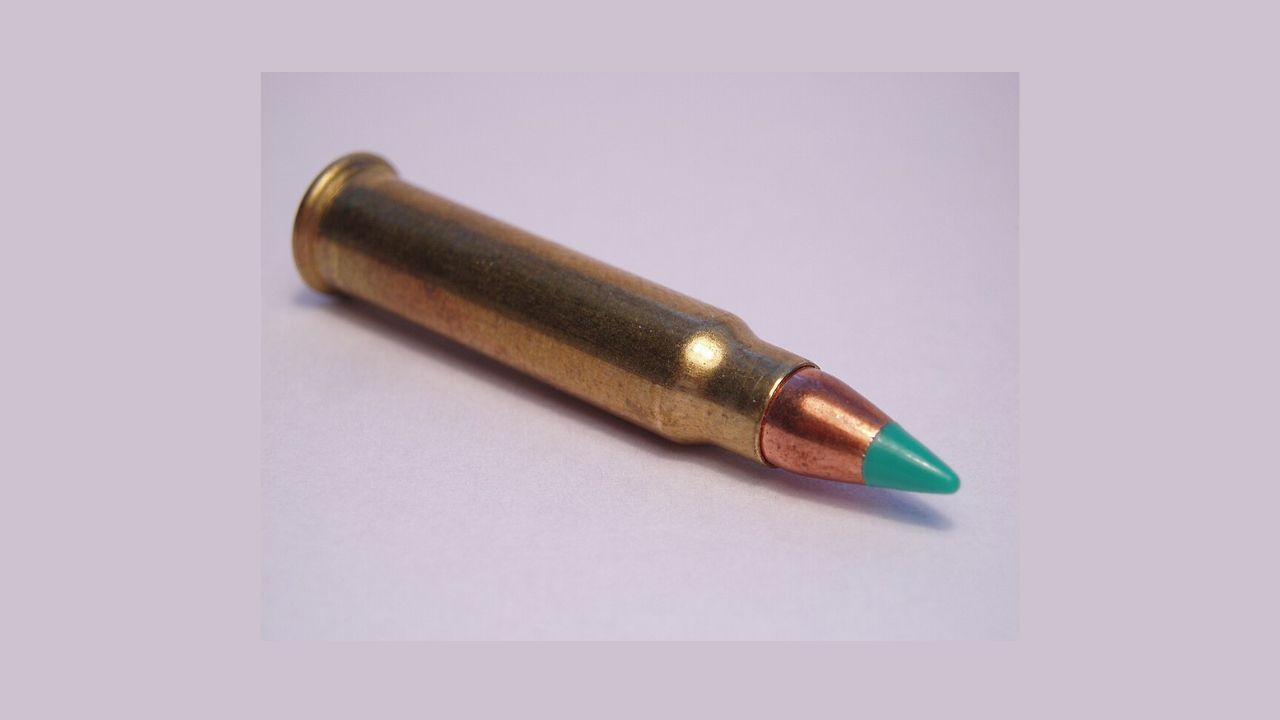
The .17 HMR is a fun little rimfire, but it has no business on a big-game hunt. Still, some hunters try to use it for coyotes or even small deer, and guides hate every second of it. Tiny bullets with minimal energy don’t penetrate enough, and any wind turns accuracy into guesswork.
It’s a squirrel and varmint round, nothing more. The .17 HMR might be surgical on paper, but it’s anemic in the field. When guides see it come out of a gun case, they know they’re in for a long, frustrating day. It’s a great caliber—for the range, not for the woods.
Like The Avid Outdoorsman’s content? Be sure to follow us.
Here’s more from us:
The worst deer rifles money can buy
Sidearms That Belong in the Safe — Not Your Belt
*This article was developed with AI-powered tools and has been carefully reviewed by our editors.