Photo credit: NRApubs/YouTube
Lever actions have their place, no doubt about it. But not all of them are built for speed. Some models jam up, short-stroke easily, or get hung up when the pressure’s on. If your follow-up shot takes too long because the lever’s stiff or clunky, you’re not getting the performance you need—especially in the field. This list calls out the ones that look the part but fall short when it matters most. If fast cycling matters to you, these are the lever guns to think twice about.
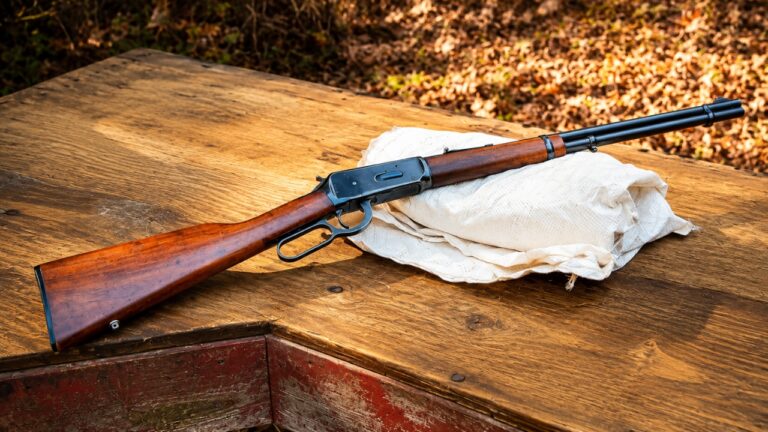
Winchester 94 Angle Eject Models
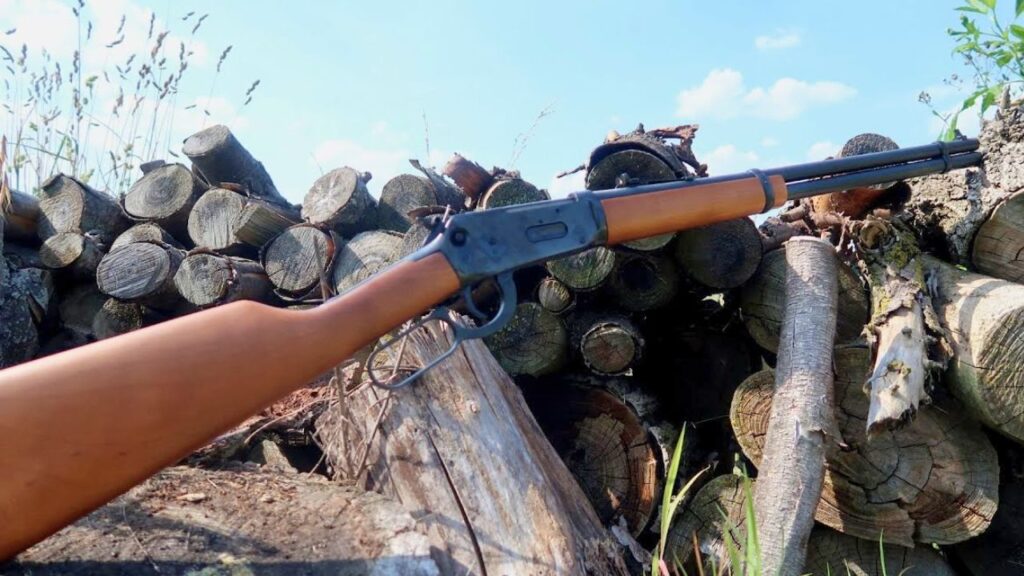
The classic 94 is a legend, but some of the newer angle eject versions can get a little sticky. The action isn’t always smooth, especially if you’re cycling fast. That slow, hesitant return can throw you off in a hurry.
Add in a rough break-in period and inconsistent feeding with certain bullet types, and you’ve got a rifle that feels slower than it should. It’s not useless—but if you’re counting on quick second shots, this one might leave you hanging at the worst moment.
Henry .22 Lever Actions

Henry .22s are great for plinking, but they’re not built for speed. The action is soft, and when you’re working it fast, it tends to bind up or hesitate. The tube-fed loading system also slows things down on the back end.
While fun at the range, these little levers struggle with smooth follow-through when you’re trying to keep up a rhythm. For a new shooter or relaxed pace, it works. But for anything requiring speed or precision under pressure, it starts to fall behind fast.
Marlin 336 (Post-Remington Era)

After Remington took over Marlin, the quality control issues were no secret. Some 336 models from that stretch developed rough or even misaligned actions. That alone is a problem when you’re trying to run the lever fast.
You’ll notice dragging, binding, or even a full failure to feed. Some guns broke in over time, others never really got better. If you’ve got one made during those years, chances are you’ve felt that lag trying to get off a second shot quickly.
Rossi R92 in .357 Magnum

The R92 is compact and affordable, but not the smoothest lever gun around. In .357 Magnum, the action gets a little jumpy, and the feeding system can be picky with bullet length or shape.
That means if you’re trying to work the lever quick—especially under stress—you might end up jamming it or short-stroking it altogether. It takes a practiced hand to get reliable speed out of it, and even then, it’s not as slick as it looks.
Uberti 1873 Reproductions

These guns look great and feel traditional, but speed isn’t their strong suit unless they’ve been tuned. Out of the box, Uberti 1873s can be stiff, with cycling that feels more like dragging a wrench than running a rifle.
The internal geometry favors smooth but slow movement, and that’s fine for cowboy action shooting with a rhythm. But if you’re thinking about using it for anything where timing matters, you’ll likely get frustrated trying to force fast follow-up shots.
Browning BLR Lightweight
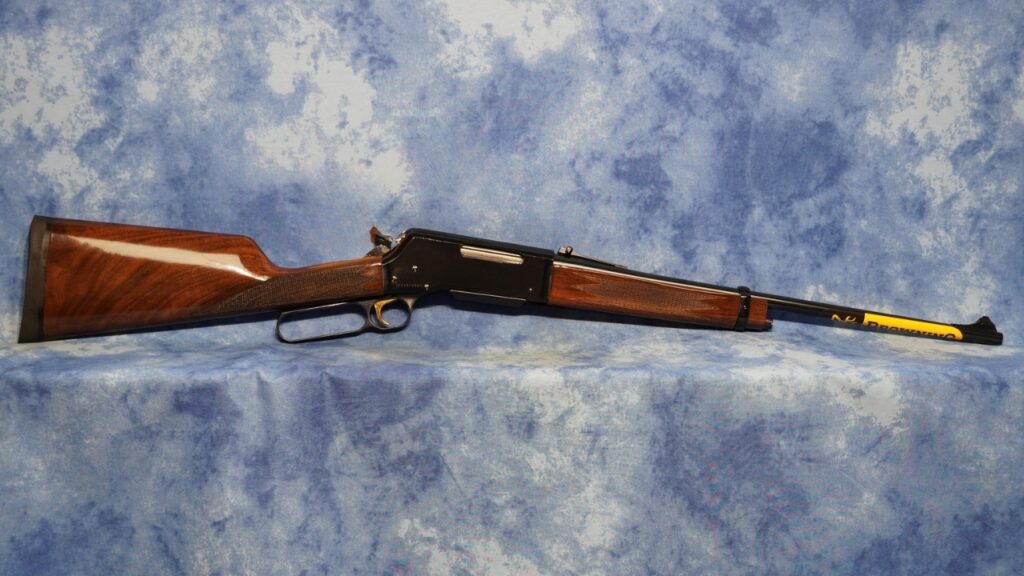
The BLR isn’t your typical lever gun—it uses a rack-and-pinion system. That alone makes the action feel more mechanical and less fluid when you’re trying to run it quickly.
While it’s accurate and great for hunting, the trigger reset and bolt movement feel more like a bolt-action than a classic lever. It’s tough to get consistent speed without throwing off your sight picture or fighting the return. It’s functional, but not fast.
Henry Long Ranger

The Long Ranger was designed to offer more precision in a lever-action format, but that came at the cost of lever speed. The rotating bolt and box magazine change the feel of the action completely.
Instead of a slick, fast lever sweep, you get a clunky, slower motion that doesn’t lend itself well to quick follow-up shots. It’s great from a bench or slow, deliberate setups—but it’s not made for rapid-fire scenarios or chasing game that doesn’t wait around.
Chiappa 1892 Alaskan Takedown

Chiappa’s Alaskan Takedown might look ready for serious work, but the lever mechanics leave something to be desired. It’s heavy, and the action tends to bind unless it’s broken in just right.
When you’re trying to move quickly, that stickiness gets in the way. Follow-up shots feel forced, and it’s easy to short-stroke if you’re in a rush. For a takedown rifle, you expect versatility—not delays. Unfortunately, it doesn’t always keep up in real-world handling.
Mossberg 464
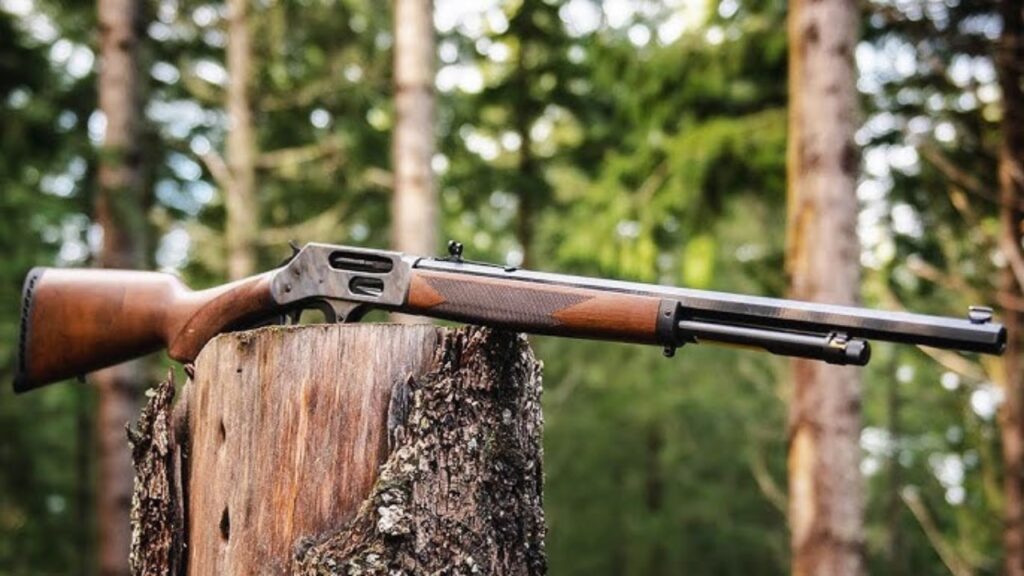
Mossberg’s attempt at a traditional lever gun didn’t win over many folks for a reason. The lever throw feels clunky, and the action tends to rattle or hang up if you don’t cycle it perfectly every time.
The 464 struggles when you’re trying to speed things up. It’ll feed, sure—but not without effort. That kind of mechanical drag doesn’t inspire confidence when you need more than one shot fast. For a gun with this profile, you’d expect more fluidity.
Winchester 9422

The 9422 is praised for its looks and accuracy, but fast cycling isn’t where it shines. The action feels stiff when you try to run it fast, and you lose time with the slower reset.
Even seasoned shooters find it slower than expected, especially in comparison to modern lever .22s that are tuned for speed. It’s a great shooter for calm, paced work—but if you’re counting on a second or third shot in a hurry, it’s going to show its limits quick.
*This article was developed with AI-powered tools and has been carefully reviewed by our editors.