
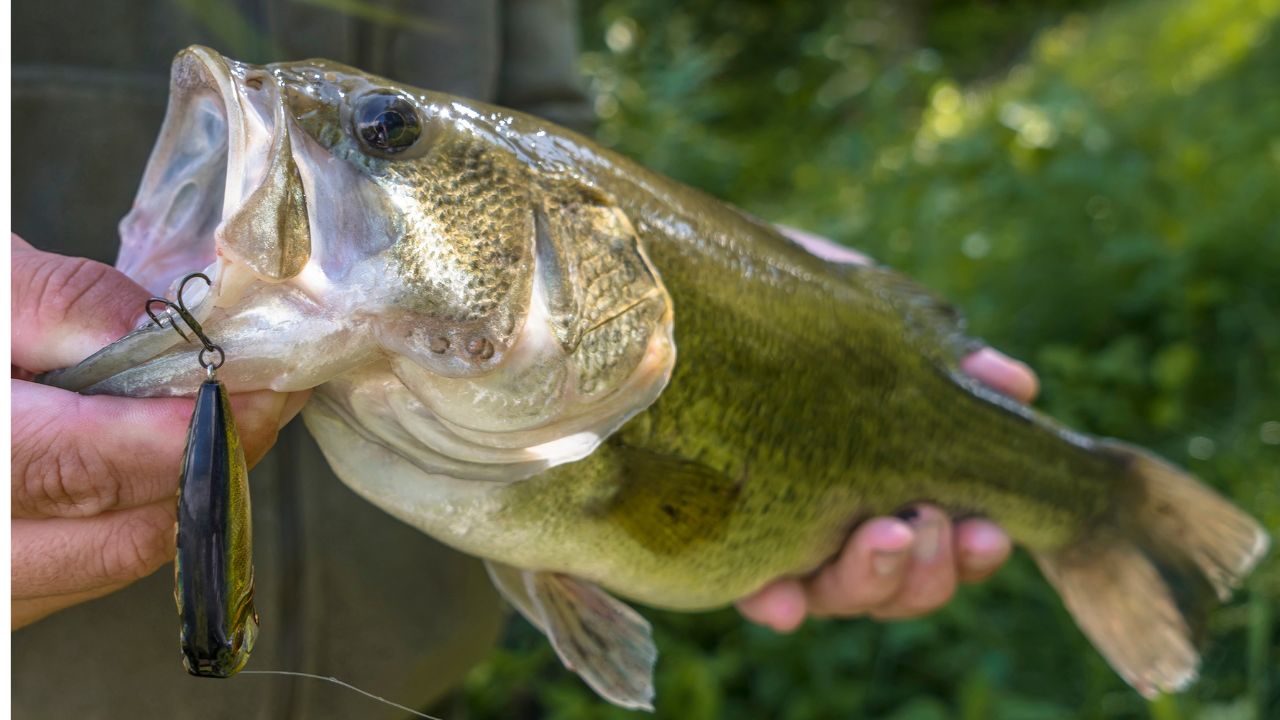
Photo credit: FedBul/Shutterstock.com
Some seasons sneak up on you. You look back at the baits you leaned on, and you realize you stayed in your comfort zone more than you meant to. Fish change with weather, forage cycles, and pressure, and the lures you rely on should shift with them. A lot of anglers repeat the same patterns year after year, even when the fish have moved on.
Expanding what you throw doesn’t mean abandoning your favorites—it means keeping tools in play that fill the gaps. These are lures worth tying on more often, especially if you want to stay ahead of the crowd this season.
Finesse swimbaits
Finesse swimbaits deserve more time on your line because they work in almost every water condition. Their subtle action matches small baitfish perfectly, especially when fish are pressured or feeding selectively. You can run them on light jigheads, underspins, or even drop-shot rigs to pick apart suspended fish. The consistent flash and vibration trigger strikes without overwhelming wary bass. When the bite feels finicky or you’re dealing with post-front conditions, a finesse swimbait gives you that controlled, natural presentation that keeps fish committed.
Lipless crankbaits
Lipless crankbaits excel far beyond fall and early spring. They’re one of the best search baits you can throw, covering water quickly until you dial in a pattern. Their tight wobble and strong vibration call fish from a distance, and the sinking design helps you work various depths. Ripping them out of grass can be especially effective, forcing reaction strikes that other baits won’t get. Even on tough days, a lipless crankbait can wake fish that seem glued to the bottom, giving you a way to trigger active and neutral fish alike.
Bladed jigs
Bladed jigs shine in stained water, windy banks, and around cover, offering thump and flash with a profile that feels natural to bass. Many anglers only use them in spring, but they’re deadly year-round when forage shifts. Slow rolling them is often enough to create consistent pressure waves that bass track easily. You can fish them through shallow vegetation, along wood, or across flats. When fish want a mix of vibration and bulk, a bladed jig covers that territory better than most moving baits, making it a lure worth revisiting throughout the season.
Jerkbaits
Jerkbaits get written off once water warms up, but they remain effective well into summer. Their darting, erratic action mimics wounded baitfish perfectly, especially around points, docks, and grass edges. Long pauses can trigger suspended fish that won’t chase faster-moving lures. Adjusting your cadence lets you match the mood of the fish, turning lazy followers into committed eaters. When visibility is high and fish rely more on sight than vibration, jerkbaits offer one of the most convincing baitfish profiles you can show them.
Swim jigs
Swim jigs should be in your rotation whenever fish relate to grass, wood, or shallow cover. They come through vegetation cleanly, allowing you to cover water without getting bogged down. Pairing them with a boot-tail trailer adds subtle thump that feels natural to pressured fish. You can burn them high in the column, slow-roll them across bottom, or swim them through mid-depth structure. When conditions call for a quieter profile than spinnerbaits or bladed jigs, a swim jig keeps you in the strike zone without overwhelming fish.
Ned rigs
The Ned rig is one of the most reliable finesse tools you can throw, especially in pressured lakes and clear rivers. Its simplicity is part of the charm—minimal action with maximum results. Fish respond to the gliding fall and subtle bottom hop, even when they ignore more aggressive presentations. You can fish it anywhere: rock, grass edges, docks, and transitions. As more anglers rely on oversized plastics, the Ned rig continues to catch bass that shy away from bulkier baits.
Topwater walking baits
Walking baits aren’t only for calm mornings. They excel anytime fish are feeding upward or keying on bait near the surface. The side-to-side motion gives predators a clear target and allows you to work large areas efficiently. Even on windy days, the commotion helps fish track the lure. Longer pauses often seal the deal, especially when fish need a moment to inspect before committing. Throwing a walking bait more often gives you access to explosive strikes that other topwaters won’t produce.
Underspins
Underspins give finesse presentations added flash without overwhelming fish. They shine around suspended bait, open water, and deep structure where subtlety matters. The blade spins at slow speeds, letting you maintain a natural look even when fishing vertically or slowly dragging through the water column. They pair well with small paddletails and fluke-style trailers. When fish won’t eat traditional swimbaits or spoons, an underspin fills that middle ground perfectly.
Squarebills
Squarebills are exceptional around shallow cover, yet many anglers only use them in warm seasons. Their deflection off wood, rock, and hard structure triggers reaction bites that more predictable lures miss. You can fish them quickly to cover water or slow them down to pick apart prime spots. Their buoyancy helps the bait rise between pauses, creating a wounded-baitfish look that bass respond to immediately. When fish hold shallow but stay tight to cover, a squarebill is one of the best ways to reach them.
Soft jerkbaits
Soft jerkbaits produce some of the most natural baitfish movements you can mimic. Their darting, unpredictable action draws fish in shallow grass, around docks, and along flats. Many anglers forget how effective they are during postspawn transitions, when fish want something subtle but still alive. They work well weightless or lightly weighted, letting you control the fall and glide. When fish are pressured or spread out, soft jerkbaits offer the perfect mix of finesse and flash.
Flutter spoons
Flutter spoons are underused tools for targeting suspended or offshore fish. Their slow, shimmering fall imitates injured bait perfectly, triggering strikes from fish that won’t chase faster-moving lures. You can fish them vertically or cast-and-fall around bait schools. They’re especially effective when bass push shad into deeper water or hold on mid-lake structure. When you need a lure that works in the middle of the water column, a flutter spoon is tough to beat.
Hair jigs
Hair jigs offer a natural, breathing action that plastics can’t replicate. They excel in colder water but continue to produce whenever fish need a subtle, non-intrusive presentation. Their profile stays tight, making them ideal for mimicking small baitfish or craws. You can hop them, swim them, or glide them along bottom breaks. When bass refuse bulkier baits or react negatively to aggressive movement, a hair jig consistently pulls bites from fish that feel uncooperative.
Like The Avid Outdoorsman’s content? Subscribe to our newsletter so you never miss an article.
Here’s more from us:


