Photo credit: Empire Outfitters
Cold weather is hard on knives in ways most folks don’t think about until they’re already fighting frozen sheaths, stiff pivots, or steels that chip when temps drop. Steel behaves differently in the cold, and so do handles, locks, and edge geometry. The knives that hold up best are the ones built from steels that don’t turn brittle, with materials that stay grippy when numb hands take over.
If winter is part of your season—whether you’re hunting, splitting kindling, or cutting cord out on a frozen ridge—you want a blade that stays dependable when everything else slows down.
Morakniv Garberg
The Garberg is a winter-friendly knife because of its steel, thickness, and handle shape. Its Scandi grind gives you plenty of bite on icy wood, which matters when you’re shaving firestarter or working through frozen kindling. The full-tang design handles lateral pressure without feeling fragile in cold conditions. The polymer handle stays neutral in freezing temps, meaning it won’t suck heat from your hand the way metal handles do. When your gloves are damp or stiff, that predictable grip and simple geometry make a big difference.
ESEE 4
The ESEE 4 shines in cold weather thanks to its tough 1095 carbon steel and thick coating that guards against moisture. While carbon steel needs attention, it’s far less prone to brittle failure in freezing conditions. The Micarta scales stay grippy when cold and wet, and they don’t stiffen or become slick like cheaper synthetics. Its short, stout blade profile gives you solid control when carving or prepping tinder. In winter conditions where fine motor skills fade quickly, that forgiving design keeps the knife manageable.
Benchmade Puukko
The Benchmade Puukko thrives in the cold because of its CPM-3V steel paired with a rubberized Santoprene handle. The steel is extremely tough, resisting chips even when you’re carving into frozen wood or bone. The Scandinavian-style profile works well with gloves and keeps cuts predictable instead of sliding or wandering. The handle texture stays stable as temperatures drop, and it doesn’t harden the way traditional plastics do. If you’re out in snow or sleet, the Puukko stays secure in your hand without forcing a tight grip.
Cold Steel SRK
The SRK handles winter toughness with its broad spine and dependable hardness range. The steel holds up well in cold temperatures without becoming brittle, and the blade’s thickness makes it reliable for batoning through frozen wood. The Kray-Ex handle is the real advantage—it stays tacky even when icy or wet, giving you traction when you’re working with numb fingers. The simple clip-point design makes it easy to control in gloves, whether you’re slicing rope or carving notches for a fire setup.
Fallkniven F1
The F1 was designed for survival in Scandinavian winters, and it shows. The laminated VG10 steel resists chipping better than most stainless options when temperatures plummet. The Thermorun handle stays warm enough to grip and offers traction even when snow builds up. The blade profile gives you a smooth, predictable cut, which is important when you’re carving into frozen material. Whether it’s prepping fire or cleaning game in the cold, the F1 remains one of the most winter-ready knives ever made.
Buck 119 Special
The Buck 119 holds up incredibly well in cold environments thanks to its heat treatment and solid handle construction. Its 420HC steel may not be flashy, but it performs reliably in freezing temps without unexpected failures. The phenolic grip doesn’t stiffen to the point of discomfort, and the guard keeps your hand from sliding when gloves get slick. The blade length gives you reach when working through frozen hide or light camp tasks. In cold-weather camps, that kind of consistency matters more than trendy features.
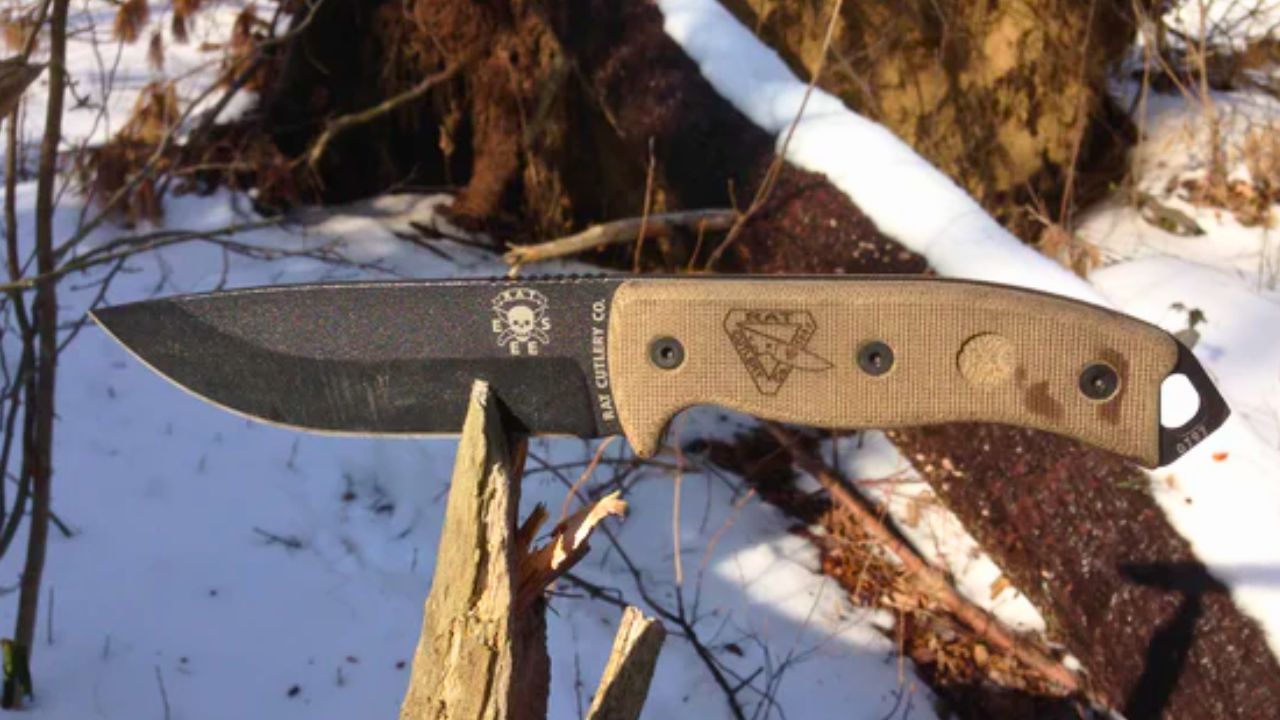
Ontario RAT 5
The RAT 5 handles harsh winter conditions with ease because of its thick blade, forgiving carbon steel, and durable Micarta scales. Micarta stays stable when temperatures drop and doesn’t become slippery when wet. The blade geometry offers strong bite into frozen wood, and the steel holds up well against chipping. When you’re clearing ice-crusted branches or working on fire prep, that toughness becomes a real asset. It’s also easy to sharpen in the field, even with cold, stiff fingers.
Ka-Bar Becker BK16
The BK16 thrives in cold environments because it uses tough 1095 Cro-Van steel paired with comfortable Grivory handles. The steel is known for staying resilient across temperature extremes, making it reliable for carving, splitting, and scraping. The Grivory scales don’t become brittle or lose texture in the cold, giving you confidence even with gloves on. The mid-size blade offers enough length to handle camp work without becoming unwieldy in stiff winter gear.
Spyderco Street Beat
The Street Beat is a compact fixed blade that stays surprisingly manageable in winter. Its VG10 steel maintains good toughness without turning brittle, and the contoured Micarta handle maintains grip even in wet or icy conditions. The ergonomics allow quick, controlled cuts when you’re wearing gloves, which is rare in smaller knives. Whether you’re cutting cord, feathering kindling, or doing fine camp tasks, the Street Beat stays consistent even when temperatures plunge.
Helle Temagami
The Temagami was built for cold-weather tasks, especially those common in northern forests. Its triple-laminated steel offers strong resistance to chipping in freezing conditions while still taking a sharp edge easily. The curly birch handle stays comfortable even in low temperatures, and the shape locks into your palm securely. When you’re carving into frosted wood or processing tinder, that dependable geometry gives you confidence without needing a white-knuckle grip.
Tops BOB Fieldcraft
The BOB Fieldcraft is built for survival work where cold weather amplifies mistakes. The 1095 steel stays tough through freezing temperatures, and the blade thickness handles scraping, carving, and light batoning without complaint. The handle scales keep traction even when wet or covered in snow. With its strong point and controlled belly, the blade gives you leverage in winter camp tasks that require slow, steady pressure rather than speed.
Buck 113 Ranger Skinner
The Buck 113 is a compact tool that performs well in cold conditions because of its controlled blade shape and well-treated 420HC steel. The drop point handles frozen hide and meat without slipping or digging unexpectedly. Its handle design remains comfortable with gloves, preventing hotspots during longer tasks. It’s a knife that stays reliable for field dressing and camp chores when temperatures sink and dexterity starts to fade.
Like The Avid Outdoorsman’s content? Subscribe to our newsletter so you never miss an article.
Here’s more from us: