
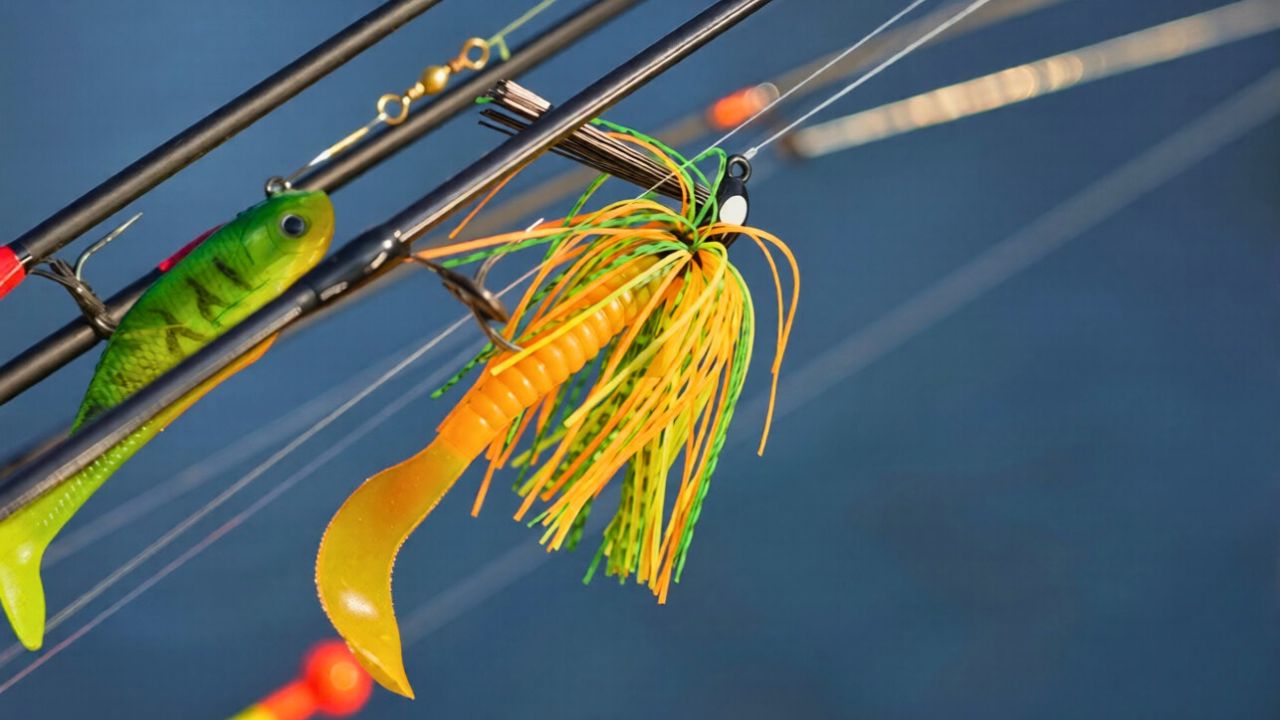
Photo credit: Golden Shrimp/Shutterstock.com
A jig will catch bass when nothing else works, but it’s also one of the easiest baits to “sort of” fish and never know why you’re not getting bit. The habit that makes bass drop a jig fast is working it too much—too many hops, too much shaking, too much “doing.” A jig is supposed to look like something living on the bottom. Most of the time, that’s a crawdad. Craws don’t pogo-stick. They scoot, pause, and make small movements. When you hop a jig like you’re trying to make it dance, you’re turning a natural meal into something that looks wrong.
On slow days, the best jig bites are subtle. Bass will pick it up, move it an inch, and spit it if it doesn’t feel right. If you’re constantly moving the bait, you never give them a clean chance to inhale it. And you also create slack that hides the bite. A lot of guys think they’re “not getting bit” when they are—they’re just yanking the jig away during that first little pickup.
The fix is to slow down and simplify. Make the cast, let it hit bottom, then do small drags and pauses. I’ll move it six inches, stop, then move it again. Sometimes I’ll just shake the slack slightly and let the skirt pulse without the jig actually jumping. You want it to look alive without looking frantic. And keep contact. Not tight like a guitar string, but enough that you can feel “weight” that wasn’t there a second ago. A jig bite is often just heaviness.
Another thing that makes fish drop it is a bad trailer match. If your trailer is too stiff or too big for the water temperature and forage, fish will mouth it and let go. In cold water, I want a smaller, more subtle trailer. In warm water, you can get away with more action. You don’t need a “perfect” trailer, but you do need one that doesn’t fight the jig. The jig should fall clean and land like it belongs. If it helicopters or looks bulky and awkward, fish will test it and spit.
Hooksets are part of this too. With a jig, you don’t need to swing the moment you feel a tick. If you feel something, drop your rod slightly, reel until you feel weight, then set hard and clean. If you swing on slack or on a “maybe,” you’ll pull it out of their mouth and convince yourself jigs don’t work. When a bass eats a jig for real, it feels like the bottom moved.
If you’re losing jig fish or not feeling bites, it’s probably not your rod or reel. It’s cadence. Slow it down. Drag more, hop less. Pause longer. Keep contact. And give fish time to commit. Do that and you’ll start feeling those jig bites that used to “never happen” for you.
Like The Avid Outdoorsman’s content? Subscribe to our newsletter so you never miss an article.
Here’s more from us:


