Photo credit: Piotr Wytrazek/Shutterstock.com
Magnums get all the attention because of their raw speed and big energy numbers, but once you stretch the distance, things change. Past 200 yards, many mid-size calibers start to show their advantages—flatter trajectories, better ballistic coefficients, and less recoil that helps you stay steady behind the rifle. The truth is, a lot of magnums burn powder for show, while mid-size rounds quietly outperform them where it matters: consistent accuracy and downrange effectiveness. If you’re the kind of hunter or shooter who spends more time behind a rifle than talking about it, you know that mid-size calibers can be smarter choices beyond 200 yards. Here are the ones that prove you don’t need a magnum stamp to get magnum-level performance.
6.5 Creedmoor
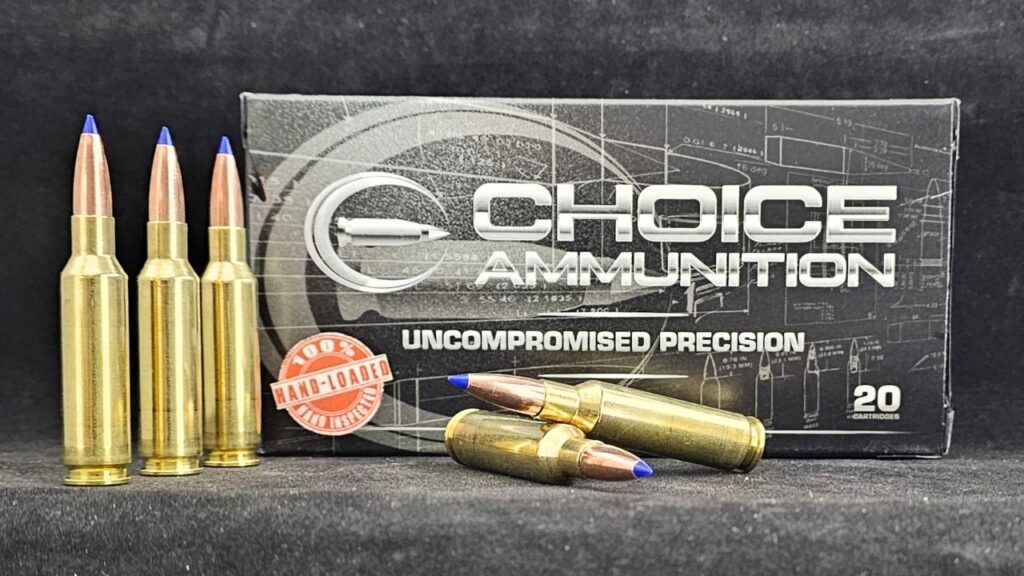
The 6.5 Creedmoor has become a benchmark for long-range performance, and it’s easy to see why. With sleek, high-BC bullets, it holds velocity and energy incredibly well past 200 yards. That translates into flatter shooting and less wind drift compared to many magnums that waste energy early on.
Recoil is mild, which means you can stay on target and make corrections more easily. That alone gives it an edge over magnums that punish shooters after a few shots. It’s not that Creedmoor is faster at the muzzle—it’s that it stays consistent downrange. At 300 or 400 yards, it often hits harder and with more precision than bigger cartridges that look better on paper at close range. Hunters and target shooters have proven it countless times: if you want results past 200 yards, Creedmoor earns its reputation. It may not roar like a magnum, but it outperforms where it counts.
.308 Winchester
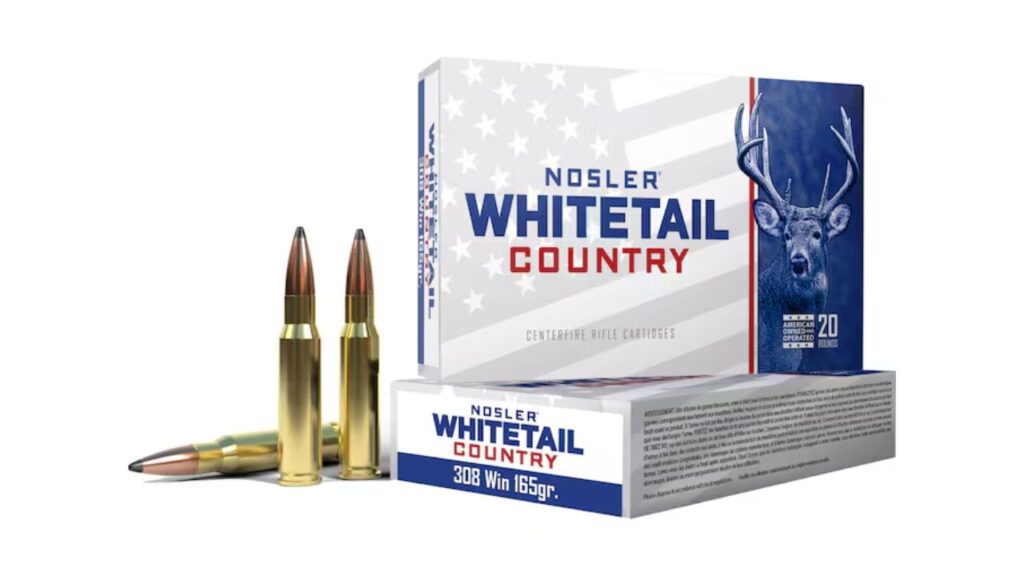
The .308 Winchester isn’t flashy, but it’s earned decades of respect because it works. Past 200 yards, it outshines many magnums by maintaining accuracy and predictable ballistics. Its bullet options are extensive, and with modern loads, it can carry enough energy well past typical hunting distances.
Magnums tend to kick hard and make shooters flinch, which ruins accuracy. The .308 keeps recoil manageable, letting you shoot tighter groups at distance. It also doesn’t beat up your barrel the way overbore magnums do, which means you’ll keep accuracy longer. While it doesn’t reach magnum muzzle velocities, it doesn’t need to. The efficiency of the cartridge paired with good bullet design makes it reliable and effective. Hunters know that .308 drops game cleanly at extended ranges without fuss. It’s not about being loud or overpowered—it’s about steady performance that you can count on beyond 200 yards. That’s why it continues to embarrass magnums in real-world use.
7mm-08 Remington
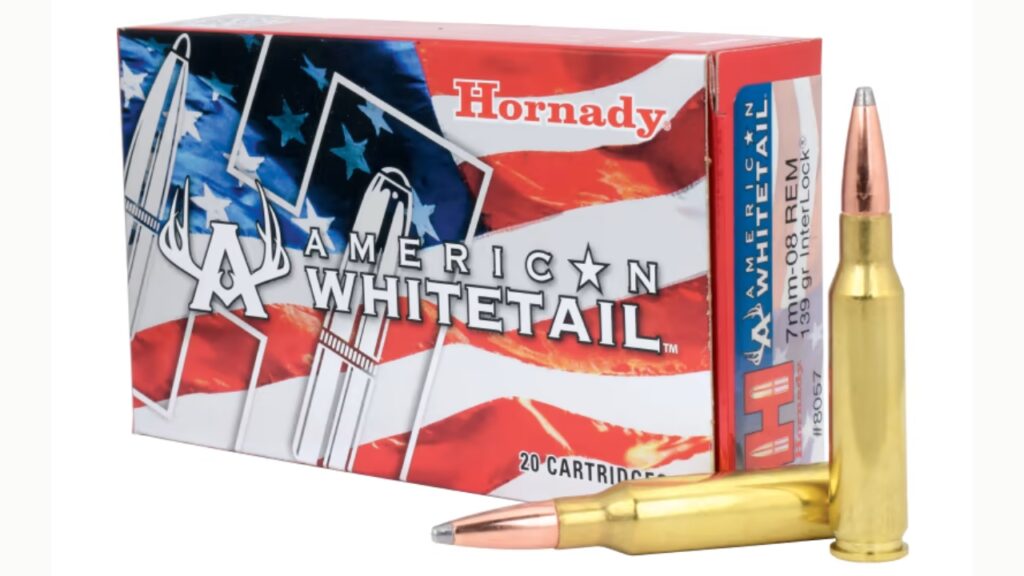
The 7mm-08 Remington is one of those calibers that surprises shooters who underestimate it. Built off the .308 case, it pushes 7mm bullets that have naturally high ballistic coefficients. That means flatter trajectories, less wind drift, and excellent performance once you step past 200 yards.
Magnums can throw heavier bullets faster, but they also create punishing recoil and inconsistent results unless perfectly tuned. The 7mm-08 balances speed, accuracy, and shootability. You’ll notice how easy it is to stay on target, even when shooting from less stable field positions. For hunters, that translates to more confidence when taking longer shots. Deer, elk, and similar game fall quickly when hit with a well-placed 7mm-08 round, and you’re not fighting recoil to deliver it. Many who compare it side-by-side with larger cartridges end up realizing the 7mm-08 carries itself better in the field. It’s the classic example of how efficiency beats excess powder at longer ranges.
6mm Creedmoor

The 6mm Creedmoor has gained a strong following in the precision rifle world, and for good reason. Its high-BC 6mm bullets carry speed and energy exceptionally well past 200 yards, often outperforming magnums with less wind drift and flatter arcs. It’s proof that velocity alone isn’t what matters—it’s how long the bullet holds onto it.
Recoil is minimal, which makes spotting impacts far easier than with hard-kicking magnums. That means faster follow-up shots and more consistent performance in matches or in the field. Hunters also appreciate how effective it is on deer-sized game at extended distances, provided bullet selection matches the job. While it might not match the raw power of larger cartridges, its efficiency makes it more reliable past 200 yards. Many shooters who once swore by magnums have switched after seeing how consistent 6mm Creedmoor is downrange. It’s a round built for real-world performance, not marketing numbers.
.280 Ackley Improved
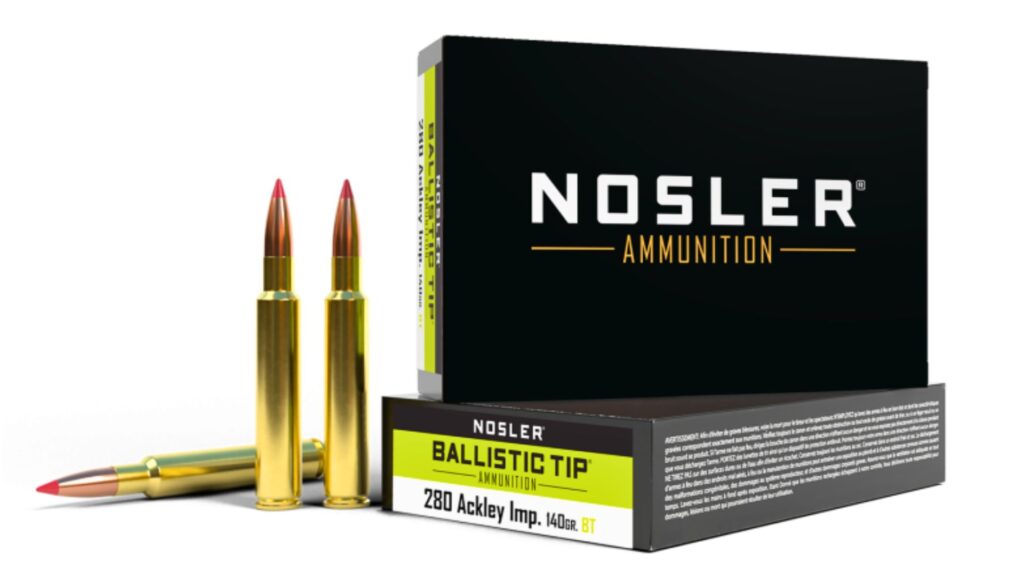
The .280 Ackley Improved has become a favorite among long-range hunters for its balance of power and efficiency. Firing 7mm bullets with excellent BCs, it stays flat and resists wind drift far better than many magnums once you’re out past 200 yards. The improved case design gives it speed without burning barrels or punishing the shooter.
Compared to cartridges like .270 Winchester or even .30-06, it carries energy better at distance, making it more versatile across big-game applications. Hunters notice it’s easier to shoot accurately than many of the magnums it competes with, while still offering plenty of authority on target. The Ackley’s reputation isn’t hype—it comes from practical performance proven in the field. If you want a mid-size cartridge that hangs with and often beats magnums downrange, the .280 AI is one of the best. It’s the definition of smart ballistic design working in your favor.
6.5 PRC
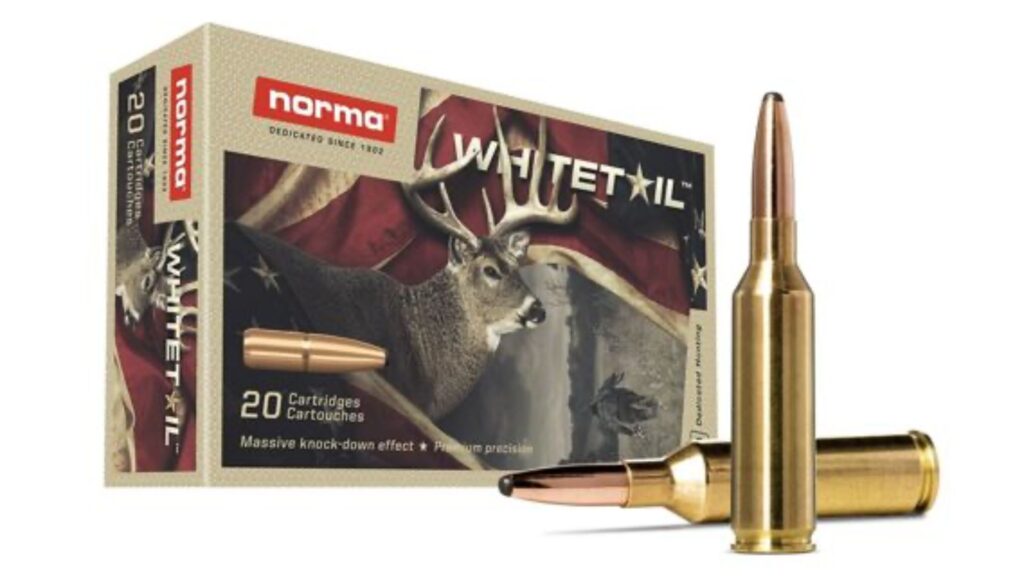
The 6.5 PRC takes everything shooters love about the Creedmoor and adds more horsepower, but it still sits comfortably in the mid-size category. With its efficient case and high-BC bullets, it holds onto velocity and energy far past 200 yards, leaving many magnums in the dust when wind becomes a factor.
What sets it apart is that you don’t need a magnum action or punishing recoil to achieve long-range performance. It’s flat, accurate, and stable without beating you up after a handful of shots. Hunters use it confidently on elk and mule deer where shots stretch across canyons. Precision shooters rely on its predictable downrange ballistics for hitting steel well past 1,000 yards. Unlike many magnums, it doesn’t waste energy or powder for diminishing returns. The 6.5 PRC proves that smart design with the right bullet profile can outperform cartridges with bigger cases and louder reputations.
7mm PRC
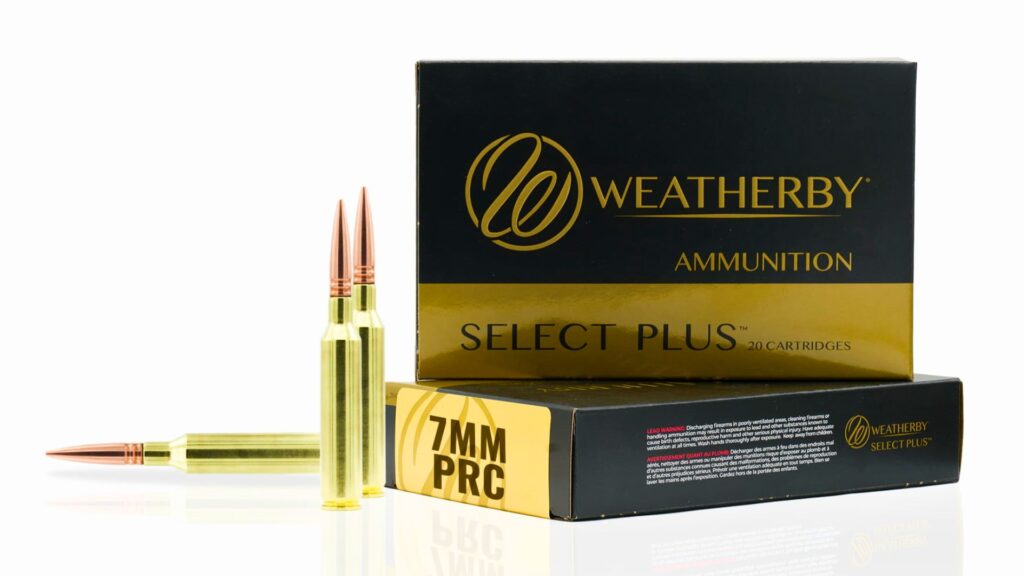
The 7mm PRC is a newer arrival, but it’s already proven to be a contender against magnums. It uses modern case geometry and long, heavy-for-caliber bullets that carry exceptional BCs. That means once you’re out past 200 yards, it shoots flatter and bucks wind better than many traditional magnums that rely on raw velocity.
Shooters notice that while it does have some recoil, it’s more manageable than cartridges like the .300 Win Mag. That makes it easier to shoot accurately for longer strings. For hunters, it’s a do-it-all round that delivers consistent energy without punishing the shooter. The PRC line was designed with modern shooting realities in mind, and the 7mm shows that you don’t need to lean on outdated magnums to perform at distance. If you want a cartridge that proves itself in real-world long-range scenarios, the 7mm PRC is one that will keep outperforming expectations.
.270 Winchester

The .270 Winchester has been around for nearly a century, and it still embarrasses magnums when distance shooting comes into play. Its flat trajectory and mild recoil make it one of the easiest calibers to shoot well past 200 yards. With modern bullet designs, it’s even more effective, delivering consistent accuracy and energy retention.
Magnums may edge it out at the muzzle, but at distance, the .270 hangs in without trouble. Hunters have relied on it for everything from whitetail to elk, proving time and again that it performs where it matters. The cartridge’s balance of speed and efficiency allows it to outshoot many bigger rounds in real-world field conditions. It’s accurate, reliable, and comfortable enough that shooters can put in the practice needed for long shots. That’s something you can’t always say for magnums that leave you bruised after a few rounds. The .270 remains a mid-size classic that outpaces expectations.
.243 Winchester
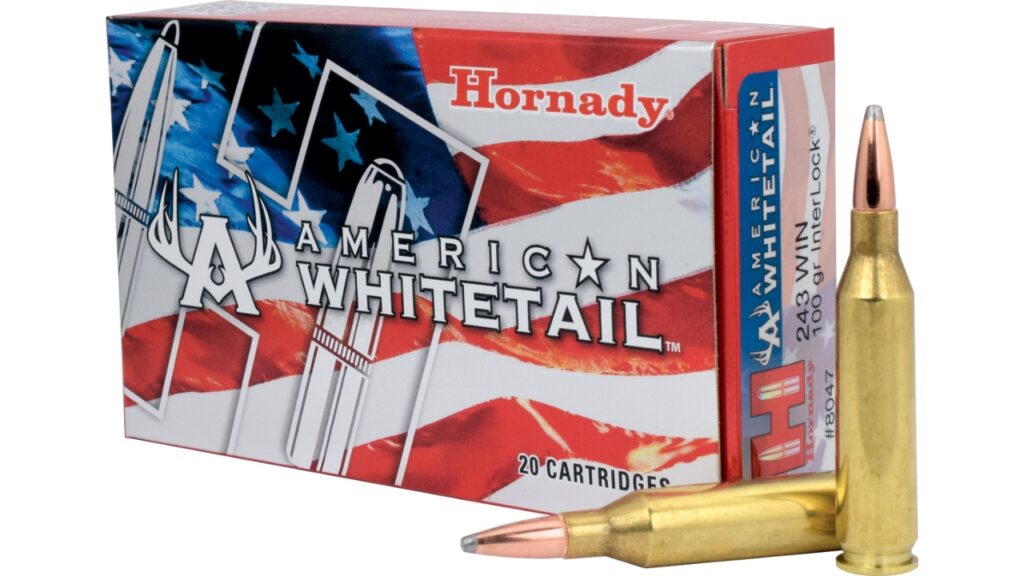
The .243 Winchester often gets labeled as a youth or varmint caliber, but anyone who’s shot it past 200 yards knows better. With high-velocity, light-recoiling performance, it stays flat and consistent at longer ranges. Magnums may look more powerful on paper, but the .243’s efficiency allows it to shoot straighter and more predictably in real-world conditions.
It’s especially effective on deer-sized game at distance, provided bullet choice is appropriate. The light recoil means hunters of all experience levels can stay accurate when it counts, which is more important than raw power. While it doesn’t carry magnum energy, it carries enough—and it puts it exactly where you want it. That’s why seasoned hunters still laugh when people dismiss the .243. In practice, it makes expensive magnums look unnecessary beyond 200 yards. It proves that accuracy and consistency will always matter more than sheer muzzle energy.
6.8 Western
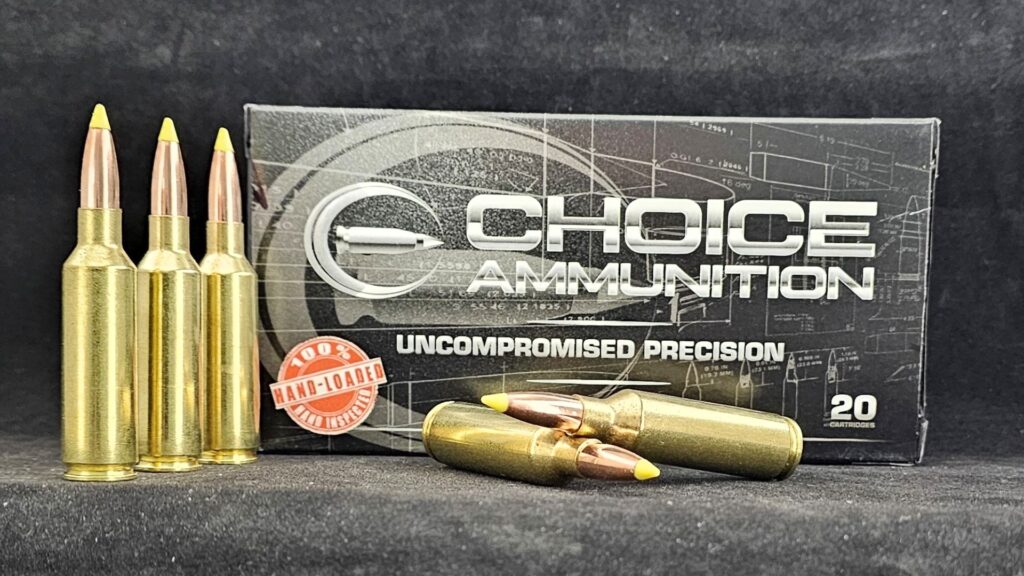
The 6.8 Western was designed with long-range hunting in mind, and it delivers. Using heavy, high-BC bullets in a short-action format, it maintains excellent velocity and resists wind drift far past 200 yards. It’s essentially a modern take on what hunters have wanted—a mid-size round that performs like a magnum without the drawbacks.
Shooters find it bridges the gap between .270 and 7mm cartridges, offering plenty of stopping power without punishing recoil. It shines on elk, mule deer, and other game where long-range shots are common. While magnums can struggle with overbore issues and efficiency loss, the 6.8 Western stays consistent and manageable. It’s one of the few modern cartridges that proves the point directly: you don’t need a magnum headstamp to get magnum results. Hunters who’ve switched rarely go back, because the Western makes extended-range hunting practical and enjoyable.
.260 Remington
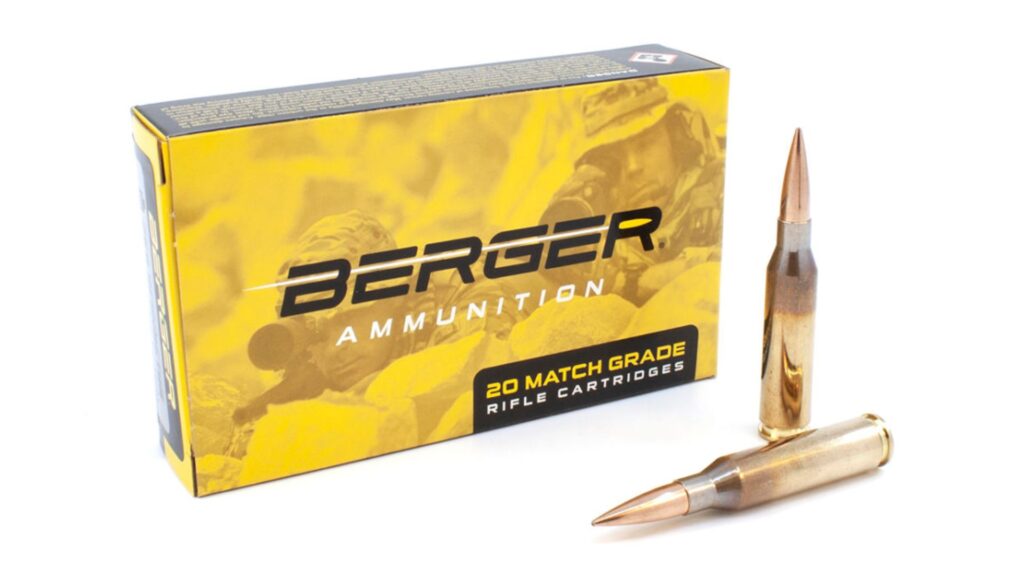
The .260 Remington has been somewhat overshadowed by the 6.5 Creedmoor, but its performance past 200 yards is undeniable. It pushes 6.5mm bullets with excellent BCs, giving it flat trajectories and strong resistance to wind drift. That makes it more effective at distance than many magnums that lose their edge once conditions get tricky.
Recoil is modest, which means accuracy improves because shooters aren’t fighting the rifle. With the right load, the .260 can outperform larger cartridges in real-world scenarios where precision matters more than raw speed. Hunters appreciate that it’s more than capable on deer and elk while staying comfortable enough for extended range time. The only thing holding it back is Creedmoor’s popularity, but performance-wise, it delivers exactly what long-range shooters need. The .260 proves the same lesson again: efficiency and smart bullet choice beat magnum overkill every time.
7×57 Mauser
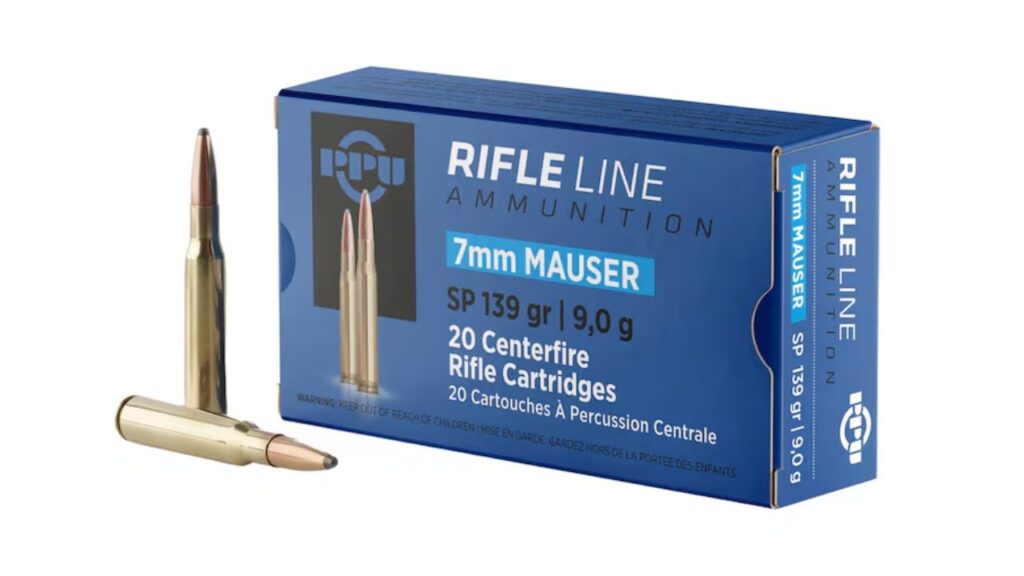
The 7×57 Mauser may be old, but it still holds its own at extended ranges. With 7mm bullets that carry high BCs, it stays flat and accurate well past 200 yards, often outperforming magnums that burn more powder but waste efficiency. Its recoil is light enough that most shooters handle it comfortably, which improves downrange accuracy.
Historically, it’s been used on everything from deer to dangerous game, proving its versatility. With modern bullets, its performance has only improved. Hunters who’ve rediscovered it are often surprised at how well it competes with newer cartridges. Magnums may offer more flash at the muzzle, but at real hunting ranges, the 7×57 is steady, reliable, and accurate. It’s proof that smart design doesn’t go out of style. When you compare results in the field, this mid-size classic continues to embarrass bigger cartridges that can’t maintain their edge past 200 yards.
*This article was developed with AI-powered tools and has been carefully reviewed by our editors.