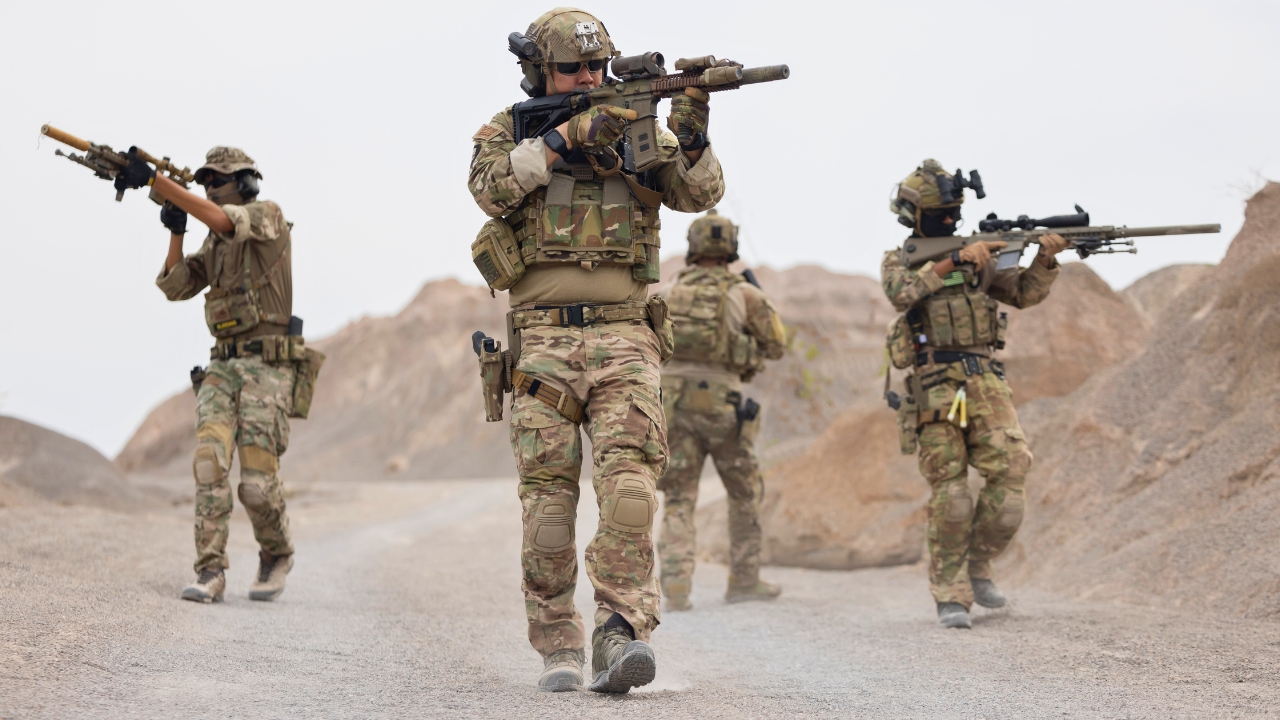
Photo credit: charnsitr/Shutterstock.com
Some rounds get picked in a boardroom. Others prove themselves in mud, sand, snow, and combat zones nobody wants to be in. These calibers weren’t handed anything—they earned their place through reliability, adaptability, and performance when it mattered most. They’ve been carried by soldiers through decades of war, constantly tested under the worst conditions imaginable. Whether they were loved or hated, these are the ones that didn’t fade away when things got rough. If a caliber’s still in use after all it’s been through, there’s probably a good reason.
7.62x51mm NATO

You don’t stick around since the 1950s without proving you’ve got staying power. The 7.62x51mm NATO showed up when full-power battle rifles were the standard, and it’s never really left. It’s been used in everything from M14s to machine guns to modern sniper platforms, and it’s known for hitting hard and holding trajectory at longer ranges.
It’s not lightweight, and the recoil’s not mild—but it’s consistent and dependable, even when accuracy has to stretch out. When 5.56 can’t get the job done, a lot of folks still reach for 7.62. That alone says plenty.
5.56x45mm NATO

The 5.56 had a rough start in Vietnam, but it’s stuck around for over half a century—and it’s still the standard for a reason. It’s lighter, faster, and easier to carry in bulk than bigger rounds, and when paired with the right platform, it’s plenty lethal within its range.
What made this caliber earn its keep was adaptation. Barrel twists, bullet design, and tactics all had to evolve around it, and they did. You’ve got troops, contractors, and civilians who’ve used it in real-world fights—and still trust it. That doesn’t happen without performance.
7.62x39mm
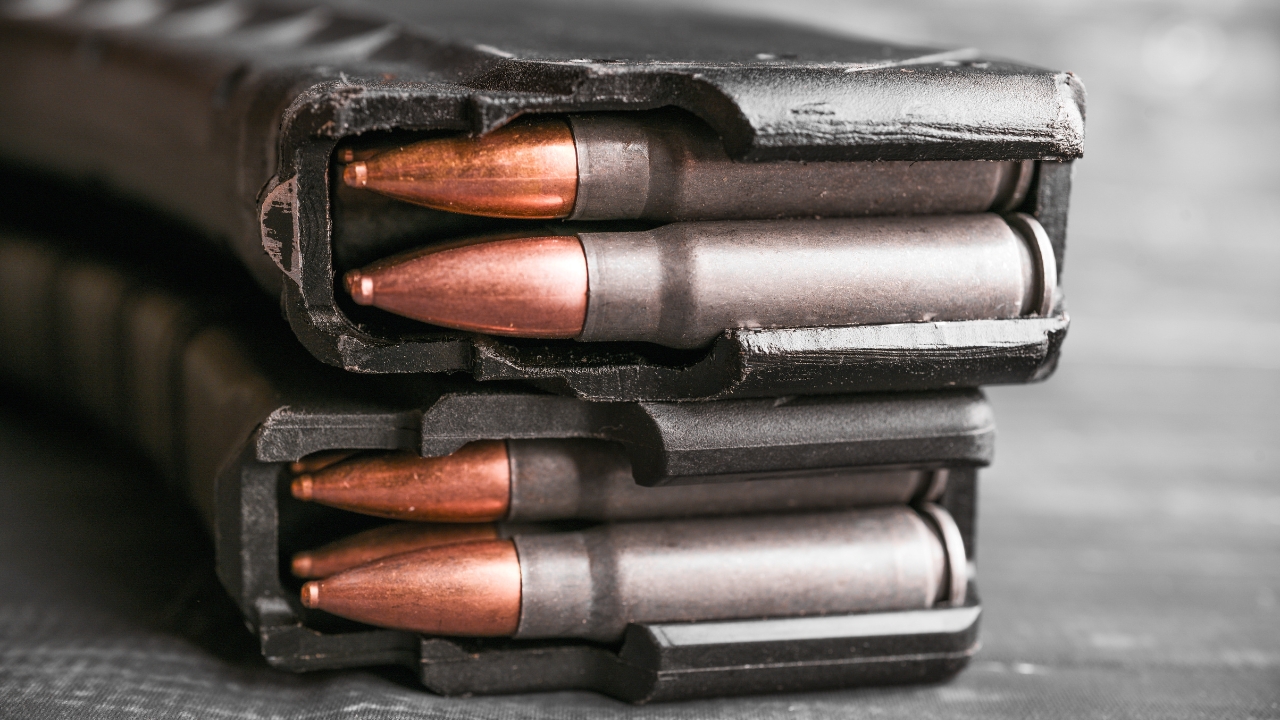
The 7.62x39mm didn’t come from NATO stockpiles, but it might be the most battle-proven intermediate cartridge on the planet. It powered the AK-47 and its variants through countless wars, revolutions, and guerrilla fights—many of which were in some of the harshest places imaginable.
It’s not flashy, and it’s not going to win any precision contests. But it punches through barriers, handles grime, and works in guns that don’t quit. You don’t have to baby it. It’s a workhorse caliber that kept fighting long after its Western counterparts needed cleaning.
.30-06 Springfield

This one saw two World Wars, Korea, and more than a few conflicts after. The .30-06 Springfield earned its place the hard way by doing everything the military asked—long-range precision, big-game hunting, machine gun fire—you name it. It was America’s go-to before 7.62 NATO showed up.
Even today, it’s still respected by hunters and marksmen who know what it can do. It kicked harder than the newer rounds, but nobody doubted its stopping power or reach. When you needed a round to perform in nearly every scenario, .30-06 delivered.
.45 ACP

The .45 ACP isn’t some new high-pressure speed demon, but it proved over and over again that slow and heavy has its place. From trench warfare in WWI to modern special operations, the round’s been trusted to stop threats up close and fast.
It earned that reputation in the hands of those who needed something that wouldn’t bounce off heavy clothing or fail when lives were on the line. Even though sidearms aren’t primary weapons, when the .45 was called on, it did what it needed to do. That’s how it stayed relevant.
9x19mm Parabellum
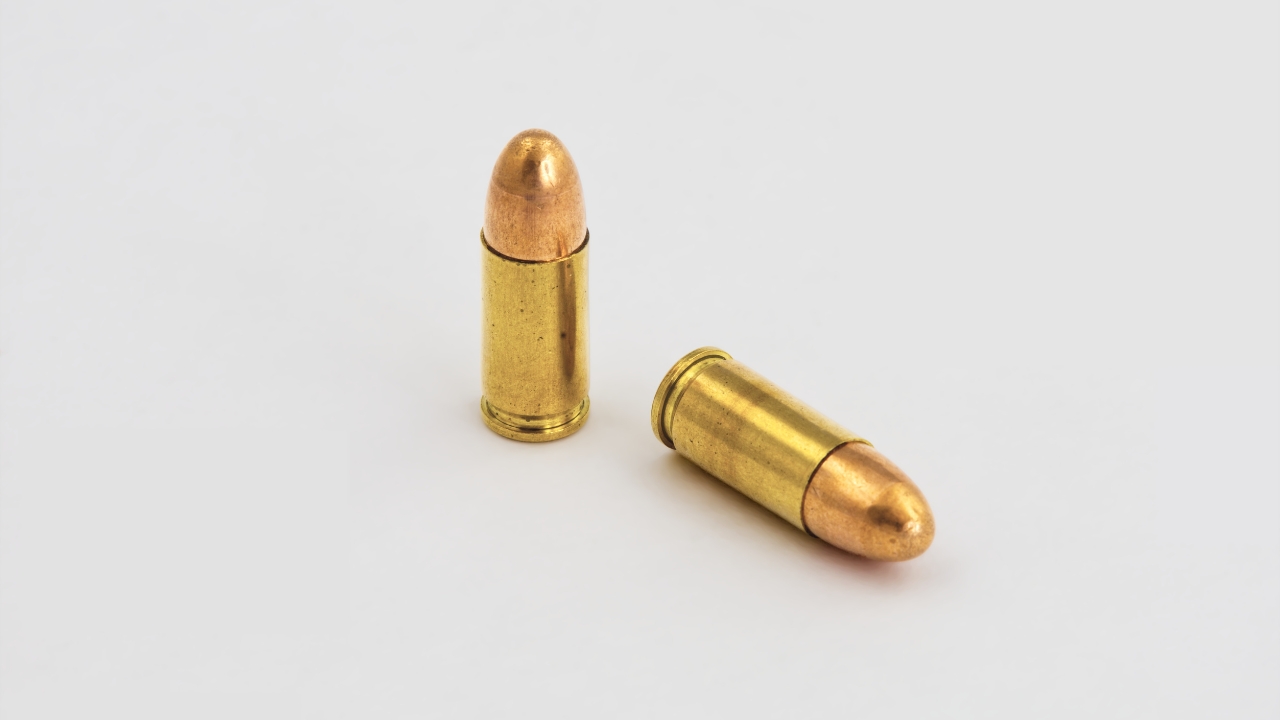
You’d be hard-pressed to find a more widely used caliber than the 9mm. It’s been adopted by militaries across the world, and not because someone said so on paper—it earned its spot through decades of refinement, performance, and real-world effectiveness.
It had to overcome doubts about stopping power, but modern bullet design and higher-capacity handguns changed the game. Today, it’s the NATO standard for a reason—it’s controllable, effective, and does what it needs to. It didn’t get there overnight, but it’s held that ground well.
.50 BMG
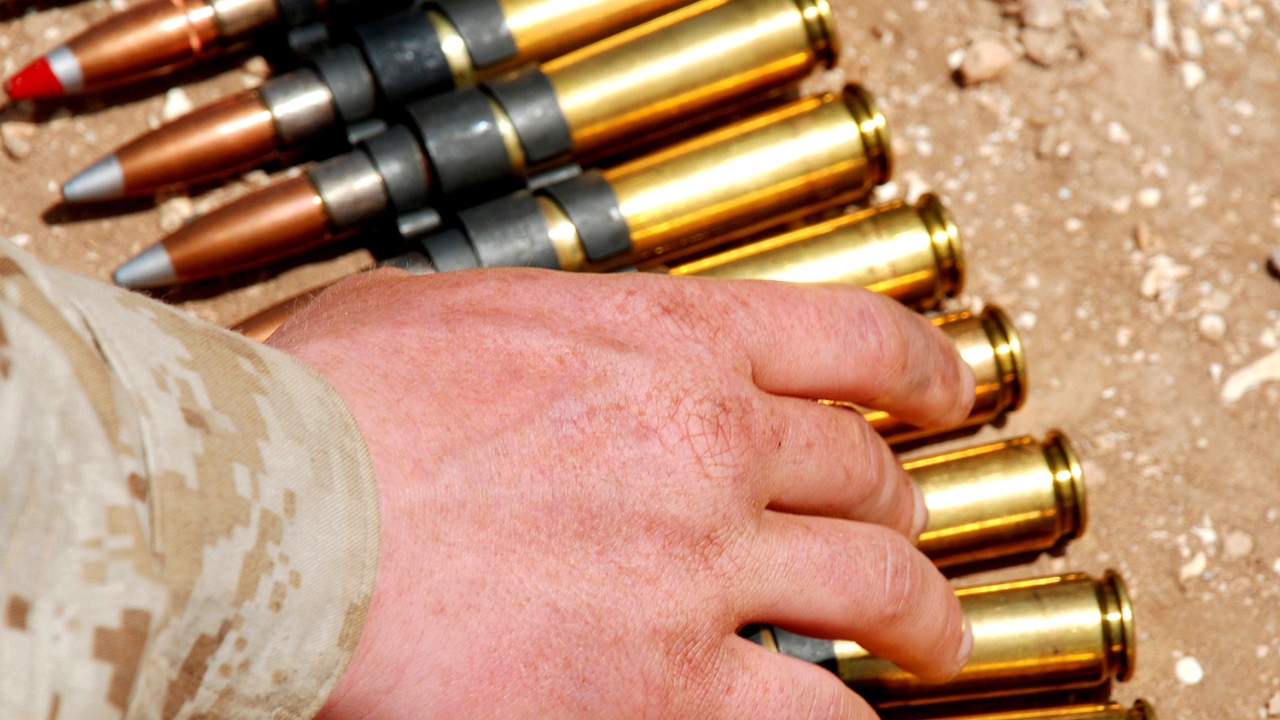
There’s nothing subtle about the .50 BMG. Originally designed for anti-aircraft roles, it’s since become a long-range and anti-materiel powerhouse. If you need to punch through armor, vehicles, or reach targets beyond what most rifles can dream of, this is the round you grab.
It’s not carried by every soldier, but when it’s used, it’s for good reason. From the M2 machine gun to modern sniper systems, the .50 has proven over and over that it’s not going anywhere. You don’t argue with a round that can tear through an engine block.
7.62x54R

This old Russian round has been in service longer than most of the countries that use it. First adopted in the 1890s, the 7.62x54R is still used today in machine guns and designated marksman rifles like the Dragunov. That kind of staying power is rare.
It’s a rimmed cartridge in a world that moved on to slicker designs—but it keeps working. It hits hard, shoots far, and has seen nearly every type of terrain and combat condition. If it didn’t perform, it wouldn’t still be in the fight over a century later.
5.45x39mm

The 5.45x39mm came into the picture when the Soviets decided they needed something lighter and faster than the 7.62×39. It made its name in Afghanistan, where troops noticed how well it stayed stable in flight and tumbled on impact, causing nasty wounds.
It was Russia’s answer to 5.56, and it held its own. Recoil’s low, accuracy’s solid, and it’s been through enough fights to prove it can keep up. You won’t find it everywhere, but where it’s used, it’s earned respect. It didn’t inherit anything—it proved itself in the field.
6.5 Creedmoor
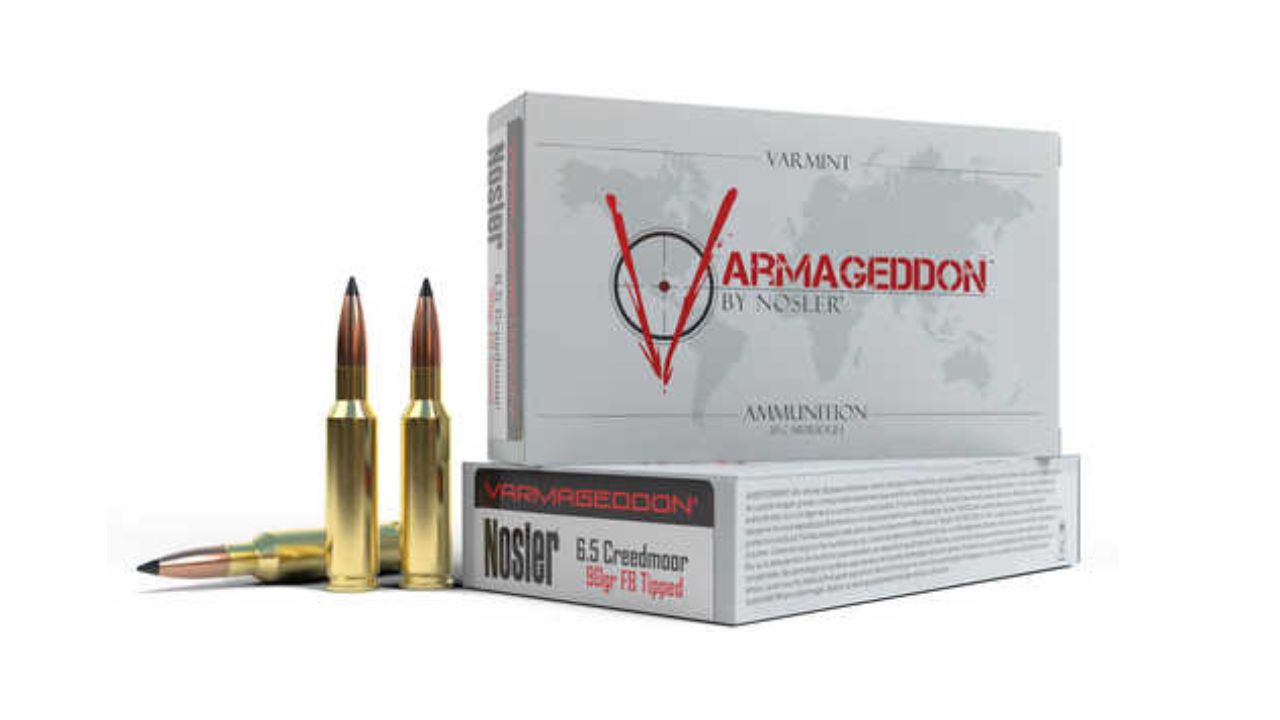
This one’s the newest on the list, but it’s already earned its place in military circles—especially among special operations marksmen. The 6.5 Creedmoor offers better ballistic performance than 7.62 NATO at long range while producing less recoil. That’s a hard combo to beat.
It didn’t get handed a spot—it had to prove it could outperform legacy rounds where it counts. In testing and real-world use, it’s shown flatter trajectories, better wind resistance, and reliable terminal performance. That’s how it’s found its way into sniper platforms today.
*This article was developed with AI-powered tools and has been carefully reviewed by our editors.