Photo credit: sootch00/YouTube
Some guns are built to sell well across a glass counter. They feel good for thirty seconds, carry a strong brand name, or sound impressive when the salesperson starts listing features. That is enough to move a lot of inventory. Then the buyer gets the gun home, starts putting real rounds through it, and the cracks start showing. The trigger feels worse at speed. The recoil gets old fast. Reliability turns picky. Parts wear sooner than expected. What looked smart in the store starts feeling a lot less convincing on the range.
That is what separates gun-store appeal from real-world staying power. A lot of these models are not complete disasters, and a few can still work in the right role. But they are also the guns people praise early, defend at first, and then quietly move along once honest use begins. These are the gun-store favorites that sound good under bright lights and get a lot less impressive once they actually have to earn their reputation.
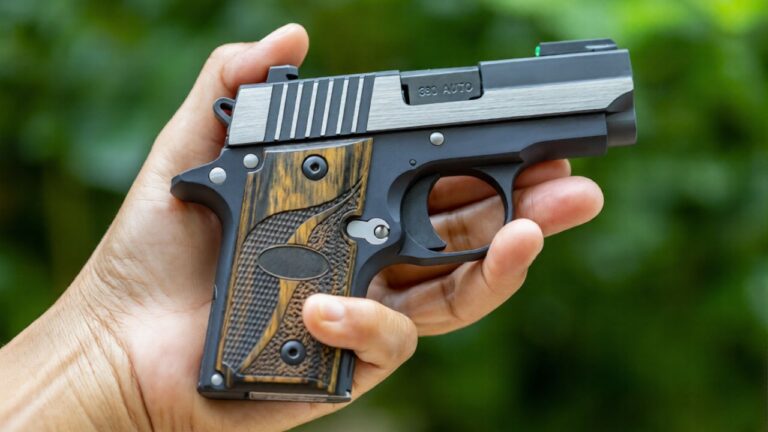
Kimber Solo

The Kimber Solo was easy to sell because it looked like the classy answer to the early micro-9 craze. It had the Kimber name, sleek styling, and just enough premium feel to make buyers think they were getting something more refined than the plain little carry guns sitting beside it. In the shop, that pitch worked very well. It felt like a small pistol for people with better taste.
Then real use started separating the idea from the experience. Once owners began shooting it regularly, a lot of them realized the platform asked for more patience and offered less confidence than the sales pitch suggested. Tiny guns already live on a narrow margin. When one starts feeling temperamental or less forgiving than expected, the range exposes it quickly. The Solo sold on image first, but image tends to run out of gas once reliability and real training become the standard.
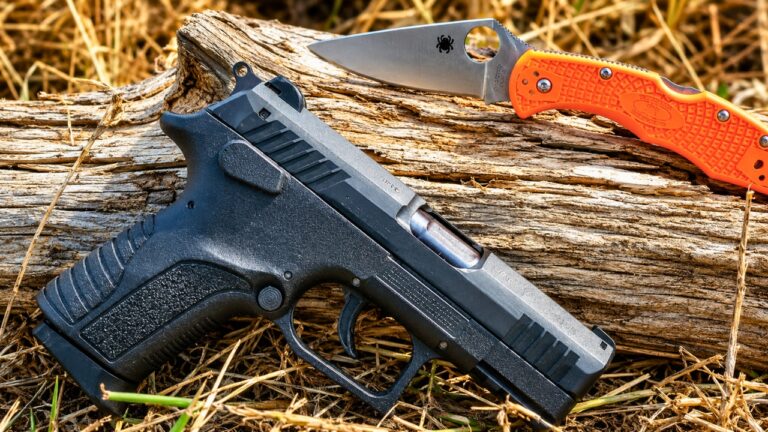
Taurus G2C

The Taurus G2C became a gun-store favorite because it checked a lot of boxes that look great on a price tag. It was affordable, compact, easy to recommend to first-time buyers, and looked like a simple way to get into concealed carry without spending much money. A lot of buyers walked out feeling like they had made the practical decision and beaten the market a little.
But low initial cost can lose its charm fast once the pistol has to hold up under real repetition. Guns in this category get judged hard once they see classes, long range sessions, or daily carry instead of occasional box-of-ammo use. That is where many buyers start noticing the difference between “good enough to sell” and “good enough to trust deeply.” The G2C won a lot of counterside arguments, but real use has a way of asking tougher questions than price alone can answer.
Remington R51
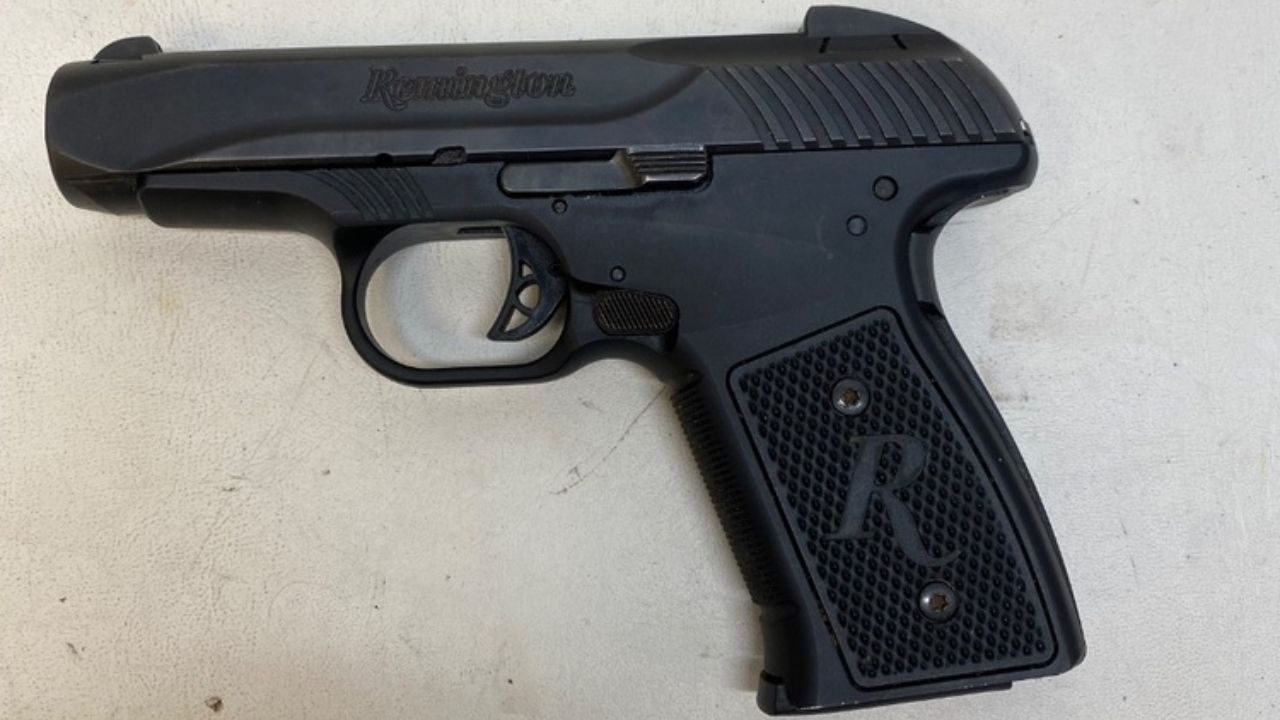
The R51 had the kind of launch appeal gun stores love. It looked different, carried a revived-name mystique, and felt like something buyers could talk themselves into as a smarter, more interesting alternative to the usual compact pistols. It had that “this might be the overlooked answer” energy that moves guns quickly when people want to believe they found something special.
That mood tends not to survive honest range time. Once a pistol stops being an idea and starts being a working handgun, all the usual problems become impossible to romanticize. Reliability concerns, confidence issues, and the simple reality that the ownership experience did not match the promise have followed this model for good reason. It sounded better than it shot for too many people, and that is exactly how a gun-store favorite becomes a range disappointment.
SCCY CPX-2
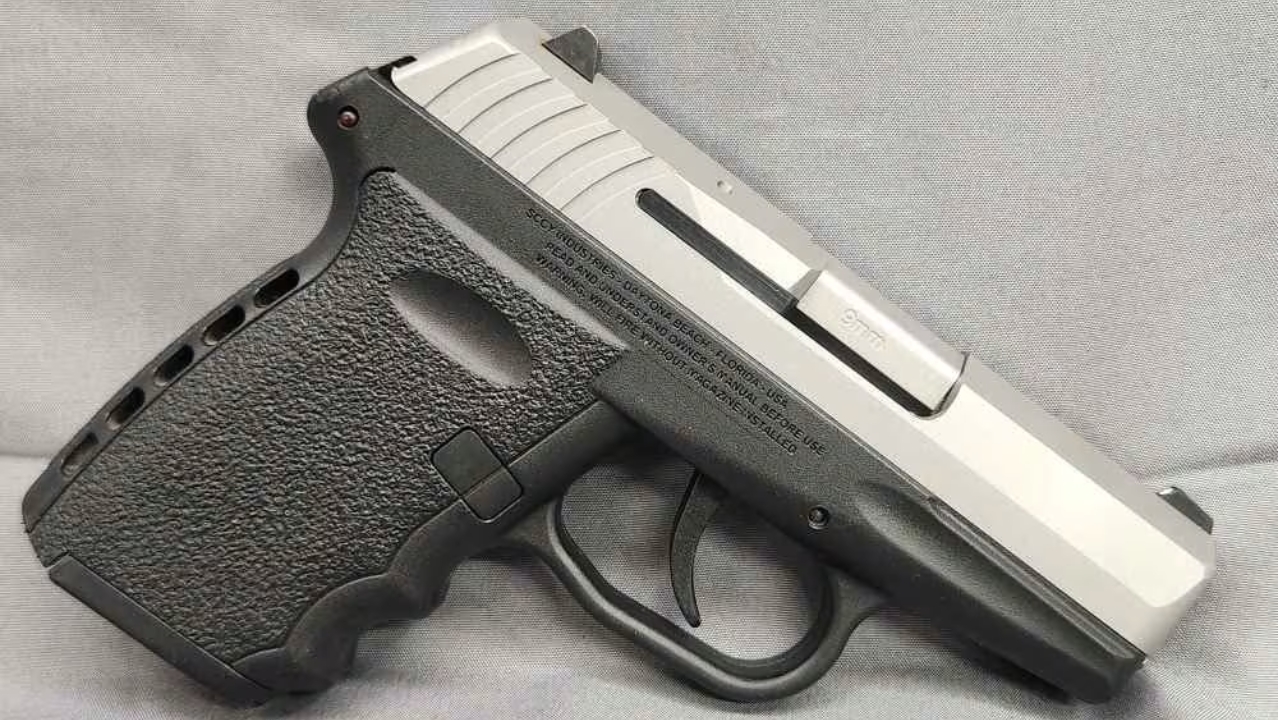
The SCCY CPX-2 did well in stores because it fit a familiar pattern: low price, defensive-minded styling, and an easy pitch for budget-conscious buyers who wanted a carry gun now instead of saving up for something stronger. It looked like the kind of gun that solved a problem cheaply, and that is often enough to get a sale.
Then owners started shooting them with real frequency, and the weaknesses became much harder to ignore. A cheap carry gun still has to be a good carry gun, and real use tends to reveal whether the corners cut were cosmetic or structural. This is the kind of model that gets talked up by people who want the purchase to have been smarter than it was, but extended use often changes the tone. Once a pistol stops being a bargain and starts being a concern, the original gun-store appeal does not mean much.
Bersa Thunder .380

The Bersa Thunder .380 has sold well for years because it feels approachable. It has familiar lines, a manageable size, and enough old-school styling to make buyers feel like they are getting a sensible, proven design without paying premium money. For someone standing at the counter looking for an easy yes, it is a very easy gun to like.
That changes once regular shooting begins. Compact .380s can hide their compromises well in the shop, but the range forces a more honest evaluation. Recoil, control, long-term durability confidence, and the simple question of how much the owner actually wants to keep training with it all start mattering. A lot of guns like this survive on first impressions and the comfort of familiarity. Real use is usually where that comfort gets tested.
Mossberg MC2c
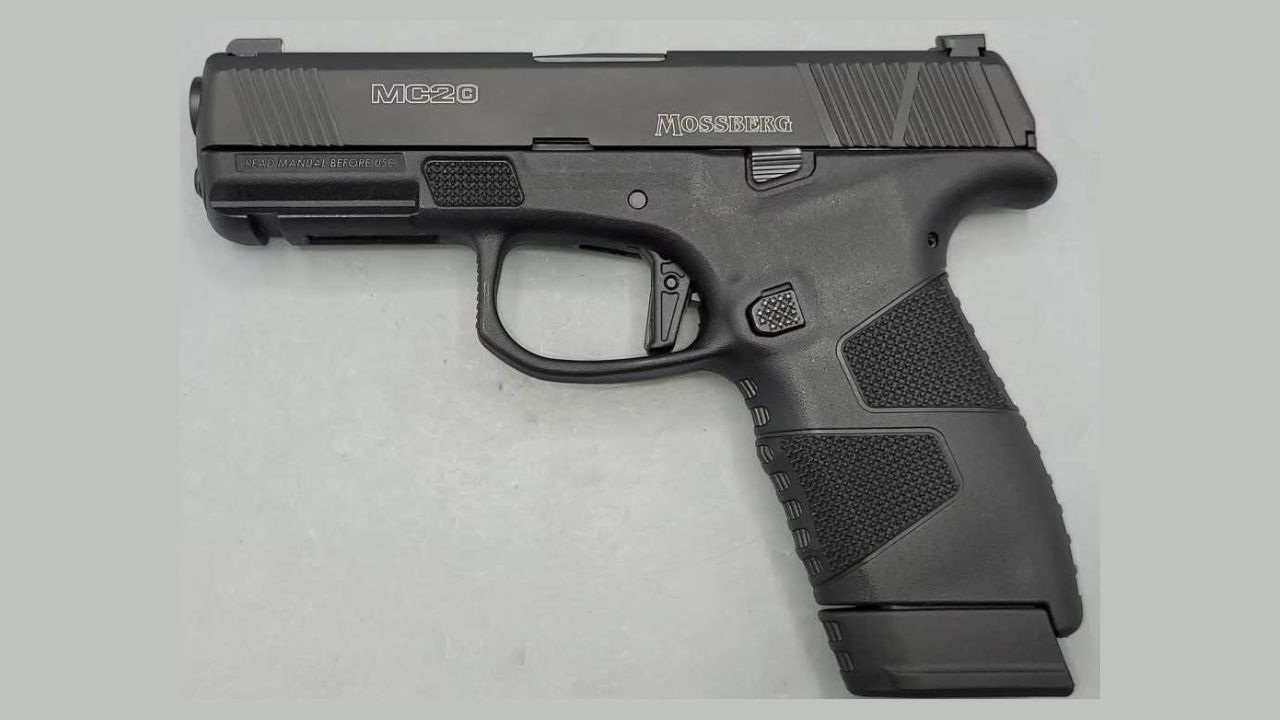
The Mossberg MC2c got attention because it entered the crowded carry market sounding like a fresh answer from a familiar long-gun brand. That alone gave it gun-store energy. Buyers liked the idea of a modern carry pistol with a recognizable name attached, especially if they were already comfortable with Mossberg in other roles.
The problem with a store-friendly concept is that it still has to prove itself the hard way afterward. In a category where shooters already have dozens of proven options, a pistol cannot rely on novelty or brand crossover once serious use begins. It has to keep pace through reliability, shootability, and confidence. Guns like this often reveal very quickly whether they were truly good buys or simply new enough to sound interesting at the right moment.
Walther CCP
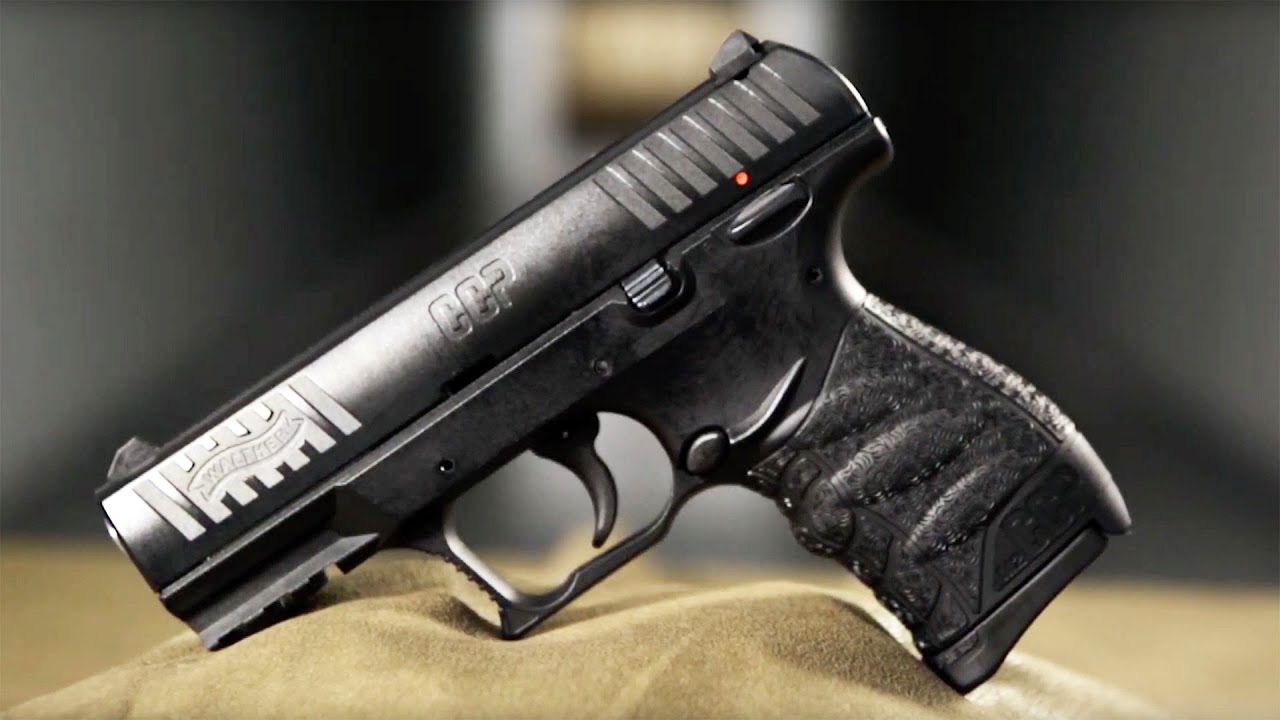
The Walther CCP had one of the cleanest retail pitches in its category. It was soft-shooting, approachable, and felt like the “smart” compact pistol for buyers who wanted something easier to handle than the sharper little carry guns around it. In the store, that sounds like a very easy win, especially for newer shooters.
But some guns are better in concept than in long-term ownership. Once the CCP had to live as a real carry gun and range gun instead of a counter conversation, the shine came off for many buyers. The pistol had to be more than comfortable in theory. It had to remain convincing under repetition, drills, and harder comparison. That is where a lot of the early confidence faded. Store appeal is one thing. Real trust is another.
Taurus Judge

The Taurus Judge has probably sold more on imagination than almost any handgun of its generation. In a gun store, the sales pitch practically writes itself. .410 shells, .45 Colt, bedside power, snake-shot versatility, truck-gun mystique, it sounds like five solutions packed into one revolver. A lot of buyers leave convinced they just bought the clever answer.
Then the actual use starts, and the practical compromises become a lot harder to ignore. Size, control, shooting comfort, and realistic role definition all get messier the more honestly the gun is used. It thrives in conversation because it invites buyers to imagine scenarios. The range is less generous. Once a gun has to perform outside the fantasy, many owners discover they bought a concept harder than they bought a truly useful handgun.
Bond Arms Derringers
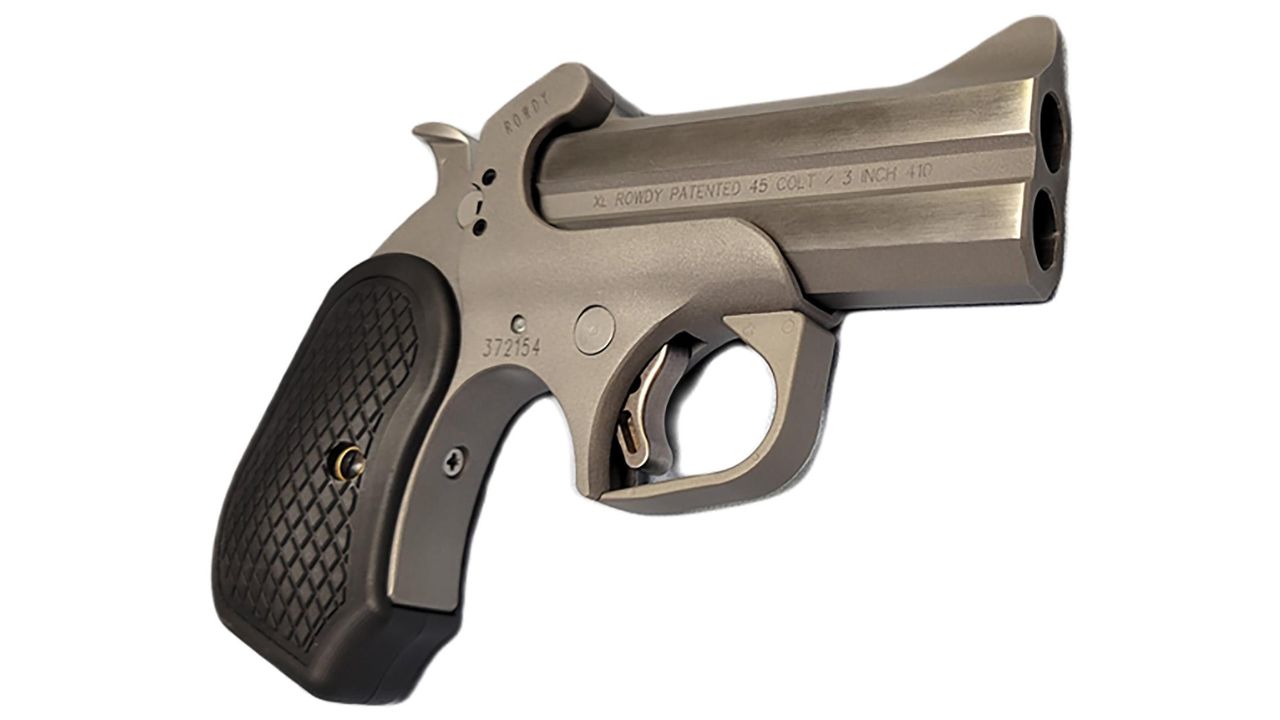
Bond Arms derringers do extremely well at the counter because they feel rugged, compact, and brutally simple. Buyers pick one up and immediately understand the appeal. It is a tiny hunk of steel with old-school toughness and pocket-gun charm. That kind of gun sells itself to people who like the idea of minimalism with attitude.
Then somebody starts trying to train with it like a real defensive tool. That is usually when the fantasy starts slipping. Capacity, speed, recoil management, and actual practical control all matter a lot more once the owner is shooting instead of admiring. Derringers can absolutely have niche appeal, but they also expose the difference between a gun that feels cool to own and a gun that still makes sense when the drills begin.
KelTec PMR-30

The PMR-30 was almost built to win over a gun-store crowd. Thirty rounds of .22 Magnum in a lightweight, futuristic-looking pistol sounds fun before the first magazine is ever loaded. Buyers like unusual concepts, and this one gave them novelty, capacity, and a strong sense that they were buying something more interesting than ordinary handguns.
That novelty is doing a lot of the selling. Once real use begins, novelty stops carrying the load and actual performance has to step in. That is a much tougher environment. A gun can be a blast to show friends and still fail to build long-term trust once it starts being shot seriously. The PMR-30 is one of those models that sounds extremely persuasive in the store and often much less persuasive after enough real range time.
Rock Island Armory GI 1911

The basic Rock Island GI-style 1911 has always had strong retail appeal because it lets buyers feel like they got into the 1911 world cheaply. It has the shape, the controls, the old-school aura, and the emotional pull of the platform without the painful price of more polished examples. At the counter, that sounds like an easy win for somebody who wants a “real” 1911 without spending serious money.
But entry-level 1911 ownership has a way of becoming educational fast. The more the owner shoots, the more the pistol has to justify itself beyond simply being affordable and familiar. A 1911 can be a wonderful lifetime platform, but lower-end examples often expose how expensive it can be to buy the wrong version of a beloved idea. These guns sell on access. Real use sometimes reminds the buyer why better 1911s cost more.
Kahr CW9

The Kahr CW9 appealed to gun-store buyers because it was slim, simple, and easy to frame as the practical concealed-carry answer for somebody who did not want bulk. It was one of those pistols that looked like maturity in a display case. Not flashy, not overpriced, just a thin little 9mm that felt like a sensible choice.
Then sustained use brought the harder questions. Very compact pistols have no room for empty promises. They either hold up as real training guns or they start becoming excuses. Buyers who thought they had chosen the quiet, smart solution sometimes found that range use made the tradeoffs feel a lot less elegant. A store favorite often survives on “this makes sense.” Real use asks, “Does it still?”
Springfield XD-S

The XD-S had a very strong moment in gun stores because it landed right where buyers were looking: slim, serious, and easy to market as a carry pistol with enough authority to feel like more than a pocket gun. That combination made it a very clean recommendation for a lot of sales floors.
The trouble is that the category itself exposes guns quickly. Slim carry pistols sound ideal in the abstract, but they have to survive recoil, long practice sessions, and honest day-to-day use. The XD-S was one of those guns many buyers liked immediately and then started feeling much less enthusiastic about once the novelty of carrying something thin gave way to the reality of shooting it often. It sold well because it fit the moment. That does not always translate into long-term affection.
Chiappa Rhino
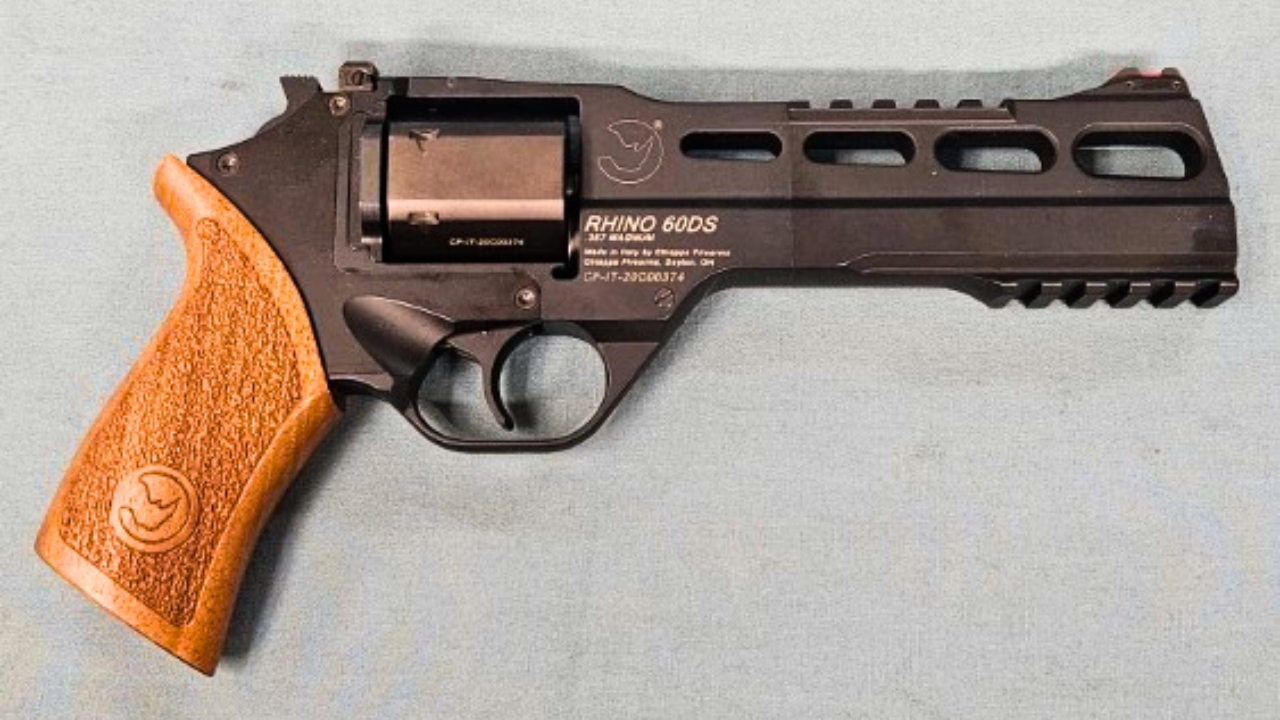
The Chiappa Rhino wins a lot of counter conversations because it looks like innovation. The low bore axis, the unusual lines, and the whole “rethinking the revolver” pitch are incredibly effective in a store. Buyers feel like they are choosing something more advanced than the old way, and that kind of emotional payoff moves guns.
But unusual design has to become real-world benefit if it wants to survive long-term ownership. Once the owner starts putting in meaningful range time, the attention shifts from concept to execution. Does it handle naturally? Does it train naturally? Does the novelty keep paying off after the first few trips? This is where some store favorites start wobbling. The Rhino attracts buyers with difference. The range is where difference has to earn its keep.
Kimber Ultra Carry II

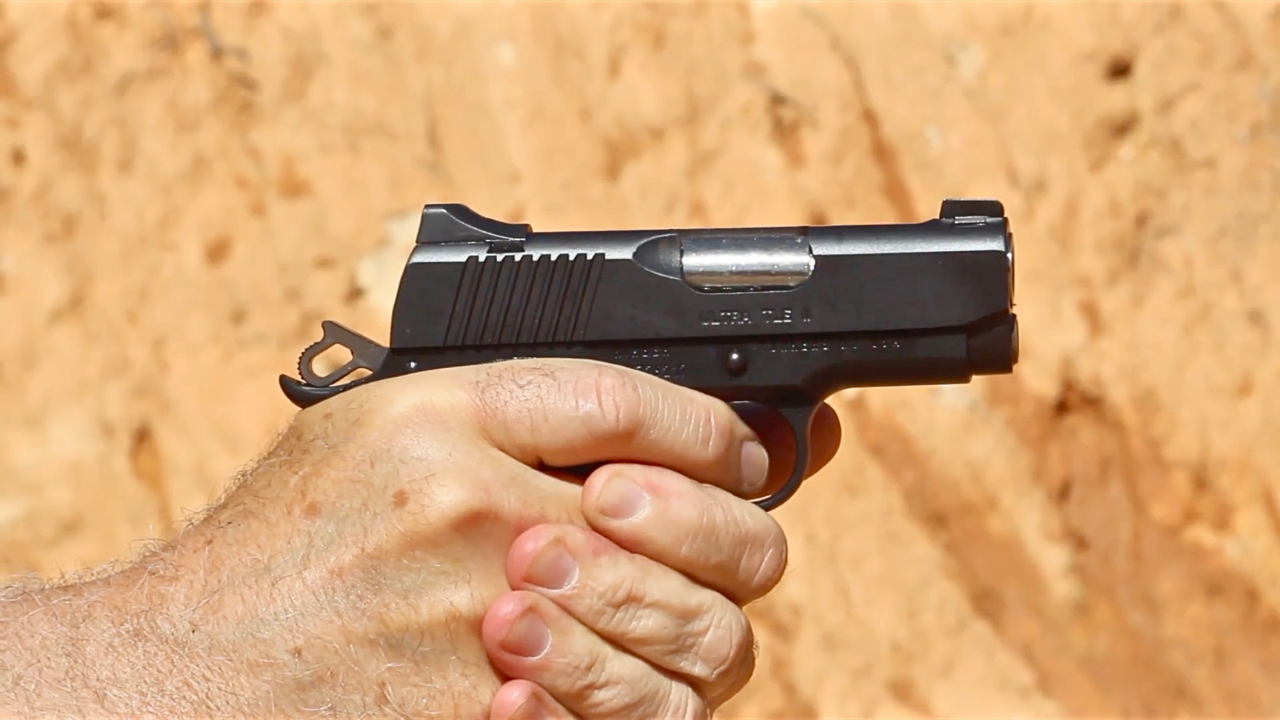
The Kimber Ultra Carry II sells very easily because it offers a powerful mix at the counter: 1911 styling, compact dimensions, and a premium badge that makes buyers feel like they are not settling. It is exactly the sort of pistol that looks like the sophisticated answer in a gun store, especially for someone who wants a carry gun with more personality than a polymer striker.
Then real carry and real training begin, and the margin gets much thinner. Small 1911s are demanding little guns even when everything goes right. Once use gets serious, owners often learn whether they bought a carry pistol they truly trust or one they mostly wanted to admire. The Ultra Carry II has sold a lot of dreams because it looks like class in a compact form. Practical use is where those dreams either hold together or start coming apart.
Like The Avid Outdoorsman’s content? Subscribe to our newsletter so you never miss an article.
Here’s more from us: