Photo credit: Mossberg
Rifles are one of those things you hope will hold steady or even gain a little value over time—especially if you’re careful with what you buy. But not all rifles age gracefully. Some plummet in price the moment they leave the gun counter, and others sink even faster the minute a newer model hits shelves. If you’ve ever tried to resell a rifle and gotten lowballed into the dirt, you already know what this feels like. It’s not always about how the gun shoots, either. Sometimes it’s market hype wearing off, parts drying up, or a reputation that doesn’t hold under real use. And once word gets around, that value tanks quick. If you want your dollars to stick around, steer clear of rifles like these unless you’re ready to take the hit.
Remington 770
You can find used Remington 770s for next to nothing—and there’s a reason. The 770 was supposed to be the budget follow-up to the 710, but it turned out to be even less popular. Accuracy was passable with the right ammo, but the build quality was poor, and the bolt was one of the roughest you’ll ever cycle. The factory scope combo didn’t help its reputation either. Even brand new, it wasn’t a rifle you bragged about. Once people figured out they could spend a little more and get something that actually felt good to shoot, the 770 became nearly worthless on the secondhand market.
Winchester Wildcat 22

The Winchester Wildcat 22 showed up with a flashy look and some clever ideas, like a rear-access bolt and interchangeable mags with Ruger 10/22s. But out in the real world, it hasn’t built much of a following. Some folks complain about trigger feel, others about feeding issues or how it feels too “plasticky” overall. And because it’s competing with the ultra-reliable 10/22 and even some budget Savage rimfires, it gets passed over quick. Used prices reflect that. Try selling one after a year or two and you’ll likely get half what you paid—if that.
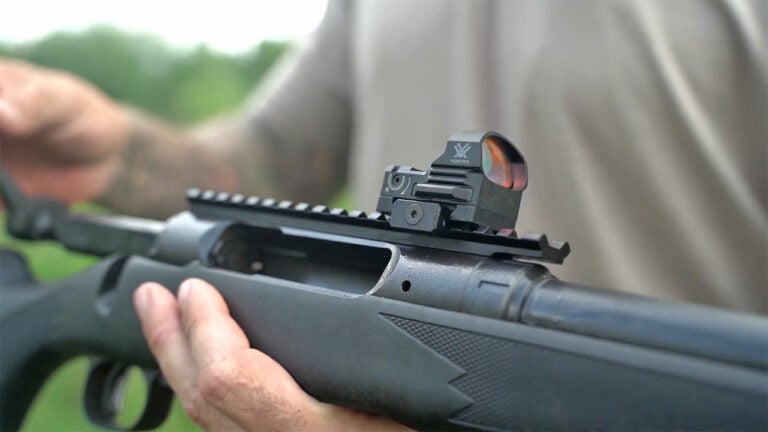
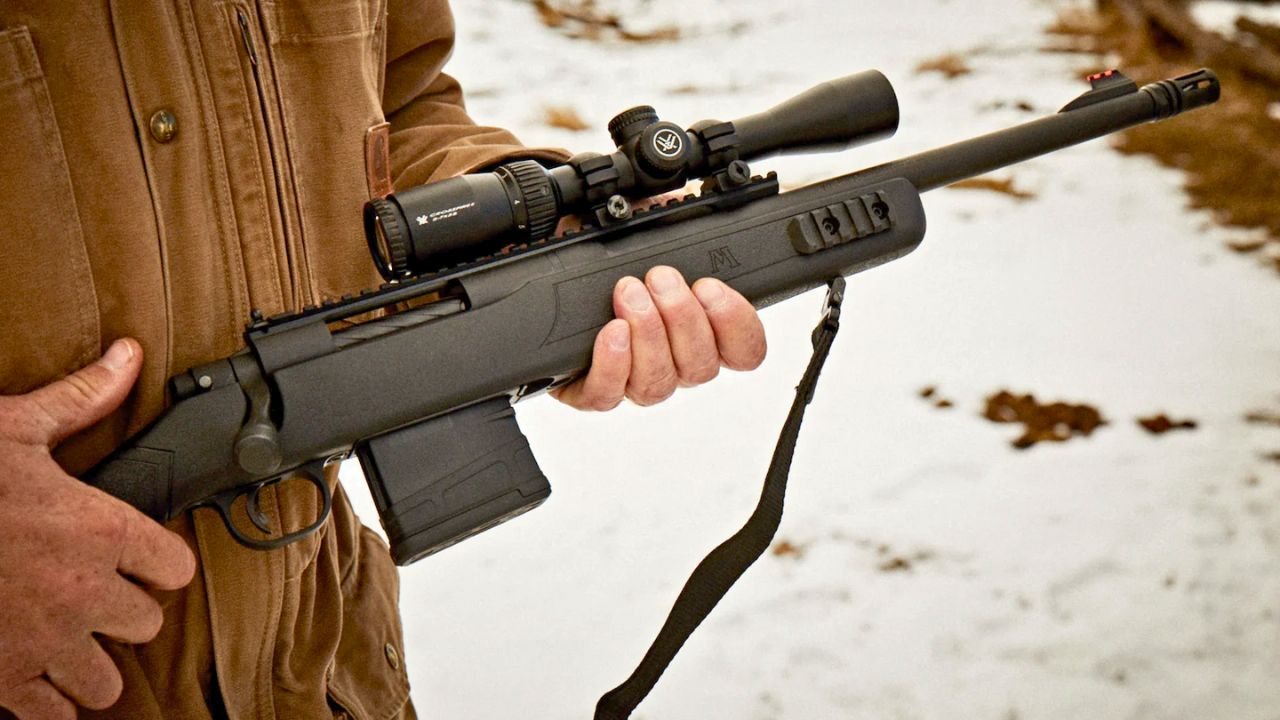
Mossberg MVP Scout
The Mossberg MVP Scout seems like a decent idea on paper—AR mags in a bolt gun, compact length, threaded barrel. But it never took off like the Ruger Gunsite Scout. Fit and finish have always been spotty, and the trigger isn’t anything to write home about. Plus, the MVP line just doesn’t have the long-term reputation of competitors. Once buyers saw other scout-style rifles holding better groups and resale, the MVP started to fade. You’ll see used ones sitting for months at low prices because folks know they can get more trusted options for the same cash.
Thompson/Center Compass

The Compass launched as a budget bolt-action option, and while it came with some promising features—threaded barrel, decent stock—it didn’t exactly inspire loyalty. Accuracy was hit or miss depending on caliber, and the feel was hollow and cheap compared to rifles in the same price range. Then the bolt recall happened, and that tanked confidence even more. When T/C stopped pushing new models and started winding things down, resale dropped fast. Today, a Compass on the used rack doesn’t get much attention. Buyers either want a Ruger American or will spend a little more for something with better support.
Remington R-15
When the Remington R-15 hit the scene, it tried to blend hunting aesthetics with AR performance. But between Remington’s shaky AR reputation and the niche camo styling, it didn’t catch on with the broader crowd. It’s not a bad shooter, but you’re stuck with proprietary parts in some places, and Remington’s collapse didn’t help at all. Try trading one in now and you’ll see how fast the value fell off. Folks shopping for an AR want flexibility, aftermarket support, and name recognition—and the R-15 delivers none of that anymore.
Ruger American Ranch Gen 1

The original Ruger American Ranch rifles got some attention when they launched, especially in .300 BLK and 7.62×39. But once the Gen 2 models showed up—with better ergonomics, full-length rails, and more refined features—the Gen 1s became tough to move. The short magazine compatibility and plain stocks didn’t age well, and even though they’re still good utility rifles, used buyers expect the updated versions now. If you’ve got a first-gen Ranch and try to trade it in, expect a big cut—especially if it’s not one of the more desirable chamberings.
Bushmaster Carbon 15
The Carbon 15 was light, cheap, and looked good to folks who wanted a lightweight AR-style rifle. But the polymer upper and lower didn’t win many fans after real-world use. Flex issues, cracks, and questionable durability made these rifles feel more like a toy than a tool. Once Bushmaster faded from the spotlight and buyers got more selective about materials, the Carbon 15’s value took a nosedive. Even new-in-box examples won’t fetch much today. If you’ve got one in your safe, don’t expect it to do you any favors on resale.
Like The Avid Outdoorsman’s content? Be sure to follow us.
Here’s more from us:
The worst deer rifles money can buy
Sidearms That Belong in the Safe — Not Your Belt
*This article was developed with AI-powered tools and has been carefully reviewed by our editors.