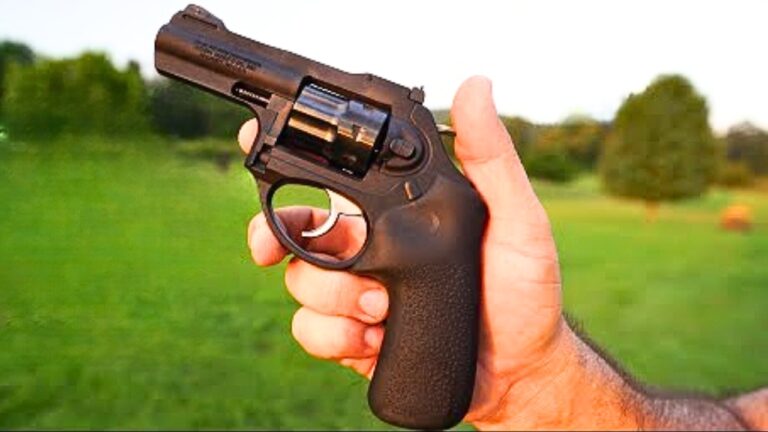
Photo credit: TheFirearmFilesGunSales/GunBroker
The Glock 48 is basically Glock’s answer for shooters who like the feel of a slim pistol but want a longer slide than the Glock 43X. It has the same slimline grip length as the 43X, a 10-round factory magazine, and a 4.17-inch barrel that gives it a little more sight radius and a slightly steadier feel. For concealed carry, it sits in a pretty useful place.
The Glock 48 is usually dependable, but it is still a slim 9mm carry pistol. It does not have the same width, slide weight, or grip feel as a Glock 19. That means the most common problems usually come from magazines, weak ammo, shooter grip, slide-speed issues, aftermarket parts, or lack of maintenance. Most Glock 48 malfunctions are not dramatic design flaws. They are the same basic semi-auto problems showing up in a thinner, lighter carry gun.
Failure to Feed
Failure to feed is one of the more common malfunctions to watch for with the Glock 48. The slide moves forward, but the next round does not chamber correctly. The bullet may nose-dive into the feed ramp, hang halfway into the chamber, or leave the slide slightly out of battery. It can happen with ball ammo, but it is more concerning when it shows up with carry loads.
The magazine is usually the first suspect. The Glock 48 uses slim 10-round factory magazines, and any damage to the feed lips, follower, or spring can affect how the round presents to the chamber. Some hollow points may also feed differently than basic range ammo because of bullet shape. If the pistol feeds one load perfectly and hangs up on another, ammo choice matters. If it only happens with one magazine, mark that mag and pull it from carry use.
Magazine-Related Problems
The Glock 48 gets a lot of magazine attention because many owners want more than the factory 10-round capacity. Aftermarket magazines that offer higher capacity can be tempting, especially since the grip size stays the same. Some work well for some shooters, but they are also one of the most common sources of reliability complaints.
Factory Glock magazines are polymer-bodied and generally reliable. Some aftermarket options use metal bodies and different follower geometry, and that can change how the magazine sits, feeds, and interacts with the mag catch. Feeding issues, slide-lock failures, and random stoppages can all show up when the magazine is the weak point. If a Glock 48 runs cleanly with factory mags but starts acting strange with aftermarket ones, the pistol is probably not the problem. More rounds in the mag do not help much if the gun stops feeding.
Failure to Eject
Failure to eject happens when the fired case does not clear the ejection port. The empty may stovepipe, get trapped by the slide, or interfere with the next round. With the Glock 48, this can come from weak ammo, a loose grip, a dirty gun, extractor trouble, or recoil spring issues.
The Glock 48 is slim and light enough that shooter grip still matters. It is easier to control than many tiny carry guns, but it still needs a firm platform for the slide to cycle properly. Soft range ammo can make that worse. If ejection problems only show up with cheap 115-grain practice ammo, try stronger loads before blaming the gun. If the pistol ejects poorly across several loads and magazines, then the extractor, ejector, chamber, and recoil spring deserve a closer look.
Stovepipes
A stovepipe is a specific failure to eject where the empty case gets caught upright in the ejection port. It is usually quick to clear, but it still means the pistol did not complete its cycle. Glock 48 stovepipes are usually tied to limp-wristing, underpowered ammo, dirty internals, or extractor and ejector trouble.
This is one of those malfunctions that tells you to look at the whole setup, not just the gun. A shooter with a softer grip may stovepipe the pistol while another shooter runs the same gun without issue. A certain ammo brand may cause trouble while another runs clean. The Glock 48 is a carry pistol, so it needs to be tested with the exact defensive load and magazines you plan to use. Range reliability with one load does not automatically prove carry reliability with another.
Failure to Return Fully to Battery
A Glock 48 can fail to return fully to battery. The round starts into the chamber, the slide gets most of the way forward, but the pistol does not fully lock up. Sometimes a tap on the back of the slide seats it. Other times the round needs to be cleared.
This can come from a dirty chamber, rough ammo, weak recoil spring, pocket lint, dried lubricant, or aftermarket parts that slow the slide down. Since the Glock 48 is often carried close to the body, it can collect sweat, lint, dust, and grime even when it has not been fired much. That is one reason carry guns need periodic cleaning even if they spend most of their life in a holster. A pistol that almost goes into battery is still not ready to fire.
Slide Failing to Lock Back
The slide failing to lock back after the last round is a common complaint with slim Glocks. Sometimes the issue is mechanical. A worn magazine follower, weak magazine spring, or damaged slide stop lever can keep the slide from locking open. But a lot of the time, the shooter’s grip is the real problem.
The Glock 48 is narrow, and a high thumbs-forward grip can easily ride the slide stop lever. When that happens, the slide stop cannot rise after the last round, and the slide closes on an empty chamber. If the slide locks back for one shooter but not another, grip is probably the answer. If it fails only with one magazine, that magazine should be marked and set aside. If it fails with every magazine and shooter, then the slide stop lever needs inspection.
Failure to Extract
Failure to extract is less common than a simple ejection problem, but it can happen. The fired case stays in the chamber instead of being pulled out by the extractor. The slide may stop, or it may try to feed the next round into a chamber that still has an empty case in it. That creates a more serious stoppage than a basic stovepipe.
The usual causes are a dirty chamber, damaged extractor, rough brass, weak ammo, or slide-speed problems. If the Glock 48 only struggles with one cheap ammo brand, the ammo may be the issue. If it leaves cases in the chamber with several loads and several magazines, that is a gun problem that needs attention. A carry pistol should not get a pass for repeated extraction failures.
Light Primer Strikes
Light primer strikes are not one of the most common Glock 48 issues, but they are worth watching for. The trigger breaks, the striker moves forward, and the round does not fire. When the round is cleared, the primer may show a shallow mark. This can come from hard primers, cheap ammo, a dirty striker channel, weak striker spring, or aftermarket trigger parts.
This is especially important on pistols that have been modified. Plenty of people swap triggers, connectors, springs, and striker parts to improve the feel of a small carry gun. Some setups work fine. Others reduce ignition reliability. A Glock 48 used for daily carry should not be tuned so lightly that it becomes picky about primers. If light strikes start after trigger work, the new parts should be questioned first.
Aftermarket Parts Causing Reliability Problems
The Glock 48 is one of those pistols people love to modify. Higher-capacity magazines, metal mag catches, optics, aftermarket slides, barrels, triggers, compensators, recoil springs, and extended controls are all common. Some upgrades can be useful, but they can also create problems the stock gun did not have.
A compensator may require a different recoil spring. A higher-capacity magazine may need a metal mag catch. A tight aftermarket barrel may not feed certain loads well. A light trigger setup may cause ignition trouble. An optic or slide change can affect cycling speed. None of that means the Glock 48 should never be modified, but every change needs to be tested hard. A stock Glock 48 is usually dependable. A modified Glock 48 has to earn that trust all over again.
Like The Avid Outdoorsman’s content? Be sure to follow us.
Here’s more from us: