Photo credit: Manny G⚡/Youtube
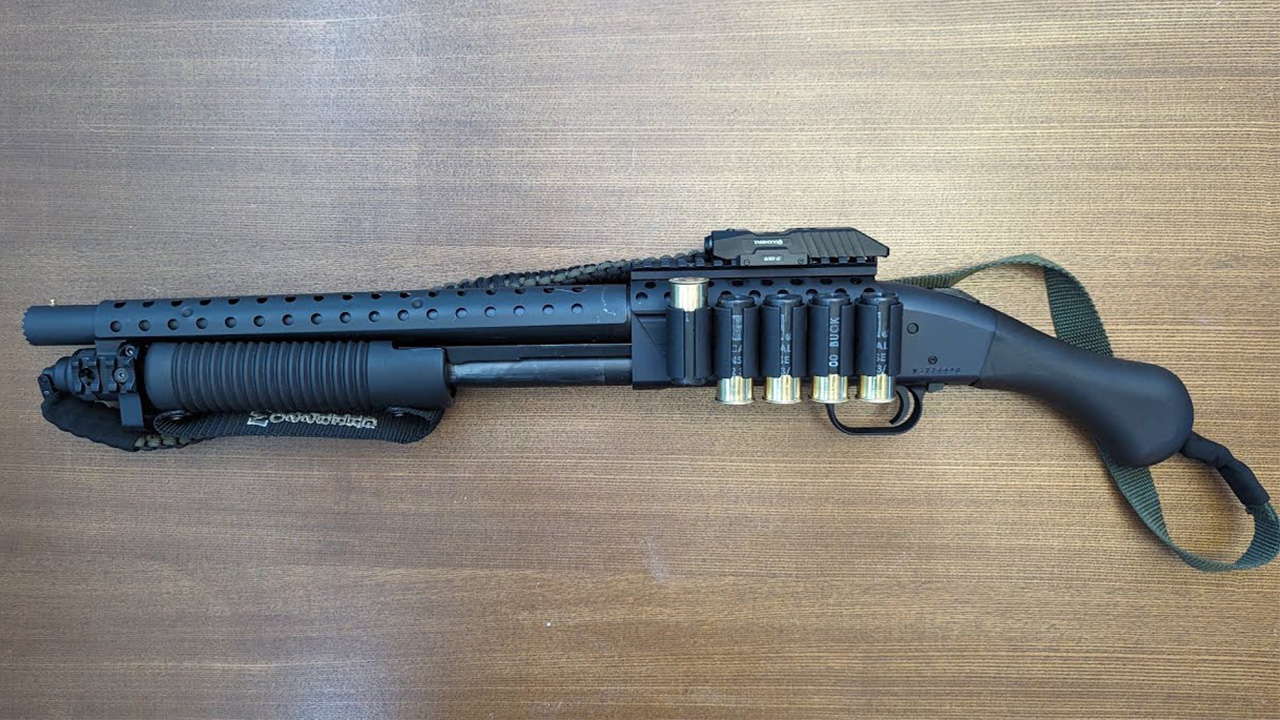
The Mossberg 590 is one of those pump shotguns people tend to trust hard. It has been used for home defense, duty work, truck-gun use, training classes, and plain rough handling for years. It is built on the same basic family as the Mossberg 500, but the 590 line leans more toward defensive and hard-use setups, with extended magazine tubes and features meant for serious use.
Mossberg lists the 590 with standard pump-action features like dual extractors, steel-to-steel lockup, a top-mounted ambidextrous safety, twin action bars, and an anti-jam elevator. That is a strong setup for a pump shotgun, but no shotgun runs perfectly forever. The most common Mossberg 590 problems usually come down to shooter-induced short-stroking, failure to feed from the magazine tube, extraction issues, weak ejection, shell stop trouble, and safety-button wear.
Short-Stroking the Action
The most common Mossberg 590 malfunction is still short-stroking. That is when the shooter does not run the pump all the way rearward and then all the way forward with enough authority. The fired shell may not eject cleanly, the next shell may not feed, or the action may bind with the gun caught between steps. It is easy to blame the shotgun, but a pump gun has to be run like you mean it.
This becomes more common when shooters are new to pump guns or trying to move too fast under pressure. A Mossberg 590 is not a gun that rewards soft, lazy cycling. It needs a full stroke every time. Defensive shotguns make this even more important because people often train from awkward positions, around barricades, or under recoil. If the gun works fine when cycled firmly but chokes when the shooter hurries, the issue is probably technique more than hardware.
Failure to Feed From the Magazine Tube
Failure to feed is one of the more common mechanical complaints with the Mossberg 590. The shell may stay in the magazine tube instead of releasing onto the elevator, or it may release partway and jam inside the receiver. When that happens, the shooter can pump the action and end up with an empty chamber, a trapped shell, or a gun that suddenly feels locked up.
On the 590, this often points toward the shell stop, cartridge interrupter, magazine spring, follower, or debris inside the magazine tube. Forum complaints around the 590 and 590A1 often come back to shell stop or cartridge stop fitment, with some owners describing shells failing to release properly from the tube. That does not mean every 590 has the problem, but it is one of the recurring areas to inspect when feeding gets inconsistent.
Double-Feeds
A double-feed can happen when more than one shell tries to leave the magazine tube at the same time. Instead of one shell landing on the elevator, two shells fight for space inside the receiver and tie up the action. This can turn a simple pump stroke into a mess that has to be cleared by hand.
Double-feeds are usually tied to the same shell-control parts that cause other feeding problems. The cartridge stop and interrupter are supposed to release shells in the right order. If one of those parts is dirty, bent, worn, out of position, or not moving correctly, the shotgun can release a shell when it should not. This is not something most healthy 590s do often, but when a gun starts double-feeding, those parts deserve a close look before blaming the ammo or the shooter.
Failure to Extract Spent Shells
Failure to extract happens when the Mossberg 590 fires but the spent shell stays stuck in the chamber. The shooter pulls the pump rearward and feels the action bind, or the extractor slips off the rim and leaves the hull behind. That is one of the more frustrating pump-gun problems because the whole shotgun stops until that shell is cleared.
The 590 has dual extractors, which is one of the reasons people trust the design, but extractors cannot overcome every dirty chamber, damaged hull, or rough shell. Cheap promotional shells can expand and stick more than better loads, especially once the chamber gets hot or fouled. A dirty chamber can make the same problem worse. If the shotgun only struggles with certain bargain loads, ammo may be the issue. If it struggles with several loads, the chamber and extractors need to be checked.
Weak or Inconsistent Ejection
Sometimes the 590 pulls the shell out of the chamber but does not kick it clear of the action. The empty hull may dribble out, bounce around inside the receiver, or hang near the ejection port. This usually gets called a failure to eject, and it can make the shotgun feel unreliable even when extraction itself is happening.
A weak pump stroke can cause this, especially if the shooter is easing the action open instead of running it firmly. But if ejection stays weak with a solid stroke, the ejector, extractor, and bolt face should be inspected. Dirt, fouling, worn parts, or a sticky hull can all keep the shell from clearing cleanly. The 590 is a tough shotgun, but it still needs the action kept clean enough for those small parts to move like they should.
Elevator Hang-Ups
The Mossberg 590 uses an elevator to lift the shell into position as the action cycles. Mossberg markets the 590 with an anti-jam elevator, and it is generally a reliable design. Still, the elevator can cause trouble if it gets dirty, bent, blocked by debris, or slowed down by old oil and grit. When that happens, shells may not lift smoothly into line with the chamber.
This is more likely on shotguns that get used hard and cleaned lightly. A 590 may live behind a truck seat, in a closet, beside a bed, or in a patrol rack for years without much attention. Dust, unburned powder, plastic hull shavings, and dried lubricant can all build up inside the receiver. If the action starts feeling sticky or shells hang up on the way into the chamber, the elevator and receiver should be cleaned and inspected before assuming anything major is wrong.
Safety Button Problems
The tang-mounted safety is one of the things people either love or complain about on Mossberg pump guns. It is easy to reach from a traditional stock, and it works well for left- and right-handed shooters. But on older or heavily used guns, the safety button can become stiff, loose, cracked, or mushy. Some models use a plastic safety button, and those are commonly replaced with metal aftermarket parts by owners who want a more durable feel.
This is not a feeding or ejection malfunction, but it is still a function problem. A defensive or hunting shotgun needs a safety that moves cleanly and gives a clear on/off feel. If the button feels gritty, wobbly, or unreliable, it should be fixed instead of ignored. A shotgun can feed and fire perfectly and still be a problem if the safety does not work the way the shooter expects.
Light Primer Strikes
Light primer strikes are less common than feeding or extraction complaints, but they can happen on a Mossberg 590. The trigger is pulled, the firing pin hits the primer, and the shell does not fire. When the shell is removed, the primer may show a shallow mark instead of a solid hit.
This can come from hard primers, cheap shells, a dirty firing pin channel, a worn firing pin, or buildup inside the bolt. A shotgun that has been stored for a long time with old oil inside the action can also have sluggish firing-pin movement, especially in cold weather. One bad shell does not automatically mean the shotgun has a problem. Repeated light strikes across different loads mean the bolt assembly needs attention before the gun is trusted again.
Like The Avid Outdoorsman’s content? Be sure to follow us.
Here’s more from us: