Photo credit: NCshooter1213/YouTube
Some rifles shoot “okay” right out of the box, then you start chasing that last bit of consistency and realize the problem isn’t you—it’s the way the action sits in the stock, how the fore-end flexes, or how touchy the whole system is to screw torque and temperature. Bedding can help a lot, but there are certain rifles (usually in cheaper factory stocks, or designs with fore-end quirks) where you can bed it, torque it, float it, and it still won’t give you the same answer twice. That doesn’t mean they’re all junk. It means you need to know what you’re buying into before you start throwing time and money at it.
Remington 700 SPS (factory “tupperware” stock)

The SPS 700s are the classic example of “this action can shoot, but the stock makes you work for it.” The factory synthetic stock is flexible, and that flex changes how the barrel is supported shot to shot, especially off bags, a bipod, or even a tight sling. You bed the recoil lug and tang, you think you’re done, then the fore-end still kisses the barrel when you load it, or the action screw torque changes the point of impact more than it should. Guys end up chasing torque settings, then chasing barrel float, then chasing different rings because the groups still wander as the rifle heats or you change how you rest it. A stiffer stock or chassis usually fixes what bedding alone can’t, and that’s why people who “finally solved” their SPS almost always changed the stock, not just the bedding.
Savage Axis (and Axis II) in the factory plastic stock

The Axis line can surprise you with how well the barrels shoot, but the factory stock is where the inconsistency creeps in. The fore-end is easy to flex into the barrel, and the action bedding surfaces are not what I’d call confidence-inspiring. You can bed it and still see shifts because the stock itself moves around under recoil and pressure. On a bench, it might shoot a nice group and then throw a couple out when the stock heats, the barrel warms, or you change your support point. A lot of “my Axis won’t settle down” stories end with a stiffer stock, pillar bedding, and being very picky about action screw torque. Bedding can help, but if the stock is acting like a spring, bedding alone isn’t going to make it behave like a rifle with a rigid foundation.
Ruger American (especially early generations in the factory stock)

Ruger Americans have killed a lot of deer and punched a lot of paper, but the factory stock is a big part of why some of them won’t give you repeatable results once you start trying to tighten things up. The bedding block system is clever, but the stock can still flex and the barrel channel can still become a variable when you load a bipod or rest it differently. You bed it, you float it, you torque it, then the next range trip the point of impact is a little off and you start wondering what changed. Often it’s just stock flex and how the action is settling under recoil. Plenty of them shoot great, but the ones that “won’t settle” usually need a stiffer stock or chassis more than they need another round of bedding work. Bedding helps the interface, but it can’t fix a stock that moves enough to change barrel pressure.
Mossberg Patriot (factory stock and action fit quirks)

Patriots can be accurate enough to hunt with all day, but they’re also one of those rifles where bedding becomes a rabbit hole for some owners. The factory stock and how the action sits can create inconsistent contact points, and the rifle can be sensitive to torque changes or small shifts in how it’s supported. You’ll see guys bed the recoil lug area, then still get random flyers, especially as the barrel warms. Sometimes it’s the stock flexing, sometimes it’s uneven pressure around the action, and sometimes it’s simply a system with thin margins where everything has to be “just so” to behave. If you’re trying to turn a Patriot into a consistent range rifle, bedding might get you partway, but the rifles that truly settle down usually do it after the stock is upgraded and the screws are torqued the same way every single time.
Winchester XPR in the factory synthetic stock

The XPR can shoot, but when one won’t settle down, it usually acts like a “pressure and torque sensitive” rifle more than a pure barrel problem. Bedding can tighten things up, yet you still see point of impact shifts when you change rests, load the fore-end, or shoot long strings. That points back to the stock and the way the action is supported. When the interface is inconsistent, the rifle can print a pretty group and then throw a couple that make you second-guess your optic, ammo, and sanity. Bedding helps stabilize the action, but if the stock is flexing and changing barrel pressure, you’ll still see that wandering behavior. Guys who fix these long-term usually go to a stiffer stock and treat torque like a ritual: same inch-pounds, same sequence, same cleaning routine, and no “just snug it” reassembly if they want repeatable zeros.
Thompson/Center Compass

The Compass is one of those rifles where you can absolutely get a good shooter, but the foundation is built to hit a price point. Bedding can help, but some of them still behave like they’re sensitive to everything—how hard you clamp it in bags, how you rest the fore-end, and how the stock flexes as you shoot. When a Compass won’t settle down, it often looks like classic stock-induced inconsistency: groups open as the barrel warms, or you get two tight and one out that keeps repeating no matter what ammo you try. Bedding the action may tighten the average group, but it doesn’t always remove the randomness if the stock itself is the variable. If you’re serious about consistency, you end up treating it like a budget action with a good barrel that needs a better stock to really show what it can do.
Browning AB3 in the factory stock

AB3s can be good hunting rifles, but they can also be surprisingly touchy when you start shooting for tiny groups and repeatable point of impact. Bedding can stabilize things, yet the stock’s rigidity and contact points still matter, especially if you’re using a bipod or shooting off hard supports. When one won’t settle, it often behaves like it has changing fore-end pressure and a system that reacts to small differences in how it’s held. That’s when you see “it shot great last trip” followed by “same ammo, different day, different zero.” Bedding can help the action contact, but it can’t always eliminate a stock that flexes enough to create barrel pressure shifts. A lot of guys eventually realize the rifle is doing what it’s built to do—be a hunting tool—not what they’re trying to force it to do, which is behave like a heavier, stiffer, more target-focused setup.
Marlin X7 (especially in the cheaper factory stocks)

The X7 series had a following because some of them shot really well for the money, but consistency complaints usually circle back to stock and bedding surfaces. Bedding can improve lug contact and keep the action from shifting, but the factory stock and overall rigidity can still allow movement that shows up as random flyers or point-of-impact changes when you shoot longer strings. The frustrating part is you can see real potential—two or three shots stack, then one prints out and you start changing everything. If you bed an X7 and it still won’t settle, the next suspect is usually stock flex and how the fore-end interacts with the barrel. A stiffer stock or a careful pillar bedding job can help, but at some point you have to decide if you’re rebuilding a budget rifle into something it was never meant to be, or if you’re better off starting with a stiffer platform.
Weatherby Vanguard in the injection-molded stock

Vanguards can be very accurate, and that’s exactly why it’s so aggravating when one refuses to settle down. Bedding can help, but the injection-molded stock on certain packages can flex and create pressure changes that show up off a bipod or bags. You’ll see guys chasing torque settings and bedding jobs, then still getting point-of-impact changes when they change shooting position or load the fore-end. The action and barrel might be perfectly capable, but the interface isn’t consistent. If bedding doesn’t fix it, it’s usually because the stock is still moving enough to change how the barrel vibrates. A stiffer stock often turns the same rifle into a completely different animal, and it’s not rare for a “moody” Vanguard to become boringly consistent the moment it’s sitting in something that doesn’t flex under normal use.
Howa 1500 in the cheapest factory stocks

Howa 1500 actions are generally solid, and the barrels can shoot, but the cheapest stock options are where the “won’t settle” stories come from. Bedding can improve action contact, but if the stock is flexing and the barrel channel isn’t consistent under pressure, you’ll still chase shifts. The rifle might shoot great off a light rest and then open up when you load a bipod, or it might change point of impact after you remove and reinstall the action because the stock compresses differently. Bedding helps the interface, but it doesn’t make a flimsy stock rigid. The guys who get these to behave long-term usually do pillars, torque the screws the same every time, and upgrade to a stiffer stock once they’re tired of treating the rifle like a science experiment.
Ruger M77 (certain generations with inconsistent stock contact)

Some M77s are absolute hammers, and some act like they’re sensitive to everything—especially if the stock contact and pressure points aren’t consistent. Bedding can help, but these rifles can still be touchy because of how the action is designed and how the stock interfaces with it. You’ll see point-of-impact changes based on humidity, fore-end pressure, or how the rifle is supported. Bedding might tighten one issue and reveal another, and now you’re chasing a rifle that’s “almost there” but never quite locks in. The fix can be as simple as getting the barrel truly floated and stabilizing the action with pillars, but some of these rifles still reward a more old-school approach: accept hunting accuracy, keep the zero verified, and don’t expect it to behave like a modern, free-floated, rigid-stock target rifle without meaningful stock work.
Ruger No. 1 (fore-end hanger sensitivity)

If you’ve ever messed with a Ruger No. 1, you already know why it’s on this list. Bedding the action isn’t the whole game—fore-end tension and the hanger system are the real variables. You can bed, torque, and tune, and the rifle still changes point of impact depending on how the fore-end is fitted and how the barrel heats. Some No. 1s shoot lights-out, but the ones that “won’t settle down” often need fore-end work, consistent screw torque, and sometimes a pressure pad or tuner approach to get repeatable results. The frustration is that you can think you fixed it, then the next range session tells you you didn’t. It’s not that the rifle is junk; it’s that the design is sensitive, and bedding alone won’t remove that sensitivity.
Springfield Armory M1A (bedding is a lifestyle, not a one-time fix)
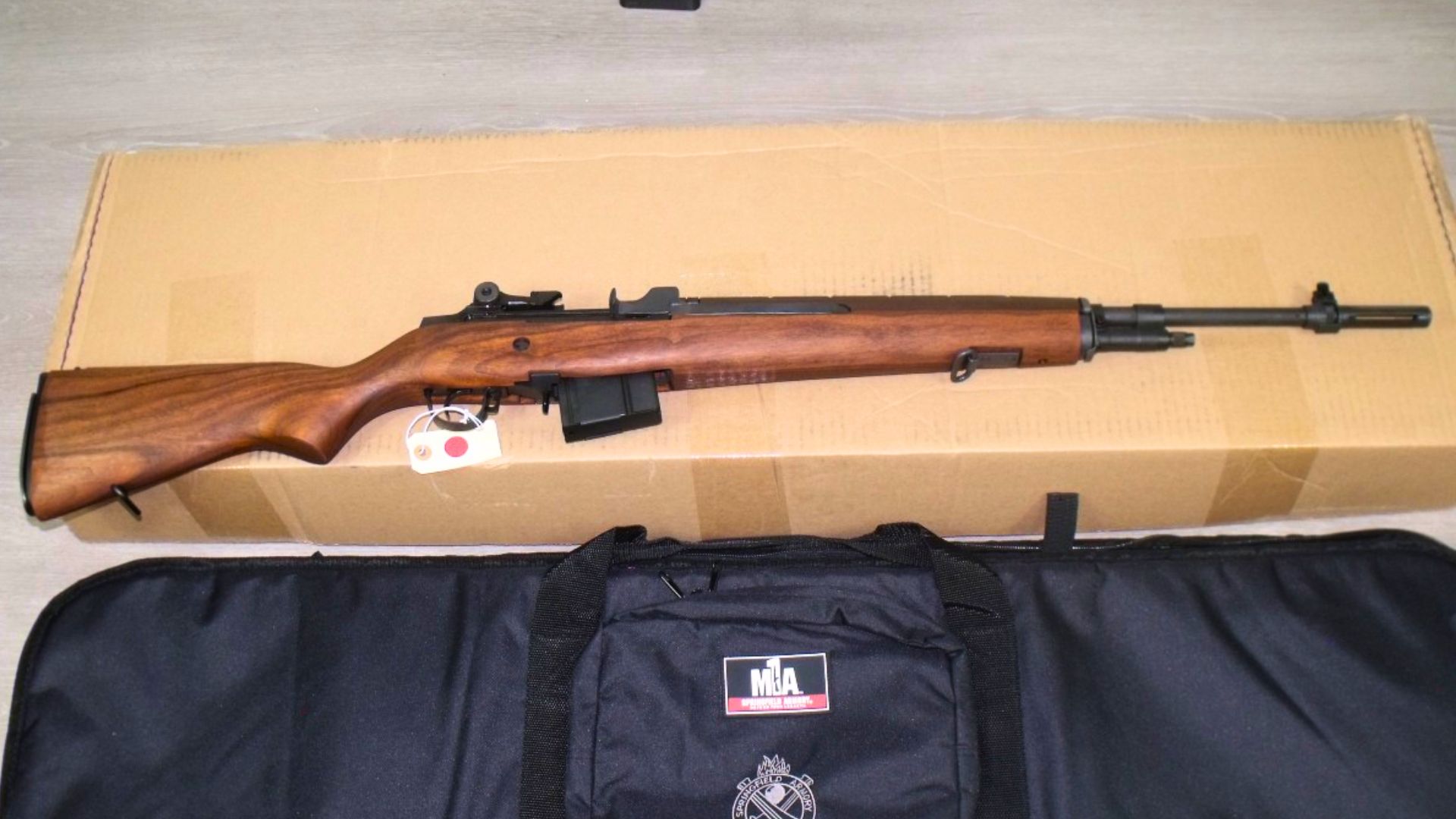
With the M1A pattern, bedding helps—until it doesn’t, because bedding wear and stock movement are part of the long-term reality. You can bed it and get great groups, then time and shooting loosen things up and you’re chasing a shifting zero again. Environmental changes matter too. A rifle that was perfect in one humidity and temperature can act different in another. That’s why the serious M14 guys treat bedding like maintenance, not a “set it and forget it” mod. If your M1A won’t settle down, it’s often because you’re expecting the platform to behave like a bolt gun. Bedding improves consistency, but the system still has more moving variables and more points where pressure and fit can change over time.
Ruger Precision Rimfire (stock/forend pressure and torque sensitivity on some setups)

Rimfire precision rifles can be extremely sensitive to stock pressure and torque, and on some Precision Rimfire setups, bedding-style consistency issues show up as “it won’t stay the same.” You’ll see a rifle shoot great, then you adjust something, torque something, swap an accessory, and suddenly the point of impact shifts or groups change shape. Bedding isn’t always the fix in rimfire the way it is in centerfire, because small changes in support and contact can alter harmonics more than you’d expect. If you’re chasing consistency and it still won’t settle, you often have to standardize everything: how it’s supported, how accessories are mounted, and how action screws are torqued. The rifle can be very accurate, but it’s also very honest about inconsistency in setup.
CZ 457 in a flexible or poorly fitted stock

The CZ 457 action is capable, but rimfire magnifies small inconsistencies, and a flexible stock or poor bedding/contact can make you chase your tail. Bedding can help, but if the stock isn’t rigid and the barrel channel contact changes under pressure, you’ll see point-of-impact shifts and odd flyers that don’t match your ammo testing. Rimfire is already picky, so when the platform adds another variable, you can waste a lot of time blaming ammo lots and optics when the real issue is how the action is sitting and how the barrel is being influenced. The rifles that “won’t settle” often calm down when you move them into a rigid stock/chassis and treat torque consistently. Bedding helps, but rigidity and repeatability are what make rimfires boring—in a good way.
Budget chassis builds with sloppy fitment (any action dropped into “good enough” hardware)

This one isn’t a single model, but it’s real: you can drop a decent action into a budget chassis with inconsistent fitment, and now you have a rifle that technically “should” be consistent but still isn’t. Bedding can’t fix a chassis or inlet that’s letting the action sit differently each time you torque it, or hardware that isn’t holding tension the same way under recoil. Guys will bed, then chase action screws, then chase scope mounts, when the real issue is the foundation parts aren’t behaving like precision parts. If a rifle needs bedding and still won’t settle, it’s worth asking whether you’re building on a stable platform or stacking a bunch of small tolerances that keep moving. Sometimes the cheapest “upgrade” is the one that quietly keeps you stuck.
Like The Avid Outdoorsman’s content? Be sure to follow us.
Here’s more from us: