Photo credit: logcabinlooms/YouTube
When a caliber disappears from store shelves, it’s rarely random. Most of the time, hunters simply stop buying the rifles and ammunition that support it. A round might show up with a big marketing push or promise to fill a gap in the field, but if it doesn’t solve a real problem or offer a clear advantage, its days are numbered.
You’ve seen it happen over and over: a cartridge burns bright for a short period, then fades into obscurity as ammo makers scale back runs. Some rounds survive only because a handful of handloaders keep them alive, but in day-to-day hunting seasons, they may as well not exist at all. Here are the calibers that fade for reasons anyone with experience can spot a mile away.
.225 Winchester

The .225 Winchester never reached the popularity Winchester hoped for. It landed at a time when the .22-250 was already proving itself as the dominant high-velocity .22-caliber option. Hunters quickly realized there wasn’t a meaningful reason to switch to something harder to find.
The round performs well enough, but rifles were limited and ammo production slowed fast. Once shops stopped stocking it regularly, interest dried up entirely. Today, you mostly see it in older rifles that stay in the safe because feeding them requires luck or deep handloading experience.
.244 Remington

The .244 Remington’s early mistake—pairing it with slow-twist barrels—kept it from running heavier bullets that deer hunters preferred. By the time Remington corrected the twist rate, the .243 Winchester had completely taken the lead.
Even though the .244 can shoot well with the right barrel, most hunters never saw a reason to chase it down. Ammo availability shrank as fewer rifles were chambered for it. Once the .243 became a staple, the .244 slipped away quietly and never came back.
.32 Winchester Special
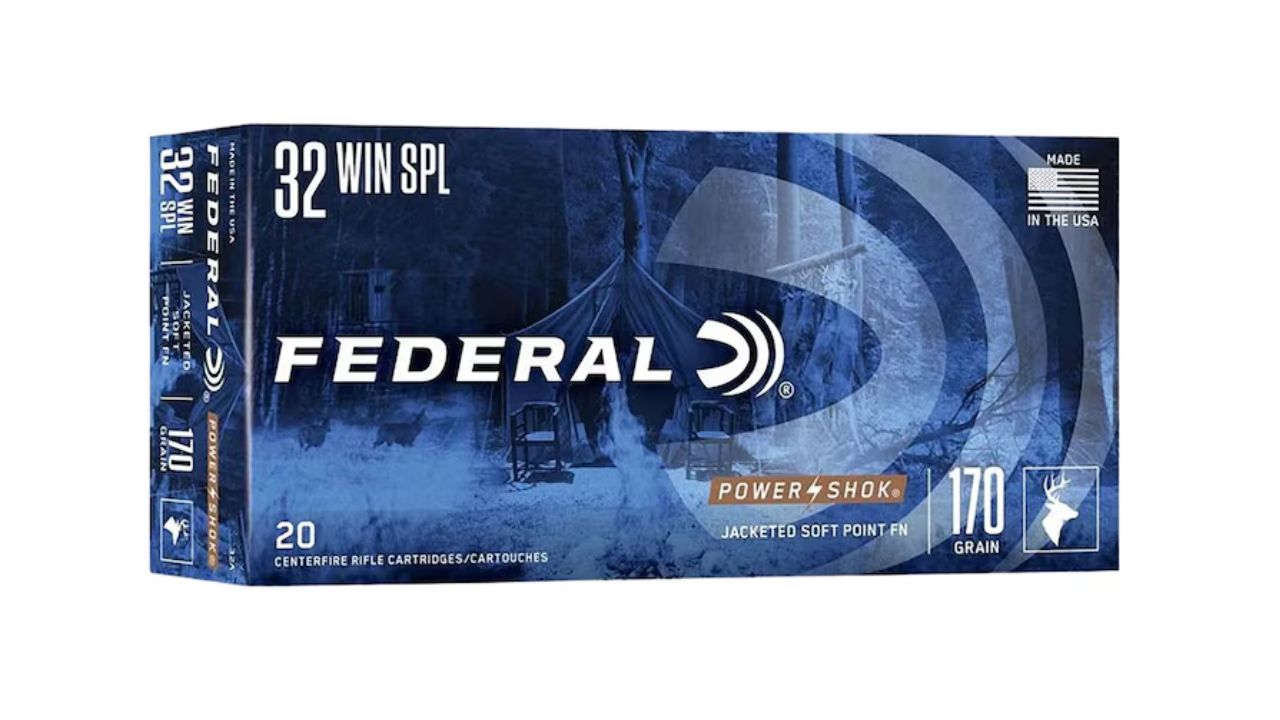
The .32 Winchester Special once had a loyal crowd, but modern hunters drifted away from it as ammo availability dropped. It didn’t offer much of an advantage over the .30-30, which stayed widely supported and far easier to find season after season.
When a cartridge isn’t significantly better than the option next to it—especially one as entrenched as the .30-30—it naturally falls out of rotation. That’s exactly what happened here. The .32 Special didn’t fail; it just got overshadowed by something cheaper and more practical.
.284 Winchester
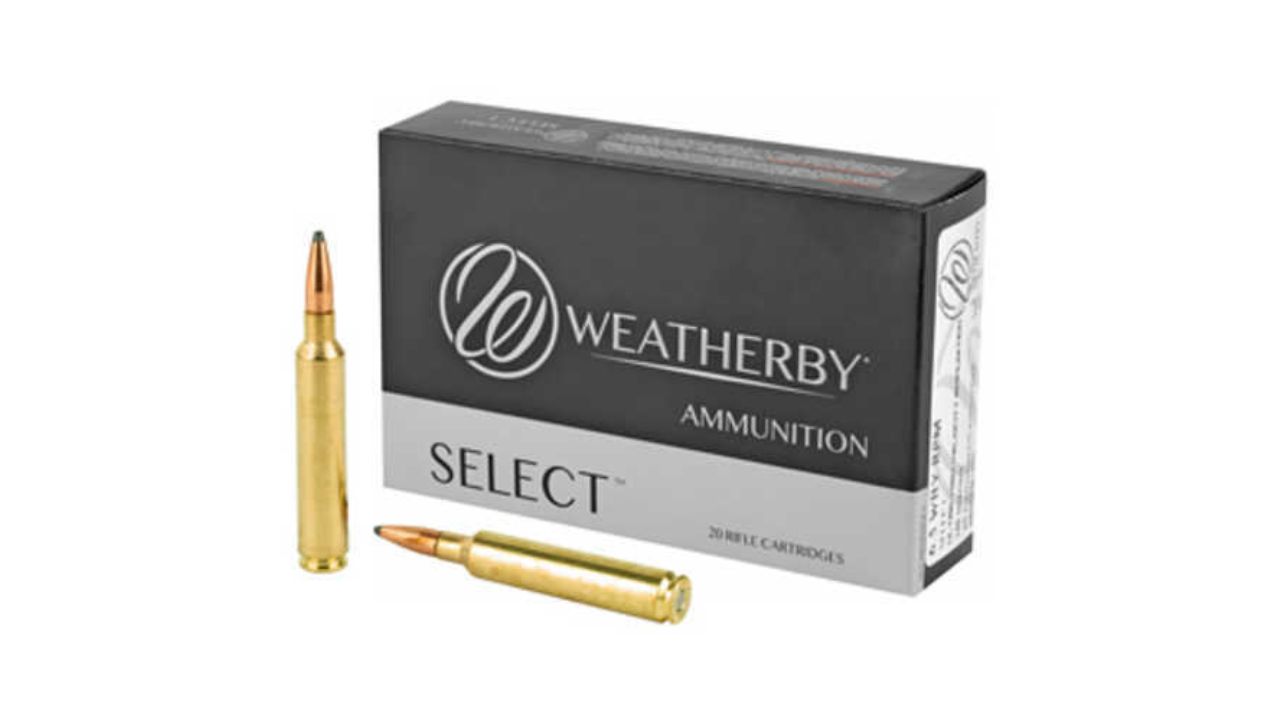
The .284 Winchester was ahead of its time, but not enough rifles were chambered for it to build momentum. It’s a capable round with excellent efficiency, yet it never gained a wide following outside of dedicated handloaders.
Once manufacturers stopped producing new rifles for it, ammunition runs shrank. The round survives in niche long-range circles, but the average hunter isn’t going to fight for ammunition that only shows up a few times a year. The market simply moved on.
.30 Remington

The .30 Remington was introduced to compete with the .30-30, but the .30-30 already had decades of field success behind it. Hunters weren’t going to leave a proven round for something that didn’t offer a clear advantage.
As fewer rifles were made chambered for it, ammo makers had no reason to keep shelves stocked. It performs fine ballistically, but performance alone doesn’t keep a cartridge alive. Without sustained demand, it faded quietly into history.
.356 Winchester
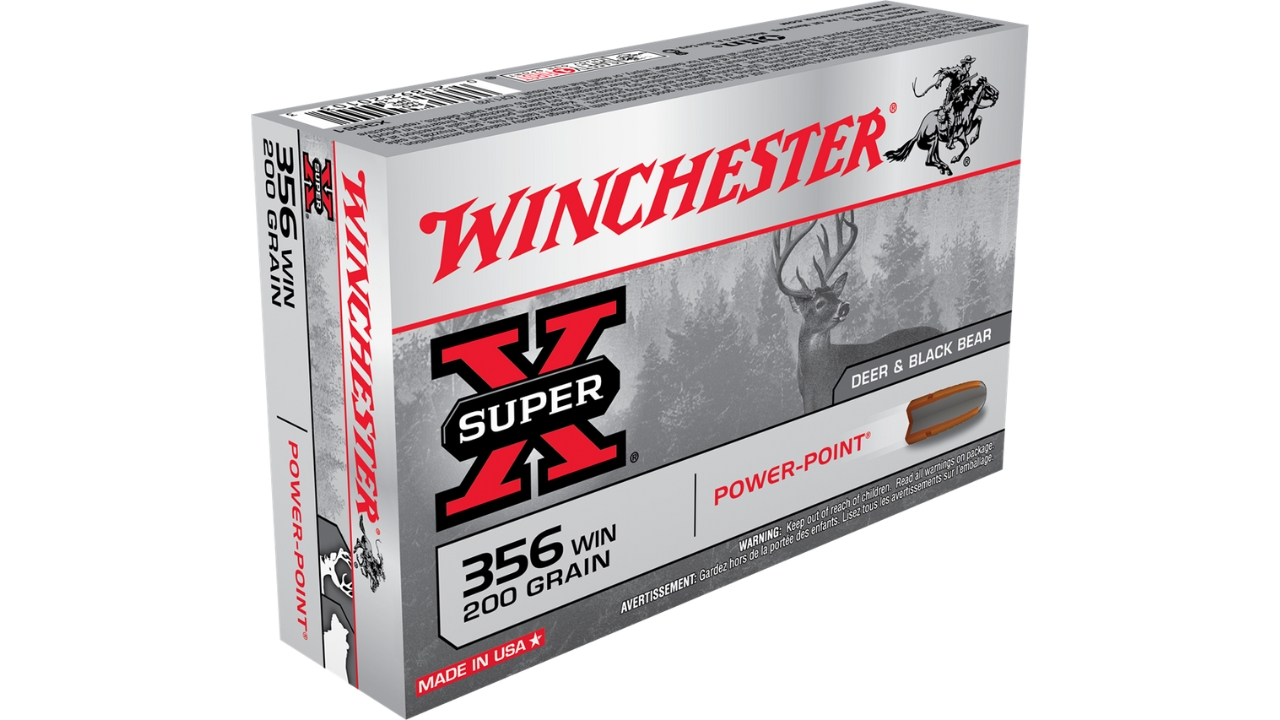
The .356 Winchester had a short window to catch on, but it arrived at a time when lever-gun hunters already had established favorites. It didn’t offer enough improvement to justify the chase for specialized ammunition.
With very few rifles produced and ammo runs shrinking each year, it simply became impractical. Hunters don’t stick with cartridges that require constant searching just to hunt one weekend. The .356 became rare fast, and most people let it go.
.30 TC

The .30 TC tried to replicate .30-06 performance in a shorter case, but shooters already trusted the .308 and .30-06. Without a real reason to switch, the cartridge stalled almost immediately.
Ammo makers eventually scaled back because sales were never steady. While the design wasn’t flawed, the market wasn’t interested. Today, it sits in the category of “good idea, poor timing,” and rifles chambered for it are mostly curiosities.
.300 Savage

The .300 Savage worked well for decades, but once the .308 Winchester came along, everything changed. The .308 offered more compatibility, more rifles, and more long-term support.
While older rifles still shoot the .300 Savage beautifully, it simply couldn’t compete with a military-backed cartridge that industry giants threw their weight behind. As rifles aged out, ammo availability shrank, taking the cartridge with it.
.35 Remington
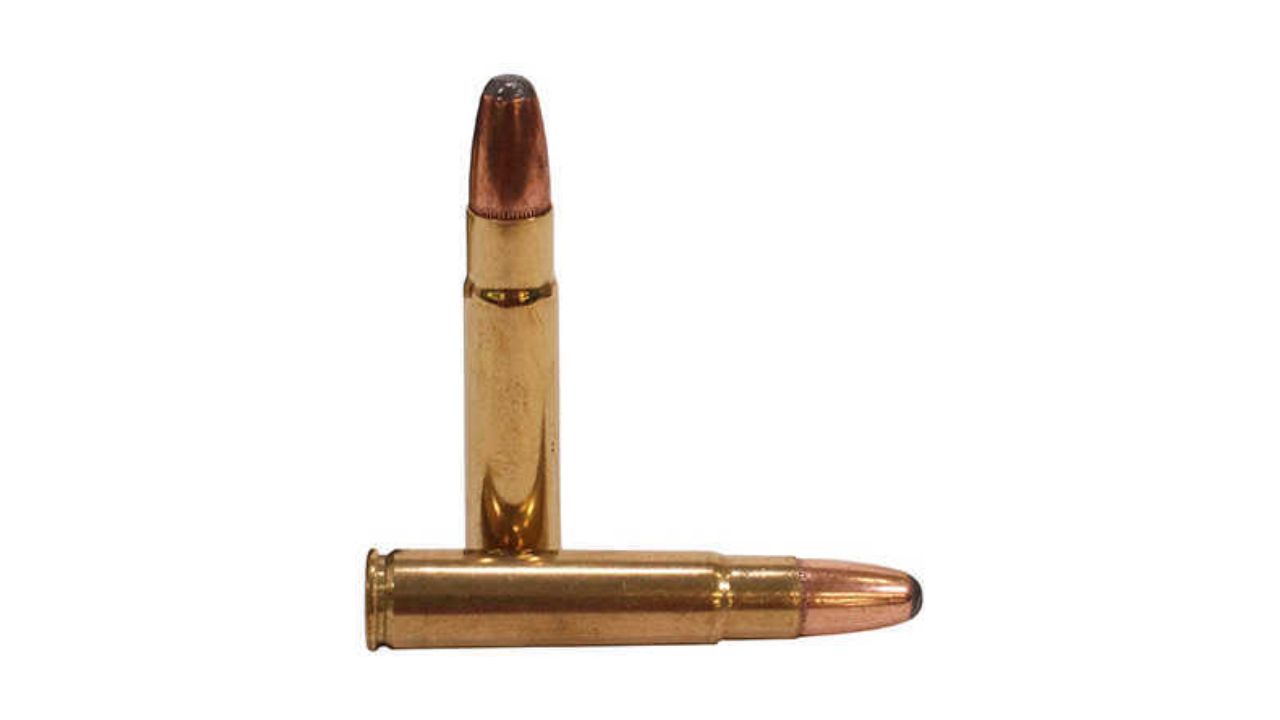
The .35 Remington still appears here and there, but not enough to stay reliably stocked. It’s a capable woods round, but rifles chambered for it have become scarce. As those rifles aged, ammunition demand dropped too.
Hunters who wanted mid-bore performance shifted toward straight-wall cartridges or modern .35-caliber options. Without sustained interest, the .35 Remington slowly slipped off shelves in most regions.
5mm Remington Rimfire Magnum
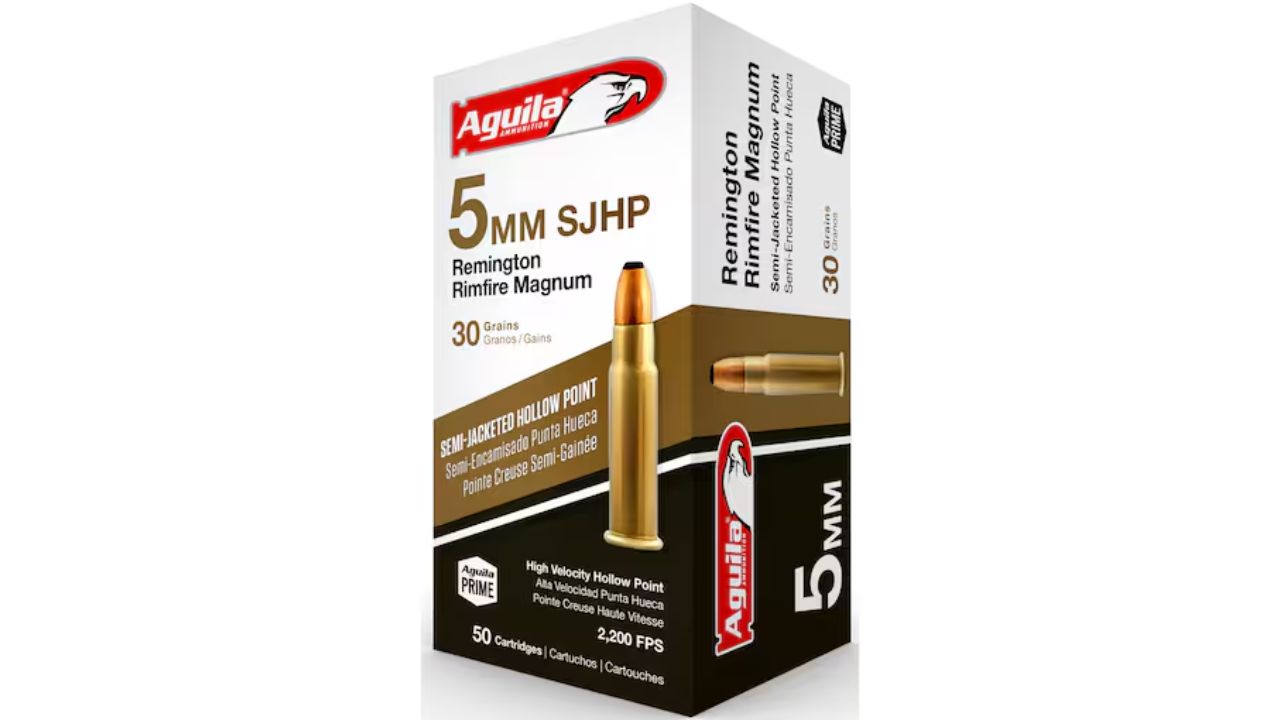
The 5mm RFM never had enough rifle support to truly succeed. When Remington discontinued rifles for it, the ammo vanished shortly after. Even when boutique companies revived small runs, mainstream shooters didn’t return to the caliber.
With .22 Magnum and .17 HMR dominating the rimfire niche, the 5mm never had space to grow. Most hunters aren’t willing to rely on a rimfire that comes and goes unpredictably.
.375 Winchester

The .375 Winchester had potential in lever guns, but its recoil and niche application kept it from grabbing broad interest. Hunters looking for more punch moved to .45-70, while everyone else stayed with the .30-30 or .35 Rem.
With limited rifle production and declining ammo runs, the cartridge faded quickly. It still has fans, but not enough to keep it visible in most sporting goods stores.
.357 Maximum

The .357 Maximum suffered from early barrel erosion issues that scared shooters off. Even though those problems didn’t affect every platform, the damage was done. Manufacturers pulled support quickly.
With so few new rifles chambered for it, ammo runs grew small and inconsistent. Hunters eventually settled on the .357 Magnum or stepped up to something more predictable, leaving the Maximum behind.
.244 H&H Magnum
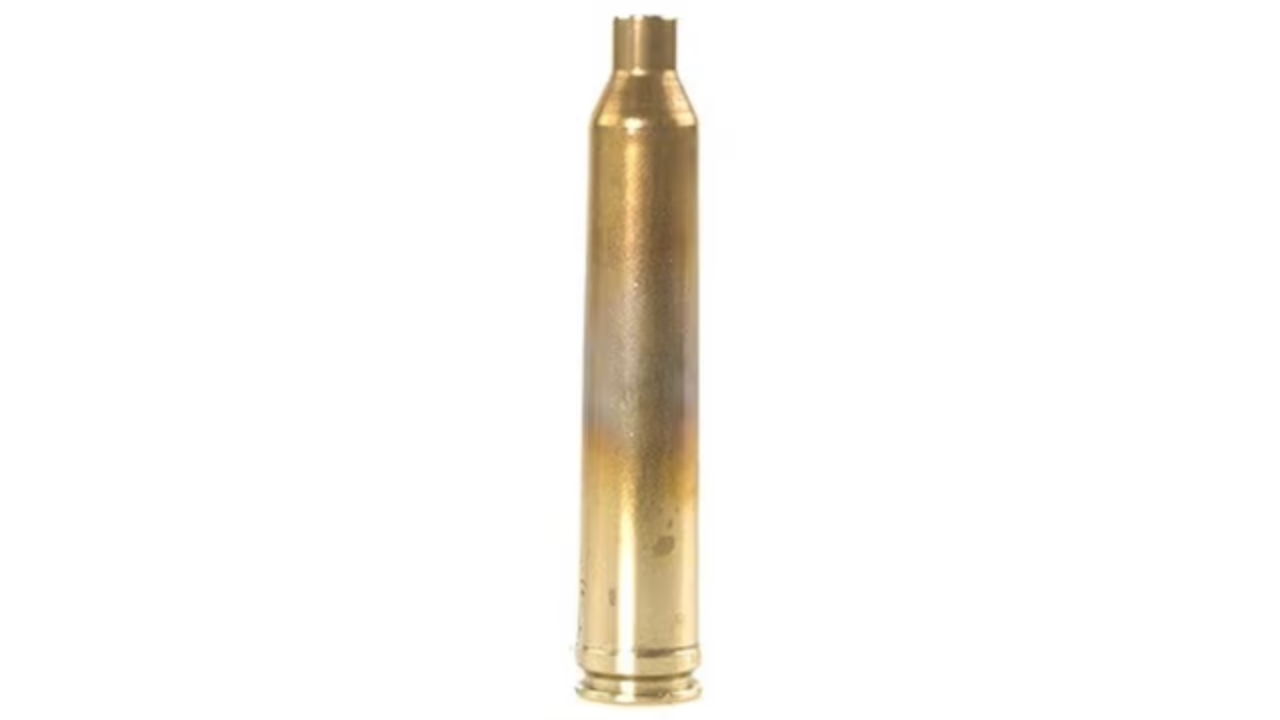
The .244 H&H Magnum always lived in a small corner of the hunting world. Its overbore design and specialized rifles made it a tough sell for everyday hunters. Ammunition was expensive and limited from the start.
Without real demand, the cartridge faded into obscurity early. Today, it’s more of a historical footnote than a practical option for anyone heading into the field.
.17 Winchester Super Magnum

The .17 WSM made a big splash, but not a lasting one. Accuracy complaints, limited rifle options, and higher costs kept most rimfire shooters loyal to the .17 HMR.
As sales slowed, ammo production naturally followed. It still exists, but nowhere near the level you’d need for everyday use. When a rimfire round isn’t widely stocked, the writing is on the wall—that’s why the .17 WSM is slipping away.
Like The Avid Outdoorsman’s content? Be sure to follow us.
Here’s more from us: