Photo credit: Zheltyshev/Shutterstock.com
When things go sideways, it’s not just about what food you’ve got—it’s about what you can do. The right tools make a world of difference in an emergency. They’re not flashy, but they get the job done when it matters. Some tools you’ll use often, others you’ll be glad you had the second something breaks, fails, or needs fixing. If you’re building a real survival setup, here are ten tools you’ll want close by—and you’ll be kicking yourself if you didn’t store them ahead of time.
Multitool
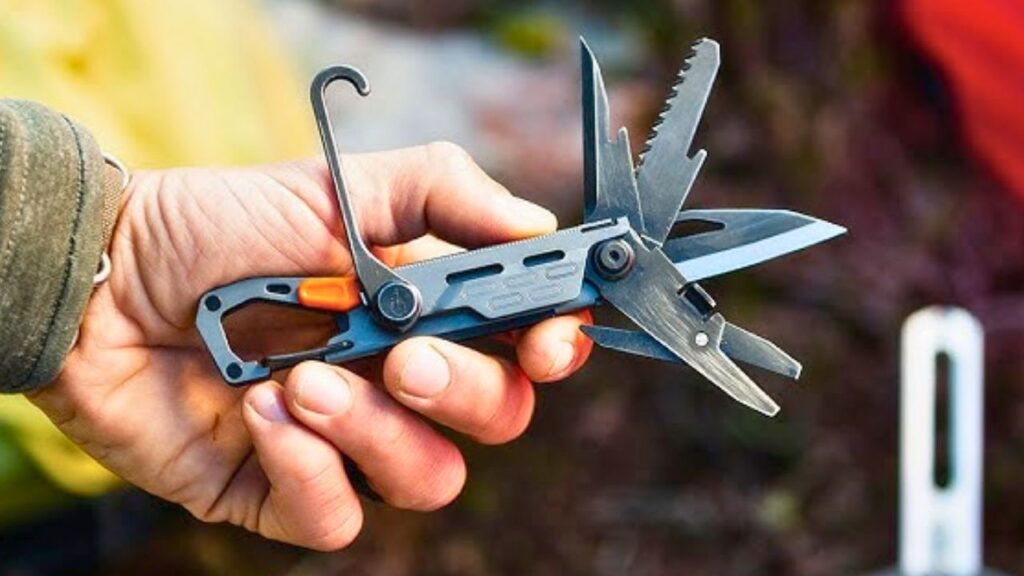
A solid multitool covers more ground than most folks realize. It gives you quick access to pliers, a knife, screwdrivers, a file, and sometimes even wire cutters—all in one. When you can’t carry a full toolbox, this is the next best thing.
It’s perfect for fixing gear, opening cans, making kindling, or doing small repairs on the fly. Keep one in every bug-out bag, truck kit, and shed. They’re compact, dependable, and worth every penny once things get difficult.
Fixed Blade Knife
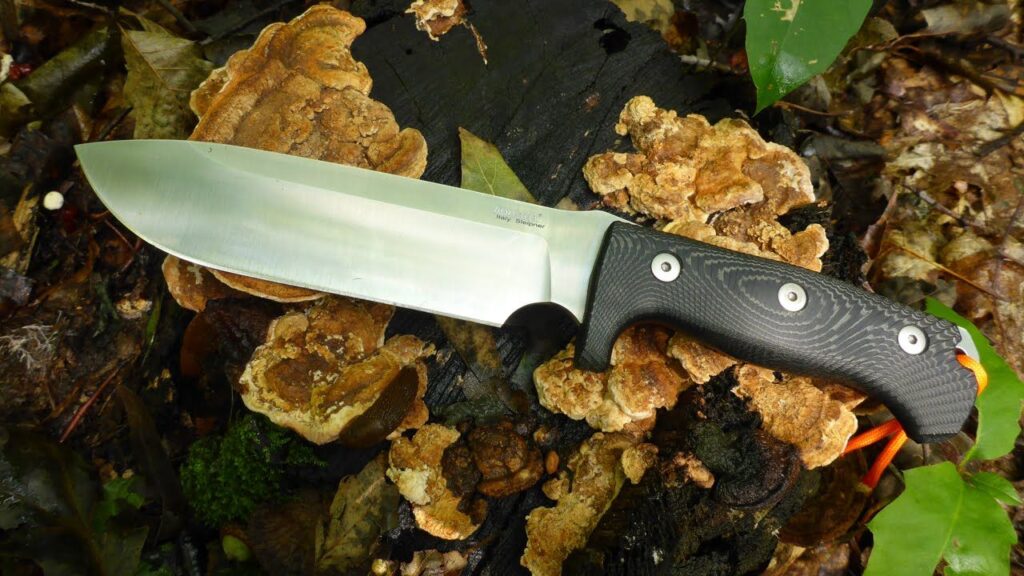
You need a fixed blade that won’t fold, break, or quit when it’s put through hell. A full-tang survival knife can help you process firewood, prep food, build shelter, and even defend yourself if needed.
Make sure it’s sharp, sturdy, and has a sheath you’ll actually carry. Folding knives have their place, but when you’re working hard in the woods or around camp, a strong fixed blade makes life way easier. Keep it stored—but also keep one on your belt.
Hand-Crank Flashlight
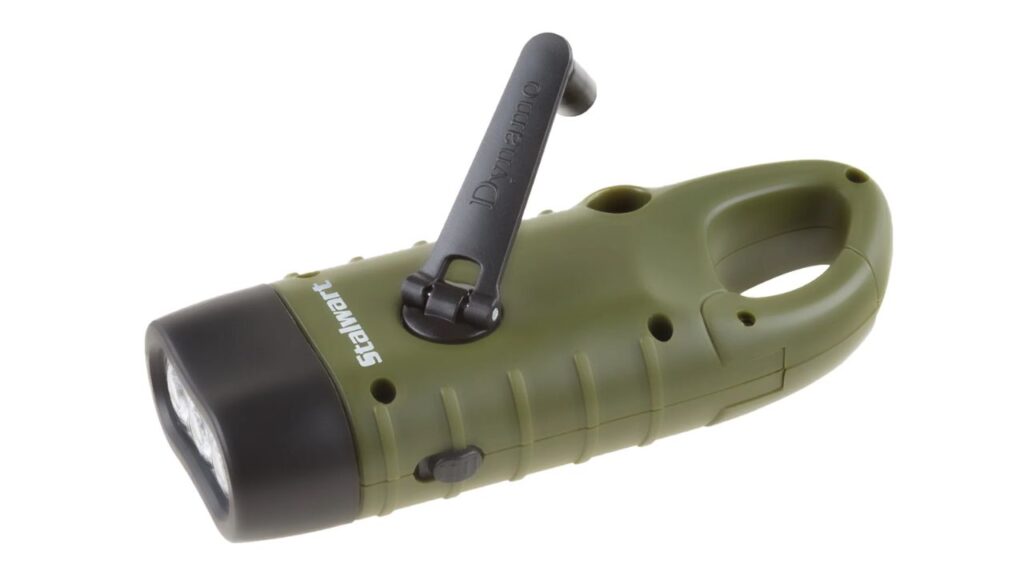
When batteries run out and the power grid’s a memory, light still matters. A hand-crank flashlight doesn’t need anything but your elbow grease. It might not be the brightest, but it always works—no batteries, no excuses.
Some versions also come with radios and USB ports, which is a nice bonus. Even if you’ve got fancier gear, having a crank-powered backup is smart. It’ll keep you out of the dark when everything else fails.
Firestarter
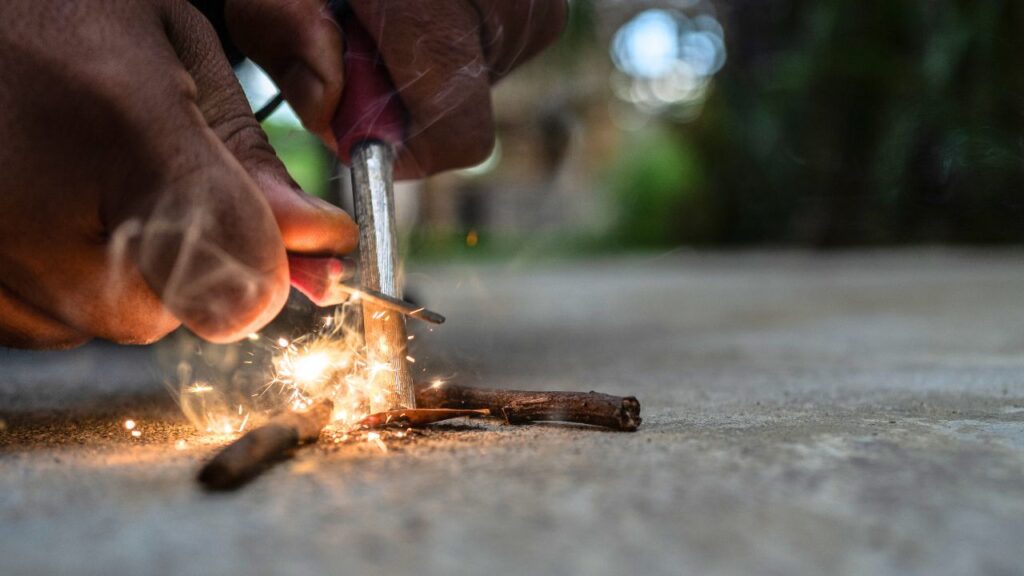
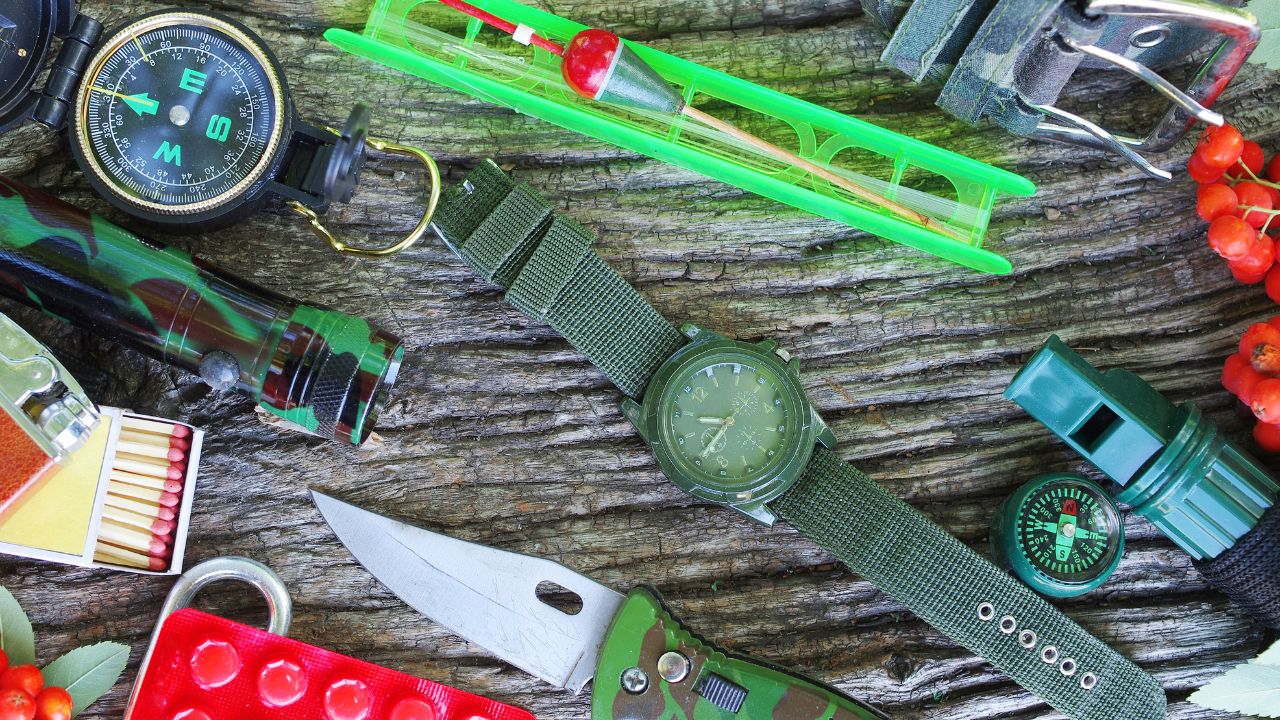
Lighters and matches are handy—until they get wet or run out. A ferro rod or magnesium firestarter won’t let you down the same way. You can spark a flame even in bad conditions, which is exactly what you want when your hands are cold and time is tight.
Practice using it ahead of time so you’re not learning when it matters most. Toss a few in your kits, glove boxes, and storage bins. Fire is survival, and this tool makes sure you can always get one going.
Water Filter
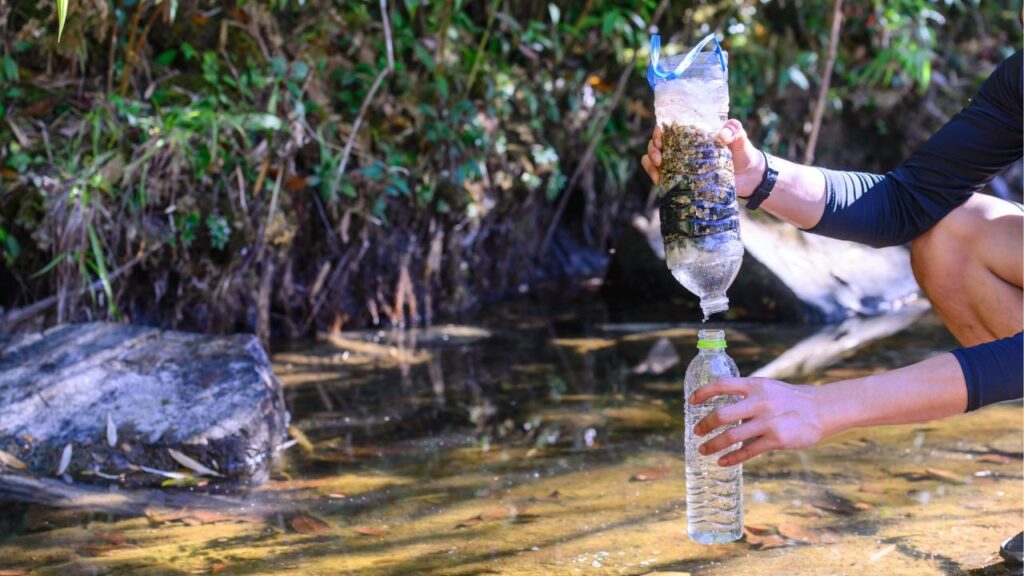
Clean water is non-negotiable, and hauling jugs won’t last long. A portable water filter like a Sawyer Mini or Lifestraw gives you access to safe water from just about anywhere—creeks, ponds, rain barrels, you name it.
It’s lightweight and simple to use, and it takes a major load off your storage needs. Having one stored means you’re not relying on boiling everything or burning through tablets. It’s peace of mind that fits in your pocket.
Folding Saw
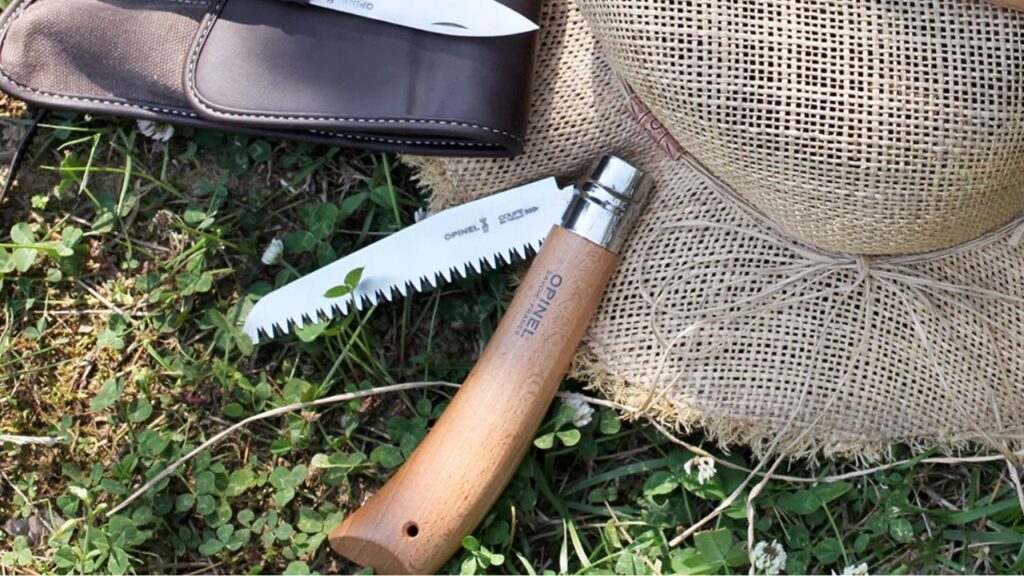
If you’ve ever tried cutting wood without the right tool, you already know—it’s miserable. A folding saw fits easily in a pack but cuts far better than a knife. It’s what you need for firewood, shelters, or clearing a trail.
Get one that locks in place and doesn’t rattle apart after a few uses. Axes are great but bulky. For quiet, clean cuts that don’t wear you out, a folding saw is one of the best things to stash early.
Manual Can Opener
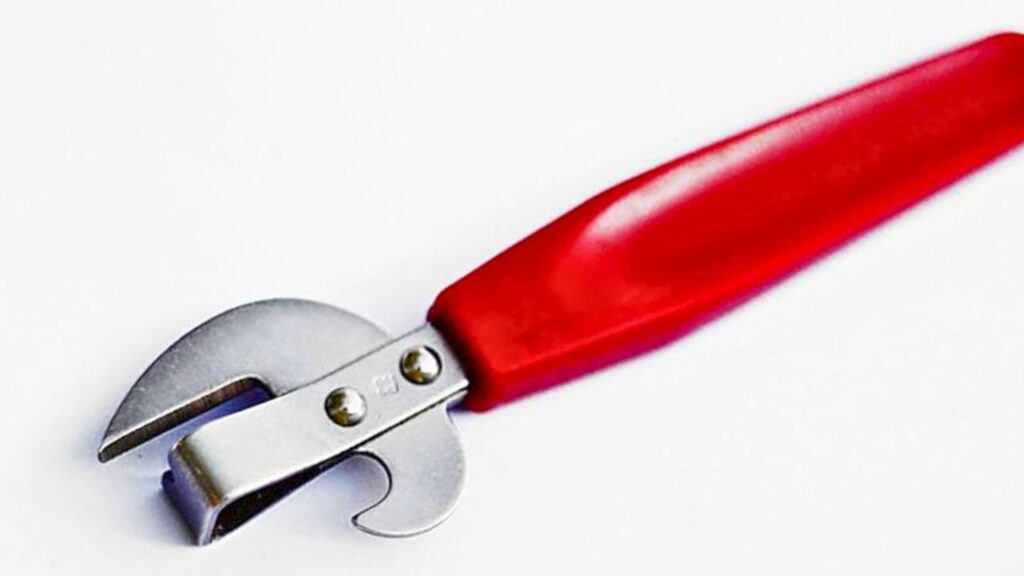
When the power’s out, all those canned goods aren’t much use without a manual opener. It’s such a small thing, but folks overlook it constantly. You don’t want to be hammering open beans with a rock.
Buy a few sturdy ones and keep them in different spots—kitchen, car, bug-out bag. Electric ones won’t do you any good in a blackout. This simple tool keeps you fed and your fingers safe when you’re living off what you’ve stored.
Duct Tape

Duct tape is one of those tools that never lets you down. Patch a tent, fix a pack, seal a window, even make a cup or a rope if you’re desperate. It holds things together when everything else is falling apart.
Store full rolls and smaller wrapped versions in your gear. You’ll be surprised how often it saves the day. It’s not pretty, but it gets the job done over and over again.
Work Gloves
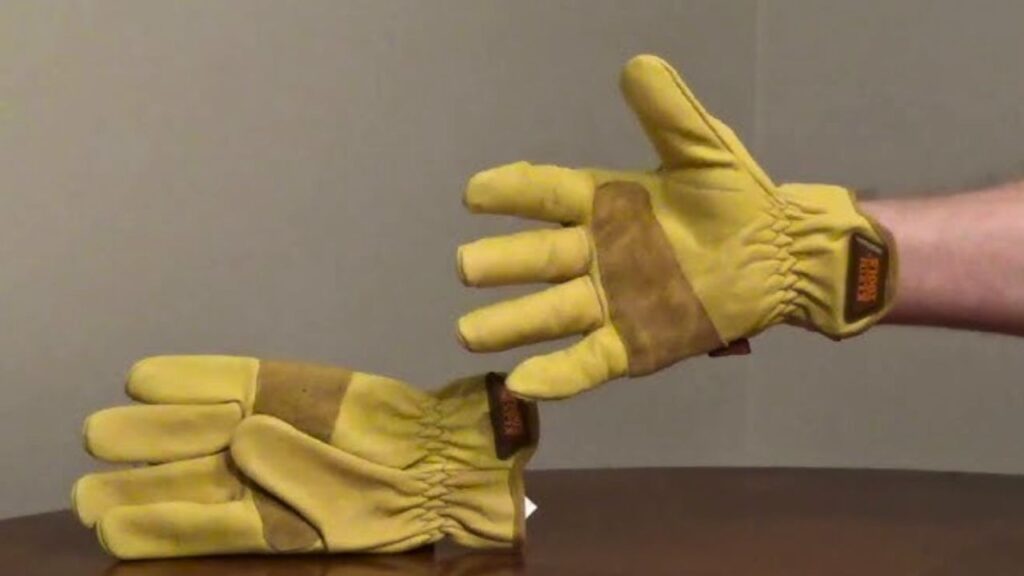
Don’t overlook gloves. In a survival situation, your hands are your biggest asset—and your first liability if they get torn up. A decent pair of work gloves protects you from cuts, burns, blisters, and whatever else you’re working through.
Store a few pairs in different sizes, and make sure they’re actually tough—not just the thin kind you find at a gas station. You’ll be using your hands for everything, so keep them safe and strong.
Compass
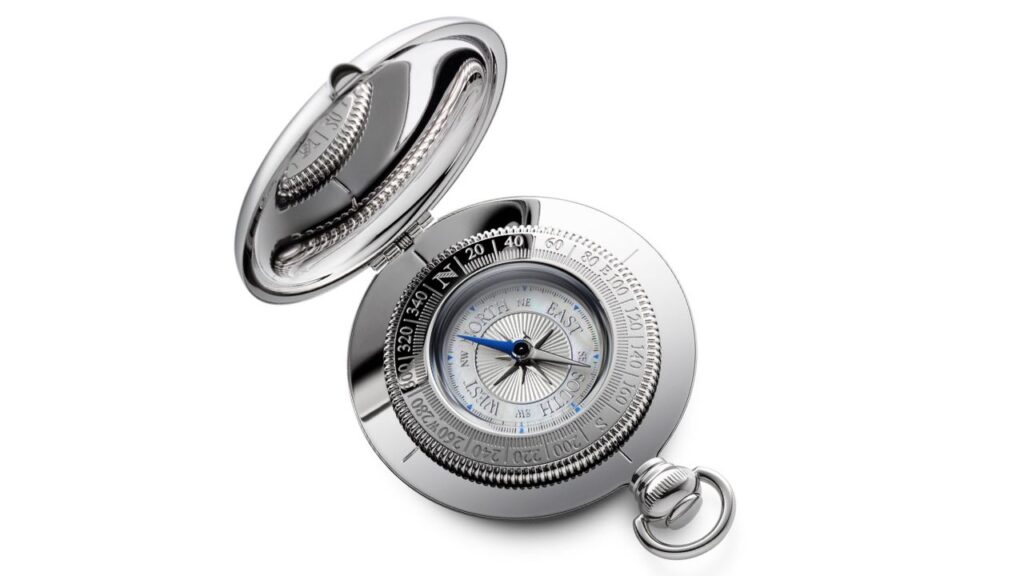
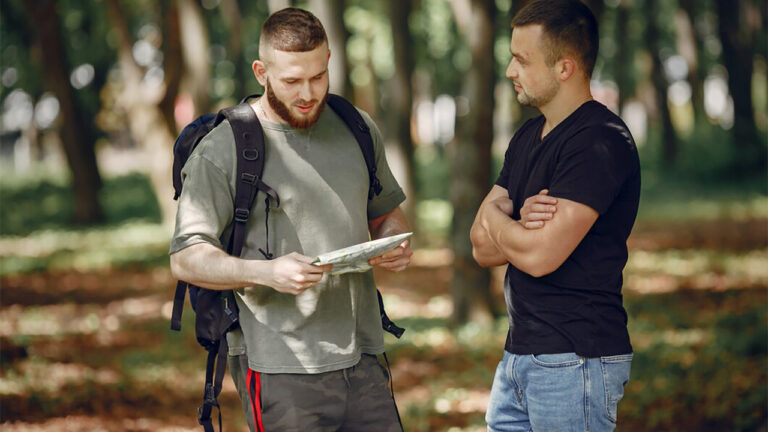
GPS won’t help if it’s dead or you’ve lost signal. A good compass is a backup navigation tool that doesn’t rely on anything electronic. It takes a little practice, but once you know how to use it, it’ll always point you in the right direction.
Pair it with a topo map of your area and you’re ahead of most folks. This is the kind of tool you hope you never need—but you’ll be grateful to have it if things go sideways.
*This article was developed with AI-powered tools and has been carefully reviewed by our editors.