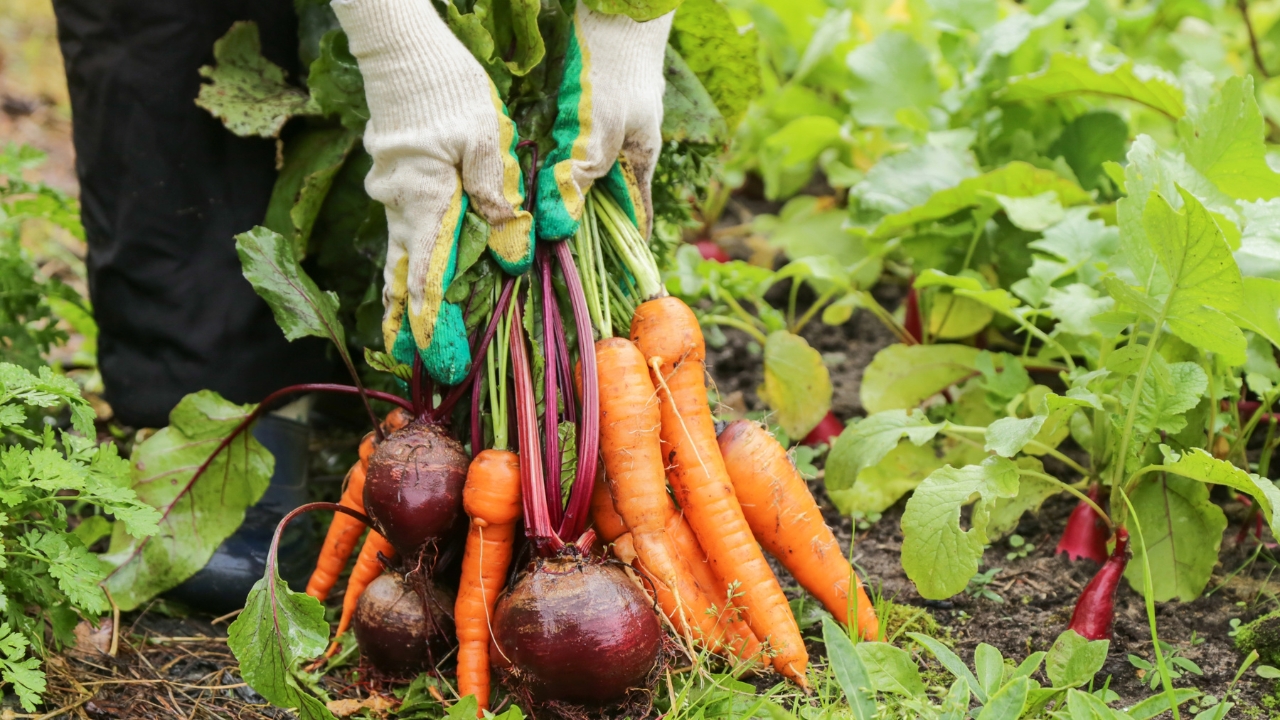
Photo credit: Viktor Sergeevich/Shutterstock.com
When people talk about “hard times food,” they usually picture a couple of stereotypes: a pot of beans that never ends, cornbread every night, maybe some sad watery soup, and everyone somehow living off a single sack of flour like it’s a magic trick. The truth is messier, more regional, and a lot more practical. Americans didn’t survive hard times by eating one heroic “survival meal.” They survived by stretching what they already had, swapping ingredients constantly, using every scrap, and leaning on cheap staples that could be turned into filling meals even when the pantry looked thin. And depending on the era and location—Dust Bowl, the Great Depression, wartime rationing, rural vs. city—what people ate could look very different.
What surprises most people is that “hard times” eating wasn’t always about starvation-level portions. It was about monotony, substitutions, and making food last with what was available. You could have enough calories and still feel like you were eating the same thing forever. That grind is what people imagine wrong.
People imagine “beans and bread.” Reality was flour, potatoes, and cheap fats doing most of the work
Beans mattered, sure, but the real backbone of a lot of hard-times meals was flour, potatoes, cornmeal, rice (in some areas), and whatever fat was available: lard, drippings, bacon grease, or cheap shortening. Those ingredients aren’t exciting, but they’re dense, filling, and flexible. A little flour and fat turns into biscuits, dumplings, gravy, pancakes, or fried dough. Potatoes turn into soup thickener, skillet meals, hash, and filler in casseroles. Cornmeal becomes cornbread, mush, and crusts. When meat was scarce, fat became the flavor and the calorie anchor.
That’s why older recipes are heavy on gravies and “stretcher” sides. It wasn’t because people loved gravy for the art of it. It’s because gravy makes a small amount of protein or drippings feed a lot of people. Same with dumplings—cheap dough that turns broth into a meal.
Protein was often “bits,” not big slabs of meat
People imagine families eating meat every night and then suddenly switching to no meat. The reality for a lot of households was that meat became smaller portions, more occasional, and more chopped up. Beans, eggs, peanut butter, and dairy filled the gap when available. In rural areas, hunting, fishing, and home-raised animals mattered, but that didn’t mean steaks. It meant using the whole animal and making it last. In cities, meat access depended on price and supply, and families leaned harder on cheap cuts, organ meats, and meat-as-seasoning. Sausage, ham scraps, and bacon ends could flavor an entire pot of beans, greens, or soup.
This is where the “people don’t realize what they ate” part comes in. Hard times food often involved things modern families rarely cook: liver, heart, soup bones, and other parts that were affordable and calorie-efficient. The goal wasn’t a perfect dinner plate. It was nourishment and stretch.
Rationing and shortages created substitution culture, not one universal menu
During wartime rationing, hard times food wasn’t just “cheap,” it was shaped by what was restricted. Families learned to substitute constantly: less sugar, less coffee, less meat, less butter. That led to home baking with creative swaps, desserts that used less sugar, and meals built around what was easiest to obtain. People saved and reused fats. They saved bacon grease. They stretched butter. They learned to make do with smaller amounts and still feed a table.
That’s why older cookbooks and family recipes are full of phrases like “use what you have,” because “what you have” wasn’t guaranteed. The hard part wasn’t only the meal. It was the planning, the conserving, and the constant adjusting.
“Hard times” also meant gardens, canning, and seasonal eating doing the heavy lifting
A big difference between imagination and reality is how seasonal and storage-based food was. Home gardens mattered. Canning mattered. Root cellars mattered. People ate what was in season and preserved what they could. In many households, the summer and fall work determined what winter looked like. That’s why hard-times meals often revolve around canned vegetables, preserved fruit, pickles, relishes, and shelf-stable staples. The pantry was a strategy, not a convenience.
People today sometimes romanticize that part, but it was labor. It was time. It was heat. It was using jars over and over and making sure food didn’t spoil because wasting food wasn’t an option.
Americans didn’t survive hard times on one iconic meal. They survived on flexibility: cheap staples, small bits of protein stretched into filling dishes, fat used carefully for calories and flavor, and constant substitutions based on what was available. The difference between reality and imagination is that hard times eating was less about dramatic “survival food” and more about repetition, stretch, and planning. If you’re thinking about preparedness today, that’s the lesson that holds up: the families who did best weren’t the ones with fancy solutions. They were the ones who could turn basic staples into meals over and over without wasting anything.
Like The Avid Outdoorsman’s content? Subscribe to our newsletter so you never miss an article.
Here’s more from us: