Photo credit: Deborah Ferrin/Shutterstock.com
Wild predators get a lot of blame they don’t fully earn. Most attacks on people in North America come from domestic animals, vehicles, and small things like bees and wasps—not from bears and big cats. Still, some predators clearly pose a higher direct risk than others based on recorded attacks, fatalities, and how often people share space with them. The ranking below focuses on wild predators and leans on long-term data from biologists and human–wildlife conflict research, not campfire stories. Overall risk is still low, but if you spend time outside, it helps to know which animals deserve the most respect.
1. Black bears

Black bears are responsible for more encounters and a good chunk of serious attacks simply because there are so many of them and they overlap heavily with where people camp, hike, and live. Most black bears avoid trouble, but food-conditioned animals and predatory males occasionally target people, especially in remote country where bears don’t see a lot of humans.
Risk jumps when folks ignore food-storage rules, surprise bears at close range, or let kids and dogs range ahead on trails. In campgrounds and cabins, unsecured trash and coolers create “problem bears” that see people as a meal ticket. The attack numbers are still low compared to vehicles or dogs, but if you’re talking wild predators in North America, black bears sit near the top of the real-world risk chart.
2. Brown / grizzly bears

Grizzlies and coastal brown bears cause fewer total incidents than black bears because their range is smaller, but the attacks they do have are more severe, and the fatality rate is higher. You’re sharing ground with a heavier, more assertive animal that treats big game and carcasses as serious property and doesn’t mind enforcing distance.
Most grizzly attacks are defensive—surprise at close range, sows with cubs, or bears guarding food. In places like Alaska and parts of western Canada, more people are pushing into bear country to hike, hunt, and fish, which raises the odds of bad encounters. Good bear-country habits—spray, noise in thick cover, clean camps, and reading sign—make a real difference. Get lazy with any of that in griz country and you’re stacking the deck against yourself.
3. American alligator

In the Southeast, American alligators are responsible for a growing number of serious attacks as development pushes more people into marshes, lakes, and retention ponds. They don’t hunt humans on purpose as a rule, but they’re ambush predators that react fast to splashing, small silhouettes, and animals at the water’s edge.
Risk goes up when people swim at dawn or dusk, walk dogs along the shore, or let kids wade in murky water where gators are known to live. Feeding them is a big problem; once an alligator loses its fear of people and associates humans with food, it’s a candidate for a bad headline and then a removal order. Compared to most land predators, their strike zone in the water makes mistakes costlier.
4. Cougars (mountain lions)

Cougar attacks on humans are rare, but they can be deadly when they happen because cougars are built for surprise kills on deer-sized prey. Long-term records show a few dozen fatal attacks in North America over more than a century, with many more non-fatal incidents in the last few decades as people move deeper into lion country.
Most attacks involve joggers, bikers, or kids who trigger the cat’s chase reflex, or people who run and turn their backs. The crucial point: cougars often stalk first. A lion that closes distance silently and tests your reaction is not “being curious” in a friendly way. Making yourself look bigger, facing the cat, throwing rocks, and fighting back if it commits are the recommendations for a reason—they line up with the cases where people walked away.
5. Coyotes

Coyotes are small compared to bears and cougars, but they’re bold, adaptable, and increasingly comfortable inside cities. Research on large-carnivore incidents found coyotes made up roughly a third of recorded attacks in North America over some study windows, though most were non-fatal.
Most risk is to children and pets around parks, greenbelts, and neighborhoods where coyotes have been fed or have learned that yards hold easy food. They test boundaries with quick approaches and retreat if challenged. When nobody pushes back, they become more confident, and nips or full bites follow. Hazing—yelling, throwing objects, using air horns—and closing down food sources usually turns them back into wary, wild animals. Ignore them and keep feeding outdoor cats, and you’re basically training them to push further.
6. Polar bears

Polar bears cause very few total attacks because hardly anyone lives in their core range, but when they do go after people, the stakes are high. They’re large, predatory bears that rely on hunting big prey on open ice. Studies of attacks in Arctic regions show a higher rate of fatal outcomes than with black bears, simply due to size and behavior.
Most incidents involve hungry, sub-adult bears investigating camps, communities, or lone travelers, often in poor ice years when natural hunting is harder. People in polar bear country rely on deterrents, electric fencing, firearms, and dogs to keep bears at a distance. For the average outdoorsman in the Lower 48, they’re a non-issue. For a small number of folks in the North, they’re the top-end predator you build your whole safety plan around.
7. Sharks (great white, bull, tiger)

Shark incidents in North America are heavily concentrated along U.S. coasts, especially Florida and parts of the Atlantic and Pacific where swimmers, surfers, and baitfish overlap. Bull, tiger, and great white sharks account for most serious and fatal attacks, but the numbers are still low relative to how many people enter the water every year.
Most bites are exploratory hits on surfers or swimmers who look like prey silhouettes from below. Fatality rates have dropped with faster response and better medical care. Risk climbs when bait, seals, or chum concentrate in one area, or when people swim near active fishing. Managing risk looks like basic ocean sense: avoid murky water at dawn or dusk in known shark areas, stay out of big bait schools, and get out if birds and fish are going crazy.
8. Feral hogs / wild boar

Feral hogs rarely hunt people, but when they do hit, it’s ugly—tusks, low center of gravity, and a tendency to charge when cornered. They’re now spread across much of the U.S. South, parts of the Midwest, and up the West Coast, with a long record of injuring hunters, dog handlers, and landowners who get too close.
Most incidents happen during hunts, trapping, or close-quarters encounters in thick cover. Hogs like to bolt past you, but wounded animals or boars pressured in tight brush will come straight in. Because they’re strong and fast, there’s not much reaction time. They don’t rack the same body count as vehicles or bears, but if you spend time in pig country, they’re a very real physical threat you need to plan gear and shot choices around.
9. Wolves

Wolves have a huge fear reputation and a tiny attack record in North America. Over modern decades, documented serious attacks are extremely rare, and fatalities are even rarer—far fewer than from bears or cougars. Most wolves want nothing to do with people and vanish long before you see them.
When attacks have occurred, they usually involved habituated wolves that had been fed, wolves in areas where garbage or food was available, or, in a few cases, sick or desperate animals. For hunters and backcountry users, the main wolf “risk” is to dogs and livestock, not to your own hide. Still, treating them like wild animals—no feeding, no close approach for photos, no conditioning them to camps—keeps that already small risk near zero.
10. Lynx and bobcats

Bobcats and Canada lynx have the tools to hurt a person—claws, teeth, and a lot of athleticism—but attacks are extremely rare, and almost always defensive or rabies-related when they do happen. These cats make a living on small prey and prefer escape over a fight with something your size.
Most documented incidents involve cornered animals, sick cats, or people trying to handle or trap them without enough caution. For hunters, the risk is mostly to hounds that run into an irritated cat in thick cover. The biggest “threat” to people is actually the distraction—bobcats on deer cams tell you a lot about how many predators are working your ground, but they aren’t lining up to treat you like a meal.
11. Wolverines

Wolverines look like they should be a huge problem for people—stocky bodies, big claws, and a willingness to stand up to much larger carnivores at carcasses. In reality, attacks on humans in North America are virtually unheard of. Most encounters are brief sightings or sign near kills in remote alpine and boreal country.
They absolutely can be dangerous at close quarters if cornered or handled, and anyone who’s seen what they do to meat and bone knows they’re not a joke. But they don’t seek humans out. Risk comes from putting yourself in the worst possible situation—trapping, handling without protection, or walking right up on a wolverine at a fresh carcass where it already feels pressured. For normal backcountry travel, they sit pretty far down the danger scale.
12. Red and gray foxes
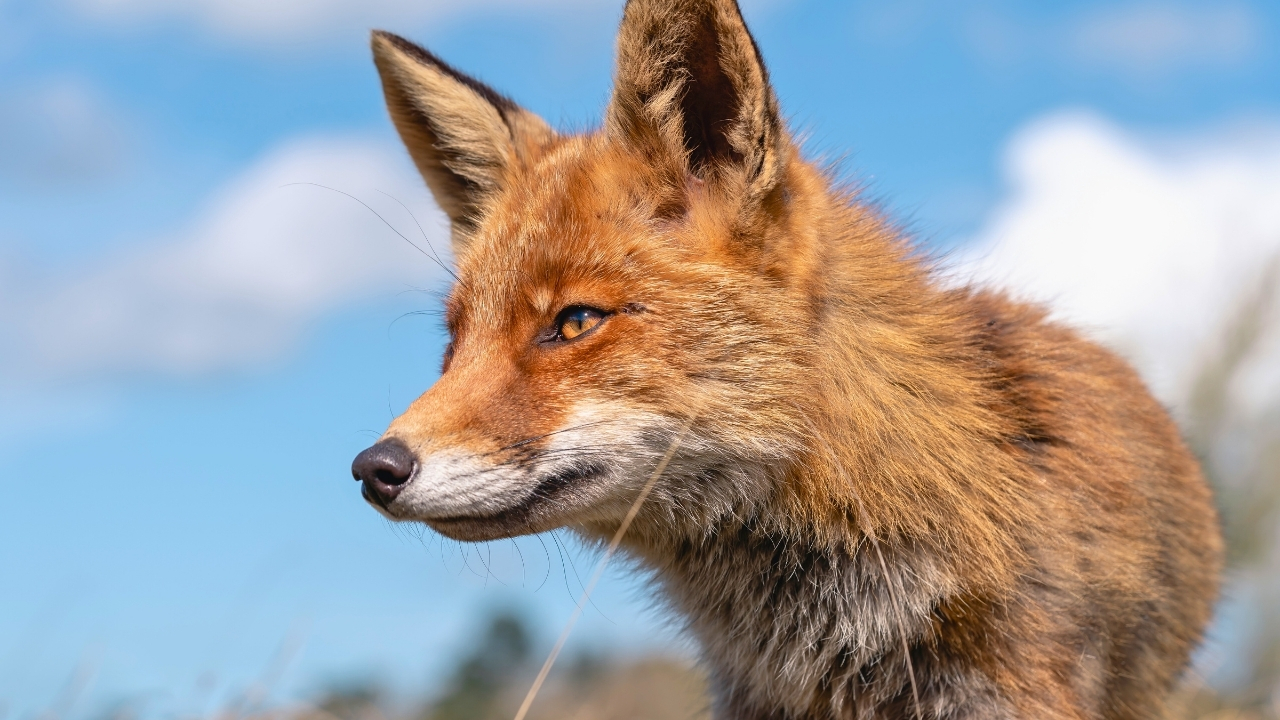
Red and gray foxes are small predators that mostly go after rodents, rabbits, and birds. Their direct risk to people is minimal in terms of pure attack, but they show up in bite statistics because they live so close to human housing and can carry rabies in some regions.
Most bites come from foxes that are sick, cornered, or being handled. The bigger risk is disease exposure from a bite or scratch, which is why wildlife agencies push hard on not feeding them and not treating them like outdoor pets. For folks living rural or on the edge of town, the main concern is poultry and small pets, not personal safety. Still, any fox acting tame or “off” should be a red flag, not a photo op.
13. Large raptors (eagles, big hawks, owls)
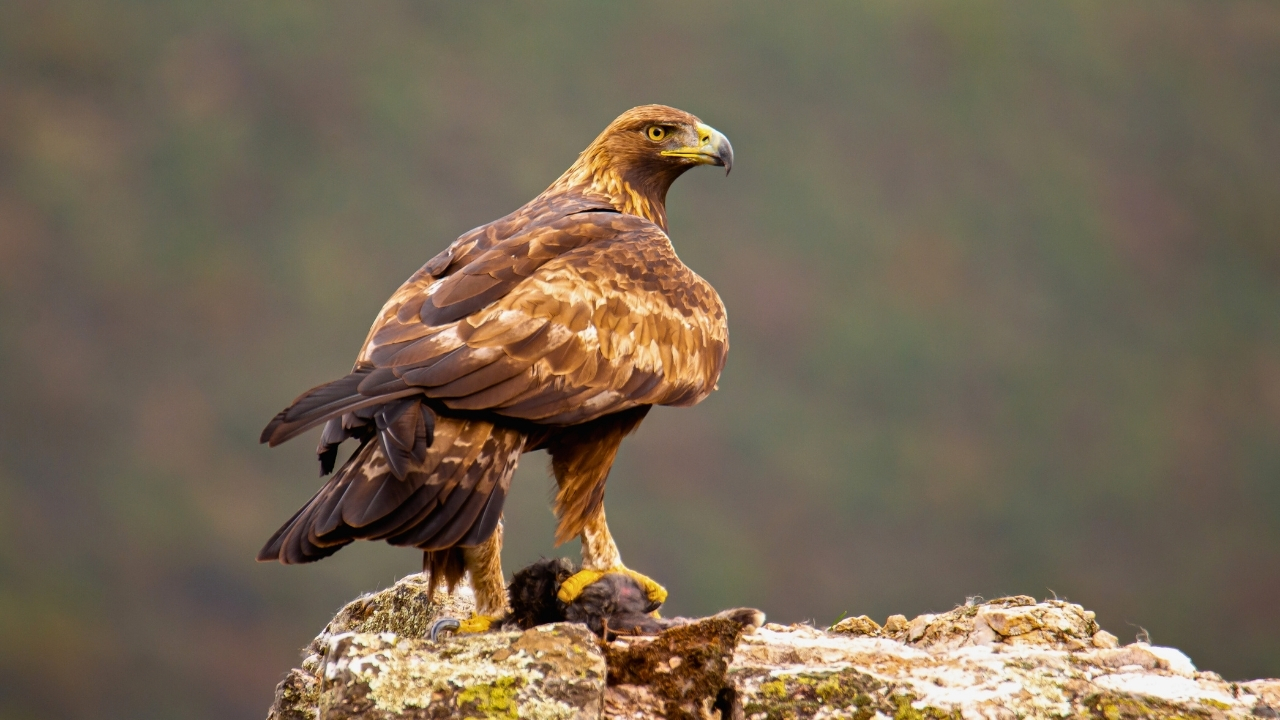
Golden eagles, big hawks, and large owls are powerful predators that can absolutely injure a person, but documented attacks in North America are rare and usually defensive—nest defense or mistaken grabs on hats and small pets. They’re built to pick up rabbits and birds, not adults.
Most injuries involve scalp cuts, eye injuries, or scratches when someone gets too close to a nest or tries to handle a bird. From a risk standpoint, they rank low compared to anything on four legs. For hunters and landowners, the main “conflict” is around small livestock and game birds, not personal danger. Keep some space around obvious nest areas in spring and you’ll likely never have a problem with them.
14. Jaguars (northern Mexico / borderlands)

Jaguars barely clip North America—small numbers in northern Mexico and the occasional wandering male documented in the U.S. Southwest. In parts of Latin America, jaguar attacks on humans do happen, but they’re still rare and often tied to habitat pressure and loss of natural prey. In North America’s slice of their range, contact with people is limited.
Risk is highest for people working on foot in dense jungle or riparian brush where jaguars hunt, but that’s largely south of the U.S. border. In the few places where they might cross into American ground, they’re monitored closely and usually turn into camera-trap sightings, not confrontations. On any continent where they’re established, though, you treat a big spotted cat as a serious predator and give it plenty of space.
15. Raccoons (honorable mention for bite and disease risk)

Raccoons are not chasing people down, but they make this list on the very low end because they’re common, comfortable around houses, and quick to bite when cornered. They’re also key carriers of rabies in some regions. Most raccoon bites happen when someone tries to “rescue” an animal, breaks up a pet conflict, or corners one in a shed or trash can.
From a pure predation standpoint, they don’t rank with bears or cougars at all. From an everyday-life standpoint, they’re one of the wild carnivores most likely to put teeth on a human hand. Gloves, common sense, and letting wildlife officers handle sick or trapped animals take that already small risk and push it down even further.
Like The Avid Outdoorsman’s content? Be sure to follow us.
Here’s more from us: