Photo credit: IakimMaksim/Shutterstock.com
Some dogs act like they came pre-installed with “sit” and “stay.” Others hear the same words, look you dead in the eye, and go right back to whatever they were doing. A lot of that isn’t “bad” behavior—it’s breeding. These dogs were built to work independently, follow their nose, or guard on their own judgment, not wait for every little instruction. You can train them, but it takes more patience, more structure, and better rewards than the average family is ready to give. If stubborn dogs drive you nuts, these are the ones you should think hard about before you bring home.
1. Siberian Husky
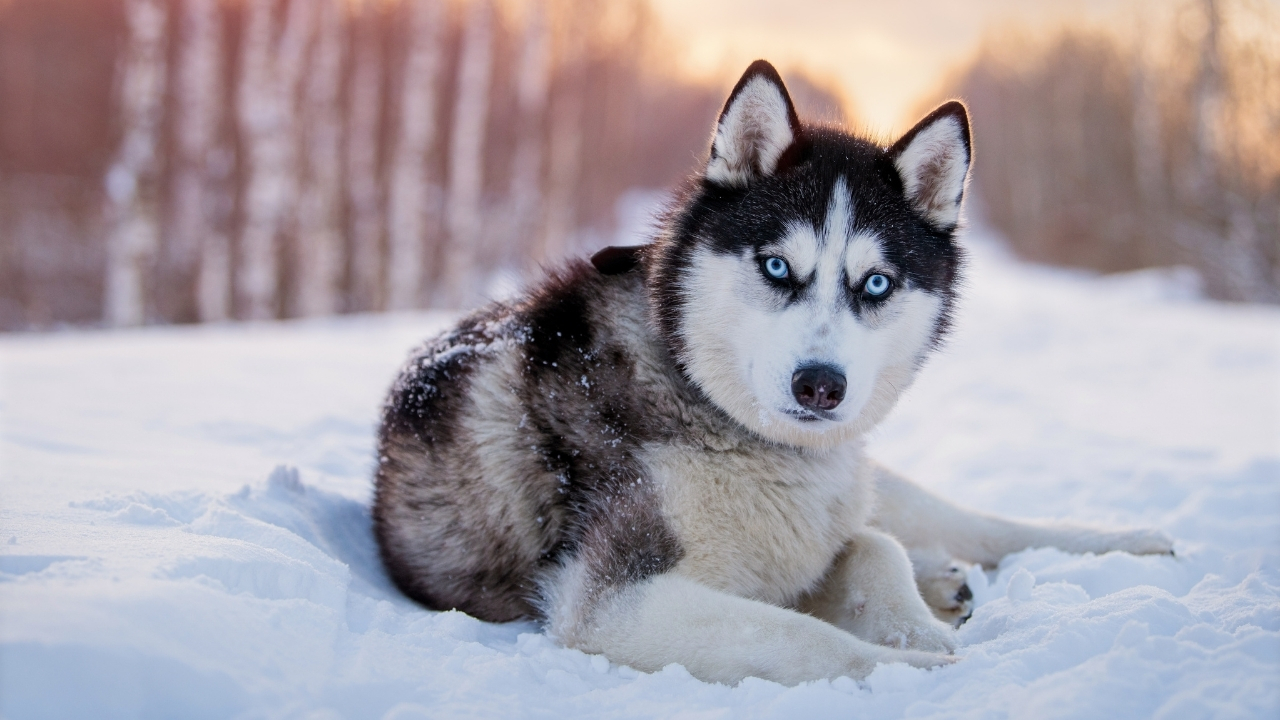
Huskies are smart enough to know what you’re asking and bold enough not to care. They were bred to run in harness, follow the trail and the team, and make decisions in bad weather, not heel perfectly next to a stroller. When a Husky decides it’s time to drag you down the sidewalk, your “heel” command ranks somewhere below “look at that squirrel.” They also get bored fast, so basic obedience feels like pointless busywork to them. You can get good manners out of a Husky with firm rules, serious exercise, and a sense of humor—but you’ll never bully one into obedience.
2. Afghan Hound

Afghans were built to hunt over big country, spot game, and chase it down at speed. That means a lot of independence and very little interest in asking your opinion first. Around the house they often act like polite, distant roommates: they hear you, they understand you, and they’ll decide later if it’s worth doing. Come when called? Maybe, if nothing more interesting is moving. Sit and stay? Sure, for about three seconds. They’re not dumb; they’re just not wired to see obedience as a full-time job. If you want an Afghan to listen, you have to make every command worth their trouble.
3. Basenji

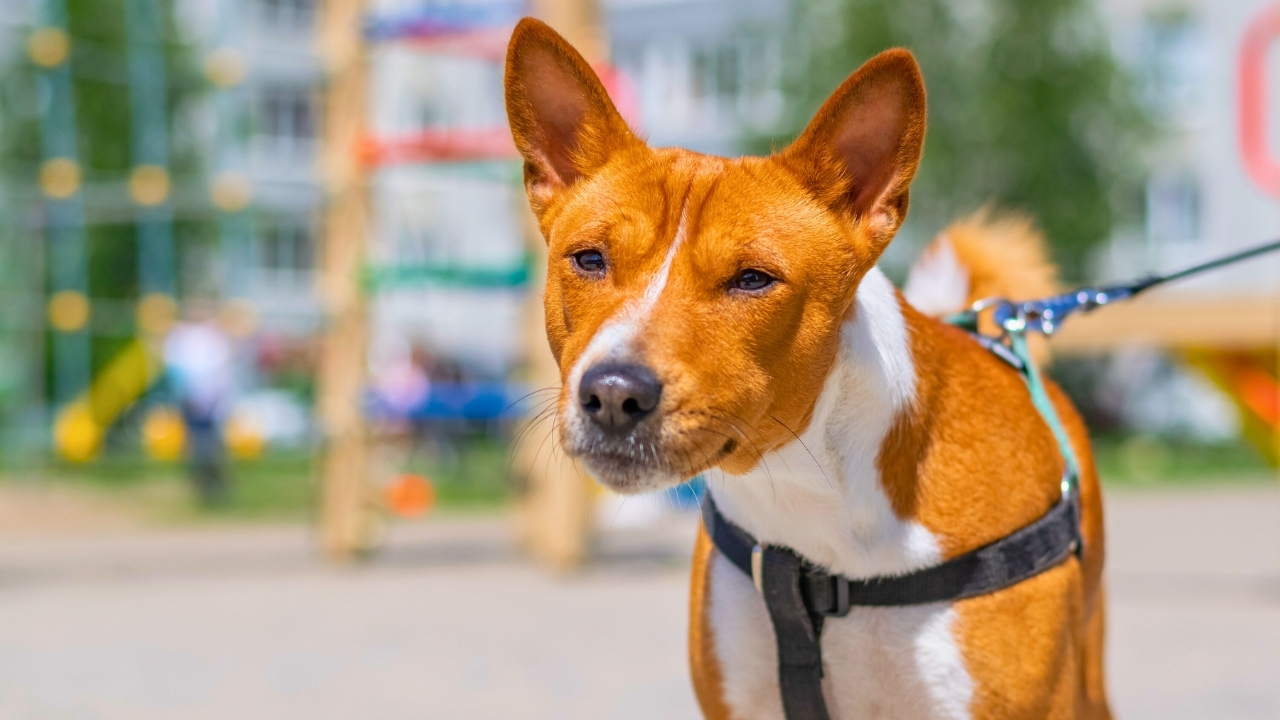
Basenjis are compact little problem-solvers who think their way through situations instead of waiting on orders. They’re sighthounds with cat-level independence, and it shows any time you try to drill commands. You can spend weeks teaching “come” in the yard and watch it evaporate the second something rustles in the brush. They also don’t care much about pleasing you for its own sake, so the usual “good boy” routine doesn’t move the needle. Training a Basenji means short sessions, high-value rewards, and a lot of management. Skip that, and you’ll have a dog that treats your commands like mild background noise.
4. Beagle

Beagles were designed to follow scent, not orders. Once their nose locks onto a trail, their ears might as well turn off. Out in the woods, “come here” and “leave it” instantly lose to “rabbit went this way.” They also love food, which means they’ll do great in training class where the treats are flowing and then completely ignore you outside when there’s real scent under their feet. Most frustrated Beagle owners eventually realize you don’t out-command the nose—you manage it. Long lines, fenced yards, and rock-solid routines matter a lot more than shouting the same word ten times from the porch.
5. Bloodhound

If Beagles are nose-first, Bloodhounds are nose-only. They were bred to track human scent over insane distances, and that job doesn’t involve stopping to ask if you still approve. Once a Bloodhound locks onto a trail, they lean into the harness and go, and your carefully taught “heel” is gone like it never existed. Around the house, they’re gentle and good-hearted, but they still have that “I’ll get to it later” approach to most commands. Training one means working with the nose instead of against it—tracking games, structured walks, and accepting that recall will never be as clean as it is with a biddable herding dog.
6. Basset Hound

Bassets are low-slung scent hounds with a lazy streak, and that combination can make obedience feel like a bad joke. Ask them to come in from the yard and you’ll often get a long, slow look and maybe a yawn before anything happens. They understand; they’re just not impressed. Give them an interesting smell and they’ll shuffle toward it like you never spoke. You can get basic manners out of a Basset with patience, food rewards, and clear routines, but you’ll never get Border Collie-level responsiveness. Anyone expecting instant compliance from a breed built to follow its nose all day is setting themselves up to be ignored.
7. Shiba Inu

Shibas are fully capable of learning commands. They just see no reason to follow them if the payoff isn’t high enough. They’re independent, sharp, and more interested in controlling their own day than listening to you run through obedience drills. Call them at the park and you’ll often get a quick glance, a mental coin flip, and then either compliance or a trot in the opposite direction. Pressure and yelling usually make them more stubborn, not more obedient. If you want a Shiba to respond, you use high-value rewards, tight management, and accept that a “finished” recall will always have a little “if I feel like it” baked in.
8. Chow Chow
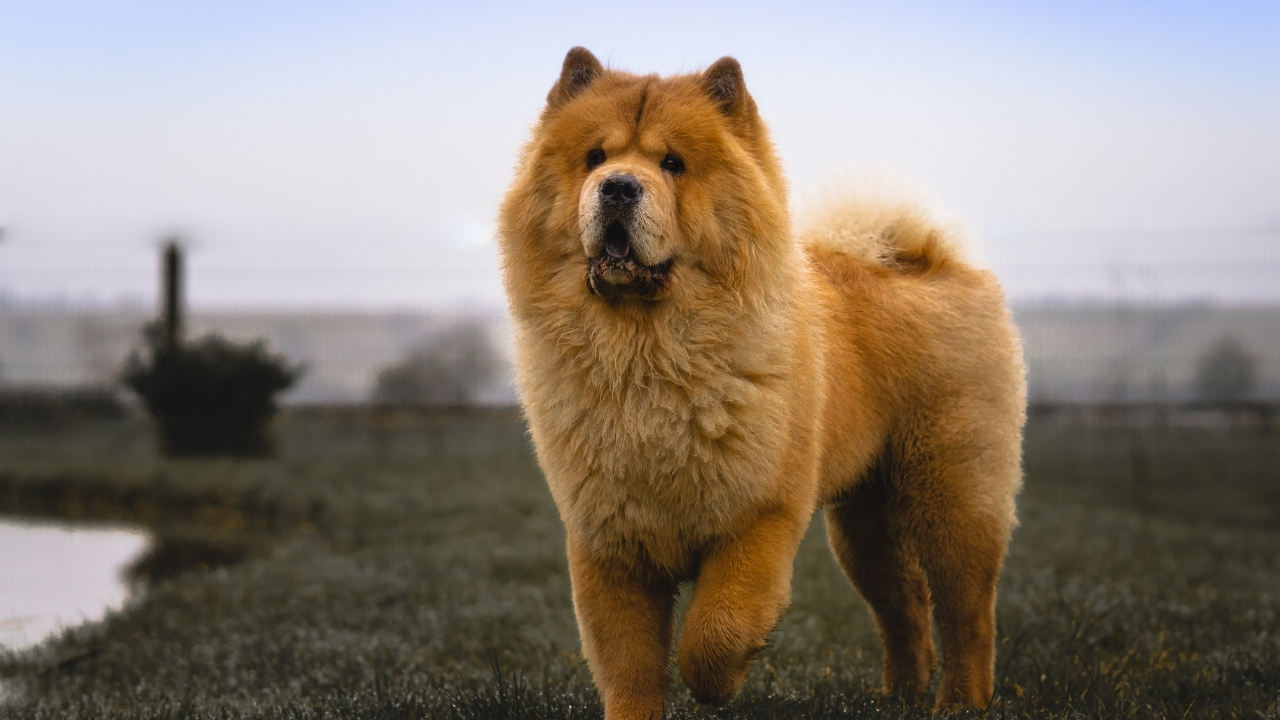
Chows have an old-guardian mindset that doesn’t lean toward “yes sir, right away.” They’re serious dogs that make up their own mind about people and situations. When you give a command, they don’t automatically assume it’s important; they run it through their own filter. Sit? Maybe. Move off the couch? Eventually. Come when called? Only if there’s mutual benefit. They’re also not big on being physically pushed around, so heavy-handed training backfires fast. To get real obedience out of a Chow, you need calm consistency, respect for their boundaries, and rewards that make sense to them. Treat them like a golden retriever and they’ll blow you off all day.
9. Akita

Akitas are loyal and serious, but they’re not automatic rule followers. They evaluate commands instead of jumping to obey. In their head, “sit” sounds more like a suggestion than a requirement, especially if something more interesting is happening. Their guarding background means they’re used to making judgment calls on their own, not checking in every three seconds. That independence shows up as slow responses, selective hearing, and a lot of “I heard you; I’m busy.” Training an Akita takes firm, fair rules from the start, plus clear leadership. Bribery alone doesn’t cut it, and nagging makes things worse. If you don’t act like someone worth following, they simply won’t.
10. Great Pyrenees

Great Pyrenees are built to sit on a hillside and decide for themselves what’s a threat and what’s not. That doesn’t translate well to “down” and “stay” in a suburban living room. They listen when they see the point. When they don’t, they drift back to whatever they were doing—usually watching the yard or napping in a doorway. Outside, if they think the livestock, property, or kids need watching more than they need to come when you call, they’ll stay on station and ignore you. You can build decent obedience with early work and a lot of patience, but you’ll never completely erase that “I’ll handle it my way” streak.
11. English Bulldog
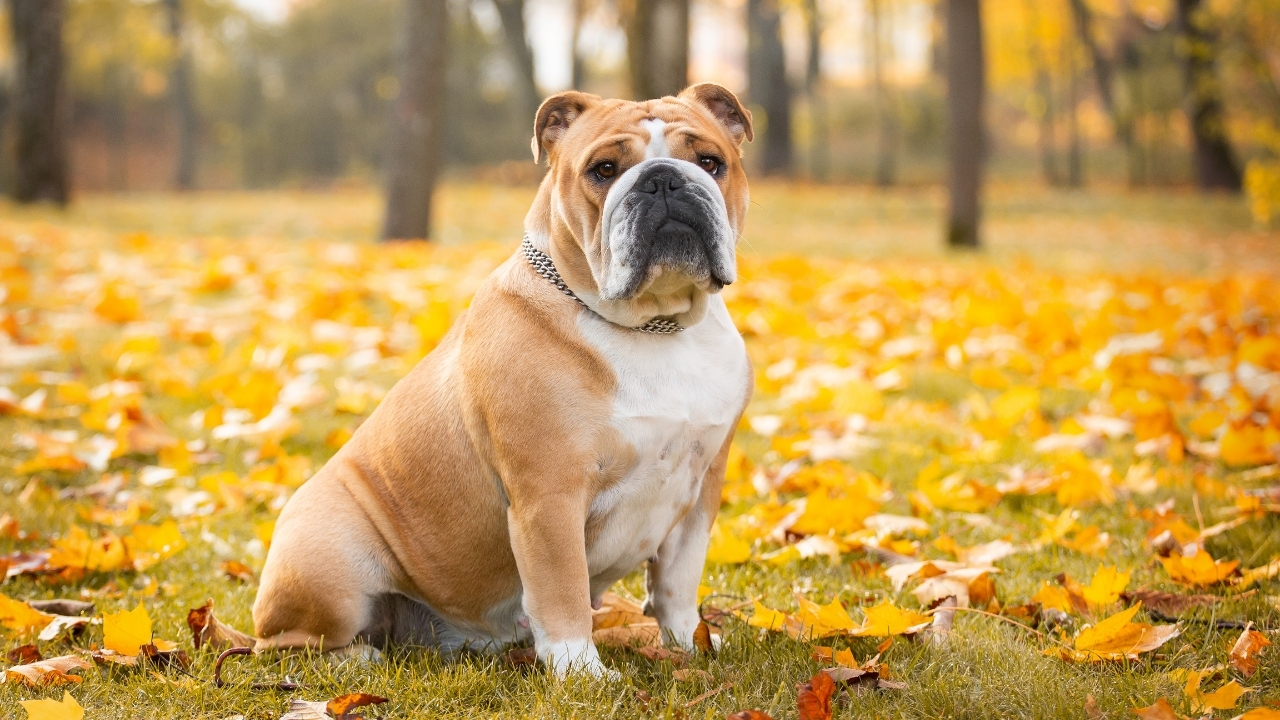
Bulldogs aren’t built for long training sessions or high-speed obedience. They’re stubborn, heat-sensitive, and very aware of their own comfort level. Ask them to do something they don’t feel like doing and you’ll get the classic “statue” response—plant all four feet and refuse to move. They absolutely can learn commands; they just prefer short, fun reps with big rewards. Marching them through endless drills usually wins you more resistance, not more respect. If you roll with their pace, keep sessions brief, and don’t pick unnecessary battles, you’ll get enough cooperation to live with. Expect snappy, military-style obedience, and you’ll spend years staring at a dog that pretends you don’t exist.
12. Jack Russell Terrier

Jack Russells are bright, athletic, and convinced the world is their project, not yours. They were bred to bolt foxes and other game out of cover, making fast choices in tight spots without anyone whispering commands. In a house, that turns into a dog that hears “come,” weighs it against “there might be a critter under that shed,” and chooses the shed. They’re too smart to be browbeaten into listening and too driven to sit through long, boring drills. You can absolutely get solid obedience, but it comes from channeling their energy into work—agility, hunting, real jobs—not nagging them from the back door.
13. Treeing Walker and other coonhounds

Coonhounds were bred to range out, pick up a scent, and follow it until they pushed game up a tree and let the world know with their voice. None of that requires tight obedience. Once they get their nose on a track, they’re mentally gone; your recall command is background noise behind the smell of raccoon or squirrel. Around the house they can be sweet and easygoing, but get them outside and the hunting program takes over. Training one well means leashes, long lines, fences, and a lot of controlled scent work. Rely on voice commands alone and you’ll spend your nights calling into the dark.
14. Weimaraner

Weimaraners are high-octane hunting dogs with a busy brain and a tendency toward anxiety if that energy doesn’t have a job. That combination makes them selective listeners. You can teach sit, stay, and recall in the yard and watch it fall apart the moment they see birds, deer, or anything moving in the field. They’re bonded to their people, but their drive often outruns their manners. They also get bored with repetitive drills and start improvising. Good Weim owners build obedience into real work—tracking, upland hunting, structured runs—so commands feel like part of the job. If you don’t, you get a dog that hears you and goes anyway.
15. Lhasa Apso
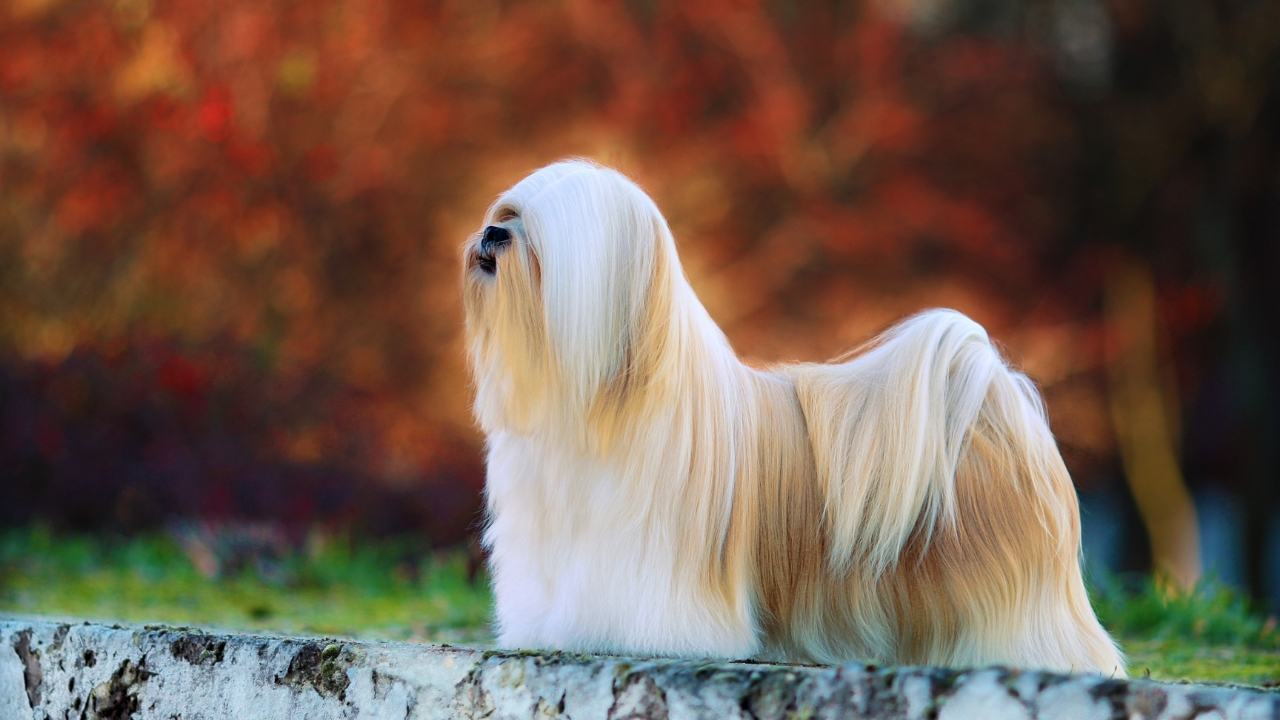
Lhasas look like lapdogs but think like little guards. They were bred to watch doorways in monasteries, not to run through obedience routines all day. A lot of them hear commands, blink slowly, and keep doing whatever they were already doing. They’re more likely to respond consistently to routines and boundaries than to random “sit, stay, come” demands. With a Lhasa, you get farther by setting house rules—where they can go, when they eat, how they greet people—than by pushing for fast, snappy responses. They’ll learn the basics, but if you expect golden retriever obedience out of a dog that thinks its main job is security, you’re going to feel ignored.
Like The Avid Outdoorsman’s content? Be sure to follow us.
Here’s more from us: