Photo credit: PS Gun Channel/YouTube
The handgun world loves a launch. Every year brings another batch of optics-ready slides, revised textures, new acronyms, and marketing that tries to make last year’s carry gun sound outdated. Some of those guns are genuinely good. A lot of them are just familiar ideas in slightly different packaging. That is why older handgun designs still matter so much. The best of them solved real problems a long time ago and never needed constant reinvention to stay useful.
What keeps these older designs relevant is not nostalgia alone. It is the fact that they still shoot well, carry well, and hold up under real use. Many have already outlasted entire waves of trendier pistols that arrived with more noise than staying power. When a handgun keeps proving itself across decades, departments, classes, matches, and daily carry, it starts looking a whole lot smarter than another flashy new release trying to convince you it changed everything.
Browning Hi-Power

The Browning Hi-Power still makes a lot of modern pistols feel overworked. It gave shooters a slim grip, serious capacity for its era, and natural pointability that still holds up today. For many hands, it feels better than plenty of newer double-stack pistols that claim ergonomic breakthroughs while somehow feeling blockier and less intuitive. The gun has flaws, sure, but the core design was smart in ways the industry still chases.
That is what keeps the Hi-Power relevant. It was built around handling, balance, and shootability instead of endless feature stacking. Once you pick one up, it becomes easier to understand why people stayed loyal to the platform for so long. Plenty of newer handguns bring more accessory support, but not all of them bring more actual sense. The Hi-Power still feels like a pistol designed by people who understood what matters once shooting starts.
CZ 75

The CZ 75 is one of those pistols that keeps embarrassing newer designs by being more comfortable, more shootable, and more settled in the hand than guns that arrived decades later. Its grip shape still feels ahead of the curve, and the weight distribution helps it shoot in a way that makes fast follow-up shots feel easy. It never needed a dramatic comeback because shooters who knew what it was never really stopped paying attention.
That is part of what makes it feel smarter than so much of the new-release cycle. The CZ 75 did not rely on trend language to earn respect. It simply worked, and it kept working while offering the kind of control many lightweight polymer guns still struggle to match. There is a reason so many later pistols borrowed from its ideas. When a design keeps influencing the market that long, it usually means it got a lot right from the beginning.
Beretta 92FS

The Beretta 92FS has spent years being treated like either a classic or a punchline, depending on who is talking. What gets lost in that noise is how smart the design really was. It is reliable, soft-shooting, easy to track in recoil, and still one of the easier full-size pistols to shoot well once you spend real time with it. The open-slide design, long sight radius, and overall balance still make practical sense.
A lot of new pistols try to sell speed and control as if those ideas just showed up. The 92FS has been delivering both for a long time. Yes, it is larger than many current carry favorites, but that does not make it outdated. It makes it honest about what it is. For range work, duty use, and general shootability, the Beretta still feels like a pistol built around performance rather than release-cycle excitement.
SIG Sauer P226

The P226 still feels like the kind of handgun serious adults designed for serious use. It is not trying to impress anyone with gimmicks, and that works in its favor. The pistol has a long track record of reliability, excellent practical accuracy, and a level of composure under recoil that reminds you why metal-framed service pistols built such loyal followings. It may not be the newest thing in the room, but it rarely feels outclassed where it matters.
That is because the P226 was built on sound priorities. It offers durability, confidence, and the kind of handling that only becomes more appreciated once you shoot broadly. Plenty of new releases come wrapped in urgency, as if you need to act fast before the market moves on. The P226 makes the opposite case. It suggests that getting the basics right was always the smarter path, and time has done a lot to prove that point.
1911 Government Model
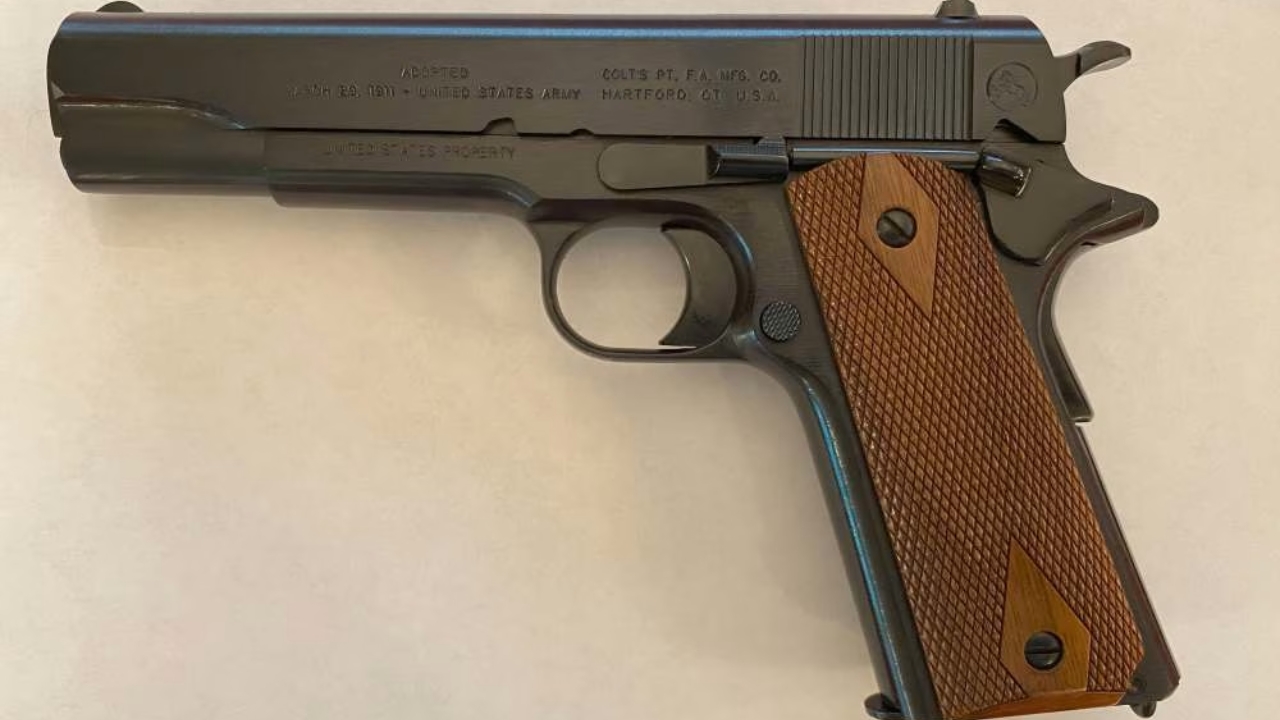
The 1911 is one of the easiest pistols to mock badly and one of the hardest to replace once you understand what a good one actually offers. The trigger alone still makes many modern pistols feel crude, and the slim grip continues to fit a wide range of shooters better than plenty of newer designs with more aggressive branding. When built and maintained correctly, the platform remains accurate, controllable, and surprisingly relevant for a design this old.
That does not mean every 1911 is automatically smarter than every new gun. It means the design still solves a lot of problems extremely well. Good sights, a good trigger, natural pointing characteristics, and excellent shootability never stopped mattering. The new-release cycle loves to act like age equals compromise. The 1911 keeps proving that age can also mean a design got the fundamentals right early and never really lost the plot.
Smith & Wesson Model 39
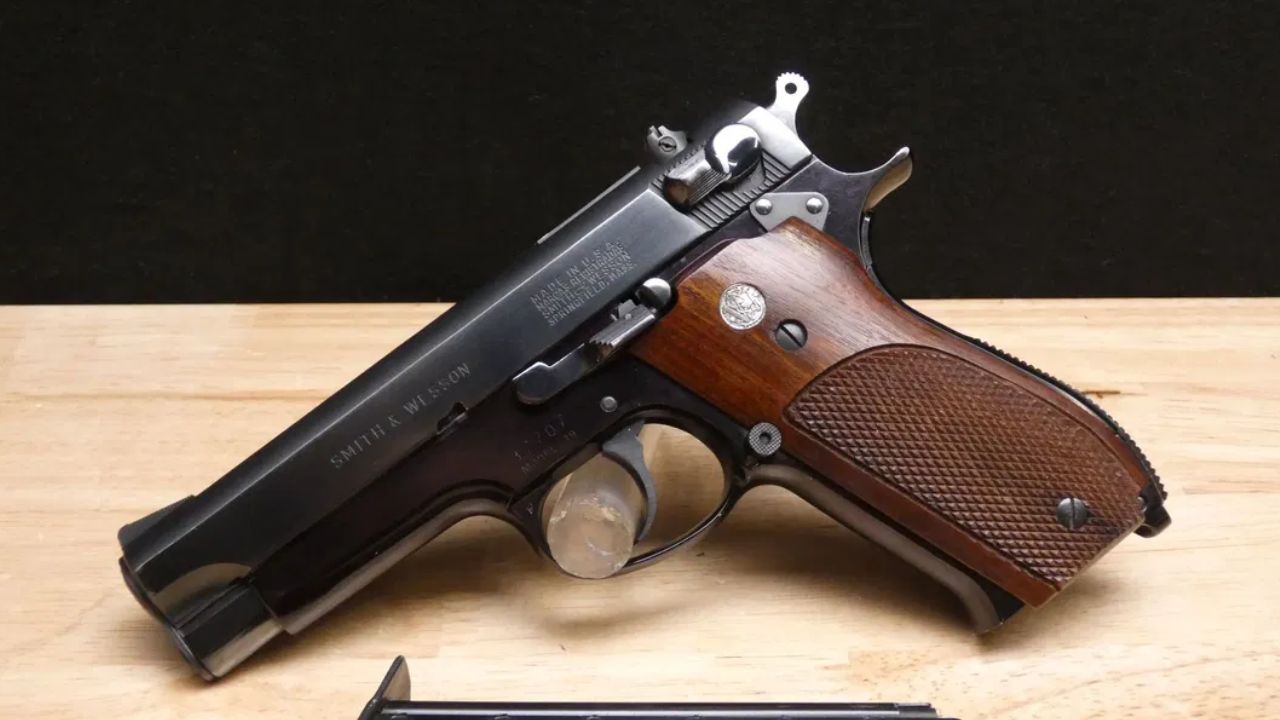
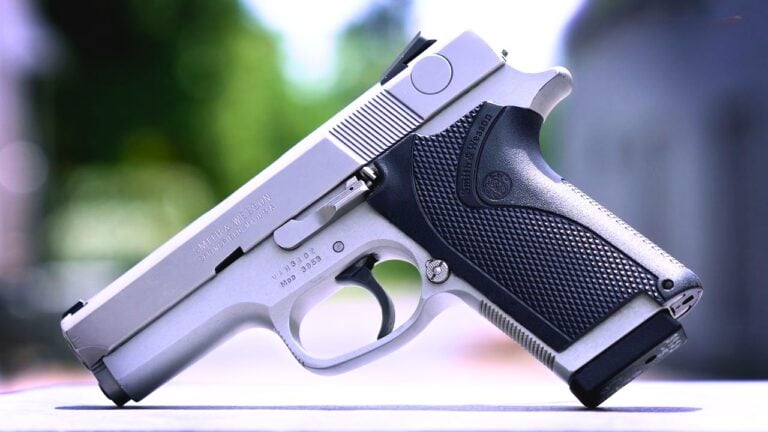
The Smith & Wesson Model 39 does not get brought up nearly enough when people talk about smart old handgun designs. It was slim, practical, and far more civilized in the hand than many pistols that came later. For shooters who wanted a carryable 9mm with real handling qualities, it offered a lot without trying to be loud about it. The design had a kind of clean usefulness that feels refreshing even now.
That is what makes it stand out against so many modern introductions. The Model 39 was not overloaded with ideas. It just gave you a sensible pistol that balanced size, controllability, and real-world practicality better than many of today’s “innovations.” When older guns keep making newer ones feel cluttered or overcomplicated, that is usually a sign the old design understood restraint. The Model 39 absolutely did.
Walther P5

The Walther P5 is one of those pistols that reminds you old does not have to mean clumsy. It has a refined shape, excellent balance, and a layout that feels purposeful rather than trendy. The pistol was built with serious use in mind, yet it still carries a kind of elegance that many current handguns have replaced with generic blockiness. It stands apart without needing to pretend it reinvented sidearm design.
That is part of why it still feels smart. The P5 did not chase every possible feature or accessory angle. It focused on being a well-thought-out fighting pistol with real handling benefits and a distinct identity. In a market full of pistols that often blur together after five minutes, the P5 still feels deliberate. There is something refreshing about a design that knew what it wanted to be and did not need six generations to get there.
HK P7
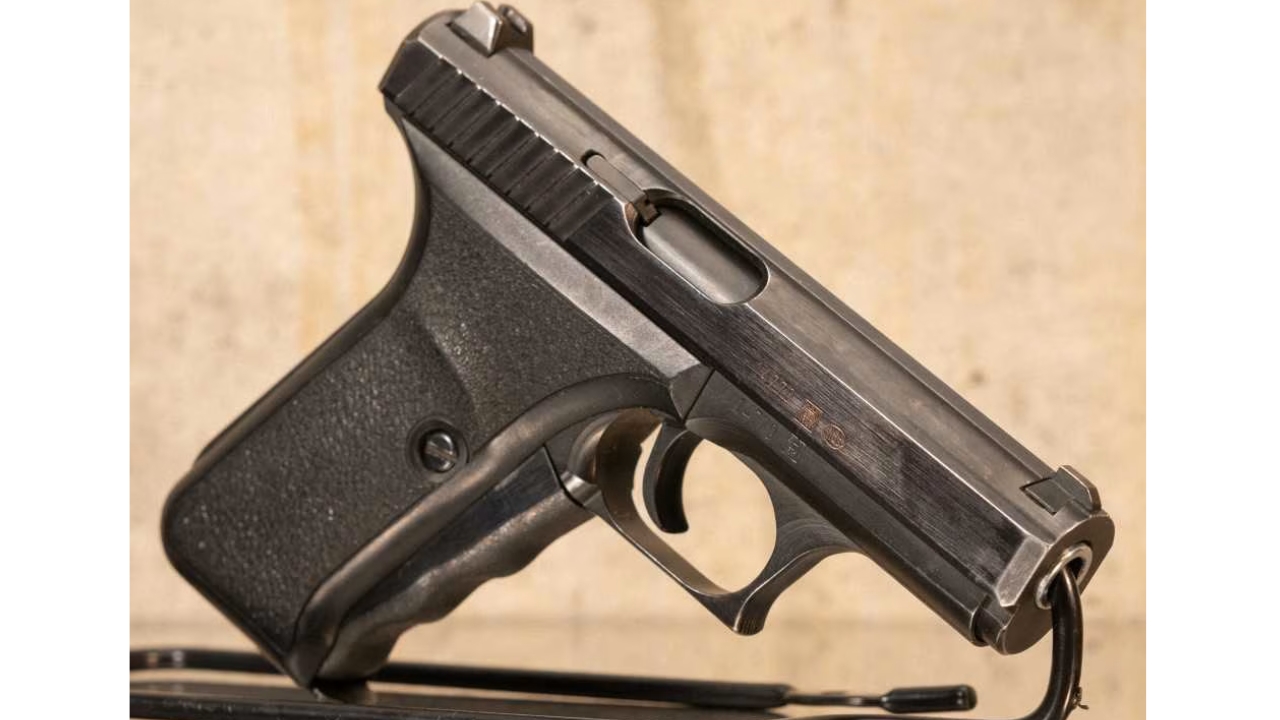
The HK P7 remains one of the clearest examples of a handgun design being genuinely clever without becoming uselessly weird. It brought a squeeze-cocking system, low bore axis, excellent accuracy, and a very compact footprint while still feeling unusually secure and controlled in actual shooting. Even now, it feels like a pistol designed by engineers who were trying to solve real carry and performance problems instead of just checking marketing boxes.
That does not mean it was cheap or simple to produce, and that is part of why guns like it are rare now. But rare and outdated are not the same thing. The P7 still feels smarter than plenty of recent pistols because it offered real advantages you could actually feel on the range. It asked more of the design process and delivered something distinct. You do not see that every time a new handgun gets announced.
Smith & Wesson Model 5906

The Model 5906 was never the kind of pistol people bought to look cutting-edge. They bought it because it was tough, dependable, and built like it expected abuse. That still counts for something. In a lot of ways, it feels smarter than newer pistols that promise the world but feel disposable once you get past the brochure. The 5906 was heavy, sure, but it was also stable, reliable, and very hard to intimidate.
That kind of build philosophy is not always fashionable now. Modern buyers often get pushed toward lighter, thinner, faster-selling choices, even when those come with tradeoffs in feel and longevity. The 5906 reminds you there was real wisdom in making a service pistol that seemed built to outlive trends, departments, and probably a few owners too. There is nothing outdated about that kind of confidence when a gun is in your hand.
Star Model BM
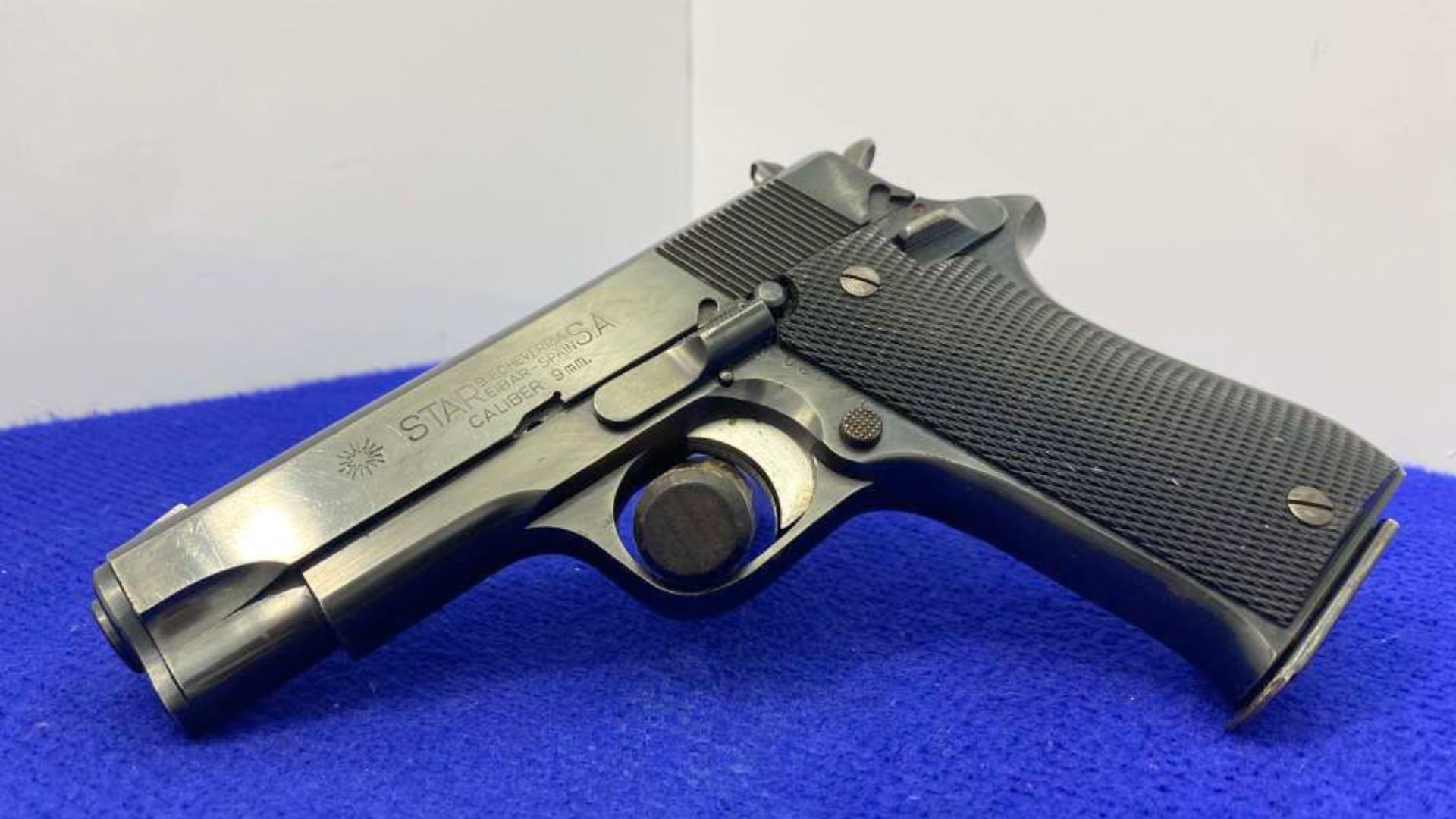
The Star Model BM does not get the mainstream attention of bigger-name classics, but it deserves more respect than it usually gets. It delivered a compact all-steel single-action 9mm with straightforward controls and a useful size long before the market became obsessed with tiny carry pistols and endless micro-variations. It had a lot of practical sense built into it, especially for shooters who wanted something slim, shootable, and serious.
What makes it feel smarter now is how little excess there is in the design. It is not trying to be everything to everyone. It is simply a compact handgun that does the basics well and carries with a kind of old-school discipline. Plenty of modern releases would benefit from that same restraint. The BM is proof that not every good idea needed to arrive in the last five years to still make sense today.
SIG Sauer P220

The P220 remains one of the cleanest examples of a handgun design aging well because it was grounded in real use from the start. It is accurate, dependable, and easy to shoot well for a .45, which is not something every newer big-bore pistol can claim. The ergonomics are solid, the controls are familiar, and the pistol carries itself with the kind of seriousness that never really goes out of date.
A lot of newer releases try to dress up obvious compromises as innovation. The P220 never needed to do that. It was built to be a real sidearm, not a headline. That is why it still feels smarter than many pistols that show up with louder launches and thinner long-term reputations. It solved practical problems cleanly, and pistols that do that tend to age a lot better than the ones built around temporary excitement.
Beretta 84FS Cheetah

The Beretta 84FS Cheetah is one of those older designs that makes current carry conversations feel strangely narrow. It offered capacity, shootability, excellent handling, and real comfort in the hand, all in a package that felt more substantial than many tiny carry guns without becoming burdensome. It was not trying to disappear at all costs. It was trying to be usable, and that still feels like the smarter goal.
That is where a lot of the new-release cycle loses the plot. Smaller is not always better if the gun becomes harder to shoot, harder to control, and less pleasant to train with. The 84FS reminds you that a compact handgun can still be comfortable, practical, and worth carrying without chasing extremes. Some of the smartest older designs were willing to make that trade, and shooters still benefit from it.
Colt Detective Special

The Colt Detective Special proved a long time ago that a carry gun could be compact without becoming underpowered or miserable to use. That alone gives it more practical intelligence than plenty of modern pocket-gun efforts. The extra round over many of its peers mattered, the handling was solid, and the design struck a balance between concealability and usefulness that still feels sound. It was not built for marketing categories. It was built to be carried.
That is why it still feels smarter than a lot of newer introductions chasing novelty. A small revolver that is actually shootable, durable, and sensibly proportioned has more lasting value than a gun designed to win a launch week argument online. The Detective Special understood the assignment early. It did not need optics cuts or influencer momentum to become a serious carry option, and that kind of clarity ages extremely well.
Browning Buck Mark

The Browning Buck Mark deserves a place in this kind of conversation because smart handgun design is not only about defense pistols. It is also about making a gun that is useful, accurate, enjoyable, and built to keep people shooting. The Buck Mark has done that for years. It remains one of the better rimfire pistol designs for real practice, training, and plain old range time without making things more complicated than they need to be.
A lot of new handgun releases act like usefulness begins and ends with carry trends. The Buck Mark keeps proving that a pistol can be smart because it helps you shoot more, shoot better, and enjoy the process enough to stay with it. That may not sound flashy, but it is more valuable than many new products pretending to change the world. A rimfire that genuinely delivers is never outdated.
Ruger P95

The Ruger P95 was never cool, and that is part of what made it so sensible. It was dependable, straightforward, and built with a kind of practical toughness that many buyers appreciated only after they had spent enough time around more delicate or more temperamental pistols. The P95 did not need style points to keep running. It just had to do its job, and it usually did exactly that without asking for much in return.
That old-fashioned durability still feels smarter than half the pistols that arrive with polished rollout language and uncertain long-term reputations. The P95 was not trying to be the thinnest, the lightest, or the most talked about. It was trying to be serviceable and trustworthy. When you look at how many new guns are sold on image first, a design like the P95 starts to feel a lot wiser than people gave it credit for.
Jericho 941

The Jericho 941 still feels like a reminder that solid design does not have an expiration date just because the market moved on to newer packaging. Built on sound fundamentals with real weight, good ergonomics, and a reputation for dependable performance, it remains one of those pistols that tends to impress people more in person than on a spec sheet. It feels substantial in a way that many newer polymer guns simply do not.
That matters because shooting is still a physical act, not just a shopping exercise. The Jericho offers control, balance, and a sense of permanence that a lot of newer handguns trade away too easily in the name of trend chasing. It may not dominate release chatter, but it keeps making a strong case for older design priorities. Once you spend time with one, the appeal is not complicated at all.
Like The Avid Outdoorsman’s content? Subscribe to our newsletter so you never miss an article.
Here’s more from us: